Cat Dental Care Tips
Most cat owners check their pet's coat, eyes, and ears regularly, but the mouth often gets overlooked until a serious problem develops. Dental disease is the most common health condition affecting cats, with studies indicating that over 70% of cats show some form of oral disease by age three. Unlike dogs, cats are exceptionally good at hiding dental pain, making proactive care essential.
The consequences of untreated dental disease extend far beyond bad breath. Periodontal disease allows bacteria to enter the bloodstream and reach the heart, kidneys, and liver. Research from the Banfield Pet Hospital, which analyzed data from over 2.5 million cats between 2010 and 2020, found that cats with severe periodontal disease were 3.2 times more likely to develop cardiomyopathy and 2.8 times more likely to show signs of chronic kidney disease compared to cats with healthy teeth.
Establishing a dental care routine does not require expensive equipment or hours of daily effort. Simple, consistent practices at home combined with regular veterinary dental examinations can keep your cat's teeth in excellent condition throughout its life. This article covers the specific steps you can take, the products that actually work, and the warning signs that warrant a veterinary visit.
Understanding Feline Dental Anatomy
Adult cats have 30 teeth: 12 incisors, 4 canines, 10 premolars, and 4 molars. Each tooth consists of a crown covered in enamel, a neck at the gumline, and a root embedded in the jawbone. The periodontium, which includes the gums, periodontal ligament, and alveolar bone, anchors each tooth in place and provides the blood supply necessary for tooth health.
Cats are particularly susceptible to a condition called tooth resorption, which affects between 30% and 60% of adult cats depending on the study population. In tooth resorption, the body's own cells (odontoclasts) begin breaking down tooth structure, usually starting at the cementoenamel junction near the gumline. The exact cause remains unclear, though chronic inflammation, diet, and genetic factors all appear to contribute.
Another feline-specific condition is feline chronic gingivostomatitis (FCGS), an intensely painful inflammatory condition affecting the gums and oral mucosa. Cats with FCGS exhibit severe inflammation that extends beyond the gumline to the back of the throat. The condition affects approximately 0.7% of the general cat population but can reach prevalence rates of 4-6% in shelter populations, according to a 2021 study by Dr. Brian G. Murphy at the University of California, Davis School of Veterinary Medicine.
Building a Daily Dental Care Routine
Daily tooth brushing remains the gold standard for feline dental home care. The process takes only a few minutes but requires patience and gradual training, especially for adult cats not accustomed to having their mouths handled.
Step-by-Step Brushing Guide
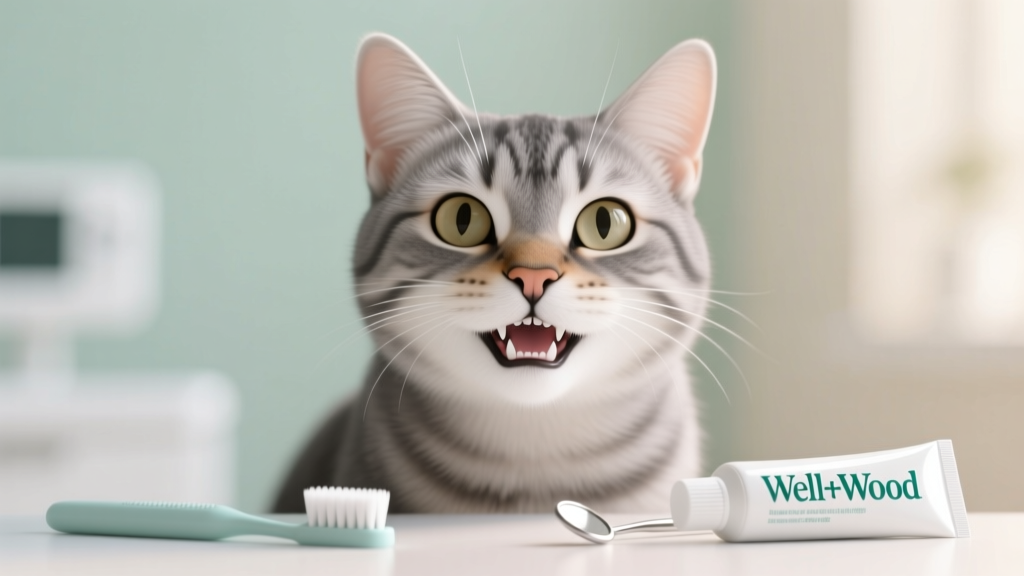
Start by letting your cat taste a small amount of cat-specific enzymatic toothpaste on your finger. Never use human toothpaste, which contains fluoride and foaming agents that are toxic when swallowed. Cat toothpastes come in flavors like poultry, seafood, and malt that most cats find appealing.
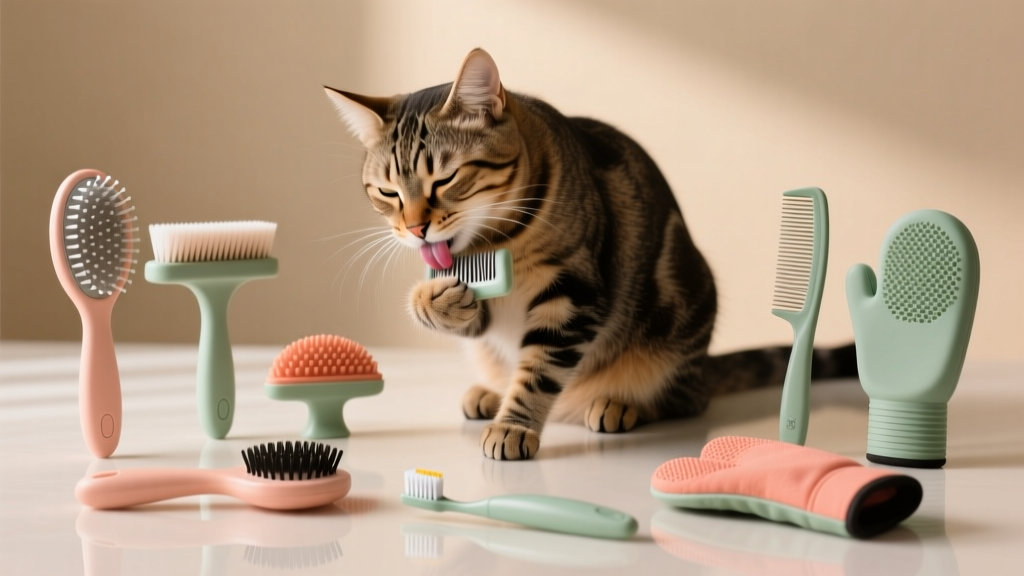
Once your cat accepts the toothpaste taste, progress to gently rubbing the paste along the outside surfaces of the teeth with your fingertip. Focus on the upper premolars and molars, where plaque accumulation is heaviest. After several days of finger brushing, introduce a soft-bristled cat toothbrush or a finger brush. Use gentle circular motions and concentrate on the outer surfaces where plaque and tartar build up most rapidly.
| Tool | Effectiveness | Ease of Use | Best For |
|---|---|---|---|
| Finger brush with enzymatic paste | Moderate-High | Easy | Cats new to brushing; sensitive mouths |
| Soft-bristled cat toothbrush | High | Moderate | Cats accustomed to mouth handling |
| Dental wipes | Moderate | Very Easy | Supplemental cleaning; travel |
| Dental diets (prescription) | Moderate | Effortless | Cats that resist brushing entirely |
| Water additives | Low-Moderate | Very Easy | Adjunct therapy only; not a standalone solution |
The goal is not perfection but consistency. Even brushing three to four times per week produces meaningful reductions in plaque and tartar accumulation. A 2018 study published in the Journal of Veterinary Dentistry by researchers at Nestle Purina PetCare demonstrated that cats whose teeth were brushed five times per week for eight weeks showed a 43% reduction in plaque scores and a 37% reduction in gingivitis scores compared to the control group.
Dental Diets and Nutrition
Prescription dental diets represent one of the most effective adjuncts to brushing for cats that resist toothbrushing. These diets feature larger kibble sizes with a specific fiber matrix that creates a scrubbing action as the cat bites through the piece. The Veterinary Oral Health Council (VOHC) maintains a list of accepted dental diets that have demonstrated measurable reductions in plaque and calculus in controlled studies.
Two dental diets currently hold VOHC acceptance for cats: Hill's Prescription Diet t/d and Purina Pro Plan Veterinary Diets DH. Both diets require the cat to chew through the kibble rather than swallowing pieces whole, maximizing the mechanical cleaning effect. In controlled trials, cats fed Hill's t/d exclusively showed a 46% reduction in calculus accumulation over a four-month period compared to cats fed standard dry food.
"Nutritional approaches to dental health are often underestimated. A properly formulated dental diet can reduce plaque accumulation by nearly half when fed as the exclusive or predominant food source. For owners whose cats absolutely will not tolerate brushing, a VOHC-accepted dental diet is the next best option."
— Dr. Jonathan E. Boyce, Diplomate of the American Veterinary Dental College, 2022
Foods to Avoid for Dental Health
Soft, wet-only diets do not provide any mechanical cleaning benefit and allow plaque to accumulate more rapidly on tooth surfaces. While wet food offers important hydration benefits, especially for cats with kidney disease or urinary issues, an exclusive wet food diet may accelerate dental disease. A mixed feeding approach, incorporating both dental dry food and wet food at separate meals, provides both hydration and dental benefits.
- Exclusive wet food diets: No mechanical cleaning action; plaque builds faster
- Hard treats without VOHC acceptance: May fracture teeth if too hard; no proven dental benefit
- Human table scraps: Sugary or starchy foods promote bacterial growth and enamel demineralization
- Raw bones: Risk of tooth fracture, gastrointestinal obstruction, and bacterial contamination
Professional Dental Cleanings
Even with excellent home care, most cats require professional dental cleanings at some point. Tartar (calcified plaque) cannot be removed by brushing and must be scaled off under general anesthesia. During a professional cleaning, your veterinarian will perform a complete oral examination, take dental radiographs, scale all tooth surfaces above and below the gumline, polish the enamel, and extract any teeth that are diseased beyond saving.
The frequency of professional cleanings depends on individual factors. Cats with a history of rapid tartar accumulation may need annual cleanings starting at age three, while cats with good home care and slow tartar buildup may go three to four years between procedures. Your veterinarian will recommend a schedule based on the condition of your cat's teeth at each annual wellness exam.
Dental radiographs are a critical component of professional cleanings that are frequently skipped by budget-conscious owners. Up to 60% of each tooth lies below the gumline and is invisible to visual examination. Radiographs reveal root abscesses, resorptive lesions, bone loss, and retained root fragments that would otherwise go undetected. A full-mouth radiographic series typically includes 10 to 14 individual images.
Warning Signs That Require Veterinary Attention
Cats instinctively hide signs of oral pain, so owners must watch for subtle behavioral changes that may indicate dental disease. Recognizing these signs early can prevent minor issues from progressing to tooth loss or systemic infection.
- Halitosis (bad breath): While no cat has truly fresh breath, a strong foul odor suggests bacterial overgrowth and periodontal disease
- Difficulty eating: Dropping kibble, chewing on one side of the mouth, or suddenly preferring wet food over dry
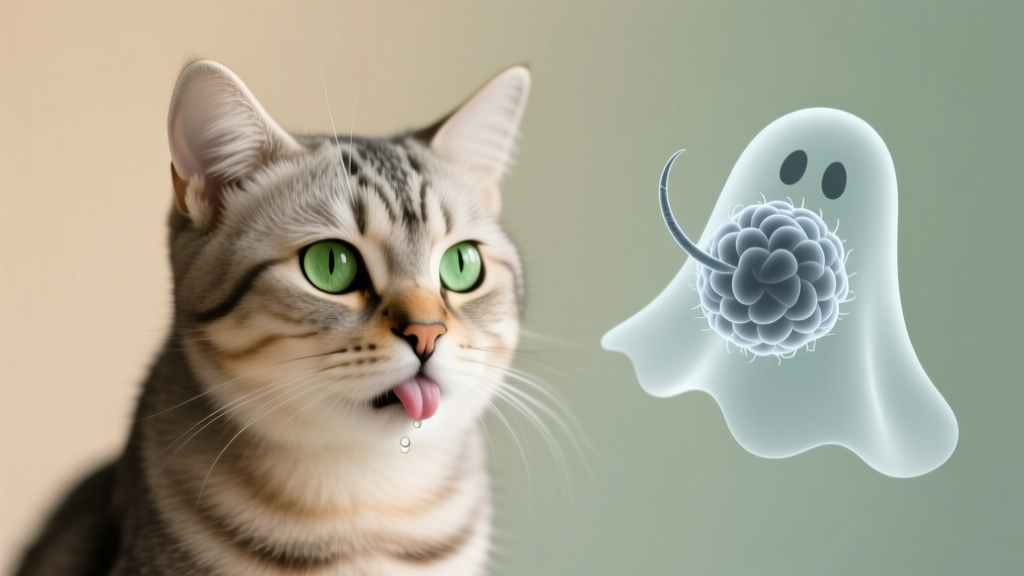
- Excessive drooling: Particularly if the saliva is blood-tinged or has an unusual odor
- Pawing at the mouth: A sign of significant oral discomfort or a foreign object lodged between teeth
- Weight loss: Chronic dental pain can reduce food intake enough to cause measurable weight loss over weeks
- Red, bleeding, or receding gums: Visible inflammation along the gumline is a hallmark of gingivitis
- Loose or missing teeth: May indicate advanced periodontal disease with significant bone loss
The Link Between Oral and Systemic Health
The bacteria associated with periodontal disease, particularly Porphyromonas gulae and Tannerella forsythia, enter the bloodstream through inflamed gum tissue. Once in circulation, these bacteria can colonize heart valves, contributing to endocarditis, and lodge in the glomeruli of the kidneys, exacerbating chronic kidney disease. A 2023 retrospective study of 1,847 cats at the Ohio State University College of Veterinary Medicine found that cats with stage 3 or 4 periodontal disease had significantly higher blood urea nitrogen and creatinine levels than age-matched cats with healthy teeth, even after controlling for age and body weight.
For cat owners managing chronic conditions like kidney disease or diabetes, maintaining excellent oral health is not optional. The inflammatory burden from dental disease can worsen control of these conditions and accelerate disease progression. Coordinate with your veterinarian to ensure dental cleanings are scheduled appropriately for cats with comorbidities.
Dental Care for Different Life Stages
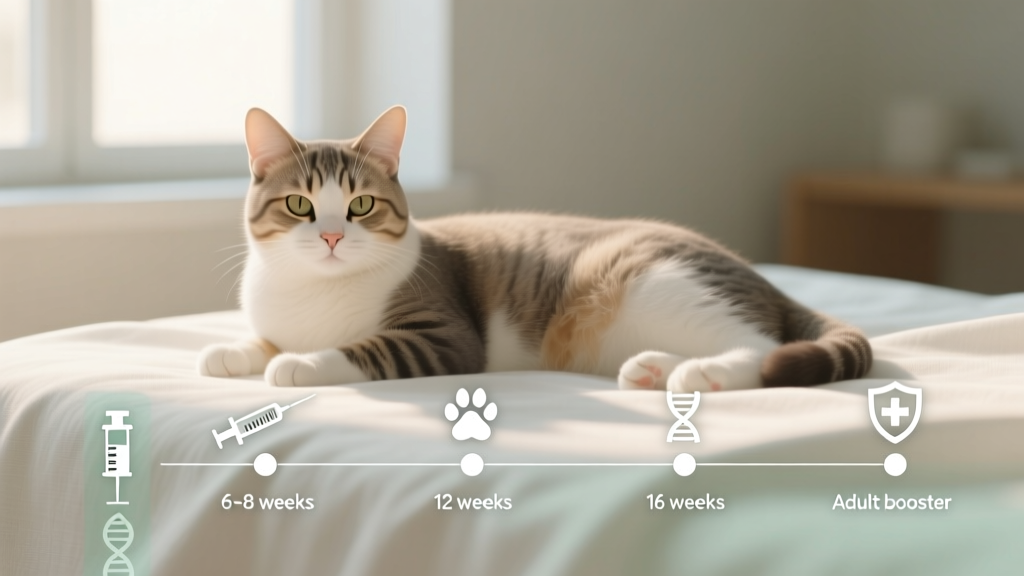
Kittens typically have healthy teeth and gums, but owners should begin handling their mouths gently from an early age to acclimate them to future dental care. Retained deciduous (baby) teeth are common in cats and should be extracted during spay or neuter surgery if they have not fallen out naturally by six months of age. Retained baby teeth alongside adult teeth create tight spaces where food and plaque accumulate rapidly.
Adult cats between one and seven years old benefit most from consistent daily brushing and annual veterinary dental assessments. This is the age range where early signs of tooth resorption and gingivitis typically appear. Catching these conditions in their initial stages dramatically improves outcomes and may prevent the need for extractions.
Senior cats over 10 years frequently have advanced dental disease even if they appear comfortable. Age-related changes in immune function and reduced saliva production accelerate plaque and calculus accumulation. Many senior cats have lost one or more teeth to resorptive disease without the owner noticing. Annual dental radiographs become increasingly important for detecting hidden pathology in older cats.
Remember: Cats who have had multiple teeth extracted due to dental disease can still eat normally. The feline tongue is remarkably adept at picking up kibble, and most cats with few or no teeth adapt to eating within days of surgery. The relief from chronic pain typically results in improved appetite and activity level.
Starting a dental care routine today, regardless of your cat's age, is the most effective investment you can make in its long-term health. The combination of daily brushing, appropriate diet, regular veterinary exams, and professional cleanings when needed will keep your cat's mouth healthy and comfortable for years to come.