Cat Pyometra: Uterine Infection in Unspayed Females
1. Why This Topic Matters to Cat Owners
If you share your home with an unspayed female cat, pyometra is one reproductive emergency worth understanding ahead of time. Pyometra is a serious uterine infection that can develop quickly, make a cat very ill, and become life-threatening without prompt veterinary care. The reassuring part is that with early recognition and appropriate treatment, many cats recover well. Even better, the most reliable prevention is straightforward: spaying.
This article explains what pyometra is, why it happens, what you might notice at home, and what your veterinarian will likely recommend. If you’re ever unsure whether your cat’s signs “count,” it’s safest to call your veterinary clinic for guidance.
2. Overview: What Pyometra Is (Plain-Language Medical Explanation)
Pyometra literally means “pus in the uterus.” In cats, it’s typically a bacterial infection that develops when hormonal changes after a heat cycle cause the lining of the uterus to thicken and become more prone to infection. Bacteria—most commonly those that normally live in the intestinal tract—can travel up from the vagina into the uterus.
As the infection progresses, the uterus fills with infected fluid. This creates two major problems:
- Local disease: The uterus becomes enlarged and inflamed. In severe cases, the uterine wall can weaken and rupture, spilling infected material into the abdomen (a life-threatening condition called septic peritonitis).
- Whole-body illness: Bacterial toxins and inflammation can affect organs throughout the body, especially the kidneys and liver, and can lead to sepsis (a dangerous systemic infection).
Pyometra generally appears in two forms:
- Open pyometra: The cervix is open, allowing some discharge to drain from the uterus through the vagina. You may see fluid on the fur, bedding, or around the vulva.
- Closed pyometra: The cervix is closed, so discharge cannot drain. This can make the cat look less “messy” but can be more dangerous because the uterus can enlarge significantly and toxins may build up faster.
3. Symptoms and Warning Signs to Watch For
Pyometra can be subtle at first, especially in cats that are private, hide when sick, or groom themselves frequently. Signs often show up days to weeks after a heat cycle, but timing can vary.
Common signs cat owners may notice:
- Lethargy (sleeping more, less interactive, hiding)
- Reduced appetite or refusing food
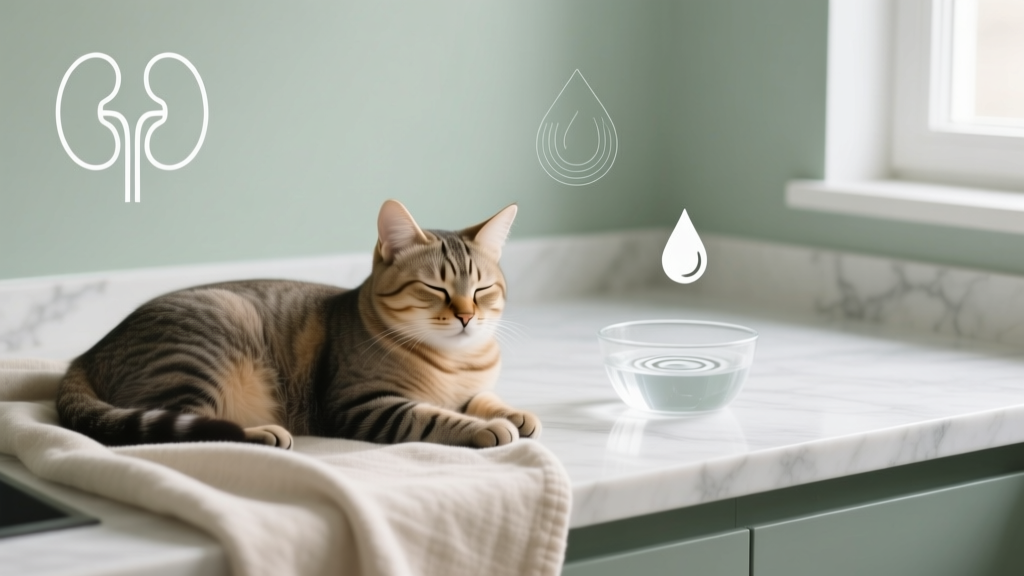
- Increased thirst and/or urinating more than usual
- Vomiting or nausea (lip-smacking, drooling)
- Fever (may or may not be present)
- Abdominal discomfort (tense belly, reluctance to be picked up)
- Weight loss or a generally “unwell” appearance
Signs more suggestive of open pyometra:
- Vaginal discharge (cream, yellow, green, brown, or bloody)
- Excessive licking of the vulva or rear end
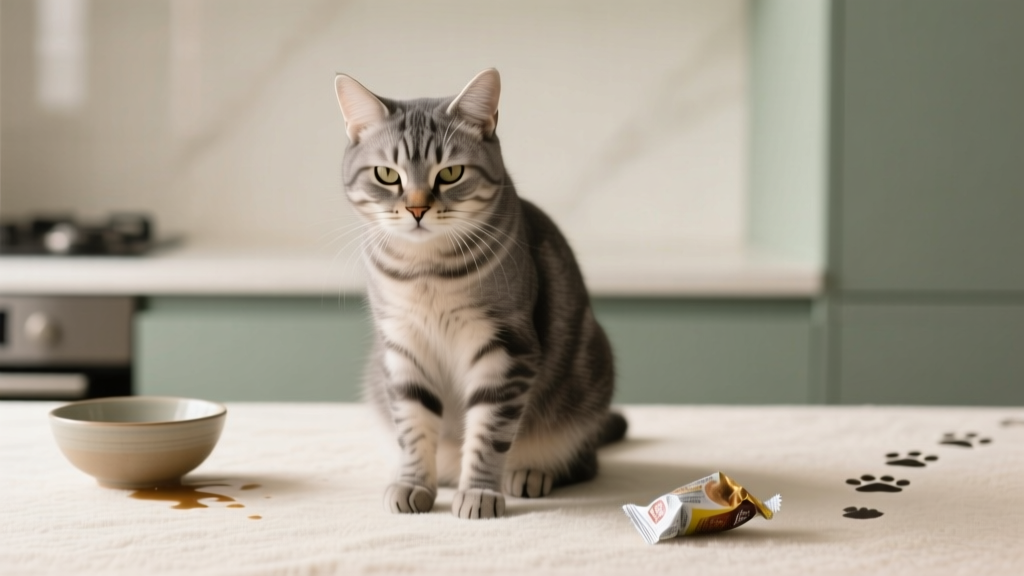
- Wet spots on bedding or where your cat rests
Signs that can occur with closed pyometra:
- Swollen abdomen or “bloated” look
- Rapid worsening of lethargy, weakness, or dehydration
- No visible discharge despite significant illness
Practical tip: If your unspayed female cat seems “off” and it has been a few weeks since a heat cycle (or you’re not sure), check for subtle changes: water bowl level, litter box output, and any new licking or staining under the tail.
4. Causes and Risk Factors
Pyometra occurs because of a combination of normal reproductive hormones and bacterial infection.
Underlying contributors:
- Hormonal changes after heat: Progesterone influences the uterine lining, making it thicker and more glandular and reducing uterine contractions that would normally help clear bacteria.
- Bacterial ascent: Bacteria can move from the vagina into the uterus, especially when the cervix is more open around heat cycles.
Risk factors:
- Not being spayed (the biggest risk factor)
- Middle-aged to older cats are often considered higher risk, but pyometra can occur in younger cats too
- History of repeated heat cycles without pregnancy
- Hormone exposure: Medications used to suppress heat cycles (where available) may increase risk; always discuss safer options with your veterinarian
- Recent breeding or mating doesn’t prevent pyometra and can still be followed by infection
5. Diagnosis: What to Expect at the Vet
If pyometra is suspected, your veterinarian will focus on confirming the diagnosis quickly and assessing how stable your cat is. Bring any helpful details: when she last went into heat, whether you’ve seen discharge, appetite changes, vomiting, and water intake.
Common diagnostic steps include:
- Physical exam: Checking hydration, temperature, abdominal comfort, gum color, and overall stability.
- Bloodwork:
- Complete blood count (CBC) to look for elevated white blood cells (infection/inflammation) and anemia.
- Chemistry panel to assess kidney/liver function and electrolyte changes, since toxins and dehydration can stress these organs.
- Urinalysis: Helps evaluate kidney function and hydration status; increased drinking/urination can mimic urinary disease.
- Imaging:
- Ultrasound is often the most helpful for seeing an enlarged, fluid-filled uterus and distinguishing pyometra from pregnancy or other uterine issues.
- X-rays may show an enlarged uterus, especially in larger or later cases, but may be less specific than ultrasound.
What this visit may feel like: If your cat is stable, diagnostics may happen the same day with a plan for surgery or hospitalization. If she is weak, dehydrated, or in shock, the team may prioritize stabilizing her first with IV fluids and medications before anesthesia.
6. Treatment Options (Medical, Surgical, Home Care)
Surgical Treatment (Most Common and Most Reliable)
Ovariohysterectomy (spay surgery that removes the ovaries and uterus) is considered the treatment of choice for most cats with pyometra. It removes the infected organ and prevents recurrence.
What to expect with surgery:
- Pre-surgical stabilization may include IV fluids, antibiotics, pain control, and anti-nausea meds.
- Anesthesia and surgery can be more complex than a routine spay because the uterus is enlarged and fragile.
- Hospital monitoring is often recommended, especially if the cat is dehydrated or has abnormal bloodwork.
- Post-op medications commonly include antibiotics, pain relief, and sometimes appetite support.
Medical Treatment (Selected Cases Only)
In some situations—typically when a cat is stable, the cervix is open, and future breeding is a priority—medical management may be discussed. This can involve medications to help the uterus empty and antibiotics to address infection. Medical treatment requires very close monitoring and carries a risk of recurrence or treatment failure.
Important reality check for owners: Even when medical therapy works short-term, pyometra can return in future heat cycles. For most pet cats, spay surgery is the safest long-term solution. Your veterinarian will advise what is appropriate for your cat’s condition and your goals.
Home Care After Treatment
Whether your cat is treated surgically or medically, aftercare matters. Follow your veterinarian’s discharge instructions exactly and call if anything doesn’t seem right.
At-home steps you can take right away:
- Give medications as directed (finish antibiotics even if she seems better).
- Use an e-collar or recovery suit to prevent licking at the incision.
- Limit activity (no jumping/climbing if possible; keep her in a quiet room).
- Monitor food, water, and litter box habits daily for 10–14 days or as advised.
- Check the incision once or twice a day:
- Small, firm swelling can be normal.
- Redness spreading, heat, discharge, or gaping is not normal—call your vet.
Avoid:
- Bathing your cat or letting the incision get wet unless your vet says it’s okay
- Human pain medications (many are toxic to cats)
- Waiting “one more day” if appetite and energy are not improving as expected
7. Prevention Strategies and Early Detection Tips
The best prevention for pyometra is spaying before the disease can develop. Spaying removes the uterus and ovaries, eliminating the organ that becomes infected and the hormonal cycling that contributes to risk.
Prevention and early-detection checklist:
- Schedule a spay if your cat is not intended for responsible, managed breeding.
- Track heat cycles in unspayed cats:
- Write down approximate dates of behavioral heat signs (yowling, restlessness, increased affection, rolling).
- Be extra watchful in the weeks after heat for appetite changes, lethargy, vomiting, or increased thirst.
- Watch water intake by filling the bowl to a marked line or using a measured amount daily.
- Check the rear end briefly each day for discharge or staining (especially if your cat has long fur).
- Keep routine wellness exams so your veterinarian can identify subtle issues early.
If your cat is intact and you’re unsure about spaying due to age, prior health issues, or breeding plans, discuss those concerns with your veterinarian. They can help weigh surgical risks versus the very real risks of pyometra.
8. Prognosis and Quality of Life Considerations
Many cats do very well when pyometra is recognized early and treated promptly. Quality of life often improves quickly once infection is controlled and the uterus is removed.
Factors that influence prognosis:
- How early treatment begins
- Open vs. closed pyometra (closed can become critical faster)
- Degree of dehydration and toxin effects on kidneys/liver
- Whether the uterus has ruptured (rupture significantly worsens prognosis and requires intensive care)
- Overall health and age of the cat
After recovery: Cats treated surgically for pyometra typically cannot develop it again, and most return to normal routines—eating, playing, and interacting—within days to a couple of weeks, depending on severity at diagnosis.
9. When to Seek Emergency Veterinary Care
Contact an emergency clinic or your veterinarian immediately if your unspayed female cat shows any of the following:
- Weakness, collapse, or trouble standing
- Refusing food for 24 hours (or much sooner if she seems ill)
- Repeated vomiting or inability to keep water down
- Marked increase in thirst with lethargy
- Abdominal swelling or signs of pain (hunched posture, growling when touched)
- Foul-smelling or pus-like vaginal discharge
- Pale gums, fast breathing, or very low energy
If you’re debating whether it’s urgent, err on the side of a phone call. Pyometra is not something to monitor at home without veterinary involvement.
10. FAQ: Common Questions Cat Owners Ask
Can a cat get pyometra if she’s never been pregnant?
Yes. Pyometra is related to hormonal cycling and bacterial infection, not pregnancy. Cats that have gone through heat cycles without being spayed are still at risk.
Does vaginal discharge always happen with pyometra?
No. Discharge is more common with open pyometra. In closed pyometra, discharge may be absent even though the infection is severe. That’s why appetite changes, lethargy, vomiting, and increased thirst are important warning signs.
Is pyometra contagious to other cats?
Pyometra itself is not considered contagious in the way a respiratory virus is. It’s an internal uterine infection. However, any discharge should be treated as potentially contaminated material, so clean soiled bedding promptly and wash hands afterward.
Can antibiotics alone cure pyometra?
Antibiotics are usually part of treatment, but antibiotics alone are often not enough because the infected uterus can keep producing infected fluid. In most pet cats, surgical removal of the uterus and ovaries is the most dependable treatment. Your veterinarian will explain whether any non-surgical approach is appropriate for your cat’s specific case.
How quickly can pyometra become serious?
It can worsen over days, sometimes faster—especially with closed pyometra. If your cat seems sick and is unspayed, prompt veterinary evaluation is the safest choice.
Will spaying later still help?
Yes. Spaying prevents future pyometra and eliminates heat cycles. Even if your cat is older, many cats are good spay candidates with proper pre-anesthetic screening. Your veterinarian can tailor a plan based on your cat’s health status.
If your cat is unspayed and you’re noticing changes in appetite, energy, thirst, vomiting, or any discharge, schedule a veterinary exam right away. For more practical, cat-owner-friendly health guides and preventive care tips, visit catloversbase.com.