How to Care for Your 8 Week Old Kitten: The 7 Non-Negotiable Health & Safety Steps Every New Owner Misses (And Why Skipping #3 Puts Them at Risk of Lifelong Illness)
Why This First Month Changes Everything
If you're wondering how to care for your 8 week old kitten, you're standing at one of the most consequential inflection points in your cat's entire life. At eight weeks, your kitten is no longer a fragile neonate—but they’re also not yet resilient. Their immune system is still developing, their socialization window is rapidly closing (ending around 14 weeks), and their nutritional needs are shifting dramatically from mother’s milk to solid food. A single missed deworming dose, an unvaccinated exposure to feline herpesvirus, or even improper handling during this stage can trigger lifelong respiratory issues, anxiety disorders, or chronic gastrointestinal problems. This isn’t overstatement—it’s what Dr. Sarah Wooten, DVM and clinical advisor for the American Animal Hospital Association (AAHA), calls 'the golden fortnight of foundational health.' What you do—or don’t do—between weeks 6 and 12 sets biological and behavioral trajectories that persist into adulthood.
Vaccinations & Parasite Control: Timing Is Biology, Not Convenience
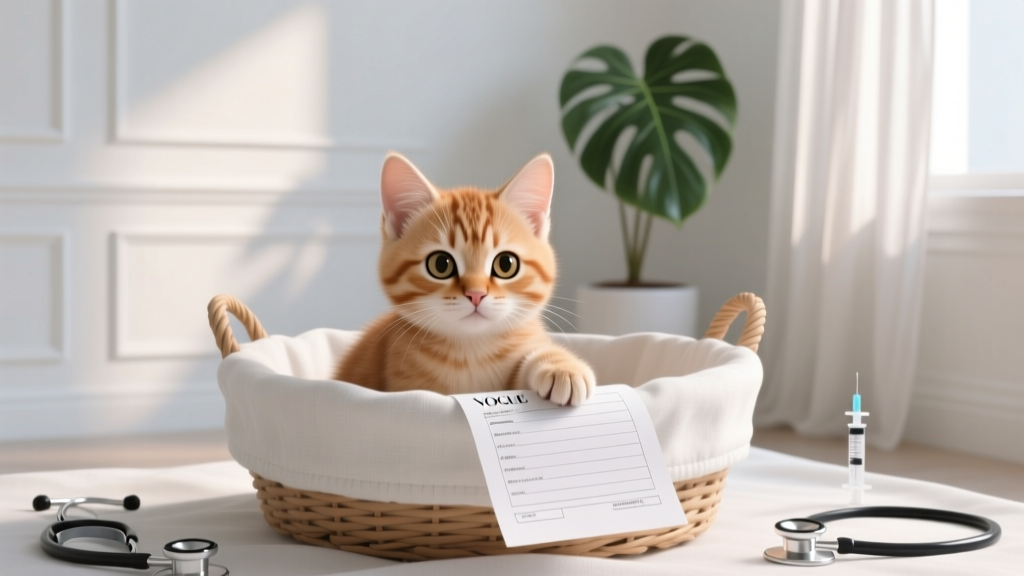
At eight weeks, your kitten’s maternal antibodies—passed via colostrum—are beginning to wane, leaving them vulnerable to deadly pathogens like panleukopenia (feline distemper), calicivirus, and herpesvirus. But here’s what most new owners don’t realize: vaccinating too early is just as dangerous as vaccinating too late. If maternal antibodies are still high, they’ll neutralize the vaccine, rendering it ineffective. That’s why veterinarians use a precise 3–4 week booster schedule—not arbitrary appointments. According to the 2023 AAHA Feline Vaccination Guidelines, the first core vaccine (FVRCP) should be administered at or after 8 weeks, repeated every 3–4 weeks until 16 weeks of age. Why 16? Because only then can we be >95% confident maternal immunity has fully declined.
Simultaneously, internal parasites are nearly universal in kittens this age—even those from reputable breeders. A 2022 Cornell University study found that 87% of shelter kittens under 12 weeks tested positive for roundworms (Toxocara cati) and/or hookworms. These aren’t ‘just worms’—they cause stunted growth, anemia, and can even migrate to human lungs (a zoonotic risk). Deworming must begin at 2 weeks and repeat every 2 weeks until 8 weeks, then again at 12 and 16 weeks. Use only veterinarian-prescribed fenbendazole or pyrantel pamoate—never over-the-counter ‘natural’ remedies, which lack efficacy data and delay real treatment.
External parasites require equal vigilance. Fleas may seem harmless, but in kittens, they cause life-threatening anemia within days. A single flea consumes ~0.001 mL of blood per feeding—yet a kitten weighing 0.8 kg has only ~80 mL total blood volume. Just 10 fleas can drain 10% of their circulating blood in 24 hours. Use only kitten-safe products approved by your vet (e.g., topical selamectin for kittens ≥1.5 lbs); never apply dog flea treatments—they contain permethrin, which causes fatal neurotoxicity in cats.
Nutrition & Feeding: More Than Just ‘Kitten Food’
Eight-week-old kittens need 2–3× the calories per pound of body weight compared to adult cats—and their digestive systems are still maturing. That means ingredient quality, texture, and feeding frequency matter more than brand loyalty. Look for foods meeting AAFCO’s ‘Growth’ nutrient profile—not just ‘All Life Stages.’ Key markers: minimum 35% crude protein (from named animal sources like chicken meal, not generic ‘meat by-products’), taurine ≥0.2%, and DHA (an omega-3 fatty acid critical for retinal and brain development).
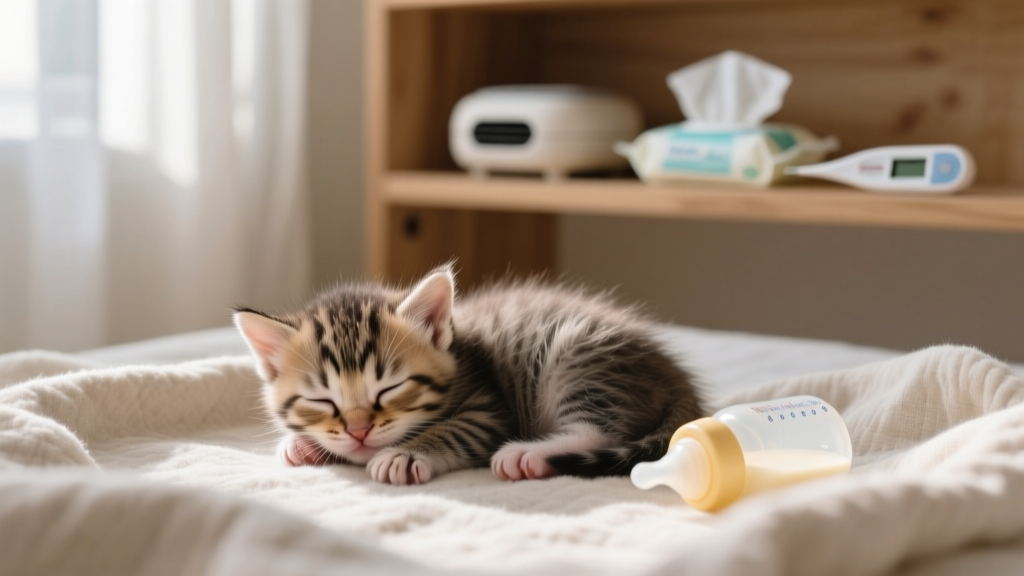
Transitioning from milk replacer or mother’s milk requires strategy. Cold-turkey switching causes diarrhea, vomiting, and refusal to eat. Instead, use a 7-day gradual blend: Day 1–2: 75% old food + 25% new; Day 3–4: 50/50; Day 5–6: 25/75; Day 7: 100% new food. Warm wet food slightly (to ~98°F)—it mimics body temperature and enhances aroma, stimulating appetite. Feed 4 small meals daily; their tiny stomachs can’t hold enough for fewer feedings. And crucially: always provide fresh water separate from food bowls. A 2021 Journal of Feline Medicine & Surgery study linked water deprivation in young kittens to early-onset chronic kidney disease—yes, even before age 1.
A common mistake? Over-supplementing. Calcium, vitamin D, or multivitamins are unnecessary—and dangerous—if fed alongside balanced commercial kitten food. Excess calcium disrupts skeletal development, causing painful osteochondrosis. Let your vet assess need based on bloodwork—not internet advice.
Socialization, Sleep & Environmental Safety: The Invisible Foundations
The socialization window—the period when kittens form lasting associations with people, other animals, sounds, and objects—peaks between 2 and 7 weeks and closes sharply by 14 weeks. At 8 weeks, you’re racing the clock. Every day counts. But ‘socializing’ isn’t just cuddling. It’s structured, low-stress exposure: 3–5 minute sessions, 2–3 times daily, with varied stimuli (e.g., wearing sunglasses, holding keys, playing vacuum cleaner audio at low volume). Always pair novelty with high-value treats (tiny bits of cooked chicken or tuna water). Stop *before* the kitten shows stress—flattened ears, tail flicking, or freezing—not after.
Sleep safety is equally urgent. Kittens sleep 18–22 hours daily—but they’re vulnerable during REM cycles. Never let them sleep unsupervised in beds, sofas, or near stairs. Use a dedicated kitten-safe sleep zone: a cardboard box lined with soft, non-fraying fabric (no loose threads or ribbons), placed away from drafts, heaters, or dangling cords. Keep doors closed to laundry rooms, garages, and bathrooms—leading causes of accidental kitten fatalities per ASPCA data.
Litter training success hinges on setup, not discipline. Provide one litter box per kitten + one extra (so 2 boxes for a singleton). Use shallow, uncovered boxes (kittens can’t climb high walls) filled with unscented, clumping clay or paper-based litter—never crystal or scented varieties (respiratory irritants). Place boxes in quiet, low-traffic areas. If accidents occur, clean thoroughly with enzymatic cleaner (not vinegar or bleach), as residual odor signals ‘acceptable bathroom spot’ to their keen olfactory memory.
Recognizing Red Flags: When ‘Normal’ Isn’t Normal
Eight-week-old kittens are energetic—but lethargy, hiding, or refusal to play for >2 hours warrants immediate vet contact. Likewise, these symptoms are never ‘just a phase’: persistent diarrhea (>24 hrs), vomiting >2x in 24 hrs, labored breathing (more than 30 breaths/minute while resting), pale gums (should be bubblegum pink), or rectal temperature outside 100–102.5°F. Use a digital rectal thermometer lubricated with water-based lube—ear thermometers are unreliable in kittens.
A telling case study: Luna, a rescue kitten adopted at 8 weeks, developed mild sneezing and eye discharge. Her owner waited ‘to see if it cleared up,’ assuming it was ‘kitten cold.’ By day 4, Luna was squinting, refusing food, and had yellow-green ocular discharge—a classic sign of feline herpesvirus secondary infection. She required hospitalization for IV fluids, antivirals, and topical antibiotics. Early intervention could have prevented corneal ulcers and chronic conjunctivitis. As Dr. Wooten emphasizes: ‘With kittens, 12 hours can mean the difference between outpatient care and ICU admission.’
| Milestone Age | Essential Action | Why It Matters | Vet Involvement Required? |
|---|---|---|---|
| 8 weeks | First FVRCP vaccine; first fecal test; start heartworm prevention (if in endemic area) | Maternal antibodies declining; peak susceptibility to panleukopenia and parasites | Yes — vaccine must be administered by licensed vet |
| 10–12 weeks | Second FVRCP; rabies vaccine (if local law requires); second deworming | Boosts immunity as maternal antibodies fade further; rabies is legally mandated in most US states | Yes — rabies vaccine requires documentation and licensing |
| 14 weeks | Third FVRCP; microchip implantation; spay/neuter consultation | Closes core immunity gap; microchipping before adoption prevents permanent ID loss; early spay reduces mammary cancer risk by 91% | Yes — microchip registration and surgical consult needed |
| 16 weeks | Final FVRCP booster; feline leukemia test (if outdoor access possible); full physical exam | Confirms full immunity; FeLV testing critical before introducing to other cats; baseline vitals establish future health benchmarks | Yes — FeLV test requires in-clinic ELISA; full exam detects congenital issues |
Frequently Asked Questions
Can I bathe my 8-week-old kitten?
No—bathing is strongly discouraged unless medically necessary (e.g., pesticide exposure). Kittens cannot regulate body temperature well, and wet fur causes rapid heat loss leading to hypothermia. Their skin pH differs from adults, making commercial shampoos irritating. Instead, use a warm, damp washcloth for spot cleaning. If truly soiled, consult your vet for safe, kitten-formulated cleansing options.
Should I let my kitten sleep in my bed?
Not yet. While bonding is vital, sleeping in your bed poses multiple risks: accidental suffocation (especially if you’re a deep sleeper), falls from height, and disrupted sleep patterns that hinder their natural circadian rhythm. Wait until they’re 5–6 months old and consistently using their own sleep space. Until then, place their bed beside your bed—close enough for comfort, safe enough for independence.
Is it normal for my kitten to bite or scratch during play?
Yes—but it must be redirected immediately. Eight-week-olds are learning bite inhibition through littermate play. Without appropriate outlets, they’ll transfer this to hands and furniture. Never use hands as toys. Instead, use wand toys (like Da Bird) to simulate prey movement, followed by a treat reward when they ‘catch’ it. If biting persists, end play for 30 seconds—this teaches cause/effect. Consistency before 12 weeks prevents aggression in adulthood.
Do I need to brush my kitten’s teeth at 8 weeks?
Start now—but gently. Use a soft finger brush or gauze wrapped around your finger with pet-specific enzymatic toothpaste (never human toothpaste—xylitol is fatal to cats). Lift lips, rub gums for 5 seconds daily, gradually increasing time. This builds tolerance and prevents periodontal disease, which affects 70% of cats by age 3. Veterinary dentists confirm early habit formation increases lifelong compliance by 400%.
When should I switch from kitten to adult food?
Not until 12 months for most breeds—and 18–24 months for large breeds like Maine Coons. Kitten food supports rapid growth; premature switching causes nutrient deficiencies. Transition gradually over 10 days starting at 10–11 months. Monitor body condition: ribs should be palpable but not visible; waist visible from above. If weight gain accelerates, consult your vet about calorie-adjusted formulas.
Common Myths About 8-Week-Old Kitten Care
Myth 1: “Kittens don’t need vaccines until they’re 4 months old.”
False. Core vaccines begin at 8 weeks because maternal immunity wanes precisely then. Delaying leaves kittens unprotected during peak vulnerability. The CDC reports unvaccinated kittens are 11× more likely to contract fatal panleukopenia.
Myth 2: “If my kitten seems healthy, they don’t have parasites.”
False. Most parasitic infections show no outward signs until advanced stages. Fecal tests detect eggs shed intermittently—so negative results don’t guarantee absence. Routine deworming is preventive medicine, not reactive treatment.
Related Topics (Internal Link Suggestions)
- Kitten Vaccination Schedule — suggested anchor text: "comprehensive kitten vaccination timeline"
- Best Kitten Food Brands Vet-Approved — suggested anchor text: "top-rated kitten foods for growth and digestion"
- How to Litter Train a Kitten Fast — suggested anchor text: "step-by-step litter training guide for kittens"
- Signs of Sick Kitten Emergency — suggested anchor text: "when to rush your kitten to the vet"
- Spaying Kittens: Benefits and Timing — suggested anchor text: "early spay benefits and ideal age"
Your Next Step Starts Today—Not Tomorrow
You now hold the roadmap to giving your 8-week-old kitten the strongest possible foundation—not just for survival, but for thriving. Remember: this isn’t about perfection. It’s about consistency in the seven pillars we covered—vaccines, parasites, nutrition, socialization, sleep safety, red-flag awareness, and gentle habit-building. The most impactful thing you can do right now? Schedule your kitten’s first vet visit within 48 hours—even if they seem perfect. That initial exam establishes baselines, catches silent issues, and lets your vet personalize every recommendation. Download our free 8-Week Kitten Care Checklist (linked below) to track vaccines, dewormings, and milestones. You’ve already taken the hardest step: caring enough to seek the right knowledge. Now, trust it—and act.