Cat Congenital Portosystemic Shunt Surgery Options
1. Introduction: Why this topic matters to cat owners
Finding out your cat has a congenital portosystemic shunt (often shortened to “PSS” or just “shunt”) can feel overwhelming. The good news is that many cats can do very well with proper veterinary care, and for many patients, surgery offers the best chance at long-term improvement.
This condition matters because it affects how your cat’s body detoxifies the blood and processes nutrients. When the liver can’t do its job, toxins can build up and affect the brain, digestion, and overall growth. Understanding the condition and the available surgery options helps you make informed decisions and recognize when your cat needs urgent help.
2. Overview: What a congenital portosystemic shunt is (plain-language explanation)
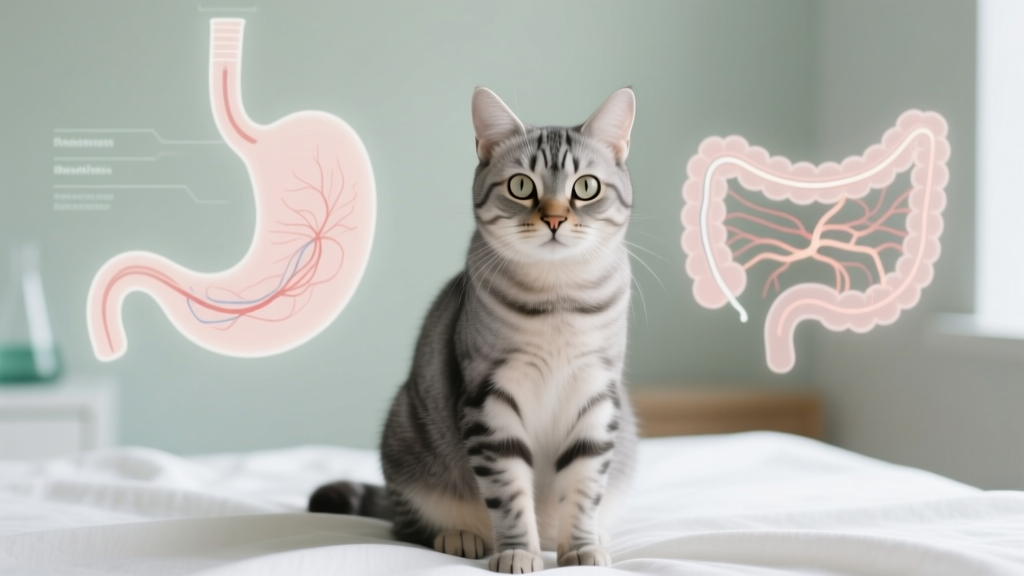
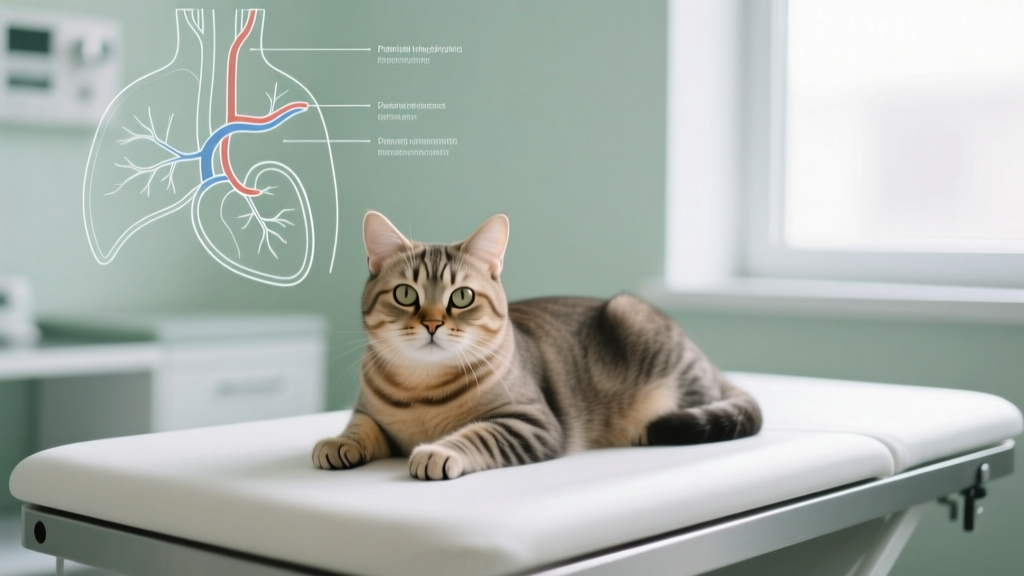
A congenital portosystemic shunt is an abnormal blood vessel a kitten is born with. Normally, blood from the intestines and spleen travels through the portal vein into the liver. The liver acts like a “filter and processing plant,” removing toxins (like ammonia), storing nutrients, and helping with digestion.
With a shunt, some or most of that blood bypasses the liver and flows directly into the general circulation. That means:
- The liver stays underdeveloped because it isn’t receiving normal blood flow.
- Toxins aren’t cleared efficiently, which can affect the brain and nervous system (hepatic encephalopathy).
- Nutrition and metabolism can be impaired, affecting growth, energy, and digestion.
There are two main congenital shunt locations:
- Extrahepatic shunt: The abnormal vessel is outside the liver. This is more common in cats than intrahepatic shunts.
- Intrahepatic shunt: The abnormal vessel is within the liver. These are less common in cats but can occur.
3. Symptoms and warning signs to watch for
Signs can be subtle at first, especially in young cats. Some cats have on-and-off symptoms that seem tied to meals or stress. Contact your veterinarian if you notice any of the following:
Common signs
- Poor growth or small size compared to littermates
- Low energy or lethargy
- Picky appetite or reduced appetite
- Weight loss or difficulty maintaining weight
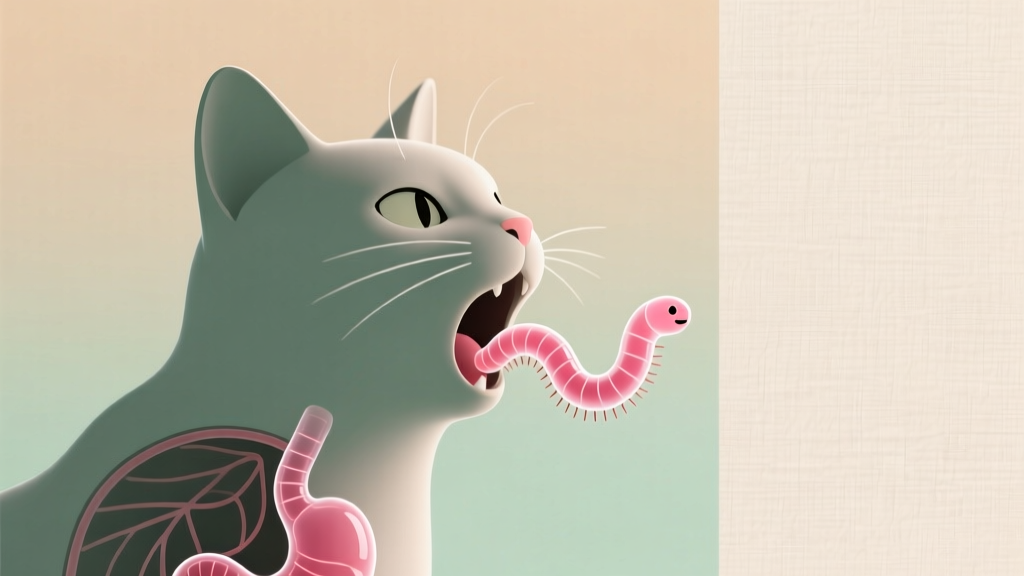
- Vomiting or diarrhea
Neurologic (brain-related) signs
- Disorientation or seeming “spaced out,” especially after eating
- Staring spells, aimless wandering, getting stuck in corners
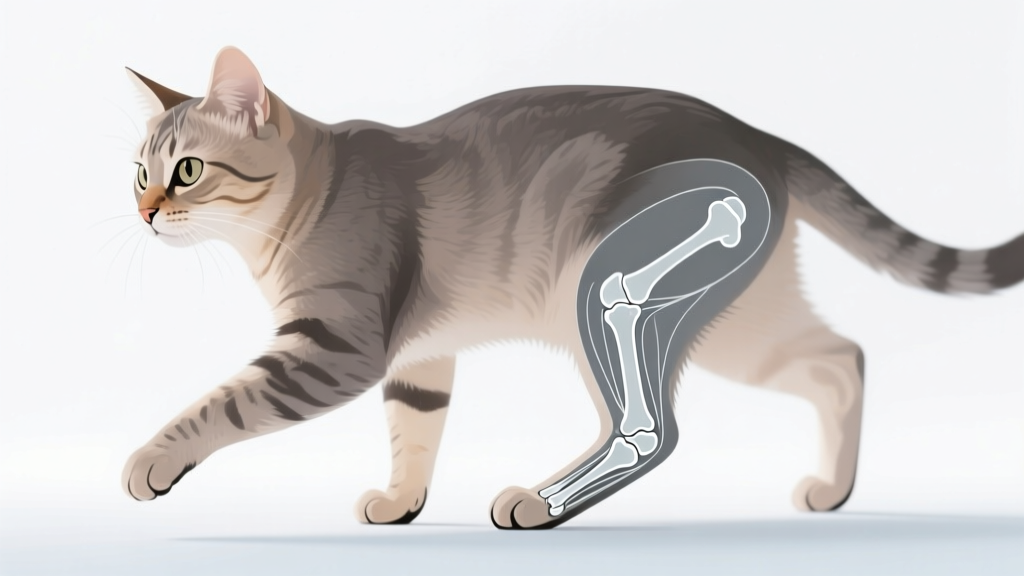
- Unsteady walking (wobbliness), weakness
- Behavior changes (unusual vocalizing, irritability)
- Seizures (these require urgent veterinary attention)
Urinary tract clues
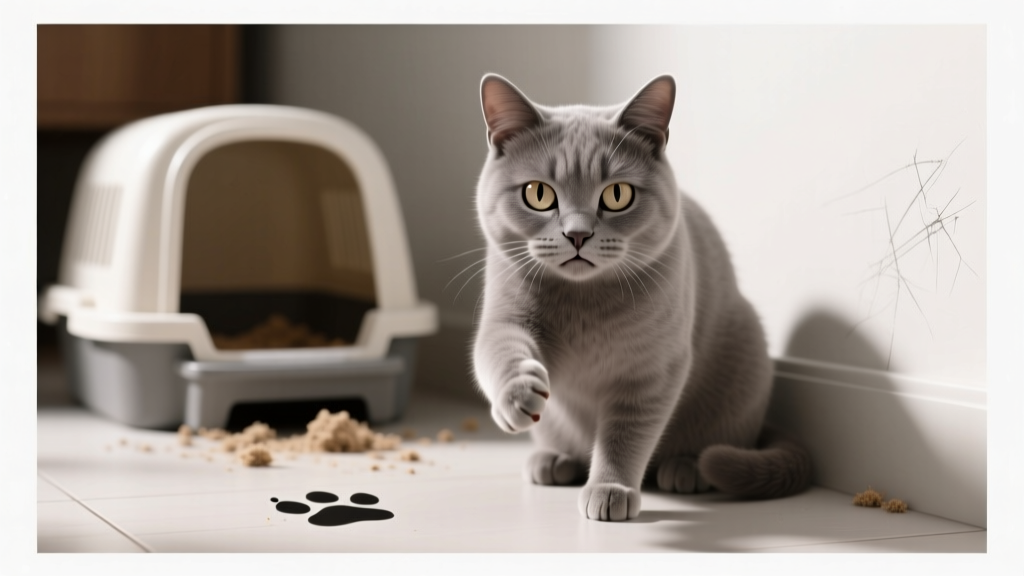
- Frequent urination or accidents outside the litter box
- Blood in the urine
- Straining to urinate
- History of bladder stones (certain types can be linked to liver shunts)
4. Causes and risk factors
Congenital PSS is a birth defect. It’s not caused by something you did at home, and it’s not contagious.
- Congenital origin: The abnormal vessel forms during fetal development.
- Breed tendencies: Shunts can occur in any cat, including mixed breeds. Some purebred lines may have higher incidence, but in cats the condition is still considered uncommon overall.
- Age: Many cats show signs as kittens or young adults, though milder cases can be diagnosed later.
There are also acquired shunts (secondary to severe liver disease and high blood pressure in the portal system), but this article focuses on congenital shunts. Your veterinarian will help differentiate between them because treatment and prognosis can differ.
5. Diagnosis: Methods and what to expect at the vet
Diagnosing a congenital shunt usually involves a combination of lab work and imaging. Your veterinarian may refer you to a specialty hospital for advanced imaging and surgery planning.
History and physical exam
- Growth history, appetite, GI issues, behavior changes, post-meal episodes
- Body condition and muscle mass
- Neurologic assessment if signs are present
Common lab tests
- Bloodwork (CBC and chemistry): May show low blood urea nitrogen (BUN), low glucose, low albumin, or abnormal liver values (sometimes only mild changes).
- Bile acids test: A key screening test. It measures how well the liver processes bile acids before and after a meal.
- Blood ammonia: Sometimes measured; can be elevated with shunts.
- Urinalysis: May show dilute urine or certain crystals; helps assess urinary tract health.
Imaging to confirm the shunt
- Abdominal ultrasound: Often the first imaging step. It can sometimes identify the shunt and evaluate liver size and bladder stones, but it may miss or poorly define some shunts.
- CT angiography (CT scan with contrast): Frequently considered the best tool to map the abnormal vessel and plan surgery.
- Nuclear scintigraphy: Available at some referral centers; can confirm abnormal blood flow patterns.
What this may look like for you
- Initial appointment with screening blood and urine tests
- Referral for CT angiography and surgical consult
- Pre-anesthetic testing to reduce risk and choose safe medications
If your cat is showing neurologic signs, your vet may recommend stabilizing with medical therapy before anesthesia and surgery.
6. Treatment options: Medical management, surgery, and home care
Treatment is individualized based on your cat’s shunt type, symptom severity, overall health, and access to specialty care. Many cats do best with a combination approach: medical stabilization first, then surgery when safe.
Medical management (often used before surgery, sometimes long-term)
Medical therapy aims to reduce toxin production and absorption from the intestines and support liver function.
- Prescription diet: Your veterinarian may recommend a liver-support diet with carefully managed protein. The goal is adequate nutrition without triggering neurologic signs.
- Lactulose: A medication that helps trap ammonia in the gut and speed its removal. It’s usually given by mouth; dose is adjusted to produce soft, formed stools.
- Antibiotics: Often used to decrease ammonia-producing gut bacteria (your vet will choose an appropriate option and duration).
- Anti-nausea or appetite support medications: If vomiting or poor appetite is present.
- Anti-seizure medications: If seizures occur, your veterinarian will tailor treatment and monitor closely.
Medical management can improve quality of life and reduce risk, but it usually does not fix the underlying abnormal vessel in congenital cases.
Surgical options (the focus of this article)
Surgery is intended to redirect blood through the liver by closing the abnormal vessel. In most cats, the shunt must be closed gradually rather than tied off completely in one step. This is because the liver and portal circulation may not tolerate a sudden change in blood flow.
1) Ameroid constrictor ring
- What it is: A small ring placed around the shunt vessel. It slowly swells over weeks, gently closing the vessel.
- Why it’s used: Gradual closure reduces the chance of portal hypertension (dangerously high pressure in the portal system).
- Best suited for: Many extrahepatic shunts, depending on vessel size and location.
2) Cellophane banding (thin film attenuation)
- What it is: A band of special material placed around the shunt to create slow scarring and gradual narrowing.
- Why it’s used: Also promotes gradual closure and is a common option in some surgical centers.
- Best suited for: Many extrahepatic shunts; the surgeon chooses the technique based on anatomy and preference.
3) Partial ligation (partial tie-off)
- What it is: The surgeon partially closes the shunt during surgery, leaving some flow to avoid portal hypertension.
- Considerations: Some cats need additional procedures or ongoing medical management if closure is incomplete.
4) Coil embolization or other interventional radiology techniques
- What it is: A minimally invasive approach using catheters and imaging guidance to place coils or devices that reduce shunt flow.
- Where available: Specialty centers with interventional radiology.
- Best suited for: Select cases; more commonly discussed for certain intrahepatic shunts in dogs, but some cats may be candidates depending on anatomy and expertise.
5) Intrahepatic shunt considerations
Intrahepatic shunts can be technically more challenging. Options may include specialized surgical approaches or interventional procedures. If your cat has an intrahepatic shunt, a referral surgeon will explain the safest plan based on CT findings.
Home care after diagnosis and surgery
At home, your role is essential. Practical steps you can start right away (while you arrange veterinary care):
- Feed only what your veterinarian recommends; avoid sudden diet changes and high-protein treats (freeze-dried meat treats, large amounts of fish, organ meats) unless your vet approves.
- Keep a symptom diary: Note meals, medications, litter box habits, and any “spacy” episodes. Bring this to appointments.
- Prevent constipation and dehydration: Provide fresh water, consider vet-approved wet food, and monitor stool quality (especially if using lactulose).
- Use medications exactly as directed; don’t stop lactulose or antibiotics abruptly without guidance.
- Limit stress and rough play during recovery; follow activity restriction instructions carefully.
- Watch incision sites (if surgery was performed) for swelling, discharge, or licking; use an e-collar if directed.
7. Prevention strategies and early detection tips
You can’t prevent a congenital shunt from forming, but you can improve outcomes by catching it early and reducing complication risks.
- Schedule kitten wellness exams and mention any slow growth, GI upset, or unusual behavior.
- Ask about bile acids testing if your cat has unexplained neurologic signs, poor growth, or recurring GI issues.
- Don’t ignore urinary signs such as straining or blood in urine; shunt cats may be more prone to urinary crystals/stones.
- Choose responsible breeders when purchasing a purebred kitten; ask about health screening practices and whether congenital liver shunts have occurred in related cats.
8. Prognosis and quality of life considerations
Many cats experience major improvement after successful shunt attenuation, especially when treated before severe complications develop. Prognosis depends on factors such as shunt type, how sick the cat is at diagnosis, and whether the shunt can be effectively closed without causing portal hypertension.
What “doing well” may look like
- Better appetite and weight gain
- Improved energy and normal kitten/young cat behavior
- Resolution or reduction of neurologic episodes
- Fewer digestive upsets
Ongoing needs after surgery
- Recheck visits and bloodwork to monitor liver function and medication needs
- Possible continued diet changes or medications for weeks to months; some cats need long-term support
- Monitoring for seizures in the early post-operative period (your vet team will counsel you on risk and what to watch for)
Quality of life is often very good when cats are properly managed. If surgery isn’t possible, many cats can still have meaningful, comfortable lives with consistent medical management and monitoring, though long-term expectations should be discussed honestly with your veterinarian.
9. When to seek emergency veterinary care
Seek urgent care the same day (or immediately) if you notice:
- Seizures, collapse, or loss of consciousness
- Severe disorientation, inability to walk, or sudden extreme behavior changes
- Repeated vomiting or inability to keep down water/medications
- Signs of urinary blockage (straining with little/no urine, crying in the litter box, frequent trips)
- Severe lethargy or weakness that is new or rapidly worsening
- Post-surgery concerns such as pale gums, trouble breathing, a very swollen abdomen, persistent bleeding, or incision opening
If you’re unsure, call your veterinarian or the nearest emergency clinic. With liver shunts, early intervention can prevent complications from becoming more serious.
10. FAQ: Common questions from cat owners
Can my cat live a normal life with a congenital portosystemic shunt?
Many cats can, especially if the shunt is corrected surgically and complications are managed early. Some cats may need ongoing diet adjustments or medications, but they can still enjoy a great quality of life. Your veterinarian can provide a realistic outlook based on your cat’s test results and shunt type.
Is surgery always necessary?
Surgery is often the best chance for long-term correction in congenital cases, but it isn’t the right choice for every cat. Some cats are managed medically due to other health issues, shunt anatomy, cost considerations, or limited access to specialty surgery. A veterinary surgeon can explain expected outcomes for your cat’s specific situation.
What are the risks of shunt surgery?
All surgery and anesthesia carry risk, and shunt surgery has specific concerns such as portal hypertension (too much pressure in the portal system) and post-operative neurologic issues, including seizures. Choosing an experienced surgical team, stabilizing with medical therapy first when indicated, and following post-op instructions closely can reduce risk.
How long is recovery after shunt surgery?
Many cats stay in the hospital for monitoring after surgery, then continue recovery at home for several weeks. Activity restriction, medication schedules, and recheck testing are common. Your vet will tell you what milestones to expect and when to adjust diet or medications.
Will my cat still need a special diet after surgery?
Some cats can transition to a more typical diet over time, while others do best staying on a liver-support diet long-term. Diet changes should always be guided by your veterinarian, based on follow-up lab work and your cat’s symptoms.
What should I do today if I suspect a shunt?
Schedule a veterinary appointment and share specific examples of what you’ve noticed (timing around meals, litter box changes, growth concerns, neurologic episodes). If your cat is currently disoriented, having seizures, or very weak, seek emergency care. Until you’re seen, avoid high-protein treats and do not start over-the-counter supplements or medications unless your veterinarian instructs you to.
If your cat has been diagnosed with a congenital portosystemic shunt, you’re not alone—and you don’t have to figure it out by yourself. Partner closely with your primary veterinarian and, when recommended, a veterinary internal medicine specialist or surgeon for the safest plan. For more cat health guides written for caring cat owners, visit catloversbase.com.