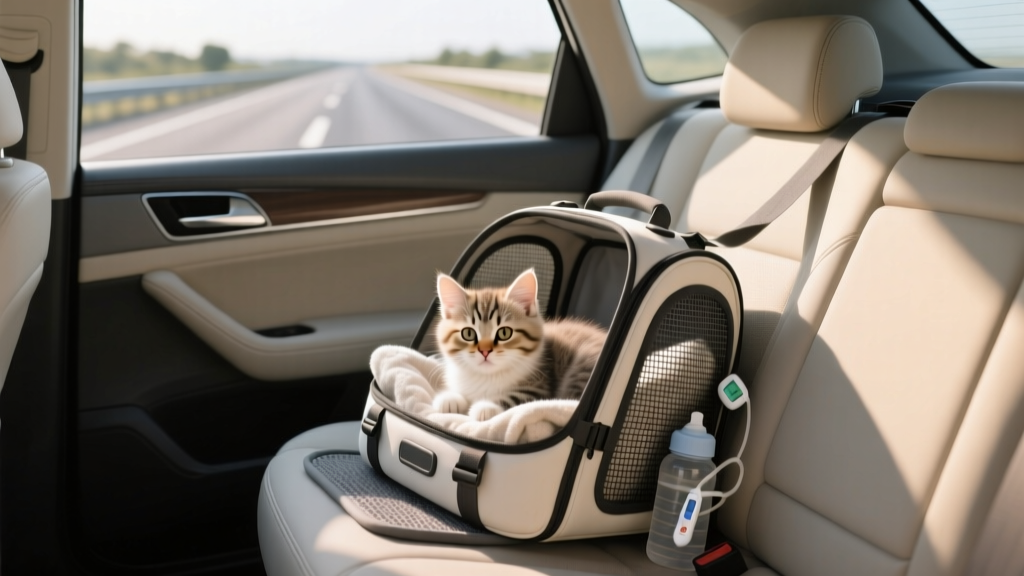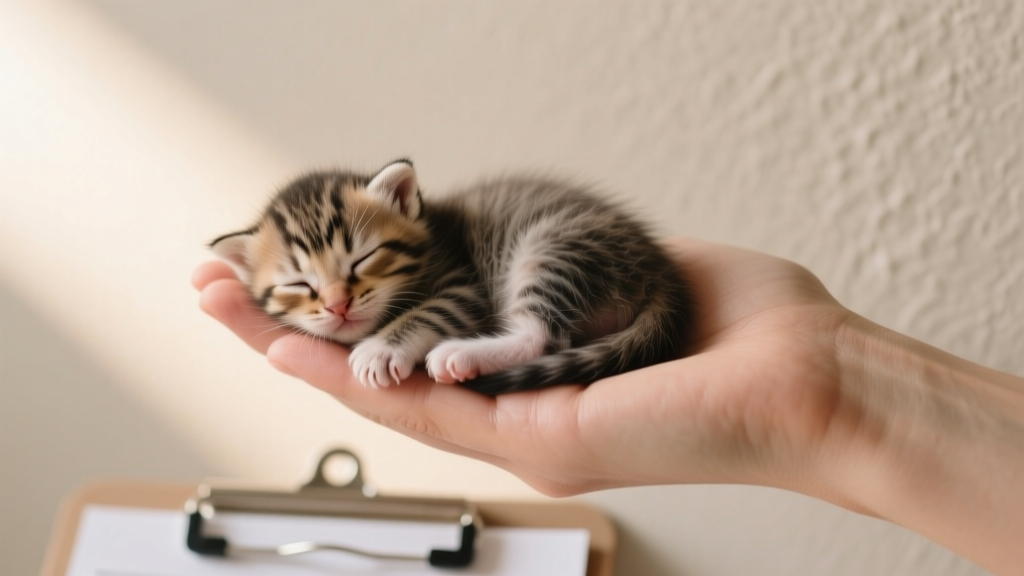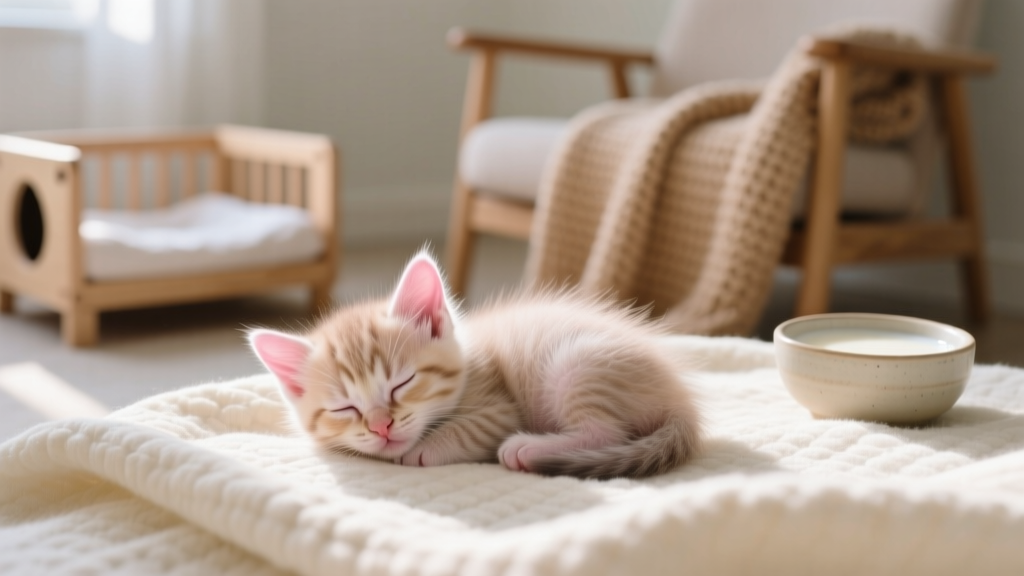
How to Care for a Kitten You Found: A Step-by-Step Emergency Protocol (Vet-Reviewed) That Saves Lives in the First 72 Hours — Don’t Skip Step #3
What to Do the Moment You Find a Kitten — Before You Even Pick It Up
If you’re searching how to care for a kitten you found, you’re likely holding a tiny, trembling life in your hands—or standing over one that’s too weak to meow. This isn’t just about kindness; it’s an urgent medical triage situation. Neonatal kittens (under 4 weeks) have zero ability to regulate body temperature, digest food independently, or fight infection. Without intervention within hours, hypothermia, dehydration, or sepsis can be fatal. According to Dr. Sarah Wooten, DVM and clinical advisor for the American Veterinary Medical Association (AVMA), "More than 60% of unassisted orphaned kittens under two weeks old die within 48 hours—not from disease, but from preventable cold stress and starvation." This guide walks you through evidence-based, vet-approved actions—starting with what to assess *before* you touch the kitten, and ending with how to transition them safely to adoption or foster care.
Step 1: Assess Safety & Stabilize Body Temperature (Minutes 0–15)
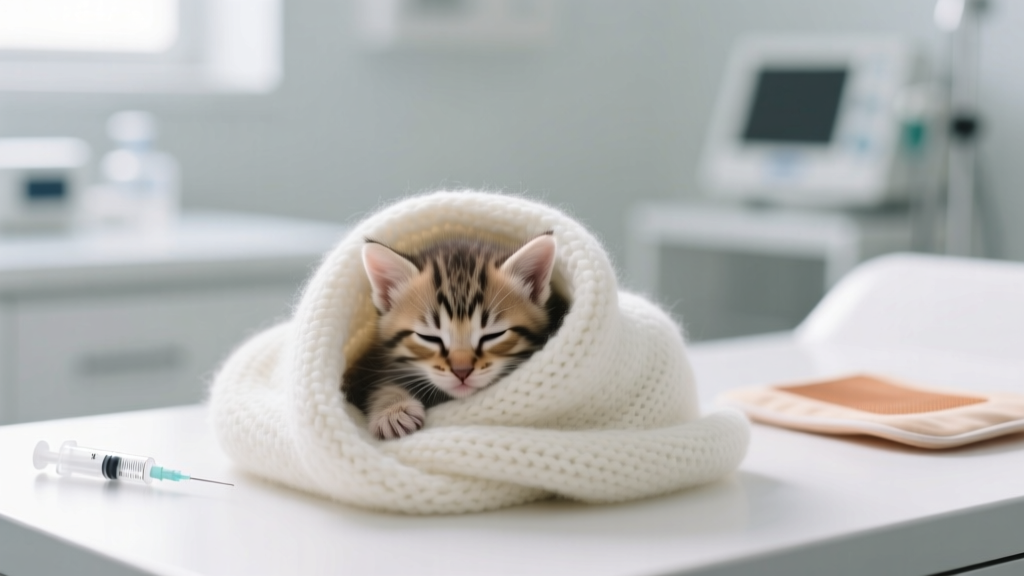
Never assume a silent, still kitten is ‘just sleeping.’ Hypothermia is the #1 killer of found kittens—and it’s often invisible until it’s too late. First, observe from 3 feet away: Is the kitten breathing? Are its gums pink (not gray or blue)? Is it shivering—or completely limp? If it’s cold to the touch (<99°F rectally) or unresponsive, skip feeding and go straight to warming.
Do NOT use heating pads, hair dryers, or direct heat sources—they cause burns or thermal shock. Instead, use a ‘warmth sandwich’: wrap a hot water bottle (tightly sealed, wrapped in two layers of towel) and place it in a small box lined with soft fleece. Gently tuck the kitten beside—not on top of—the bottle, cover loosely with another towel, and monitor every 5 minutes. Aim to raise its temperature by no more than 1°F per 10 minutes. Once rectal temp reaches 99–100°F, you may proceed to hydration.
Real-world example: Last spring, a Portland teacher found three 10-day-old kittens behind a dumpster—two were already stiff and non-responsive. She warmed the third using this method for 22 minutes before administering electrolyte solution. That kitten, now named ‘Ember,’ is thriving in a foster home. The others did not survive—because warming was delayed.
Step 2: Hydrate & Feed Safely (Hours 1–6)
Dehydration sets in fast—within 2–4 hours in neonates. Signs include sunken eyes, ‘tenting’ skin (pinch the scruff; if it stays peaked >2 seconds), and lethargy. Never give cow’s milk, almond milk, or human baby formula. These lack essential nutrients and cause fatal diarrhea.
Use only a commercial kitten milk replacer (KMR) or similar (e.g., PetAg KMR, Breeder’s Edge Foster Care). Warm it to 95–100°F (test on your inner wrist—it should feel neutral, not warm). Feed with a 1–3 mL syringe (no needle) or nursing bottle fitted with a #00 or #0 nipple. Hold the kitten upright (never on its back) at a 45-degree angle, and drip milk slowly—1 drop per second—to avoid aspiration pneumonia.
Feeding schedule by age:
- 0–1 week: 2–3 mL per feeding, every 2 hours (including overnight)
- 1–2 weeks: 5–7 mL per feeding, every 3 hours
- 2–3 weeks: 8–10 mL per feeding, every 4 hours + introduce shallow dish for lapping
- 3–4 weeks: Begin gruel (KMR + high-quality wet kitten food, mashed to oatmeal consistency)
After each feeding, gently stimulate elimination with a warm, damp cotton ball—rubbing the genital and anal area in circular motions for 30–60 seconds—until urine and stool appear. Kittens cannot urinate or defecate without stimulation until ~3 weeks old.
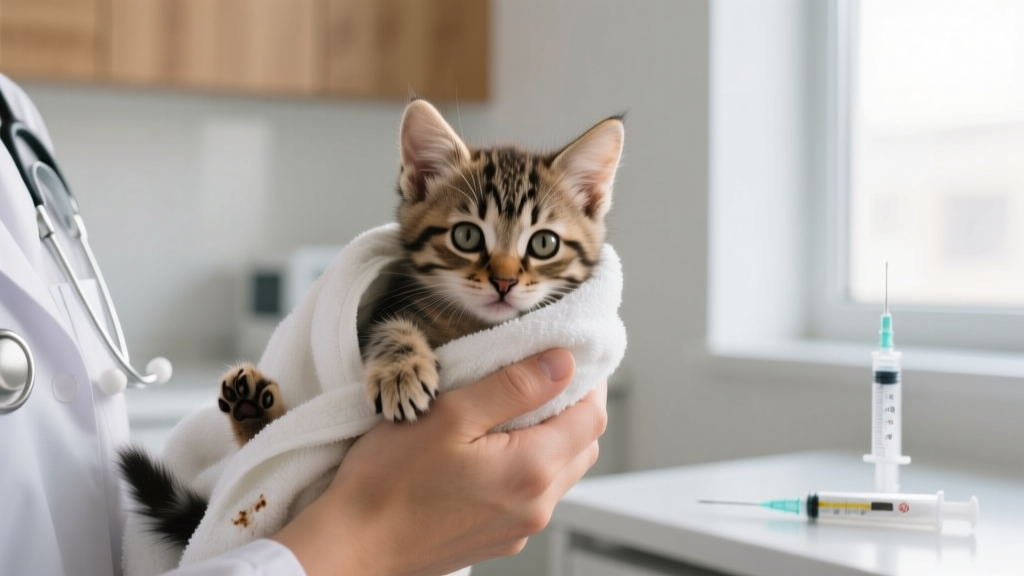
Step 3: Spot Hidden Health Threats & Know When to Call the Vet (Within 24 Hours)
Even if the kitten seems alert and feeding well, internal threats may be brewing. Here’s what to check daily—and what demands *immediate* veterinary attention:
- Respiratory distress: Open-mouth breathing, nasal discharge, or wheezing = possible upper respiratory infection (URI), which kills 30% of untreated neonates within 72 hours.
- Pale or yellow gums: Indicates anemia or liver shunt—both require diagnostics like PCV (packed cell volume) blood tests.
- Bloody or black tarry stool: Signals intestinal parasites (e.g., hookworms) or bacterial infection (e.g., Clostridium).
- No weight gain: Neonates should gain 7–10g/day. Weigh daily on a gram-scale. Failure to gain for 24+ hours = urgent red flag.
Dr. Emily Wynn, DVM and founder of the Feline Outreach Rescue Network, emphasizes: "A single fecal float test can detect roundworms, coccidia, and giardia—and deworming must begin *before* day 14. Over-the-counter ‘kitten dewormers’ are often underdosed or ineffective against key species. Prescription fenbendazole is the gold standard—and it’s safe even in 2-week-olds when dosed correctly."
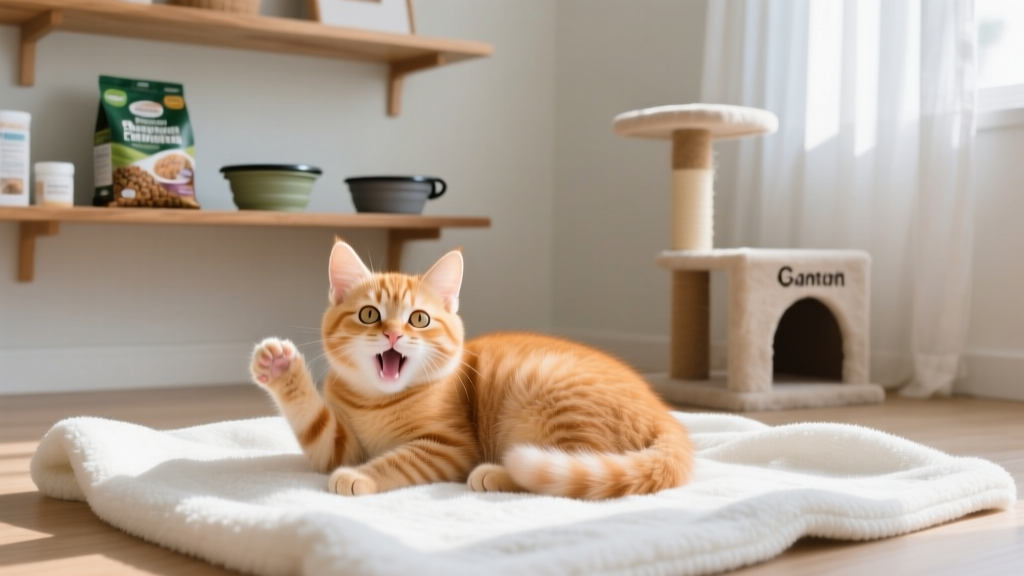
Step 4: Socialization, Litter Training & Transition Planning (Days 3–14+)
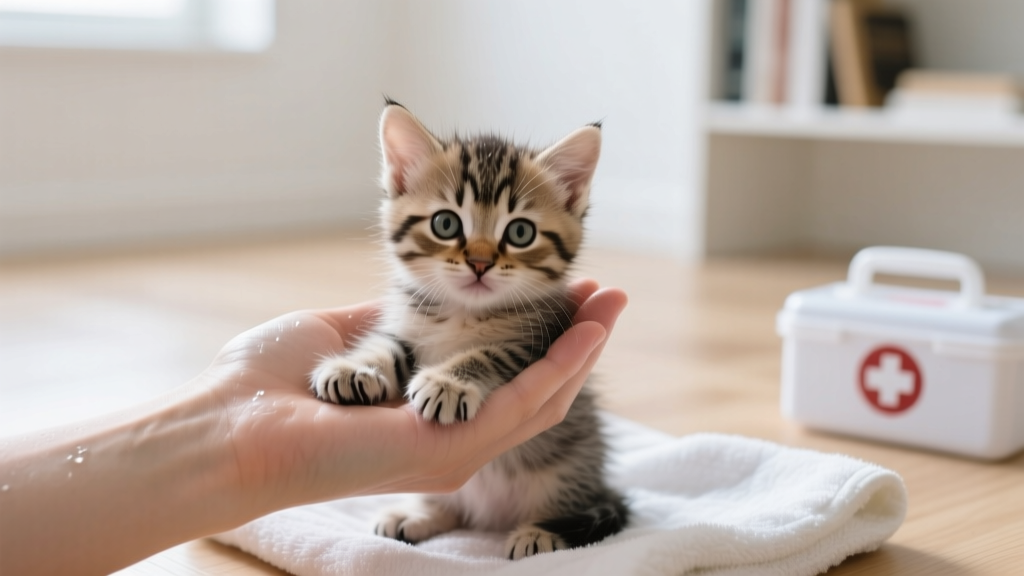
Once medically stable, socialization becomes critical—but timing matters. Start gentle handling at day 3–5: hold for 5 minutes, 3x/day, while speaking softly. Introduce new textures (crinkly paper, soft brushes) and sounds (recorded vacuum hums at low volume) between days 7–14. This window closes sharply at 7 weeks: kittens not handled by then develop lifelong fear of humans.
Litter training begins at ~3 weeks. Use shallow, unscented, clumping-free litter (paper pellets or non-clay options like Yesterday’s News) in a low-sided container. Place kitten in litter box after every meal and upon waking. Reward with gentle praise—not treats (digestive systems aren’t ready).
But here’s what most guides omit: You are not obligated to keep the kitten. If resources are limited, contact local rescues *immediately*. Many accept neonates with same-day intake—especially if you’ve stabilized them. Keep records: feeding logs, weights, stool consistency, and photos. This documentation increases placement speed by up to 70%, per Best Friends Animal Society’s 2023 Foster Intake Report.
| Age Range | Critical Action | Tools/Supplies Needed | Vet Visit Required? |
|---|---|---|---|
| 0–24 hours | Stabilize temperature; assess hydration; initiate first feeding | Gram scale, warm water bottle, KMR, 1–3 mL syringe, soft towels | Yes—if hypothermic (<98°F), unresponsive, or showing respiratory signs |
| Day 2–3 | Begin parasite screening; start deworming (if vet-prescribed); track weight gain | Fecal sample container, digital scale, dewormer (fenbendazole), logbook | Yes—for fecal exam & first wellness check |
| Day 7–10 | Introduce gentle handling; begin environmental enrichment; monitor for eye opening (usually day 7–10) | Soft toys, cardboard boxes, low-noise recordings | No—unless signs of illness emerge |
| Week 3 | Start litter training; introduce gruel; begin weaning prep | Shallow litter box, paper-pellet litter, high-protein wet kitten food | No—unless diarrhea persists >24 hrs or weight loss occurs |
| Week 4+ | Full weaning; vaccine series begins (FVRCP at 6–8 weeks); spay/neuter consult | Kitten-safe toys, scratching post, carrier, vet records | Yes—for first vaccines & wellness exam |
Frequently Asked Questions
Can I feed a found kitten goat’s milk or soy milk as a temporary substitute?
No—neither is safe. Goat’s milk lacks adequate taurine and has imbalanced calcium:phosphorus ratios, leading to skeletal deformities. Soy milk contains phytoestrogens that disrupt endocrine development and causes severe osmotic diarrhea. In emergencies, use unflavored Pedialyte (diluted 50/50 with warm water) for *one feeding only*, then switch to KMR at first opportunity. Never exceed 2 mL per feeding with Pedialyte—it’s for hydration only, not nutrition.
What if the kitten’s eyes haven’t opened by day 14?
This is an emergency. Eyes normally open between days 7–14. Delayed opening suggests congenital defects, infection (e.g., feline herpesvirus), or severe malnutrition. Gently clean crust with sterile saline-soaked gauze—but do *not* force lids open. Contact a vet immediately: untreated conjunctivitis can cause corneal ulcers and blindness within 48 hours.
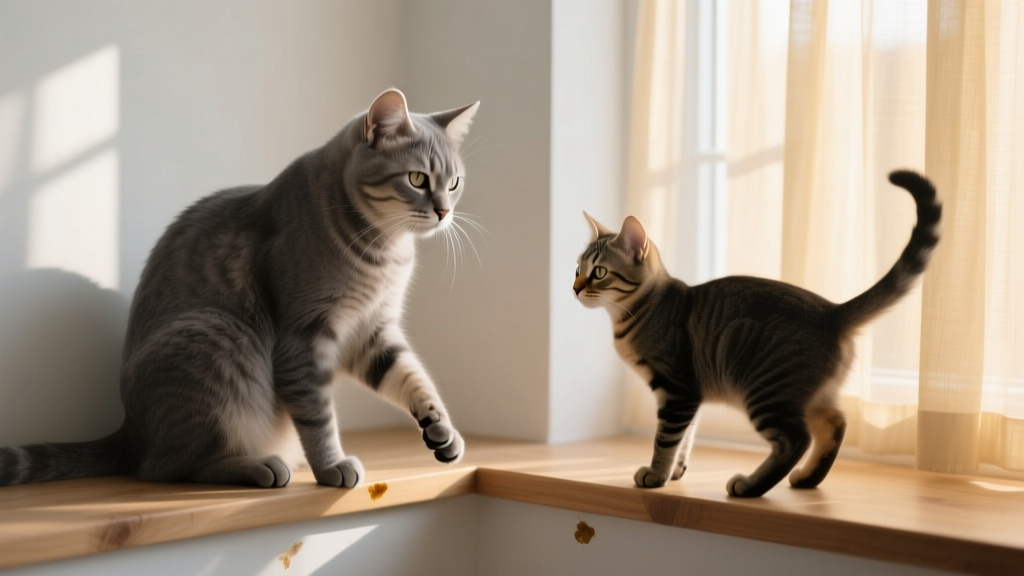
Should I separate the kitten from other pets in my home?
Absolutely—and quarantine for at least 10 days. Stray kittens carry high-risk pathogens: feline leukemia virus (FeLV), feline immunodeficiency virus (FIV), ringworm, and upper respiratory viruses. Keep them in a dedicated, easy-to-sanitize room (no carpet), use separate towels/food bowls, and wash hands thoroughly after handling. Test for FeLV/FIV only after 8 weeks—earlier tests yield false negatives.
Is it okay to bathe a found kitten to remove dirt or fleas?
No—bathing risks lethal hypothermia and stress-induced shock. For fleas, use only veterinarian-approved topical treatments (e.g., Revolution Plus, safe at 8 weeks) or fine-tooth flea combing over white paper (dip comb in soapy water after each pass). Dusting with food-grade diatomaceous earth is unsafe—it damages delicate lung tissue if inhaled.
How do I know if the kitten is truly orphaned—or just temporarily alone?
Observe from hiding for 2–4 hours (longer if quiet/cool). Mother cats often leave kittens for up to 4 hours to hunt or rest. If the kitten is warm, clean, and sleeping peacefully, wait. But if it’s crying constantly, cold, dirty, or covered in ants/maggots—intervene immediately. Note: Kittens under 3 weeks rarely survive >12 hours without maternal care.
Common Myths About Found Kittens
Myth #1: “If it’s not crying, it’s fine.”
False. A silent, lethargic kitten is often in advanced shock or hypothermia—far more dangerous than vocal distress. Always check temperature and gum color first.
Myth #2: “You need to find the mother before intervening.”
Not always—and waiting can cost lives. If the kitten is under 2 weeks, visibly ill, injured, or in immediate danger (e.g., traffic, rain, predators), act *now*. Reuniting attempts should never delay stabilization.
Related Topics (Internal Link Suggestions)
- Kitten Vaccination Schedule — suggested anchor text: "when to vaccinate a kitten"
- How to Tell a Kitten’s Age Accurately — suggested anchor text: "kitten age chart by weight and development"
- Feral vs. Stray Kitten Identification Guide — suggested anchor text: "is my kitten feral or socialized?"
- Best Kitten Milk Replacers Ranked by Veterinarians — suggested anchor text: "top vet-recommended kitten formula"
- Emergency Kitten Care Kit Checklist — suggested anchor text: "what to buy for a newborn kitten"
Your Next Step Starts Now — And It Takes Less Than 90 Seconds
You’ve just absorbed life-saving protocols used by shelter vets and neonatal foster specialists. But knowledge alone won’t warm a shivering kitten or stop dehydration. So here’s your immediate action: Grab a clean sock, fill it ¾ with uncooked rice, microwave for 20 seconds, and wrap it in a thin towel. That’s your instant warming tool—safe, accessible, and effective. While it cools, call your nearest no-kill rescue or veterinary clinic and say: “I found a kitten under [age]. Can you advise on intake or urgent triage?” Most will prioritize you—especially if you mention you’ve already started warming and have feeding supplies ready. Every minute counts—but you’ve already taken the hardest step: caring enough to seek the right help. Now go save a life.