Feline Steroid-Responsive Meningitis: Neck Pain and Fever
1. Why This Topic Matters to Cat Owners
When a cat suddenly seems painful, develops a fever, or stops moving their head and neck normally, it can be scary—and confusing. Cats are experts at hiding discomfort, so by the time you notice clear signs, they may already feel quite unwell. One condition that can cause dramatic symptoms like neck pain and fever is meningitis, which means inflammation around the brain and spinal cord.
“Steroid-responsive meningitis” describes a pattern where inflammation improves significantly when treated with corticosteroids (anti-inflammatory medications). While this type of illness is discussed more often in dogs, cats can also develop inflammatory conditions affecting the meninges (the protective layers around the brain and spinal cord) that may respond to steroids once infections and other causes are ruled out.
This article will help you understand what feline meningitis can look like, what your veterinarian may recommend, and how you can support your cat at home—without panic, and with practical next steps.
2. Overview: What Is Feline Steroid-Responsive Meningitis?
Meningitis is inflammation of the meninges. These tissues wrap around the brain and spinal cord like protective coverings. When they become inflamed, they can become painful and can interfere with normal nerve function.
In cats, meningitis can have several underlying causes, including infections (viral, bacterial, fungal, parasitic), immune-mediated inflammation, and less commonly cancer or extension of nearby inflammation. The term steroid-responsive is used when:
- Testing does not identify an active infection or another clear trigger, and
- The cat improves noticeably with steroid therapy (often prednisone/prednisolone or similar).
In plain language: the immune system may be causing inflammation in or around the nervous system, and steroids calm that immune-driven inflammation.
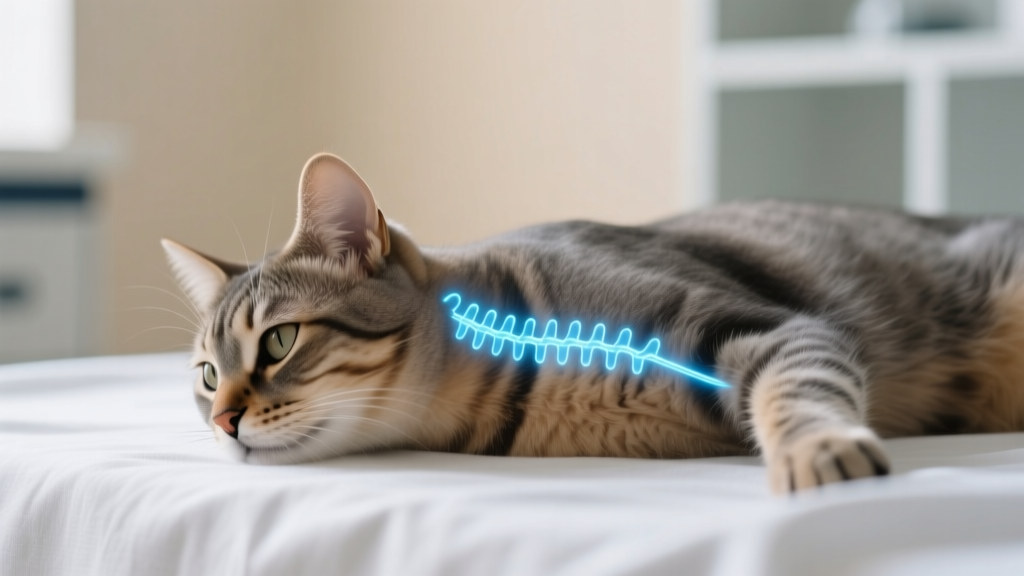
Why neck pain? The cervical spine (neck) contains the spinal cord and is surrounded by meninges too. Inflammation there can make turning the head, looking up/down, or being picked up very painful.
Why fever? Inflammation—whether due to infection or immune system overactivity—can trigger a fever as the body responds.
Key point: Steroids can be very helpful for immune-mediated inflammation, but they can be risky if an infection is present. That’s why proper veterinary evaluation matters so much.
3. Symptoms and Warning Signs to Watch For
Signs can vary depending on which areas of the nervous system are affected and how severe the inflammation is. Contact a veterinarian promptly if you notice any of the following.
Common signs reported with meningitis/meningoencephalitis in cats
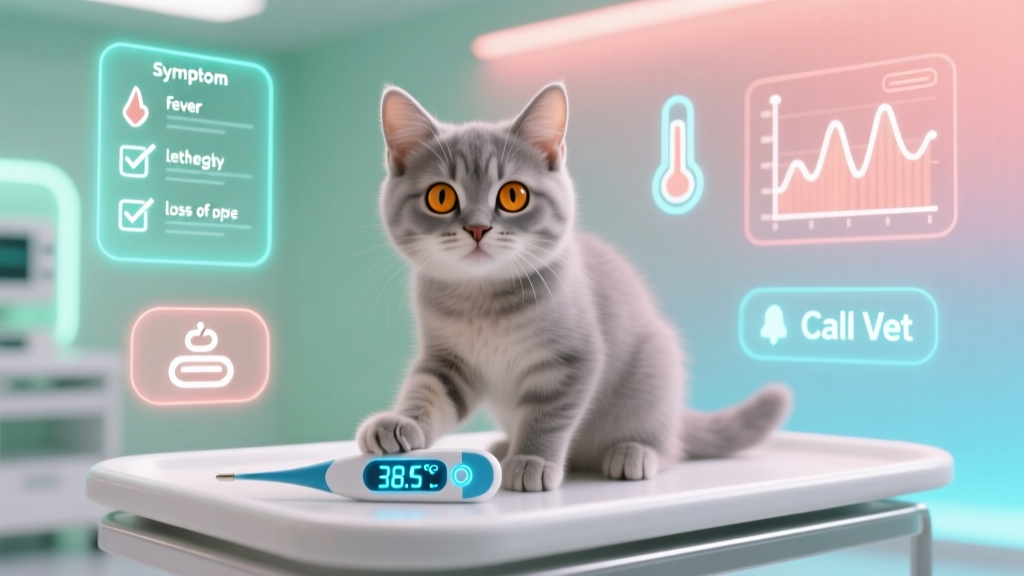
- Neck pain or stiffness (reluctance to turn the head, hunched posture, tense neck muscles)
- Fever (your vet will confirm with a rectal temperature)
- Lethargy or hiding more than usual
- Decreased appetite or not eating at all
- Crying out when picked up or when the head/neck is touched
- Reluctance to jump or move normally
Neurologic red flags (often more urgent)
- Unsteady walking (wobbliness/ataxia)
- Weakness in one or more limbs
- Abnormal eye movements or unusual pupil size
- Seizures
- Confusion, disorientation, or behavior changes
- Head tilt
What you can do immediately at home
- Limit activity: keep your cat in a quiet, small room to prevent jumping and worsening pain.
- Handle gently: support the chest and hind end; avoid flexing the neck.
- Do not give human pain medications (acetaminophen, ibuprofen, naproxen are dangerous for cats).
- Write down what you see: when it started, appetite changes, mobility changes, any falls/toxin exposure.
4. Causes and Risk Factors
Meningitis is a description of inflammation, not a single disease. Your veterinarian’s job is to find the most likely underlying cause and treat it safely.
Possible causes in cats
- Infectious causes
- Viral (including feline coronavirus; in some cats this is associated with FIP-related neurologic disease)
- Bacterial (including spread from bite wounds, abscesses, ear infections, or bloodstream infections)
- Fungal (varies by region; examples include cryptococcosis)
- Parasitic or protozoal (such as toxoplasmosis)
- Immune-mediated (inflammatory) disease where the immune system targets tissues inappropriately
- Neoplasia (cancer) affecting the nervous system or nearby structures
- Extension from nearby inflammation (severe dental disease, nasal disease, middle/inner ear infection)
- Trauma is more likely to cause pain without fever, but it may be considered in the history
Risk factors
- Young cats can be affected by infectious or inflammatory conditions.
- Outdoor access may increase exposure to infectious organisms, bite wounds, and parasites.
- Immunosuppression (from illnesses such as FeLV/FIV, certain medications, or chronic disease) can increase infection risk.
- Geography influences fungal risks (your vet will factor in your region).
5. Diagnosis: What to Expect at the Vet
Because steroids can mask infection and make some infections worse, your veterinarian will typically recommend diagnostic testing before starting—or very early during—immunosuppressive therapy.
Step 1: History and physical/neurologic exam
- When symptoms began, any fever noted at home, appetite changes
- Exposure risks (outdoor access, hunting, bites, toxin exposure, travel)
- Hands-on exam to check hydration, pain, lymph nodes
- Neurologic exam to localize where the problem may be (brain vs spinal cord vs peripheral nerves)
Step 2: Baseline lab work
- Complete blood count (CBC) to evaluate inflammatory patterns, anemia, white cell changes
- Chemistry panel to assess organ function before medications
- Urinalysis to evaluate hydration and kidney health
- Infectious disease testing as appropriate (FeLV/FIV, toxoplasma testing, fungal antigen tests, others based on region and signs)
Step 3: Imaging
- MRI is often the most helpful imaging test for brain/spinal cord inflammation.
- CT may be used if MRI isn’t available or if bony/ear disease is suspected.
- X-rays are less specific for meningitis but may help rule out other causes of pain.
Step 4: Cerebrospinal fluid (CSF) analysis
A spinal tap (CSF collection) can provide critical clues. It may show increased white blood cells and protein consistent with inflammation. In some cases, specific organisms or patterns help direct treatment. CSF collection requires anesthesia and is often done alongside MRI at specialty hospitals.
What owners can ask during the appointment
- “What are the top causes you’re worried about in my cat’s case?”
- “Do we need imaging/CSF testing before steroids?”
- “What signs at home would mean this is worsening?”
- “What is the plan for pain control and nausea/appetite support?”
6. Treatment Options (Medical, Surgical, Home Care)
Treatment depends on the underlying cause. When a veterinarian suspects steroid-responsive (immune-mediated) inflammation, the plan often includes steroids—sometimes along with other medications.
Medical treatment
- Corticosteroids (anti-inflammatory/immunosuppressive)
- Often prednisolone is used in cats (your vet will choose the dose and taper plan).
- The goal is to control inflammation and pain, then gradually taper to the lowest effective dose.
- Pain control
- Your vet may prescribe cat-safe analgesics. Pain control is not optional—neck pain can be intense.
- Antibiotics/antifungals/antiprotozoals
- Used when infection is suspected or confirmed (choice depends on test results and regional risks).
- Other immune-modulating medications
- If steroids alone aren’t enough or side effects are significant, a veterinarian (often a neurologist or internist) may add additional immunosuppressive drugs.
- Supportive care
- Fluids, anti-nausea medication, appetite stimulants, assisted feeding plans when needed
Surgical treatment
Surgery is not typical for “steroid-responsive meningitis” itself, but it may be needed if there is an underlying issue requiring correction, such as:
- Drainage of an abscess
- Treatment of severe middle/inner ear disease
- Biopsy of a mass if cancer is suspected
Home care and monitoring
- Strict rest during recovery: avoid stairs and jumping; use a large crate or small room if needed.
- Medication routine: give exactly as prescribed; do not stop steroids abruptly unless your vet tells you to.
- Hydration and nutrition
- Offer strong-smelling foods, warmed wet food, or vet-recommended recovery diets.
- Track how much your cat eats and drinks daily.
- Litter box adjustments: use a low-entry box to reduce painful movements.
- Watch for steroid side effects and report them:
- Increased thirst/urination
- Increased appetite
- Vomiting/diarrhea
- Behavior changes
- Worsening lethargy or new neurologic signs
7. Prevention Strategies and Early Detection Tips
Not all cases are preventable, especially immune-mediated inflammation. Still, you can reduce risk and catch problems earlier.
- Keep vaccinations current based on your veterinarian’s guidance.
- Reduce infectious exposure
- Consider indoor-only or supervised outdoor time.
- Use parasite prevention as recommended for your area and your cat’s lifestyle.
- Address wounds promptly: bite wounds and abscesses can lead to serious infections—seek care early.
- Manage chronic issues: dental disease, ear disease, and chronic sinus/nasal problems should be treated, not “watched.”
- Know your cat’s normal behavior: a subtle change (less jumping, hiding, reduced grooming) may be the earliest sign of pain or fever.
- Do quick weekly check-ins:
- Appetite and water intake
- Energy level
- Comfort being picked up
- Mobility (jumping, stairs)
8. Prognosis and Quality of Life Considerations
The outlook depends heavily on the underlying cause and how quickly treatment begins.
- Immune-mediated, steroid-responsive inflammation may respond well with appropriate therapy and careful tapering, though relapses can happen.
- Infectious causes range from very treatable (with the correct medications) to more complicated illnesses that require long-term therapy.
- Neurologic involvement (seizures, severe weakness, inability to walk) can mean a longer recovery and may affect prognosis.
Quality of life signs you can monitor
- Comfort: less crying, easier head/neck movement
- Daily function: walking steadily, using the litter box, grooming
- Interest in food, family, and normal routines
- Ability to rest comfortably without hiding constantly
Many cats do best with a partnership approach: you track progress at home, and your veterinarian adjusts medications based on response and repeat exams/testing.
9. When to Seek Emergency Veterinary Care
Go to an emergency clinic or contact your veterinarian immediately if your cat has:
- Seizures or collapse
- Sudden inability to walk, severe weakness, or persistent falling
- Severe pain (crying, growling, unable to get comfortable)
- Very high fever suspected (warm ears alone isn’t reliable—your vet can confirm)
- Difficulty breathing
- Not eating for 24 hours (or significantly less for more than a day), especially if combined with lethargy
- Rapid worsening of any neurologic sign (confusion, head tilt, abnormal eye movements)
If it’s after hours, an ER team can provide pain control and stabilization, and can coordinate advanced diagnostics if needed.
10. FAQ: Common Questions Cat Owners Ask
Is steroid-responsive meningitis contagious to other cats?
The inflammation itself is not contagious. However, some underlying infectious diseases that can cause meningitis may be transmissible (for example, certain viral infections). Your veterinarian can advise whether isolation is needed based on test results and household risk.
Can I give my cat leftover prednisone or pain medication at home?
Don’t start steroids or human pain relievers without veterinary direction. Steroids can worsen infections, and many human pain medications are toxic to cats. If your cat seems painful or feverish, schedule an urgent veterinary visit.
How long does treatment usually last?
It varies widely. Some cats improve quickly but still need a slow steroid taper over weeks to months to prevent relapse. Infectious causes may require longer targeted therapy. Your vet will tailor the plan to your cat’s response and test results.
Will my cat need an MRI or spinal tap?
Not every cat will, but advanced diagnostics are often recommended when neurologic signs are present or when initial testing doesn’t reveal a cause. MRI and CSF analysis can help distinguish infection, immune-mediated disease, and other conditions—guiding safer treatment.
What side effects should I watch for if my cat is on steroids?
Common side effects include increased thirst and urination, increased appetite, and mild behavior changes. Contact your veterinarian if you notice vomiting, diarrhea, black/tarry stool, severe lethargy, new neurologic signs, or any sudden decline.
Can cats fully recover?
Many cats can recover well, especially when treatment starts early and the underlying cause is treatable or truly steroid-responsive. Some cats may have recurrences and need longer-term management. Your veterinarian can give the most accurate prognosis after diagnostic results and response to therapy are known.
If your cat is showing neck pain, fever, or unusual neurologic signs, scheduling veterinary care promptly is the kindest and safest step. With the right diagnostics, pain control, and a tailored treatment plan, many cats can get back to comfortable, happy routines.
For more supportive, vet-guided cat health articles and practical care tips, visit catloversbase.com.