Feline Cholangitis: Liver Inflammation Types and Treatment
1. Why This Topic Matters to Cat Owners
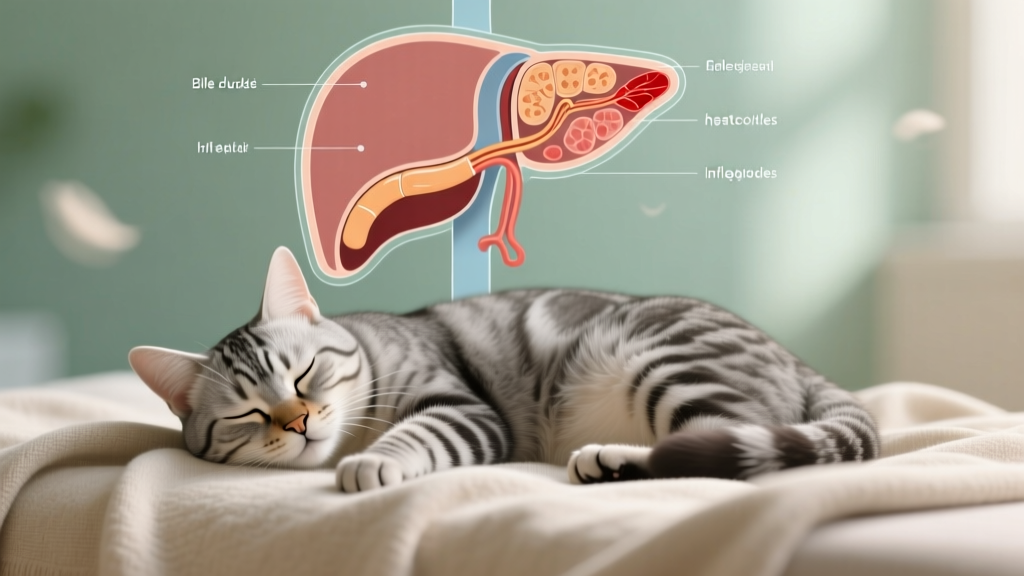
Your cat’s liver does a quiet, constant job: filtering toxins, processing nutrients, supporting digestion, and helping the body fight infection. When the bile ducts (the tiny “plumbing” that carries bile from the liver to the intestine) become inflamed, a condition called cholangitis can develop. In cats, cholangitis can make them feel very unwell—often with vague signs like poor appetite or vomiting that are easy to confuse with a simple stomach upset.
The good news is that many cats improve with timely veterinary care and appropriate treatment. Understanding the types of cholangitis, what symptoms look like at home, and what to expect at the vet helps you act early, reduce complications, and protect your cat’s quality of life.
2. Overview: What Is Feline Cholangitis?
Feline cholangitis refers to inflammation of the bile ducts in and around the liver. Because the liver tissue and bile ducts sit so close together, inflammation often involves both, which is why you may also hear terms like:
- Cholangitis (bile duct inflammation)
- Cholangiohepatitis (bile duct + liver inflammation)
- Cholecystitis (gallbladder inflammation)
In cats, veterinarians typically group cholangitis into a few main patterns. These patterns matter because they affect treatment choices and prognosis.
Common Types of Feline Cholangitis
-
Neutrophilic (bacterial) cholangitis
Often associated with bacterial infection. In many cats, bacteria are thought to move from the intestines up into the bile ducts. This type can be acute (sudden) or chronic (longer-term). -
Lymphocytic cholangitis
More often linked to immune-mediated inflammation rather than an active bacterial infection. It can develop slowly and may be associated with other inflammatory conditions. -
Chronic cholangitis with bile duct obstruction or fibrosis
Some cats develop scarring, thickened ducts, or impaired bile flow (cholestasis). This can occur as a complication of ongoing inflammation or other underlying problems.
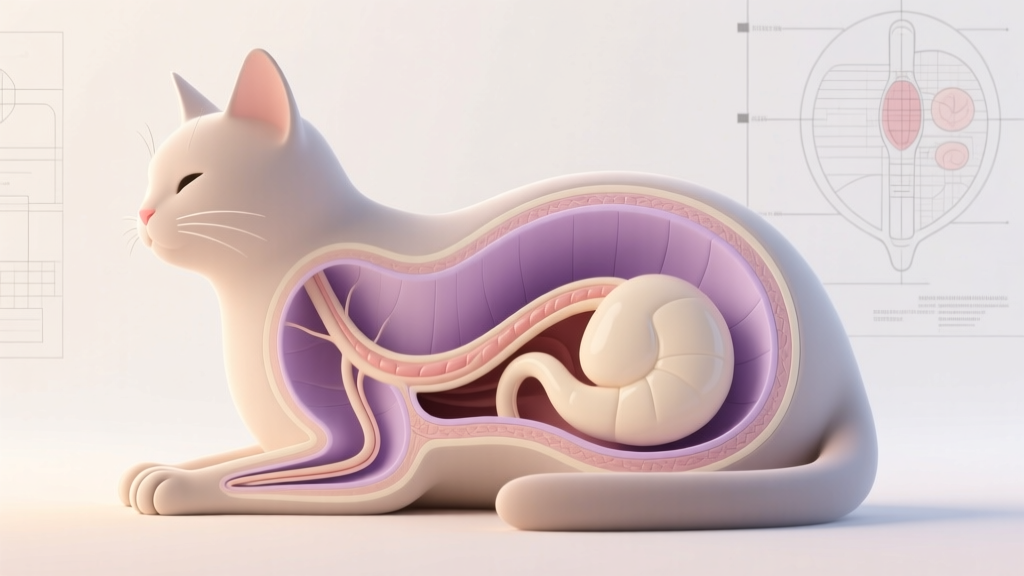
Cats have a unique anatomy where the bile duct and pancreatic duct often share an opening into the intestine. Because of this, cholangitis may occur alongside pancreatitis and inflammatory bowel disease (IBD). You may hear your vet call this combination “triaditis.”
3. Symptoms and Warning Signs to Watch For
Cholangitis can look like many other feline illnesses. Some cats show obvious signs, while others simply seem “off.” Contact your veterinarian if you notice any of the following, especially if symptoms last more than 24 hours.
Common Signs
- Reduced appetite or refusing food
- Lethargy, hiding, less interest in play or affection
- Vomiting (with or without bile)
- Weight loss
- Dehydration (tacky gums, sunken eyes, decreased skin elasticity)
- Fever (often noticed as warm ears/paws, low energy; confirmed at the vet)
- Diarrhea or soft stools (not always present)
Signs Related to Bile Flow Problems (Cholestasis)
- Jaundice: yellow tint to the whites of the eyes, gums, or inside the ears
- Dark urine and/or pale stools
- Abdominal discomfort: tense belly, reluctance to be picked up
Practical at-home checks you can do today
- Look at your cat’s gum color and the whites of the eyes in good light.
- Track appetite: how much eaten in 24 hours.
- Count vomiting episodes and note what it looks like.
- Monitor litter box output: urine amount, stool color/consistency.
- Weigh weekly if possible (a baby scale is ideal).
4. Causes and Risk Factors
Cholangitis isn’t caused by one single issue. Your vet’s job is to determine the most likely driver so treatment targets the root problem.
Potential Causes
- Bacterial infection traveling from the intestines into the bile ducts
- Inflammatory bowel disease and altered gut bacteria or inflammation
- Pancreatitis (shared duct opening may allow inflammation to spread)
- Gallbladder disease (inflammation, sludge, or rarely stones)
- Parasites (less common, varies by region and lifestyle)
- Immune-mediated inflammation (more suspected with lymphocytic cholangitis)
- Obstruction of bile flow due to thick bile, scarring, masses, or pancreatitis-related swelling
Risk Factors
- History of chronic vomiting or GI disease
- Previous episodes of pancreatitis
- Middle-aged to older cats (can occur at any age)
- Stress and poor appetite that can contribute to secondary liver problems (like hepatic lipidosis)
Always involve a veterinarian early. Cats can develop complications from not eating for even a few days, and liver conditions are a common reason.
5. Diagnosis: What to Expect at the Vet
Diagnosing cholangitis usually involves combining your cat’s history, a physical exam, lab work, and imaging. Because multiple organs can be involved, a step-by-step approach is common.
Typical Diagnostic Steps
- Physical exam: checking hydration, abdominal tenderness, fever, jaundice, body weight
- Bloodwork:
- CBC (white blood cells can rise with infection/inflammation)
- Chemistry panel (liver enzymes, bilirubin, protein levels)
- Electrolytes (important if vomiting or not eating)
- Urinalysis: helps interpret bilirubin and hydration status
- Coagulation tests: some liver conditions affect clotting; may be needed before biopsy
- Abdominal ultrasound: evaluates liver texture, bile ducts, gallbladder, pancreas, and intestines
More Specific Testing (When Needed)
- Bile culture (to identify bacteria and choose the best antibiotic)
- Liver sampling:
- Fine-needle aspirate (less invasive, limited detail)
- Biopsy (more definitive, may be done surgically or via laparoscopic methods)
If your cat is very sick or dehydrated, your vet may start supportive care right away (fluids, anti-nausea meds, pain relief) while diagnostics are ongoing. That’s a normal and often necessary approach.
6. Treatment Options (Medical, Surgical, and Home Care)
Treatment depends on the type of cholangitis, how ill your cat is, and whether complications (like obstruction) are present. Most cats need a combination of therapies.
Medical Treatment
-
Antibiotics (especially for suspected neutrophilic/bacterial cholangitis)
Your vet may start broad coverage and adjust based on culture results. Treatment often lasts weeks, not days. - Anti-nausea medications to reduce vomiting and improve appetite
-
Pain control
Liver and pancreatic inflammation can be painful. Cats often feel better and eat more when pain is managed appropriately. - Appetite stimulants (when appropriate) to prevent dangerous calorie deficits
- IV or subcutaneous fluids to correct dehydration and support circulation to the liver
-
Ursodeoxycholic acid (ursodiol)
Commonly used to improve bile flow and reduce bile-related inflammation. Not used in every case (for example, your vet may avoid it if a complete obstruction is suspected). -
Vitamin support
Some cats benefit from cobalamin (B12) if intestinal disease is involved, and other targeted supplements based on lab results. -
Immunosuppressive or anti-inflammatory therapy (more common with lymphocytic cholangitis)
Medications such as corticosteroids may be recommended when immune-driven inflammation is suspected. These decisions are individualized and require veterinary monitoring.
Nutritional Support (A Big Deal in Cats)
Nutrition is treatment. Cats that don’t eat are at risk for hepatic lipidosis (fatty liver), which can be life-threatening.
- Highly palatable, easy-to-digest diets as recommended by your vet
- Small, frequent meals to reduce nausea
- Assisted feeding if needed:
- Syringe feeding only if your vet advises it and your cat tolerates it safely
- Feeding tube (nasoesophageal or esophagostomy) can be a kind, temporary tool to provide calories and meds without daily battles
Surgical or Procedural Treatment
Surgery isn’t the first step for most cats, but it may be necessary if imaging suggests:
- Gallbladder problems (severe cholecystitis, suspected rupture, or significant obstruction)
- Bile duct obstruction that cannot be managed medically
- Masses or structural abnormalities requiring exploration/biopsy
Home Care Tips You Can Act On Immediately
- Give medications exactly as prescribed; do not stop antibiotics early even if your cat seems better.
- Keep a daily log: appetite, vomiting, stool, energy, meds given.
- Reduce stress: quiet room, consistent routine, easy access to food/water/litter box.
- Encourage hydration: water fountains, multiple bowls, vet-approved wet food.
- Never give human medications (especially acetaminophen) unless your veterinarian specifically directs you.
7. Prevention Strategies and Early Detection Tips
Not every case is preventable, but early detection and addressing related conditions can reduce risk and severity.
- Act quickly on appetite changes: if your cat eats noticeably less for 24 hours, call your vet.
- Manage chronic GI issues: repeated vomiting, weight loss, or diarrhea deserves a workup.
- Regular wellness exams and senior bloodwork (often annually or every 6 months for older cats).
- Keep your cat at a healthy weight with measured meals and playtime.
- Parasite prevention as recommended for your area and your cat’s lifestyle.
If your cat has had pancreatitis or IBD before, ask your veterinarian whether periodic monitoring (bloodwork and/or ultrasound) makes sense.
8. Prognosis and Quality of Life Considerations
Prognosis depends on the type of cholangitis, how quickly treatment begins, and whether other organs are involved.
- Neutrophilic (bacterial) cholangitis: many cats do well with the right antibiotic plan plus supportive care, though relapses can occur.
- Lymphocytic cholangitis: some cats require long-term management. With appropriate monitoring, many maintain a good quality of life.
- Cases with obstruction, advanced scarring, or severe triaditis: may be more complex and require ongoing medications, diet changes, and follow-up testing.
Quality of life markers to track
- Eating reliably (even if picky)
- Comfortable movement and normal grooming
- Stable weight
- Normal social behavior (or returning to normal for that cat)
- Minimal vomiting and good litter box habits
Plan on recheck visits. Follow-up bloodwork and sometimes repeat ultrasound help confirm that inflammation is improving and medications are safe and effective.
9. When to Seek Emergency Veterinary Care
Cholangitis can become serious quickly, and cats are experts at hiding how sick they feel. Seek urgent or emergency care if you notice:
- Not eating at all for 24 hours (or significantly reduced intake for more than a day)
- Repeated vomiting or inability to keep water down
- Yellow gums or eyes (jaundice)
- Severe lethargy, collapse, or weakness
- Labored breathing or open-mouth breathing
- Signs of pain: hunched posture, crying, hiding and reacting when picked up
- Dehydration (dry/tacky gums) or very little urine output
If you’re unsure, call your veterinary clinic or an emergency hospital for guidance. It’s always appropriate to ask whether your cat should be seen right away.
10. FAQ: Common Questions Cat Owners Ask
Can cholangitis go away on its own?
It’s unlikely and not a safe condition to “wait out.” Cats can deteriorate from dehydration, infection, or not eating, and the liver can be damaged over time. Prompt veterinary assessment gives your cat the best chance for a smooth recovery.
Is feline cholangitis contagious to other cats?
No, cholangitis itself is not considered contagious. If an underlying infectious cause is suspected (rare in most households), your vet will advise you on any necessary precautions.
Will my cat need to be hospitalized?
Some cats can be treated at home, but hospitalization is common if your cat is dehydrated, vomiting frequently, jaundiced, or not eating. In-hospital care allows IV fluids, injectable medications, and close monitoring.
How long does treatment usually last?
It varies. Antibiotics for suspected bacterial cholangitis may be prescribed for several weeks. Chronic or immune-mediated cases can require longer-term medication and periodic rechecks. Your veterinarian will tailor the plan based on response and lab trends.
What should I feed a cat with cholangitis?
Follow your veterinarian’s diet recommendation, especially if pancreatitis or IBD is also present. In general, the best diet is one your cat will reliably eat while supporting digestion. If your cat refuses food, call your vet quickly—nutrition is a medical priority.
Could this come back after treatment?
Relapses can happen, especially if there’s ongoing intestinal or pancreatic inflammation. Keeping up with rechecks, giving medications exactly as prescribed, and addressing chronic GI signs early can reduce recurrence risk.
If your cat is showing signs that worry you—poor appetite, vomiting, jaundice, or unusual tiredness—schedule a veterinary visit. Early care is the most practical way to protect your cat’s liver health and comfort.
For more cat health guides, symptom check tips, and supportive care resources, visit catloversbase.com.