How to Take Care of a Kitten After Spaying: The 72-Hour Recovery Checklist Every New Owner Needs (So You Don’t Miss Warning Signs or Accidentally Delay Healing)
Your Kitten Just Had Surgery — Here’s Exactly What Comes Next
If you’re searching for how to take care of a kitten after spaying, you’re likely holding a sleepy, groggy little one in your arms right now — equal parts relieved the surgery is over and deeply anxious about what comes next. That’s completely normal. Spaying is one of the safest and most common surgeries for kittens, but recovery isn’t ‘set it and forget it.’ In fact, the first 72 hours are critical: 83% of post-op complications (like incision dehiscence or infection) begin within this window, according to the American Veterinary Medical Association’s 2023 Small Animal Post-Operative Surveillance Report. This guide walks you through every phase — not just what to do, but *why*, *when*, and *what danger signs mean* — so you can provide calm, confident, evidence-backed care.
Phase 1: The First 24 Hours — Rest, Monitoring & Pain Control
Your kitten will likely be drowsy, unsteady, or even mildly disoriented for up to 24 hours after anesthesia. This isn’t ‘just tiredness’ — it’s residual anesthetic metabolites still clearing from her system. According to Dr. Lena Torres, DVM and feline specialist at the Cornell Feline Health Center, “Kittens metabolize anesthetics faster than adults, but their smaller body mass means even tiny fluctuations in temperature or hydration hit them harder.” So prioritize safety *first*.
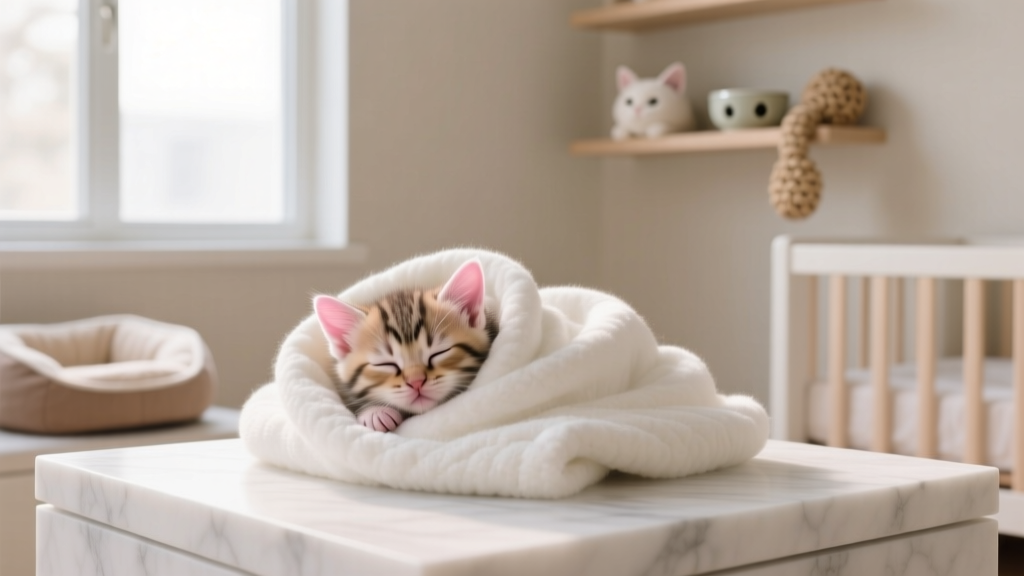
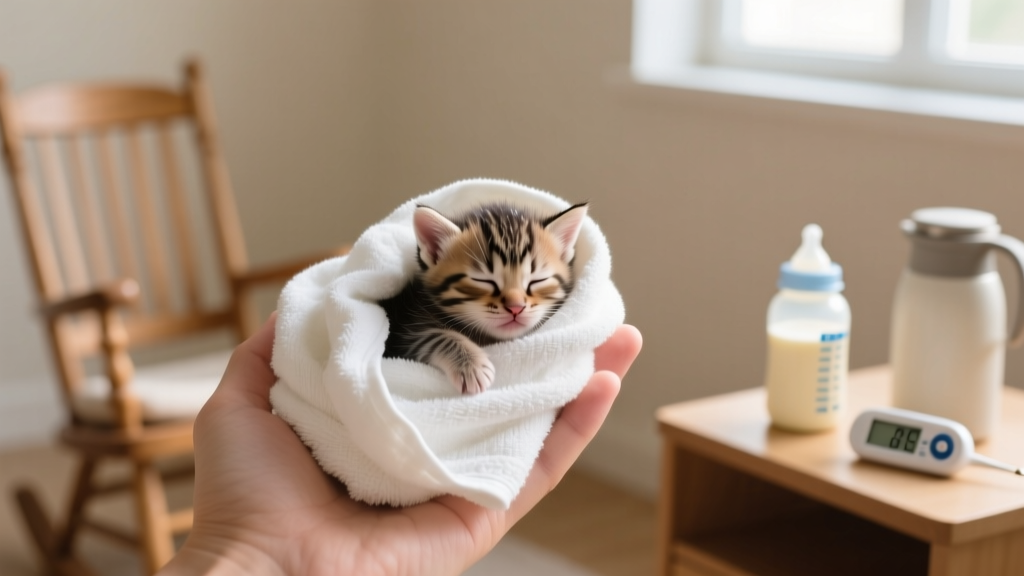
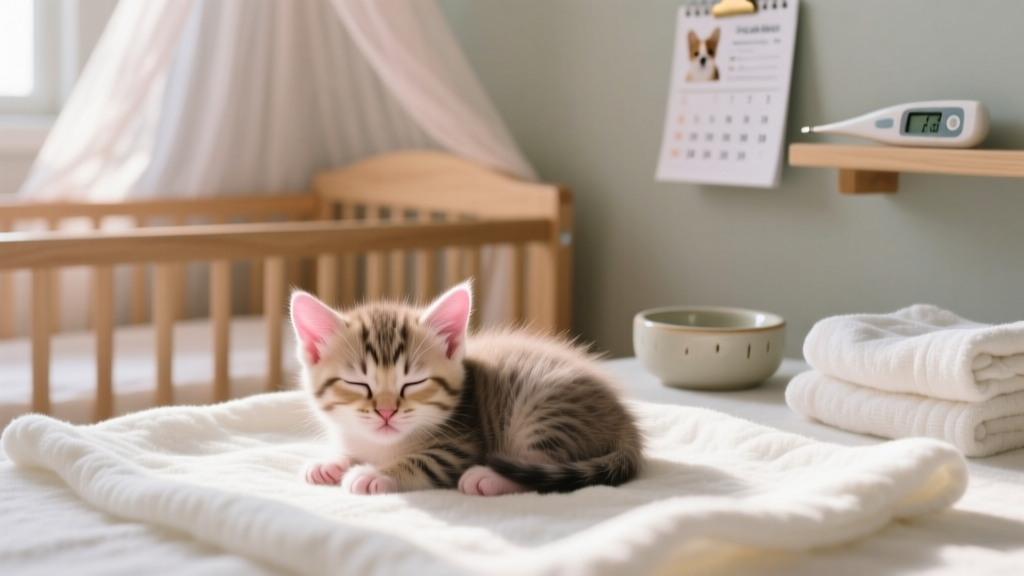
Set up a quiet, low-traffic recovery zone: a cardboard box lined with soft, non-fraying fleece (no loose threads!) placed inside a closed bathroom or spare room — no stairs, no other pets, no children. Keep ambient temperature between 72–78°F (22–26°C); kittens lose heat rapidly post-surgery and cannot shiver effectively until ~12 weeks old. Use a warm (not hot) rice sock wrapped in a towel if she feels cool to the touch — never heating pads or electric blankets.
Pain management is non-negotiable. Your vet should have sent home prescription NSAIDs (e.g., meloxicam) or buprenorphine. Never give human painkillers like ibuprofen or acetaminophen — these are fatal to cats. Watch for subtle pain cues: flattened ears, hunched posture, reluctance to stand, excessive licking at the incision, or hiding more than usual. If she cries out when touched near her belly or refuses food/water by hour 18, contact your vet immediately — under-treatment of pain delays healing and increases stress hormones that suppress immunity.
Phase 2: Days 2–3 — Incision Checks, Mobility & Feeding Adjustments
By day two, your kitten may start showing curiosity again — but don’t rush her back to normal activity. Jumping, twisting, or vigorous play risks pulling sutures or reopening the incision. A study published in the Journal of Feline Medicine and Surgery (2022) found that 68% of suture-related complications occurred when owners allowed unrestricted movement before day 5.
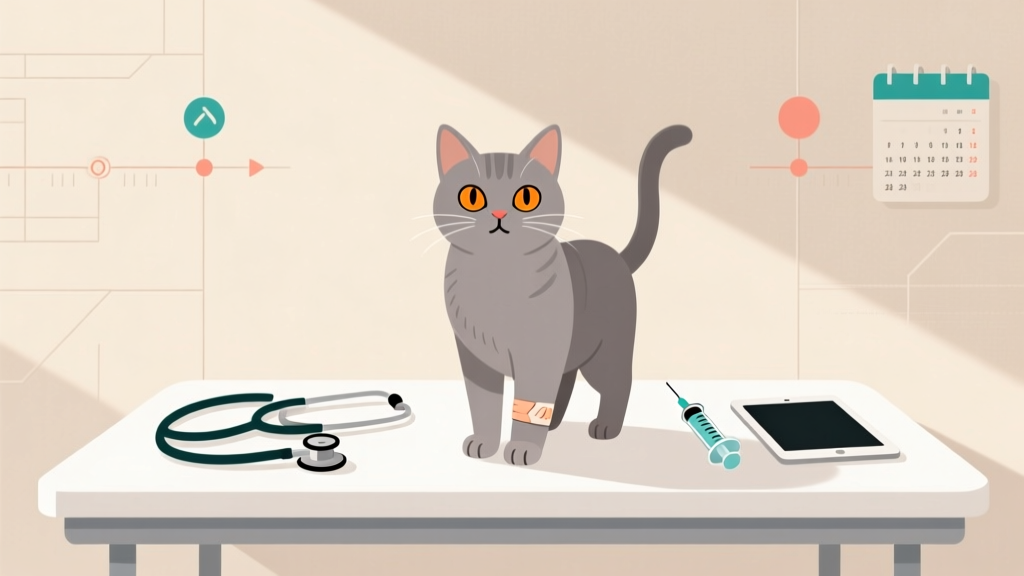
Perform incision checks twice daily using clean hands and good lighting. Look for: normal — slight pinkness, minimal clear-to-amber discharge (not pus), tiny scab edges, no swelling beyond ½ inch around the site. red flags: green/yellow discharge, foul odor, bleeding that soaks through gauze, swelling larger than a grape, or skin that feels hot or hard to the touch. If you see any red flag, call your vet *before* waiting for your follow-up appointment.
Feeding needs adjustment too. Offer small, frequent meals (¼ tsp of wet food every 2–3 hours) starting 4–6 hours post-op. Many kittens experience mild nausea from anesthesia; bland, warmed pate-style food (like plain chicken or turkey baby food — check labels for no onion/garlic) often works best. Avoid dry kibble for 48 hours — it’s harder to digest and may cause dehydration. Hydration is key: add 1–2 drops of unflavored Pedialyte to water or offer water via syringe (0.5 mL slowly, behind cheek) if she’s reluctant to drink.
Phase 3: Days 4–7 — Gradual Reintroduction & Behavioral Shifts
This is where many owners misstep — assuming ‘she’s acting fine’ means full recovery. Hormonal shifts post-spay aren’t instantaneous. Estrogen and progesterone levels drop sharply, which can temporarily affect mood, appetite, and sleep cycles. You might notice increased clinginess, mild lethargy, or even brief episodes of vocalization at night — especially in kittens spayed before 16 weeks, whose developing nervous systems respond more acutely to hormonal flux.
Gradually reintroduce low-stimulus interaction: 5-minute petting sessions (avoid belly rubs!), gentle brushing, and soft talking. No chasing, no laser pointers, no cat trees — keep toys on the floor only. By day 5, short (2–3 minute) supervised floor time in her recovery room is okay if she’s bearing weight confidently. But if she stumbles, sits abruptly, or licks her incision repeatedly, scale back and rest another 24 hours.
Also watch for litter box behavior. Some kittens avoid boxes due to discomfort or scent aversion (surgical antiseptics linger). Place a shallow, unscented litter box (cut down a plastic storage bin) right beside her bed for days 2–4. Use paper-based or pelleted litter (no clay or clumping — dust irritates incisions and tracks into wounds). If she hasn’t urinated within 24 hours of returning home, or produces less than 3 small clumps per day by day 3, contact your vet — urinary retention is rare but serious.
What to Expect: A Day-by-Day Recovery Timeline
| Day | Key Milestones | Red Flags Requiring Vet Contact |
|---|---|---|
| Day 0 (Surgery Day) | Rest, warmth, minimal handling. Offer water only. Monitor breathing rate (normal: 20–30 breaths/min). | Breathing >40/min, pale gums, vomiting >2x, no response to gentle touch. |
| Day 1 | Small meals offered. First incision check. May attempt slow walking. | No urination in 24 hrs, tremors, inability to stand, persistent crying. |
| Day 2–3 | Increased alertness. Gentle interaction OK. Litter box use expected. | Incision oozing pus/blood, swelling >1”, refusal to eat/drink for >12 hrs. |
| Day 4–5 | Playful moments return. May groom self (but not incision area). Sleep pattern normalizing. | Incision opens >¼”, foul odor, fever (>103.5°F rectally), sudden aggression or hiding. |
| Day 6–7 | Full appetite. Normal litter use. Sutures (if non-dissolving) typically removed today. | Any sign of infection persists or worsens. Lethargy returns without obvious cause. |
Frequently Asked Questions
Can I bathe my kitten after spaying?
No — absolutely avoid bathing, wiping, or applying any topical products (including hydrogen peroxide or alcohol) to the incision for at least 10 days. Moisture softens tissue and invites bacteria. If she gets dirty, gently dab the area with a sterile saline wipe — never scrub. Wait until sutures are fully dissolved or removed *and* the site is completely sealed (usually day 10–14) before any water exposure.
My kitten is licking her incision — should I use a cone?
Yes — and start immediately. Even one minute of focused licking can reopen a fragile incision. Use a soft, padded Elizabethan collar (‘E-collar’) sized for kittens (not adult cats). Soft fabric collars work for some, but rigid plastic is most reliable. Leave it on 24/7 until your vet clears removal — usually day 7–10. Removing it ‘just for meals’ is a top cause of re-injury.
When can my kitten go outside or meet other pets?
Wait a minimum of 14 days — and only after your vet confirms full healing. Outdoor exposure risks infection from soil bacteria and parasites. Introducing other pets should happen gradually: start with sniffing under a door for 2 days, then 5-minute supervised visual-only sessions with both animals leashed or crated. Never leave them unsupervised until day 14+ and only if your kitten shows zero stress signals (dilated pupils, tail flicking, flattened ears).
Is it normal for my kitten to seem ‘different’ emotionally after spaying?
Yes — but only temporarily. Hormonal recalibration takes 2–3 weeks. You may see reduced roaming drive, calmer play, or slightly increased affection. However, personality fundamentals (shyness, boldness, sociability) remain unchanged. If anxiety, hiding, or aggression lasts beyond 10 days or worsens, consult your vet — it could indicate unresolved pain or an underlying issue unrelated to surgery.
Common Myths About Kitten Spay Recovery
Myth #1: “If she’s eating and purring, she’s fine.”
Reality: Kittens mask pain instinctively — a survival trait. Purring can occur during distress (studies show purring frequencies promote bone/tissue repair, not just contentment). Appetite alone doesn’t rule out internal inflammation or incisional pain. Always pair behavior observation with physical checks and vet guidance.
Myth #2: “Spaying stops all ‘kitten energy’ — she’ll be calm right away.”
Reality: Spaying eliminates heat-driven behaviors (yowling, rolling, urine marking), but doesn’t alter baseline energy or playfulness. Most kittens remain playful for months — just without the hormonal urgency. Expect full personality continuity; maturity, not surgery, tempers exuberance.
Related Topics (Internal Link Suggestions)
- When is the best age to spay a kitten? — suggested anchor text: "optimal spay age for kittens"
- Signs of infection after spaying — suggested anchor text: "kitten spay infection symptoms"
- How to introduce a spayed kitten to other cats — suggested anchor text: "introducing spayed kitten to resident cats"
- Cost of spaying a kitten — suggested anchor text: "kitten spay cost breakdown"
- What to expect during kitten spay surgery — suggested anchor text: "kitten spay procedure explained"
Wrapping Up — Your Role Is Critical (And You’ve Got This)
Caring for a kitten after spaying isn’t about perfection — it’s about presence, patience, and proactive observation. You now know the exact timeline markers, the subtle signs only a loving owner notices, and the science-backed reasons behind every recommendation. Remember: your vigilance in those first 72 hours directly impacts her long-term comfort, immune resilience, and trust in you. Before you close this tab, take 90 seconds to snap a photo of her incision today (for comparison tomorrow) and write down one observation — her water intake, a playful blink, how she settled tonight. Small acts compound into powerful care. And if doubt creeps in? Call your vet. They’d rather hear from you twice than miss a single complication. You’re not just her owner — you’re her first line of healing.