Cat Stroke Symptoms: What Owners Often Miss
1. Why this topic matters for cat owners
Strokes in cats are less common than in people, but they do happen—and they can be frightening because the signs often appear suddenly. Many cat parents expect obvious “collapse” or dramatic distress, yet cats may show subtle changes that look like clumsiness, a bad ear infection, or “just acting weird.” Recognizing stroke symptoms early can make a real difference, because prompt veterinary care helps your veterinarian stabilize your cat, rule out look-alike emergencies, and address the underlying cause.
The goal isn’t to panic. It’s to know what to watch for, what owners often miss, and when it’s safest to treat the situation as an emergency.
2. Overview: What a stroke is (plain-language explanation)
A stroke is a sudden problem with blood flow to part of the brain. Brain tissue needs a constant supply of oxygen and nutrients. When that supply is interrupted, brain cells can’t function normally, and symptoms appear quickly.
In cats, veterinarians generally discuss two main stroke types:
- Ischemic stroke: A blood vessel becomes blocked (often by a clot), reducing or stopping blood flow to an area of the brain.
- Hemorrhagic stroke: A blood vessel leaks or ruptures, causing bleeding in or around the brain.
The specific signs depend on which part of the brain is affected. That’s why one cat may show imbalance and head tilt, while another may show vision changes or weakness. Some cats improve quickly with supportive care; others need longer-term management and treatment of an underlying condition.
A key point: Many conditions can look like a stroke—such as vestibular disease, seizures, toxin exposure, very low blood sugar, or severe ear infections—so a veterinary exam is always needed.
3. Symptoms and warning signs to watch for (what owners often miss)
Stroke signs are often sudden. Owners may report that their cat was normal earlier that day and then seemed “off” within minutes to hours. Cats are also good at hiding discomfort, so subtle changes matter.
Common stroke symptoms in cats
- Loss of balance or wobbliness (ataxia): Walking as if drunk, drifting to one side, stumbling, misjudging jumps.
- Head tilt: Often mistaken for an ear issue. A sudden tilt is a red flag.
- Circling: Repeatedly turning in one direction, sometimes tight circles.
- Abnormal eye movements (nystagmus): Eyes flicking side-to-side or up-and-down, especially with nausea or disorientation.
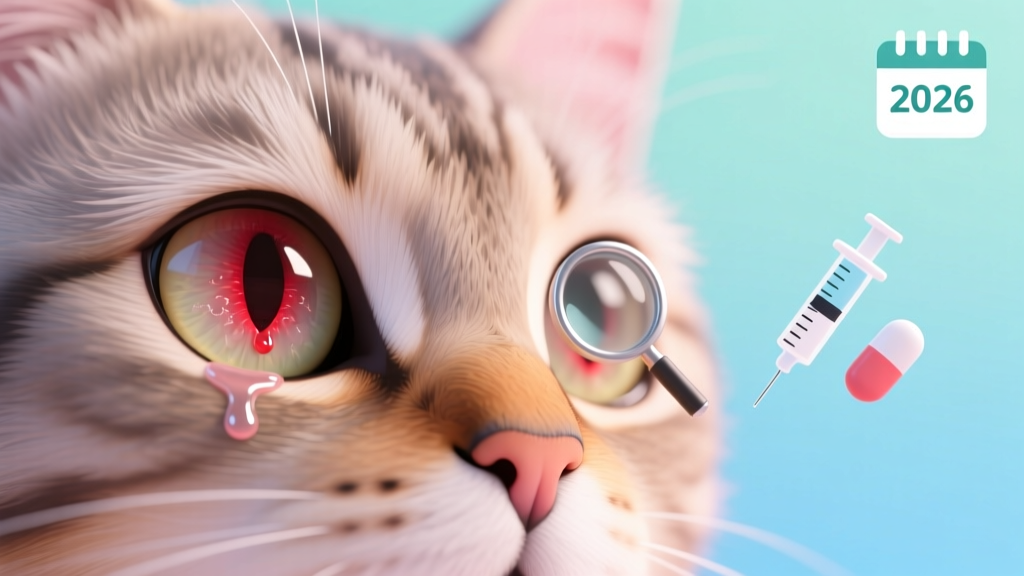
- Unequal pupils: One pupil larger than the other, or pupils not responding normally to light.
- Sudden vision problems: Bumping into objects, startling when approached, or acting “lost” in familiar spaces.
- Weakness on one side: Limping without pain, dragging a paw, knuckling over, or favoring one side.
- Facial droop or asymmetry: One side of the face looks different; whiskers may sit unevenly.
- Sudden confusion or behavior change: Seeming disoriented, unusually quiet, hiding, or becoming clingy.
- Nausea signs: Drooling, lip smacking, gagging—often from dizziness.
Subtle signs owners commonly overlook
- “Just not jumping”: Skipping favorite high places due to balance problems.
- New hesitation on stairs: Pausing, crouching, or taking stairs very slowly.
- Messier grooming: Neglecting grooming or grooming only one side.
- Changed litter box habits: Missing the box edge or seeming unsteady while squatting.
- Quiet eye changes: Slight pupil difference or subtle eye flicking that’s easiest to see in video.
Signs that may indicate something other than stroke—but still urgent
- Seizures (full-body stiffening/jerking or focal facial twitching)
- Sudden collapse, extreme lethargy, or trouble breathing
- Severe vomiting or suspected toxin exposure
If you’re unsure, treat sudden neurological changes as an emergency and call a veterinarian right away.
4. Causes and risk factors
Sometimes a stroke is labeled “idiopathic,” meaning no cause is confirmed. More often, strokes are linked to health conditions that affect blood vessels, clotting, or blood pressure.
Common underlying causes and risk factors
- High blood pressure (hypertension): Often related to kidney disease or hyperthyroidism. Can increase risk of bleeding or vessel damage.
- Heart disease: Certain cardiac conditions can increase the chance of clots.
- Hyperthyroidism: Can contribute to high blood pressure and heart strain in older cats.
- Kidney disease: Strongly associated with hypertension.
- Diabetes mellitus: Can affect blood vessels and overall health.
- Blood clotting disorders: More rare, but can predispose to ischemic strokes or bleeding.
- Inflammation or infection: Severe systemic disease can affect circulation and clotting.
- Cancer: Some cancers increase clot risk or affect blood vessels.
- Toxin exposure: Certain toxins (including some rodenticides) can cause bleeding disorders that may lead to brain hemorrhage.
- Trauma: Head injury can cause bleeding or secondary brain swelling.
Cats at higher risk
- Senior cats
- Cats with known kidney disease, hyperthyroidism, or heart disease
- Cats with previously documented high blood pressure
5. Diagnosis: What to expect at the vet
A “stroke” is often a diagnosis reached after evaluating symptoms and ruling out other urgent causes. Your veterinarian’s first priority is to stabilize your cat and determine whether this is a condition requiring immediate intervention (like toxin exposure, very low blood sugar, severe infection, or uncontrolled seizures).
Typical veterinary evaluation
- History and timeline: When signs started, whether they were sudden, possible toxin access, recent falls, medications.
- Physical and neurological exam: Balance, reflexes, pupil response, eye movements, facial symmetry.
- Blood pressure measurement: Very important for cats with neurologic signs.
- Bloodwork and urinalysis: Looks for kidney disease, thyroid disease, diabetes, infection/inflammation, and metabolic issues that can mimic stroke.
- Thyroid testing (especially in older cats)
- Imaging: Advanced imaging (MRI is often the best for brain tissue; CT may also be used) can help confirm stroke and rule out tumors or inflammation.
- Additional tests as indicated: Heart evaluation (listening exam, chest X-rays, echocardiogram), clotting tests, infectious disease testing.
Helpful tip for owners
If safe to do so, record a short video of your cat walking, head position, eye movements, or circling. Neurologic signs can fluctuate, and video can help your veterinarian enormously.
6. Treatment options (medical, surgical, home care)
Treatment depends on the stroke type, severity, and underlying cause. There is no one-size-fits-all “stroke medication” for cats; care is usually a combination of supportive therapy and targeted treatment.
Medical and supportive care
- Stabilization: Keeping your cat warm, hydrated, and comfortable; monitoring vitals.
- Oxygen therapy if needed.
- Anti-nausea medications: Helps cats with dizziness and vomiting risk.
- Pain control if discomfort is suspected (not all strokes are painful, but some associated conditions are).
- Blood pressure management: If hypertension is present, medication may be started promptly.
- Managing underlying disease: Thyroid medication for hyperthyroidism, kidney support plans, diabetic regulation, heart medications as appropriate.
- Anti-seizure medication: If seizures occur.
Surgical options
Surgery is not a typical treatment for most strokes. Surgical or procedural intervention may be considered if testing reveals another issue causing similar signs, such as certain ear problems, a mass, or complications from trauma. Your veterinarian or a veterinary neurologist will guide you based on imaging results.
Home care (what you can do safely)
- Create a recovery space: A quiet room with food, water, litter box, soft bedding, and low lighting.
- Limit jumping: Remove access to high furniture; use pet stairs if advised.
- Prevent falls: Block stairs temporarily if your cat is unsteady.
- Assist with basics: Bring food/water close; use a low-entry litter box.
- Give medications exactly as prescribed: No human medications unless specifically directed by a veterinarian.
- Track progress daily: Appetite, walking steadiness, litter box use, eye changes. Short notes help at rechecks.
Recheck visits are often needed to adjust medications (especially blood pressure meds) and ensure the underlying cause is controlled.
7. Prevention strategies and early detection tips
Not every stroke can be prevented, but many risk factors are manageable. The best prevention is early detection and control of underlying disease.
Actionable prevention steps
- Schedule regular wellness exams: At least yearly for adult cats; every 6 months for seniors or cats with chronic disease.
- Ask for blood pressure checks: Especially if your cat is older or has kidney disease, hyperthyroidism, heart disease, or diabetes.
- Do recommended lab work: Routine bloodwork can catch kidney or thyroid changes earlier.
- Manage chronic conditions consistently: Give medications on schedule; attend rechecks; don’t stop meds because symptoms “seem better.”
- Reduce toxin risks: Keep rodenticides, human medications, certain plants, and household chemicals securely stored.
- Maintain a calm, safe home environment: Prevent falls by providing stable climbing options and good traction surfaces for senior cats.
Early detection tip you can start today
Take a 10-second “normal walking” video of your cat on a good day. If something changes later, you’ll have a baseline to compare.
8. Prognosis and quality of life considerations
Many cats can have a good quality of life after a stroke, especially when the underlying cause is identified and controlled. Some cats improve noticeably within days to weeks as the brain heals and compensates. Others may have lingering deficits such as a mild head tilt or occasional wobbliness.
Factors that influence prognosis
- Severity and location of the stroke
- Whether blood pressure and other underlying issues are controlled
- How quickly veterinary care was started
- Presence of complications (ongoing seizures, severe hypertension, additional strokes)
Quality of life checklist
- Eating and drinking adequately
- Using the litter box with minimal stress
- Comfortable movement without frequent falls
- Interest in interaction and normal behaviors returning over time
If deficits persist, your veterinarian may suggest environmental modifications and supportive care plans to keep daily life safe and comfortable.
9. When to seek emergency veterinary care
Call an emergency veterinarian or go in right away if your cat has any sudden neurological changes, especially:
- Sudden inability to stand or walk
- Seizure activity (even if it stops quickly)
- Severe disorientation or unresponsiveness
- Unequal pupils or sudden blindness
- Continuous rolling, severe head tilt, or uncontrolled eye flicking
- Suspected toxin exposure (rodenticide, human meds, chemicals)
- Trouble breathing, pale gums, or collapse
What to do on the way: Keep your cat in a carrier on a flat surface with a towel for traction. Keep the environment quiet and dim. Do not offer food or water if your cat is very disoriented, actively vomiting, or unable to swallow normally, as aspiration is a risk.
10. FAQ: Common questions cat owners ask
Can a cat survive a stroke?
Yes, many cats survive and can regain good function, especially with prompt veterinary care and management of underlying conditions like high blood pressure or thyroid disease. Recovery time varies widely.
How can I tell a stroke from vestibular disease (inner ear problems)?
They can look very similar—head tilt, wobbliness, and nystagmus can occur in both. That’s why a veterinary exam is essential. Your veterinarian may look for ear pain/infection, evaluate neurological reflexes, and recommend blood pressure testing and imaging when appropriate.
Do cats have “mini-strokes” like people?
Cats can have transient neurological episodes, but it’s not always possible to confirm a true “mini-stroke” without advanced diagnostics. Any brief episode of sudden imbalance, weakness, or vision change warrants a veterinary visit, especially if it happens more than once.
What should I do if symptoms improve after a few hours?
Still contact your veterinarian as soon as possible. Improvement is encouraging, but the underlying cause (like hypertension) may still be present and could trigger another event if untreated.
Is a stroke painful for cats?
A stroke itself isn’t always painful, but cats may feel nauseated, frightened, or uncomfortable due to dizziness. Also, conditions associated with stroke-like signs (ear infections, trauma, toxins) can be painful. Your veterinarian can assess comfort and prescribe appropriate medications.
Can I treat a suspected stroke at home?
Home care is supportive only and should follow a veterinary diagnosis and plan. Because many emergencies mimic stroke, and because underlying causes can be dangerous if untreated, professional veterinary care is the safest choice.
If your cat is showing any sudden changes in balance, eyes, walking, or awareness, trust your instincts and call your veterinarian. For more practical cat health guidance, visit catloversbase.com for additional resources and caring support.