Cat Hemotropic Mycoplasma: Feline Infectious Anemia
1. Introduction: Why This Topic Matters
If your cat suddenly seems tired, pale, or “not themselves,” it can be scary—especially when the cause isn’t obvious. One possible (and often treatable) reason is hemotropic mycoplasma, a blood-borne infection that can lead to feline infectious anemia. Some cats only get mildly sick, while others can become dangerously anemic and need urgent care.
Understanding how this condition spreads, the early warning signs, and what your veterinarian can do helps you act quickly and protect your cat’s long-term health. This is especially relevant for cats that go outdoors, cats with fleas, and cats with other underlying illnesses.
2. Overview: What Is Hemotropic Mycoplasma (Feline Infectious Anemia)?
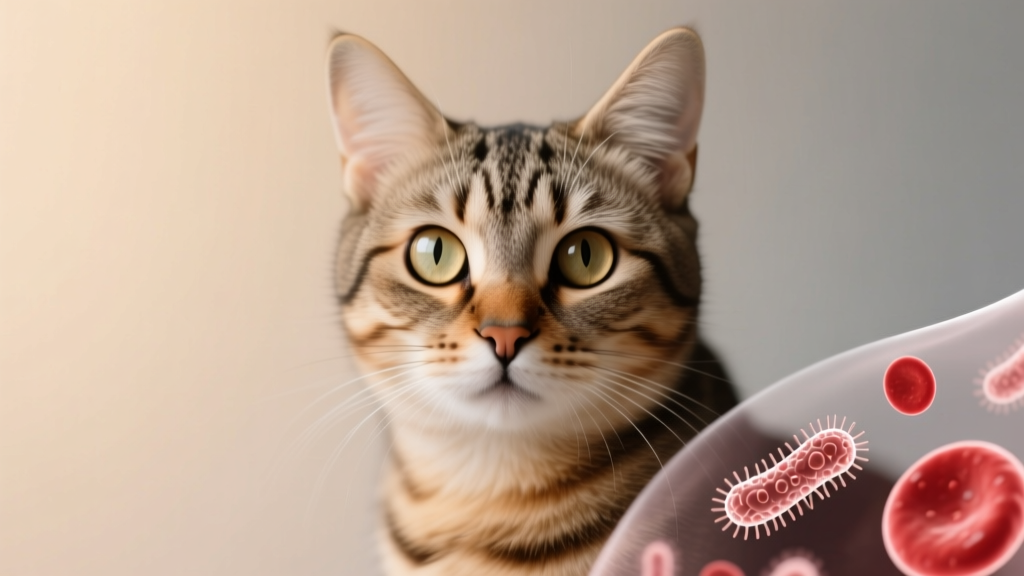
Hemotropic mycoplasmas (also called “hemoplasmas”) are tiny bacteria-like organisms that attach to the surface of red blood cells. In cats, the most common species include:
- Mycoplasma haemofelis (often causes more severe disease)
- Candidatus Mycoplasma haemominutum (often milder, but can be serious in vulnerable cats)
- Candidatus Mycoplasma turicensis (variable severity)
When these organisms stick to red blood cells, your cat’s immune system may start removing those red blood cells from circulation. Red blood cells carry oxygen, so when their numbers drop, your cat can become anemic. Anemia means the body isn’t delivering enough oxygen to tissues, which can cause weakness, rapid breathing, and other symptoms.
Some cats become infected and never appear sick. Others cycle through flare-ups, especially during stress or illness. This is one reason the condition can be confusing—cats may seem better for a while, then worsen again.
3. Symptoms and Warning Signs to Watch For
Signs vary depending on how quickly anemia develops and whether your cat has other health issues. Call your veterinarian if you notice any of the following, especially in combination:
- Lethargy or weakness (sleeping more, less interest in play)
- Pale gums (instead of healthy bubblegum pink)
- Decreased appetite or refusing food
- Weight loss
- Rapid breathing or breathing harder than usual
- Fast heart rate (sometimes noticeable as a pounding heartbeat)
- Fever (may come and go)
- Jaundice (yellow tint to gums, whites of eyes, or skin—less common but significant)
- Depression or hiding
At-home gum check tip: Lift your cat’s lip when they’re calm. If the gums look very pale/white, that’s a red flag for anemia and warrants prompt veterinary evaluation.
4. Causes and Risk Factors
Hemotropic mycoplasma infections are associated with blood exposure. Cats can become infected in several ways, and risk is higher in certain lifestyles and health situations.
Common ways cats may become infected
- Flea exposure: Fleas are strongly suspected to play a role in transmission. Even indoor cats can get fleas via other pets or visitors.
- Bite wounds and fighting: Outdoor cats, intact males, and cats that roam are at higher risk due to cat-to-cat aggression and blood contact.
- Blood transfusions: Rare, but possible if donor screening is incomplete.
- From mother to kittens: Transmission is possible, though not considered the most common route.
Cats at higher risk for illness (not just infection)
- Cats with FeLV (feline leukemia virus) or FIV (feline immunodeficiency virus)
- Cats with chronic disease (kidney disease, inflammatory conditions)
- Very young kittens and senior cats
- Stressed cats (recent surgery, rehoming, overcrowding, poor nutrition)
5. Diagnosis: What to Expect at the Vet
If your vet suspects anemia or a blood parasite, they’ll typically recommend a combination of physical exam findings and lab tests.
Physical exam
Your veterinarian will assess gum color, heart rate, breathing rate, hydration, body temperature, and check for fleas, bite wounds, or other clues. They may ask about outdoor access, recent fighting, and flea prevention.
Common diagnostic tests
- Complete blood count (CBC): Confirms anemia and helps determine severity. It may also show whether the body is trying to regenerate red blood cells (reticulocytes).
- Blood smear: A technician or veterinarian looks for organisms on red blood cells under the microscope. This can help, but organisms may be hard to see because their numbers can fluctuate.
- PCR testing (polymerase chain reaction): A very useful test that detects hemoplasma DNA. PCR is often the most reliable way to identify which hemoplasma is present.
- FeLV/FIV testing: Important because co-infections can worsen anemia and affect treatment plans.
- Biochemistry panel and urinalysis: Evaluates overall health and checks for organ stress or other causes of weakness.
What owners should know: A single test may not tell the whole story. Some cats need repeat testing, especially if symptoms come and go.
6. Treatment Options (Medical Care, Supportive Care, Home Care)
Treatment focuses on clearing or controlling the organism, managing anemia, and supporting your cat’s recovery. Always follow your veterinarian’s instructions—medications and dosing can differ based on your cat’s age, weight, and other health conditions.
Medical treatment
- Antibiotics: Typically from the tetracycline family (commonly doxycycline). This helps reduce organism levels and improve clinical signs. Some cats may need extended courses.
- Medications to reduce immune-mediated red blood cell destruction: If the immune system is strongly attacking red blood cells, your vet may prescribe corticosteroids (like prednisolone) in select cases.
- Treatment of concurrent disease: Managing fleas, dental disease, infections, FeLV/FIV-related complications, or other issues can be essential to recovery.
Supportive care (often very important)
- Blood transfusion: For severe, life-threatening anemia. This can stabilize your cat quickly while antibiotics begin working.
- Fluids: If dehydrated or not eating/drinking well. (Fluids don’t treat anemia, but they support circulation and organ function.)
- Appetite support: Anti-nausea meds, appetite stimulants, and nutritional planning may be recommended if your cat isn’t eating.
- Oxygen therapy: In critical cases with labored breathing or very low red blood cell counts.
Home care you can do right away
- Give medications exactly as prescribed: Missing doses can slow recovery or contribute to relapse.
- Offer a quiet “recovery zone”: Warm bed, low-stress area, easy access to food/water/litter.
- Monitor gum color and energy daily: Note any return of paleness, hiding, or rapid breathing.
- Encourage eating: Offer smelly, palatable foods (warmed wet food, vet-approved recovery diets). Ask your vet before changing diets if your cat has other conditions.
- Strict flea control: Use a veterinarian-recommended product; avoid dog flea products on cats.
Surgical treatment: Surgery is not a typical treatment for hemotropic mycoplasma itself. However, if your cat has wounds from fighting or an abscess, your veterinarian may need to treat those (sometimes including drainage or wound care).
7. Prevention Strategies and Early Detection Tips
Prevention is largely about minimizing exposure risks and catching anemia early.
Practical prevention steps
- Year-round flea prevention: Consistent parasite control is one of the most actionable steps owners can take.
- Reduce roaming and fighting: Keep cats indoors or supervise outdoor time (catio, harness walks). Neuter/spay to reduce roaming and aggression.
- Test and manage FeLV/FIV: If your cat is positive, regular wellness checks help catch anemia or flare-ups early.
- Screen blood donors: If your cat ever donates blood or receives a transfusion, ask your vet about donor screening protocols.
Early detection tips
- Monthly at-home checks: Gum color, body weight, appetite, energy level.
- Schedule wellness visits: Especially for seniors and cats with chronic illness.
- Don’t ignore “subtle” changes: A cat that’s just a bit quieter may be compensating for anemia.
8. Prognosis and Quality of Life Considerations
Many cats respond well to treatment, especially when diagnosed before anemia becomes severe. Prognosis depends on several factors:
- Which hemoplasma species is involved
- How severe the anemia is at diagnosis
- Whether your cat has FeLV/FIV or other underlying disease
- How quickly treatment begins
Some cats can remain carriers even after treatment, meaning the organism may not be completely eliminated. These cats can still have an excellent quality of life, but may be prone to relapse during times of stress or illness. Your vet may recommend follow-up bloodwork to confirm improvement and guide next steps.
Quality of life focus: With good parasite prevention, low stress, proper nutrition, and prompt vet care when signs return, many cats live comfortably long-term.
9. When to Seek Emergency Veterinary Care
Anemia can become life-threatening. Seek emergency care right away if you observe:
- White or very pale gums
- Rapid or difficult breathing, open-mouth breathing, or pronounced belly effort
- Collapse, extreme weakness, or inability to stand
- Very fast heartbeat with weakness or distress
- Yellow gums/eyes (possible significant red blood cell breakdown or liver involvement)
- Not eating for 24 hours (sooner for kittens or cats with medical conditions)
If you’re unsure, call your veterinarian or an emergency clinic for guidance. It’s always better to ask early than to wait.
10. FAQ: Common Questions from Cat Owners
Can humans catch hemotropic mycoplasma from cats?
The hemotropic mycoplasmas discussed here are primarily feline-adapted. Routine contact with your cat is not considered a typical source of infection for people. Still, good hygiene is smart for any pet household: wash hands after handling litter, wounds, or fleas, and keep parasite control up to date. If you have immune system concerns, ask your physician and your veterinarian for tailored advice.
Is this the same as “feline leukemia”?
No. FeLV (feline leukemia virus) is a viral infection. Hemotropic mycoplasma is a blood-borne bacterial-type organism. That said, cats with FeLV (or FIV) may be more likely to get sick from hemoplasmas, and your vet will often test for these viruses during the diagnostic workup.
Will my cat be cured, or is it lifelong?
Many cats improve dramatically with antibiotics and supportive care. Some cats may remain carriers and can relapse under stress or if another illness develops. Your veterinarian may recommend follow-up PCR testing or repeat bloodwork depending on your cat’s situation.
My cat is indoors—do I still need to worry?
Indoor cats have a lower risk, but it isn’t zero. Fleas can hitchhike indoors on people or other pets, and some indoor cats have unknown exposure histories (especially rescues). Consistent flea prevention and routine wellness exams are still worthwhile.
How can I tell if my cat is anemic at home?
The most practical home clues are pale gums, low energy, decreased appetite, and faster breathing. These signs aren’t specific to hemoplasma (other illnesses can cause them too), so a veterinary exam and blood test are the only reliable way to confirm anemia and identify the cause.
Should other cats in the home be tested or treated?
Ask your veterinarian. In multi-cat households—especially if cats fight or share fleas—your vet may recommend testing other cats, improving parasite control, and reducing stress and aggression triggers. Treatment is usually based on test results and clinical signs rather than automatically medicating every cat.
If you suspect your cat may be sick, schedule a veterinary appointment promptly. Early testing and treatment make a big difference, and your vet team can guide you through each step with a plan tailored to your cat.
For more approachable, cat-owner-friendly health guides and prevention tips, visit catloversbase.com.