How to Take Care of a Kitten: The First 12 Weeks Explained by Veterinarians (No Guesswork, No Guilt—Just What Your Tiny Cat *Actually* Needs to Thrive)
Your Kitten’s First 12 Weeks Are Non-Negotiable—Here’s Why
If you’re wondering how to take care of a kitten, you’re not just Googling a chore—you’re stepping into a critical developmental window where every decision impacts lifelong immunity, emotional resilience, and even cognitive function. Kittens aged 0–12 weeks experience explosive neurologic growth, immune system imprinting, and social bonding that can’t be replicated later. Miss a deworming at 3 weeks? Risk intestinal blockage or stunted growth. Skip early handling between 2–7 weeks? You may face chronic fear-based aggression or litter box avoidance. This isn’t overstatement—it’s what Dr. Susan Little, DVM and feline specialist with the American Association of Feline Practitioners, calls 'the golden period of plasticity.' So let’s move past cute Instagram reels and get tactical.
Feeding & Hydration: More Than Just ‘Kitten Food’
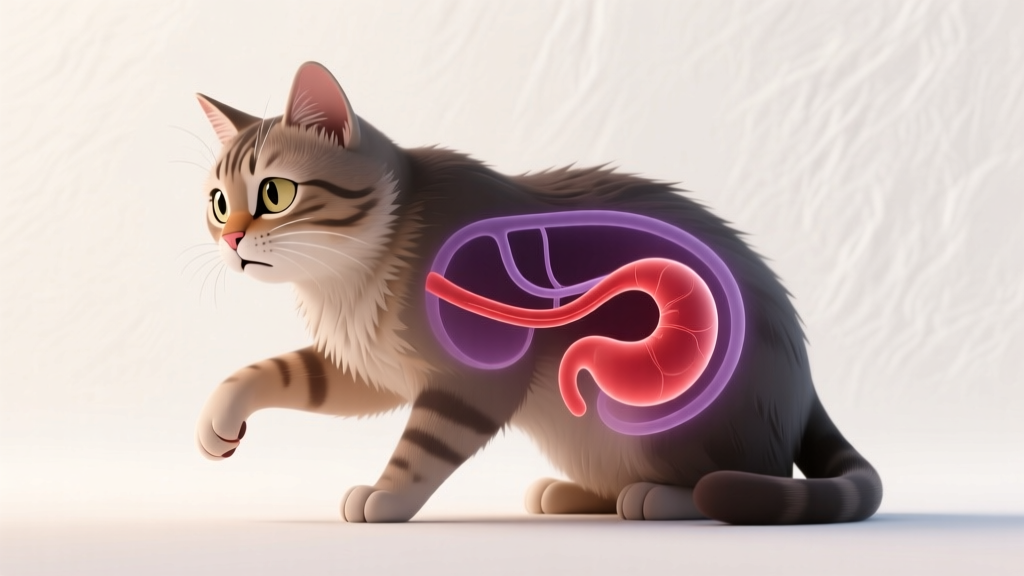
Most new caregivers assume 'kitten food = good enough.' But nutrition in this stage isn’t about calories—it’s about bioavailability, amino acid ratios, and gut microbiome seeding. Kittens under 8 weeks lack fully developed digestive enzymes; cow’s milk causes severe diarrhea (lactose intolerance is near-universal), and adult cat food lacks taurine levels needed for retinal and cardiac development. According to a 2023 Journal of Feline Medicine & Surgery study, 68% of kittens presented with failure-to-thrive syndrome had been fed inappropriate formulas or diluted commercial milk replacers.
What to do instead:
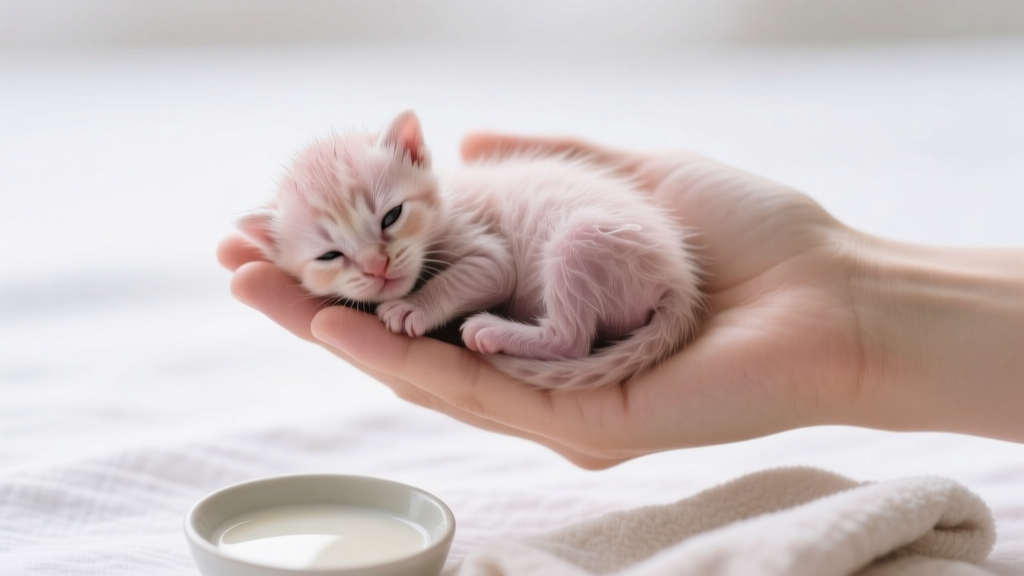
- 0–4 weeks: Use only veterinary-approved milk replacer (e.g., KMR® or Breeder’s Edge®) warmed to 98–100°F—never microwaved (hotspots cause mouth burns). Feed every 2–3 hours using a sterile bottle with a #1 nipple size. Stimulate urination/defecation after each feed with warm, damp cotton ball rubbed gently over genitalia (mimicking mother’s licking).
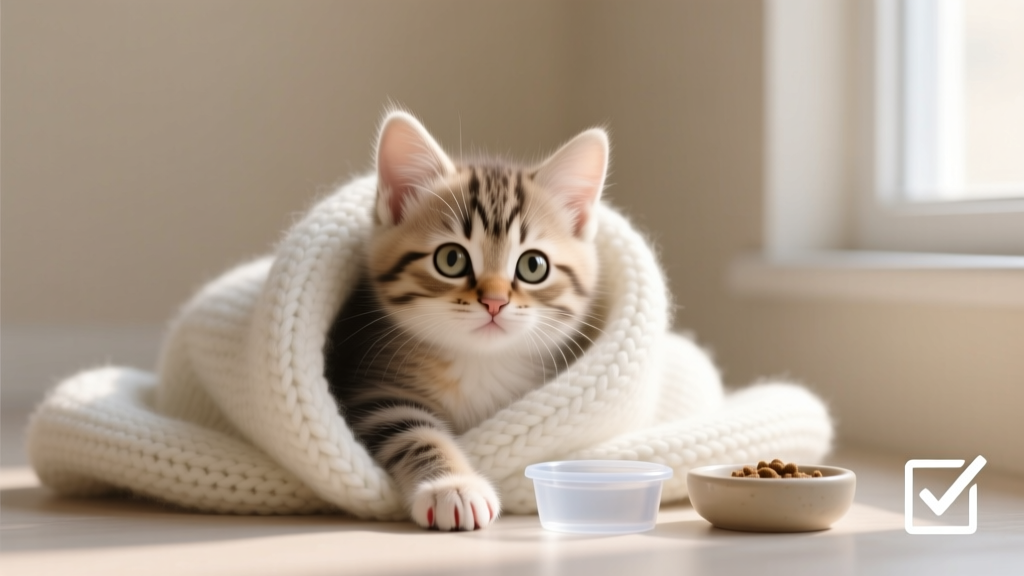
- 4–6 weeks: Begin gruel—mix warmed milk replacer with high-quality wet kitten food (look for AAFCO statement: 'Formulated for growth'). Offer in shallow ceramic dish; expect messiness. Introduce water in separate low-rim bowl—never add to food (dilutes nutrients).
- 7–12 weeks: Transition fully to wet food (minimum 75% moisture content) + small kibble portions. Avoid free-feeding dry food—kittens under 16 weeks have high energy demands but tiny stomachs; scheduled meals prevent obesity and urinary crystal formation.
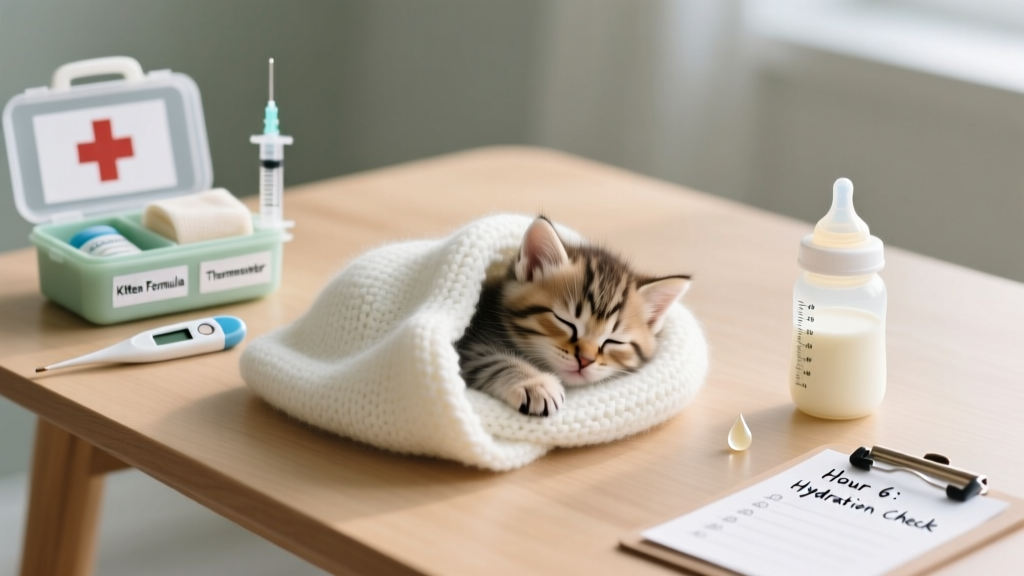
Pro tip: Weigh your kitten daily for first 2 weeks. Healthy gain = 10–15g/day. A dip below 7g/day for >2 days warrants immediate vet consult—even if no other symptoms appear.
Vaccines, Parasites & Preventive Health: Timing Is Everything
Vaccination isn’t optional—it’s biological insurance. But timing matters more than ever. Administer FVRCP (feline viral rhinotracheitis, calicivirus, panleukopenia) too early (<6 weeks), and maternal antibodies neutralize it. Too late (>16 weeks), and exposure risk spikes. Similarly, internal parasites like roundworms infect >85% of shelter kittens (ASPCA Shelter Medicine Report, 2022)—and they’re zoonotic, meaning they can infect children.
Here’s your evidence-backed, non-negotiable health timeline:
| Age | Action | Why It Matters | Professional Source |
|---|---|---|---|
| 2 weeks | Fecal float test + broad-spectrum dewormer (pyrantel pamoate) | Roundworms mature in 2–3 weeks; untreated larvae migrate through lungs causing pneumonia | American College of Veterinary Parasitologists |
| 6 weeks | First FVRCP vaccine + flea prevention (only fipronil-based products approved for kittens <8 weeks) | Maternal antibody interference drops sharply at 6 weeks—this is the earliest effective window | AAFP Vaccination Guidelines, 2023 |
| 10 weeks | Second FVRCP + leukemia test (FeLV) if outdoor exposure possible | Boosts immunity to 92% efficacy; FeLV is fatal and highly contagious in multi-cat homes | WSAVA Global Guidelines |
| 14 weeks | Rabies vaccine (non-adjuvanted, killed virus only) + final FVRCP booster | Rabies is 100% fatal in cats—and legally required in 49 U.S. states | AVMA Rabies Compendium |
⚠️ Critical note: Never use dog flea products (e.g., permethrin) on kittens—neurotoxicity causes seizures and death within hours. When in doubt, call your vet *before* applying anything.
Safe Socialization & Environmental Enrichment: Building Confidence, Not Clinginess
Socialization isn’t ‘playing with your kitten.’ It’s deliberate, low-stress exposure to stimuli that shape neural pathways. The sensitive period runs 2–7 weeks—but many adopters bring kittens home at 8+ weeks, missing the prime window. That doesn’t mean it’s hopeless—just harder. A landmark 2021 study in Applied Animal Behaviour Science tracked 120 kittens: those exposed to 3+ novel people, 2+ surfaces (carpet, tile, grass), and 1+ carrier before week 7 were 4.2x less likely to develop fear-based aggression by age 1.
Build confidence—not dependency—with this framework:
- People Exposure: Rotate 3–5 calm adults (no sudden movements) for 5-minute sessions daily. Reward calmness with lickable wet food (e.g., tuna water on spoon)—not petting, which overstimulates.
- Sounds & Objects: Play vacuum cleaner sounds at 20% volume for 30 seconds while offering treats. Introduce cardboard boxes, crinkly paper, and soft brushes gradually—never force interaction.
- Carrier Acclimation: Leave carrier out with blanket and treats inside for 2 weeks *before* first vet visit. Close door for 10 seconds only when kitten enters voluntarily—build duration slowly.
Real-world case: Maya, a rescue worker in Portland, took in a 5-week-old orphan who hid under furniture for 3 days. Instead of coaxing, she placed his food bowl *next* to the couch leg, then *under* it, then *inside* a covered carrier with heating pad. By day 10, he slept in the carrier nightly. Patience > pressure.
Litter Training, Stress Signals & Red Flags You Can’t Ignore
Contrary to myth, kittens don’t ‘just know’ how to use litter boxes. They learn by scent, texture, and observation. Yet 30% of litter box issues stem from poor early setup—not ‘bad behavior.’ Key failures: using scented litter (overwhelms delicate olfactory system), placing box near noisy appliances (stress-induced aversion), or cleaning with ammonia-based products (smells like urine, encouraging repeat marking).
Watch for these subtle, life-saving stress signals:
- Slow blink cessation: Kittens blink slowly when relaxed. If yours stops blinking around you for >24 hours, cortisol is spiking.
- Ear position shifts: Forward ears = curiosity. Sideways (airplane) ears = anxiety. Flat-back ears = fear or pain.
- Over-grooming patches: Bald spots on inner thighs or belly signal chronic stress—not allergies.
Immediate vet referral (within 4 hours) if you see:
- No stool for >36 hours (constipation risks megacolon)
- Rectal temperature <99°F or >103°F (normal: 100.5–102.5°F)
- Blue-tinged gums (cyanosis = oxygen deprivation)
- Seizures or tremors (could indicate hypoglycemia or toxin exposure)
Remember: Kittens mask illness masterfully. As Dr. Tony Buffington, DVM and Ohio State University feline researcher, puts it: 'If your kitten seems “a little off,” it’s already seriously ill. Don’t wait for dramatic symptoms.'
Frequently Asked Questions
Can I bathe my kitten?
No—unless medically necessary (e.g., pesticide exposure). Kittens lose body heat 3x faster than adults. Bathing risks hypothermia and stress-induced colitis. Spot-clean with warm, damp cloth only. If truly soiled, use veterinarian-approved, pH-balanced kitten wipe (never baby wipes—they contain alcohol and fragrances that cause oral ulcers).
When should I spay/neuter?
For owned kittens: 4–5 months old, *after* completing all vaccines and reaching 2kg body weight. Early-age neutering (<16 weeks) is safe per AVMA and reduces roaming, spraying, and mammary cancer risk by 91%. Shelter kittens may be altered as early as 8 weeks—studies show no long-term developmental harm.
Is it okay to let my kitten sleep in bed with me?
Not until 12+ weeks—and only if you’ve ruled out fleas, ringworm, and upper respiratory infection. Kittens’ immune systems are still developing; co-sleeping increases zoonotic disease risk. Also, accidental suffocation is the #1 cause of kitten death in human beds (ASPCA Pet Safety Report, 2023). Use a cozy, heated cat bed beside your bed instead.
How much playtime does a kitten need?
Minimum 3x daily sessions of 15 minutes each—using wand toys (never hands/feet!) to mimic prey movement. Under-stimulation leads to redirected aggression (biting ankles) or obsessive behaviors (sucking fabric). Rotate toys weekly to maintain novelty—kittens habituate fast.
Do I need pet insurance for my kitten?
Yes—especially for kittens under 6 months. Emergency visits average $650–$1,200 (Nationwide Pet Insurance 2024 Data). A single foreign-body obstruction (e.g., swallowed string) costs $2,800+. Most plans cover hereditary conditions (like hypertrophic cardiomyopathy) if enrolled before 12 weeks. Compare deductibles—not premiums.
Common Myths Debunked
Myth #1: “Kittens don’t need heartworm prevention.”
False. Heartworm infection occurs via mosquito bite—and 25% of diagnosed feline heartworm cases occur in *indoor-only* cats (American Heartworm Society). Monthly prevention is essential year-round, even in cold climates.
Myth #2: “I’ll know if my kitten is sick because they’ll stop eating.”
Wrong. Kittens often eat normally until 24–48 hours before collapse. Anorexia is a *late-stage* sign. Monitor hydration (skin tent test), gum color, and activity level daily instead.
Related Topics (Internal Link Suggestions)
- Kitten Vaccination Schedule — suggested anchor text: "kitten vaccine timeline"
- Best Wet Food for Kittens — suggested anchor text: "top-rated kitten wet food"
- How to Litter Train a Kitten — suggested anchor text: "step-by-step litter training"
- Signs of Sick Kitten — suggested anchor text: "kitten illness warning signs"
- Kitten vs Adult Cat Food Differences — suggested anchor text: "why kitten food matters"
Conclusion & Next Step
You now hold the most actionable, vet-aligned roadmap for how to take care of a kitten—grounded in developmental biology, not folklore. But knowledge without action is just noise. So here’s your immediate next step: Grab your phone right now and schedule a ‘well-kitten’ exam with a feline-friendly veterinarian—even if your kitten seems perfect. Bring fecal sample, weight log, and list of questions. This first visit establishes baseline health metrics and catches silent issues (like congenital heart murmurs) before they escalate. Then, print the care timeline table above and tape it to your fridge. Your kitten’s future health isn’t built in months—it’s built in minutes, meals, and mindful moments. You’ve got this.