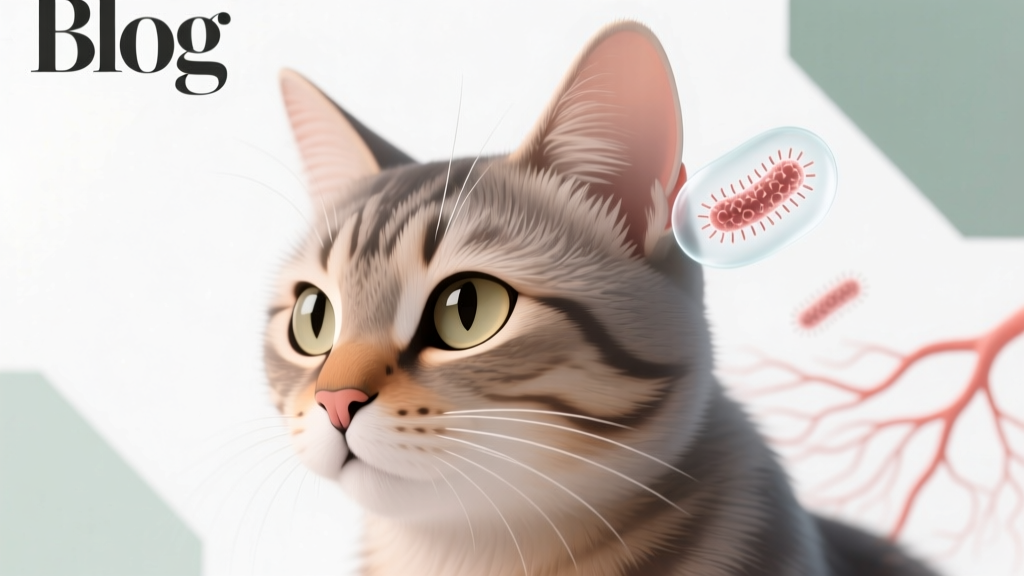
Feline Mycoplasma: Blood Parasite Causing Anemia
1. Introduction: Why This Topic Matters for Cat Owners
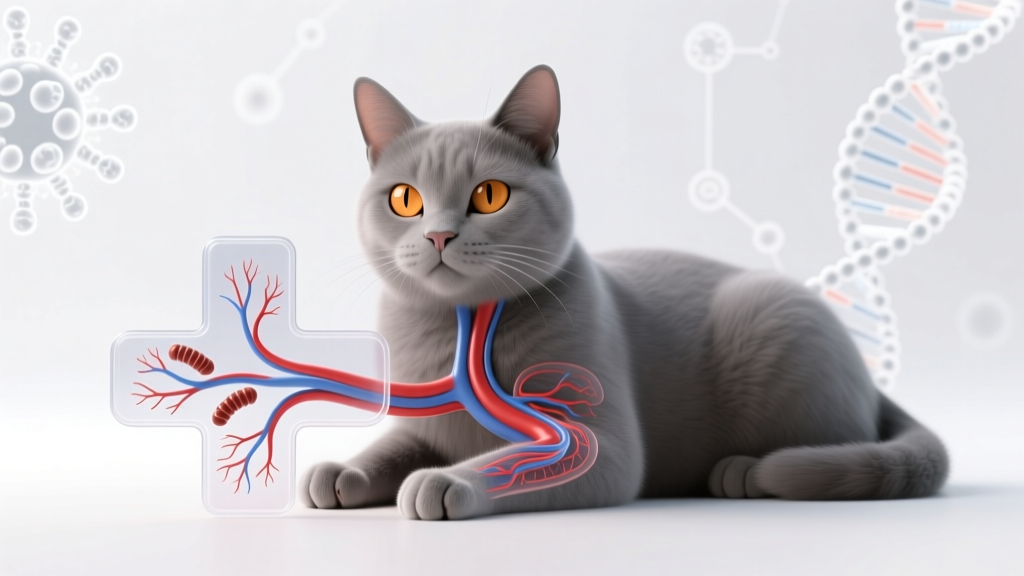
When a cat becomes anemic, their body isn’t getting enough oxygen delivered to tissues—something that can quickly affect energy, appetite, and overall comfort. One of the more common infectious causes of anemia in cats is feline hemotropic mycoplasmosis (often casually called “feline mycoplasma”). This condition is caused by tiny bacteria-like organisms that attach to red blood cells and can lead to red blood cell destruction.
The reassuring news is that many cats do well with prompt veterinary care and appropriate treatment. The key for cat owners is recognizing early warning signs, understanding which cats are at higher risk, and knowing what to expect at the veterinarian. This guide breaks it down in plain language, with practical steps you can take right away to protect your cat.
2. Overview: What Is Feline Mycoplasma (Hemotropic Mycoplasmosis)?
Feline hemotropic mycoplasmosis is an infection caused by organisms in the Mycoplasma group that live on the surface of red blood cells. The most commonly discussed species include:
- Mycoplasma haemofelis (often associated with more severe anemia)
- Candidatus Mycoplasma haemominutum (often milder, but can still be significant)
- Candidatus Mycoplasma turicensis (less common)
These organisms can trigger the cat’s immune system to recognize infected red blood cells as abnormal. The body may then remove or destroy those cells, leading to hemolytic anemia (anemia caused by red blood cell breakdown). Some cats carry the organism with few or no signs until stress, another illness, or immune suppression tips the balance and symptoms appear.
Think of it like this: the infection can be present in the bloodstream, but whether it becomes a noticeable illness depends on the cat’s overall health, immune system strength, and any other conditions happening at the same time.
3. Symptoms and Warning Signs to Watch For
Some cats show subtle signs at first, and anemia can be easy to miss in a quiet cat who sleeps a lot. Contact your veterinarian if you notice any of the following.
Common signs of anemia and infection
- Lethargy or weakness (less play, tiring quickly)
- Pale gums (instead of healthy bubblegum pink)
- Decreased appetite or picky eating that’s new
- Weight loss
- Fever (may feel warm, seek cool surfaces; often confirmed at the vet)
- Dehydration (tacky gums, reduced skin elasticity)
- Increased breathing rate or effort (body trying to compensate for low oxygen)
Signs that can occur with more significant anemia
- Rapid heart rate (sometimes noticeable as a fast heartbeat when resting)
- Weakness when jumping or collapsing
- Jaundice (yellow tint to gums, whites of eyes, or skin) in some cases
At-home gum check (quick, practical tip)
When your cat is calm, gently lift the lip and look at the gums:
- Healthy: pink and moist
- Concerning: very pale/white, yellow-tinged, or dry/tacky
If your cat’s gums look pale or white, don’t wait—call a veterinarian the same day.
4. Causes and Risk Factors
Feline mycoplasma is most often associated with exposure to blood—either through parasites like fleas or through bite wounds. Many cats with this infection also have additional conditions that make illness more likely.
How cats may become infected
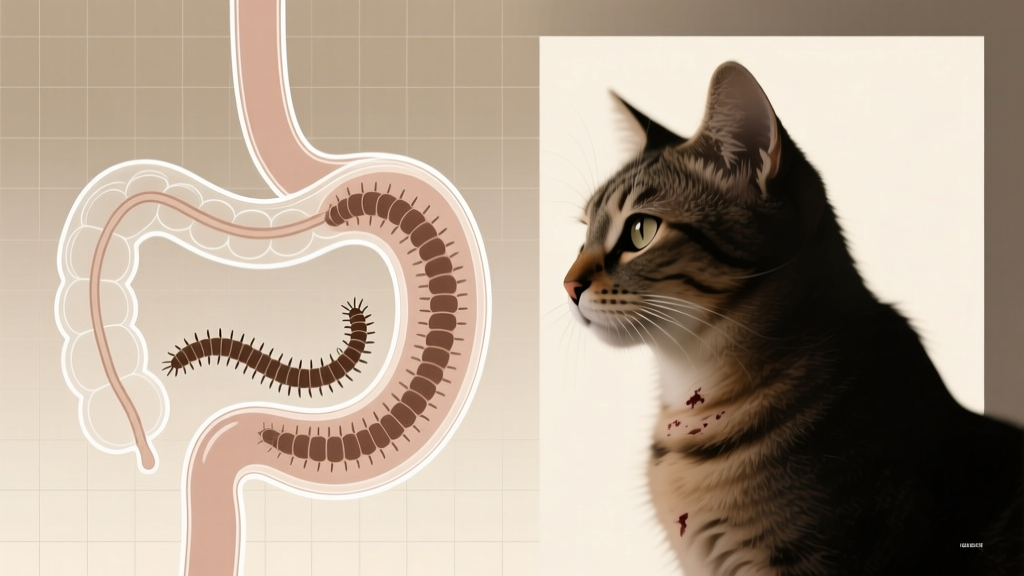
- Flea exposure (fleas can play a role in transmission between cats)
- Cat bites/fights (blood-to-blood contact)
- Blood transfusion from an infected donor (rare when proper screening is done)
- Possible transmission from mother to kittens has been discussed, but routes can vary and are not always clear
Cats at higher risk of illness
- Outdoor cats (more fleas, more fighting)
- Intact male cats (more roaming and territorial conflicts)
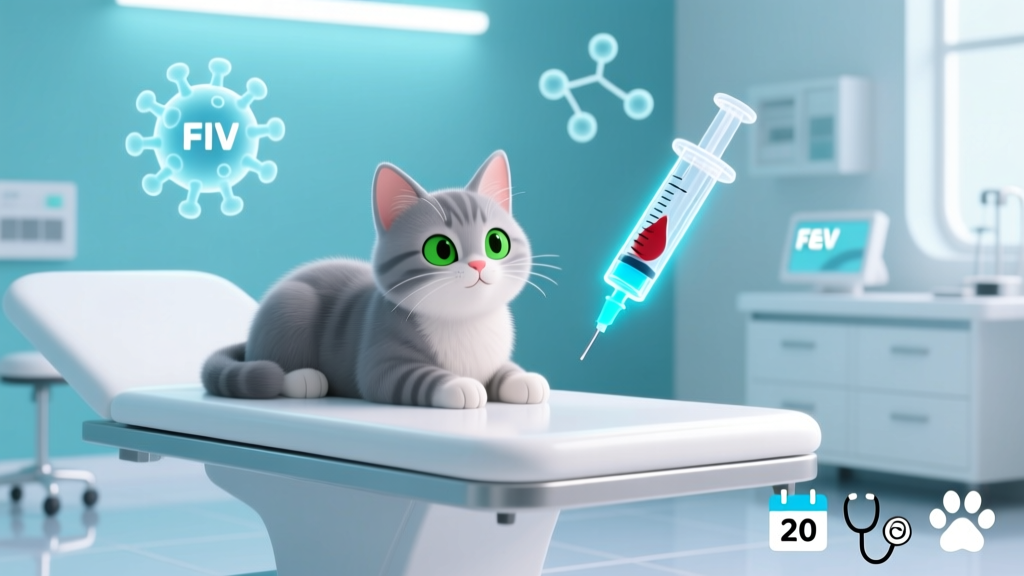
- Cats with FeLV or FIV (immune suppression increases risk of clinical disease)
- Cats with chronic illness or on immune-suppressing medications
- Multi-cat households where fleas or fighting occur
Practical action step today
If your cat is not on a veterinarian-recommended flea preventive, that’s one of the most immediate, meaningful steps you can take to reduce risk.
5. Diagnosis: Methods and What to Expect at the Vet
If your veterinarian suspects anemia, they’ll focus on two goals: (1) confirm anemia and determine how severe it is, and (2) identify the underlying cause, such as hemotropic mycoplasma.
Common tests
- Physical exam (gum color, heart rate, hydration, temperature, abdominal palpation)
- CBC (complete blood count) to measure red blood cells and detect anemia
- Reticulocyte count to see if the bone marrow is responding (regenerative vs. non-regenerative anemia)
- Blood smear (a lab tech examines red blood cells under a microscope; organisms may be visible, but not always)
- PCR testing (detects mycoplasma DNA; often the most sensitive way to confirm infection)
- Biochemistry panel and urinalysis to assess organ function and overall health
- FeLV/FIV testing because these viruses can affect immune response and prognosis
What cat owners should know about testing
- A negative blood smear does not rule out infection. The organisms can appear in cycles or be hard to spot.
- PCR tests may take additional time and may be sent out to a reference lab.
- Your vet may start treatment based on clinical suspicion if your cat is ill, even before final results return.
6. Treatment Options (Medical, Supportive Care, Home Care)
Treatment is individualized based on how sick the cat is, how severe the anemia is, and whether there are underlying issues (like FeLV/FIV, heavy flea infestation, or other infections).
Medical treatment
- Antibiotics: Doxycycline is commonly used. Your veterinarian will choose the best medication and duration for your cat’s case.
- Support for immune-mediated destruction: In some cats, the immune system contributes significantly to red blood cell loss. Your veterinarian may consider medications such as corticosteroids when appropriate.
- Treat concurrent problems: flea control, wound care for bite abscesses, treatment for other infections, and management of chronic diseases.
Hospital care (for moderate to severe anemia)
- Fluids if dehydrated (given carefully, especially in anemic cats)
- Blood transfusion if anemia is severe or life-threatening
- Oxygen therapy if breathing is affected or oxygen delivery is critically low
- Appetite support (anti-nausea medication, appetite stimulants, assisted feeding if needed)
Home care: what you can do safely
- Give medications exactly as prescribed and finish the full course unless your vet changes the plan.
- If doxycycline is prescribed: follow your vet’s dosing instructions carefully. Many vets recommend giving a small amount of water or food afterward to help the pill pass into the stomach (reducing risk of esophageal irritation). Only do this as directed by your veterinarian.
- Keep activity gentle while your cat is recovering from anemia (limit vigorous play, provide easy access to food/water/litter).
- Track daily trends: appetite, energy, gum color, breathing rate at rest, and litter box habits.
- Prioritize hydration and nutrition: offer smelly, palatable wet foods; warm food slightly to enhance aroma (not hot).
What not to do
- Do not use human iron supplements unless your veterinarian specifically prescribes them. Most feline anemia from mycoplasma is not solved with iron and inappropriate supplementation can be harmful.
- Do not skip flea control during treatment—re-exposure can worsen outcomes.
7. Prevention Strategies and Early Detection Tips
Prevention focuses on reducing exposure risks and catching anemia early.
Prevention checklist
- Year-round flea prevention recommended by your veterinarian
- Keep cats indoors or supervise outdoor time to reduce fights and parasite exposure
- Prompt treatment of bite wounds (abscesses and infections can spiral quickly)
- Test and manage FeLV/FIV as recommended—knowing status helps guide prevention and treatment plans
- Regular wellness exams and lab work when advised, especially for seniors or chronically ill cats
Early detection tips for owners
- Look at your cat’s gum color weekly (more often if your cat is high-risk).
- Notice subtle energy changes—less greeting at the door, hiding more, stopping play.
- Weigh your cat monthly if possible. Unexplained weight loss is a helpful early clue.
- Use a flea comb and check for flea dirt (black specks that turn reddish-brown when moistened).
8. Prognosis and Quality of Life Considerations
Many cats recover well, especially when anemia is identified early and treated appropriately. Prognosis depends on several factors:
- Severity of anemia at the time of diagnosis
- Whether the anemia is regenerative (bone marrow responding) or not
- Underlying conditions such as FeLV, FIV, cancer, or chronic kidney disease
- Speed of treatment and response to antibiotics/supportive care
Some cats may remain carriers even after treatment, meaning the organism can persist at low levels. A carrier cat may never feel sick again, or may relapse during times of stress or illness. Your veterinarian may recommend follow-up testing, repeat bloodwork, and ongoing preventive care to support long-term quality of life.
9. When to Seek Emergency Veterinary Care
Call an emergency veterinary hospital or your regular clinic immediately if you notice:
- Very pale or white gums
- Labored breathing, open-mouth breathing, or breathing faster than normal at rest
- Collapse, extreme weakness, or inability to stand
- Sudden profound lethargy (won’t get up, unresponsive compared to normal)
- Yellow gums/eyes (possible significant red blood cell destruction or liver involvement)
- Refusal to eat for 24 hours (sooner for kittens or cats with known illness)
Anemia can become critical quickly. It’s always safer to have your cat assessed promptly than to watch and wait.
10. FAQ: Common Questions from Cat Owners
Is feline mycoplasma contagious to other cats?
Transmission can occur, especially in situations involving fleas or bite wounds. Not every exposed cat becomes sick, and some may become carriers without obvious signs. The safest approach is strict flea control for all pets in the household and reducing fighting/roaming behavior. If you have multiple cats, ask your veterinarian whether any housemates should be tested based on risk and symptoms.
Can humans or dogs catch this from an infected cat?
The hemotropic mycoplasma species that affect cats are generally considered cat-adapted. Human infection from cats is not considered a typical risk in routine household settings. Still, good hygiene around any pet illness is smart: wash hands after handling pets, litter boxes, or cleaning wounds, and keep fleas controlled.
Will my cat need a blood transfusion?
Not always. Transfusions are usually reserved for cats with severe anemia, significant weakness, collapse, or dangerous red blood cell levels on lab work. Your veterinarian will use exam findings and blood tests to decide if a transfusion is necessary for safety.
How long does treatment take?
Antibiotic courses commonly last for weeks, and follow-up bloodwork is often recommended to make sure red blood cells are recovering. Some cats perk up within days of starting therapy, but full recovery of red blood cell counts can take longer. Your vet will outline a timeline based on your cat’s starting hematocrit/PCV and response to treatment.
Can a cat relapse after treatment?
Yes, some cats can relapse, especially if they remain carriers and later experience stress, immune suppression, or another illness. Consistent flea prevention, regular checkups, and monitoring for early signs of anemia (like pale gums and low energy) help catch problems quickly.
What should I do right now if I suspect anemia?
Check gum color, keep your cat calm and warm, and contact a veterinarian the same day. If your cat is struggling to breathe, collapsing, or has white gums, go to an emergency clinic immediately. Avoid giving over-the-counter supplements or leftover medications—treatment needs to be tailored and guided by a professional.
If you’re worried your cat may have anemia or flea exposure, schedule a veterinary exam promptly—early care makes a real difference. For more approachable, owner-friendly cat health guides and prevention tips, visit catloversbase.com.