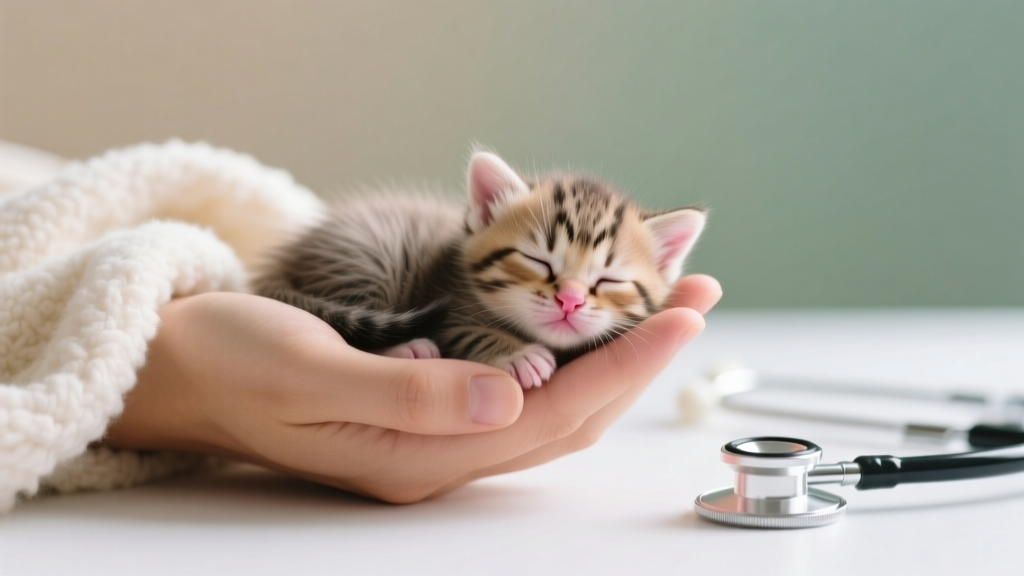
How to Take Care of a Very Young Kitten: The 7 Non-Negotiable Steps Vets Insist On (Skip #3 and You Risk Hypothermia or Sepsis)
Why This Isn’t Just ‘Cute’—It’s Life-or-Death Care
If you’ve just found or adopted a kitten under 4 weeks old—or your cat gave birth unexpectedly—you’re likely overwhelmed, anxious, and Googling how to take care of a very young kitten with frantic urgency. And rightly so: neonatal kittens (0–2 weeks) have zero ability to regulate body temperature, cannot urinate or defecate without stimulation, lack immune defenses, and can deteriorate from stable to critical in under 6 hours. This isn’t about ‘spoiling’ or ‘training’—it’s intensive, science-backed health stewardship that mimics maternal care with clinical precision.
According to the American Veterinary Medical Association (AVMA), up to 30% of orphaned kittens under 2 weeks die without expert-level human intervention—not due to illness alone, but from preventable errors like improper formula mixing, missed stimulation, or delayed warming. In this guide, we distill evidence-based protocols used by shelter veterinarians, feline neonatology specialists, and foster coordinators who save thousands of fragile kittens each year. No fluff. No guesswork. Just what works—and why it matters.
1. Warmth First, Feeding Second: The Critical 30-Minute Rule
Here’s the hard truth no one tells you: feeding a cold kitten is dangerous—and potentially fatal. A kitten’s normal rectal temperature should be 95–99°F (35–37.2°C) in the first week, rising to 98–100°F (36.7–37.8°C) by week three. Below 94°F? They’re in hypothermic crisis. Their digestive system shuts down, leading to aspiration, bloating, and failure to absorb nutrients—even if you feed them perfectly.
So before you even open the kitten milk replacer (KMR), follow this protocol:
- Assess temperature: Use a digital rectal thermometer lubricated with water-based lube. Insert gently ½ inch—hold 10 seconds. Record temp.
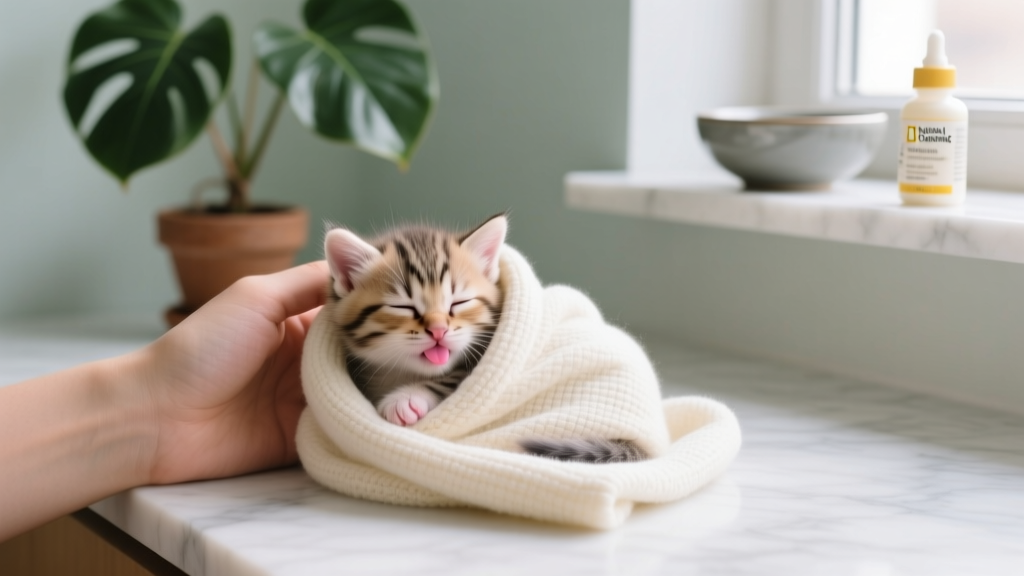
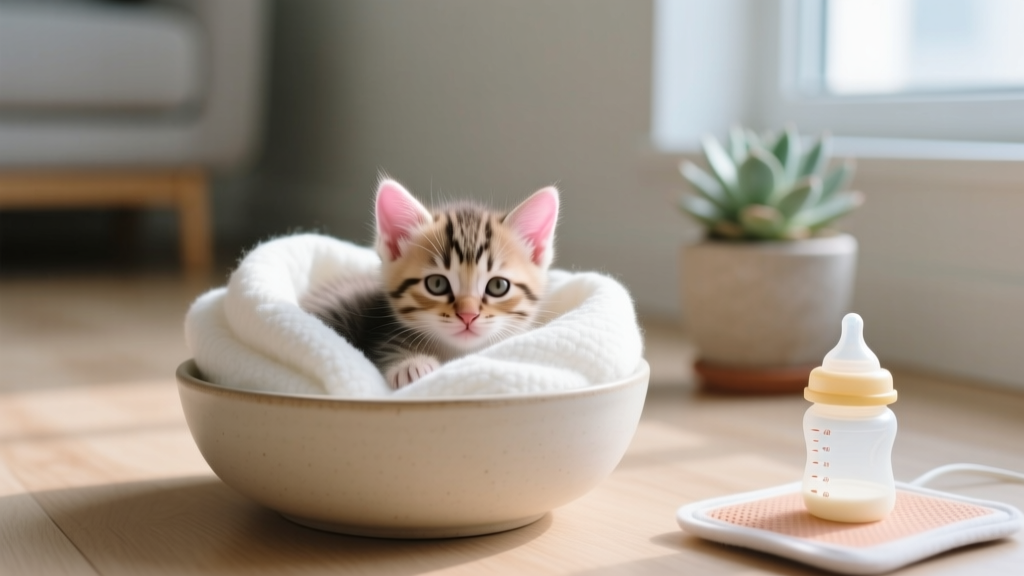
- Warm gradually: Never use heating pads (risk of burns) or direct heat lamps. Instead, wrap a hot water bottle (40°C/104°F max) in two layers of towel and place it *beside* (not under) the kitten in a small, enclosed box. Add warm rice socks (microwaved 20 sec, wrapped) for radiant heat.
- Monitor every 15 minutes: Recheck temp until it reaches ≥95°F. Only then proceed to feeding.
Dr. Lena Tran, DVM and Director of Neonatal Care at the San Francisco SPCA, emphasizes: “I’ve seen 12 kittens lost in one week because well-meaning fosters fed chilled kittens. Warming isn’t optional—it’s the first medical intervention.”
2. Feeding Like a Pro: Formula, Frequency & Technique That Prevents Aspiration
Commercial kitten milk replacer (KMR or similar) is the *only* safe option. Cow’s milk causes severe diarrhea and dehydration; human baby formula lacks taurine and has incorrect protein-fat ratios. But even KMR can be deadly if misused.
Key feeding rules:
- Dilution matters: For kittens under 1 week, mix KMR at 1:2 (powder:water) for easier digestion. At 1–2 weeks, switch to 1:1. After week 2, follow package instructions—but always stir, never shake (to avoid air bubbles).
- Temperature check: Formula must be 98–100°F—test on your inner wrist. Too hot? Scalds esophagus. Too cool? Slows gut motility and invites bacterial overgrowth.
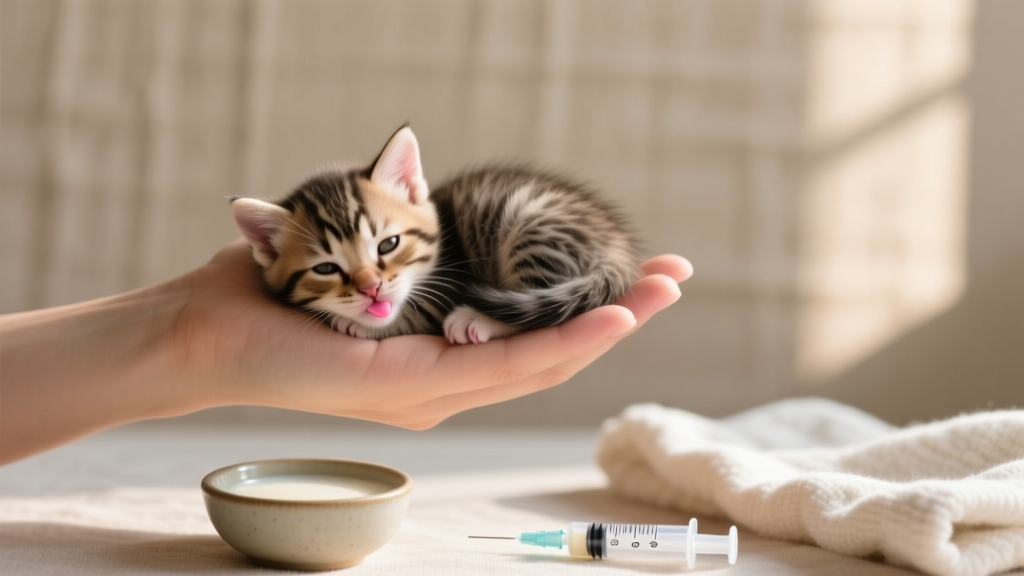
- Position is everything: Hold kitten belly-down, head slightly elevated (like nursing), never on its back. Use a 1–3 mL syringe (no needle) or specialized kitten bottle with ultra-fine nipple. Let them suckle naturally—never force-feed.
- Volume & frequency: Newborns need 2–4 mL per feeding, every 2–3 hours (including overnight). At 1 week: 5–7 mL every 3 hours. At 2 weeks: 8–10 mL every 4 hours. Track intake daily in a log—underfeeding causes failure-to-thrive; overfeeding causes bloat and regurgitation.
A real-world case: Maya, a foster in Portland, saved a 5-day-old orphaned triplet by switching from a standard bottle to a 1-mL syringe with slow-drip technique after her vet observed choking episodes. Within 48 hours, weight gain stabilized at 5–10g/day—the gold-standard benchmark.
3. Stimulation & Hygiene: The Unseen Lifesaving Ritual
Neonatal kittens cannot eliminate waste without external stimulation—a biological imperative most people don’t know exists. Without it, they develop toxic megacolon, urinary retention, and sepsis within 24–48 hours.
Stimulation protocol (must be done after *every* feeding):
- Use a warm, damp cotton ball or soft tissue.
- Gently stroke the genital and anal area in downward motions for 30–60 seconds—mimicking the mother’s licking.
- Continue until urine and/or stool is passed. Note color, consistency, and volume: pale yellow urine = hydrated; dark yellow = dehydrated; mustard-yellow stool = healthy; green/black = possible infection.
- Wipe clean with fresh tissue—never reuse.
Also critical: daily weighing on a gram-scale (kitchen scale works). Healthy kittens should gain 5–10g per day. A loss of >10% body weight in 24 hours signals urgent vet care. Weigh at the same time daily—ideally right before the first feeding.
Hygiene extends beyond elimination: disinfect feeding tools with boiling water (not dishwasher—heat damages syringes); wash hands with soap for 20+ seconds before and after handling; isolate sick kittens immediately. Feline panleukopenia spreads via fomites—and kills 90% of unvaccinated kittens under 8 weeks.
4. Developmental Milestones & Red Flags: What ‘Normal’ Looks Like (and When to Panic)
Tracking development isn’t cute—it’s diagnostic. Each milestone signals neurological, muscular, and immunological progress. Deviation often precedes visible illness by 12–24 hours.
| Age Range | Key Physical Milestones | Critical Red Flags | Vet Action Threshold |
|---|---|---|---|
| 0–7 days | Eyes closed; ears folded; rooting reflex strong; crawls weakly | No suckling reflex; limp body tone; no response to touch; blue-tinged gums | Immediate ER visit—these indicate hypoxia or sepsis |
| 7–14 days | Eyes begin opening (usually day 7–10); ear canals open; attempts to stand | Eyes remain sealed past day 14; pus discharge from eyes; tremors or seizures | Vet within 2 hours—conjunctivitis may require topical antibiotics; seizures demand blood glucose test |
| 14–21 days | Eyes fully open; begins walking (wobbly); plays with littermates; starts grooming | No interest in surroundings; persistent crying; refusal to eat for >2 feeds | Vet same day—refusal to eat signals pain, infection, or metabolic disorder |
| 21–28 days | Teeth erupt (incisors); attempts litter box use; responds to sounds; social play increases | Diarrhea lasting >12 hrs; vomiting; labored breathing; lethargy >2 hours | Vet within 1 hour—diarrhea can cause fatal dehydration in under 24 hrs |
Frequently Asked Questions
Can I use goat’s milk or homemade formula for a very young kitten?
No—absolutely not. Goat’s milk lacks sufficient taurine, arginine, and digestible fat for feline neonates and causes osmotic diarrhea. Homemade formulas (e.g., egg yolk + cream + corn syrup) have been repeatedly linked to metabolic acidosis and sudden death in peer-reviewed studies (Journal of Feline Medicine and Surgery, 2021). KMR or PetAg Milk Replacer are the only FDA-compliant, species-specific options. If unavailable, contact a local shelter—they often provide emergency supplies.
How do I know if my kitten is dehydrated?
Perform the ‘skin tent’ test: gently lift the scruff at the shoulders—healthy skin snaps back instantly. If it stays peaked for >2 seconds, dehydration is likely. Other signs: dry gums, sunken eyes, lethargy, and concentrated (dark yellow or orange) urine. For mild cases (<5% dehydration), offer oral rehydration solution (Pedialyte *unflavored*, diluted 50/50 with water) via syringe—1 mL per 10g body weight, repeated hourly. Severe cases require subcutaneous fluids administered by a vet.
When should I start weaning a very young kitten?
Weaning begins at 3–4 weeks—not before. Start with gruel: mix KMR with high-quality wet kitten food (e.g., Royal Canin Babycat) to oatmeal consistency. Offer in shallow dish; let kitten explore. Do NOT add cow’s milk or dry kibble yet—it’s indigestible and causes GI distress. Gradually thicken gruel over 10 days while reducing bottle feedings. By 6–7 weeks, most kittens eat solid food exclusively. Early weaning (<3 weeks) causes malnutrition and stunted growth.
Do very young kittens need vaccinations or deworming?
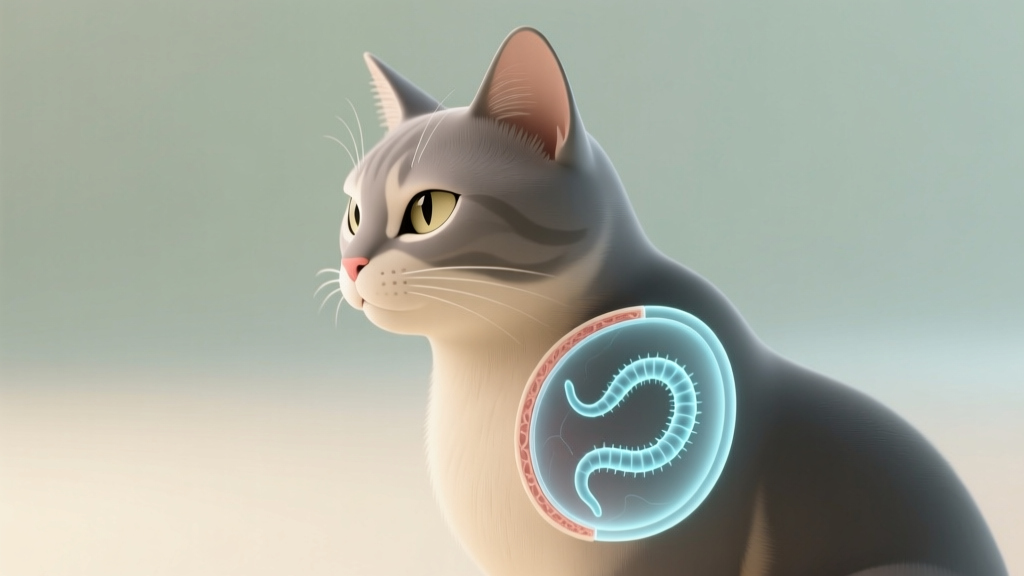
Vaccinations start at 6–8 weeks (FVRCP core vaccine)—not earlier—because maternal antibodies interfere. However, deworming is critical: kittens are commonly born with roundworms (Toxocara cati) passed transplacentally. Administer fenbendazole (Panacur) at 2, 4, 6, and 8 weeks—dosed by weight (1 mL per 2.2 lbs). Always confirm with fecal float test before deworming, as some parasites require different meds (e.g., coccidia needs sulfadimethoxine). Your vet will tailor the schedule.
Is it okay to hold or cuddle a very young kitten?
Yes—but with strict boundaries. Gentle handling for 5–10 minutes, 2–3x daily supports neurodevelopment and bonding. However, excessive handling raises stress cortisol, suppresses immunity, and risks chilling. Always wash hands before touching, support the entire body (never dangle), and return to warmth immediately after. Avoid kissing or sharing bedding—zoonotic pathogens like Bartonella or ringworm can transmit easily.
Common Myths About Caring for Very Young Kittens
Myth #1: “If the mother abandoned them, they’re defective or sick.”
Truth: Queens abandon kittens for non-medical reasons—stress, overcrowding, or perceived threats. Many ‘abandoned’ kittens are perfectly healthy and simply need human intervention. Always assess temperature, hydration, and suckle reflex before assuming illness.
Myth #2: “They’ll bond better if I raise them 24/7 like a baby.”
Truth: Over-handling disrupts natural sleep cycles and cortisol rhythms. Kittens need 18–20 hours of uninterrupted sleep daily for brain development. Scheduled, calm interactions build trust—constant holding does not. Quality > quantity.
Related Topics (Internal Link Suggestions)
- Kitten vaccination schedule — suggested anchor text: "when to vaccinate kittens"
- Signs of kitten dehydration — suggested anchor text: "kitten dehydration symptoms"
- Best kitten milk replacer brands — suggested anchor text: "top vet-recommended kitten formula"
- How to stimulate a kitten to poop — suggested anchor text: "kitten stimulation technique"
- Orphaned kitten weight chart — suggested anchor text: "neonatal kitten growth tracker"
Your Next Step Starts Now
You now hold actionable, vet-validated knowledge that separates thriving kittens from tragic losses. But knowledge alone isn’t enough—you need consistency, vigilance, and the courage to act fast when something feels off. So tonight, set two alarms: one for 2 a.m. feeding, one for 5 a.m. stimulation. Print the care timeline table. Weigh your kitten tomorrow morning—and compare it to the 5–10g/day target. If you see any red flags in the table, call your emergency vet *before* symptoms worsen. Remember: you’re not just caring for a pet. You’re acting as a temporary ICU nurse for a life that couldn’t survive without you. That’s profound—and entirely within your power.