Feline Pearsonema: Bladder Wall Nematode
1) Why this topic matters to cat owners
When a cat starts visiting the litter box more often, peeing outside the box, or showing discomfort while urinating, most owners think of a urinary tract infection (UTI), bladder inflammation (cystitis), or urinary crystals. Those are common issues—but there’s a less familiar cause that can look very similar: a parasitic bladder infection from a worm called Pearsonema (sometimes listed under the older name Capillaria). While it’s not the most common urinary problem in cats, it’s worth knowing about because:
- It can cause ongoing urinary signs that don’t respond as expected to typical treatments.
- It may be missed without a specific urine test.
- With the right diagnosis and medication, most cats do very well.
If your cat has urinary symptoms, a veterinarian should always guide diagnosis and treatment. This article will help you understand what feline Pearsonema is, what to watch for, and how to reduce your cat’s risk.
2) Overview: What is Pearsonema (bladder wall nematode)?
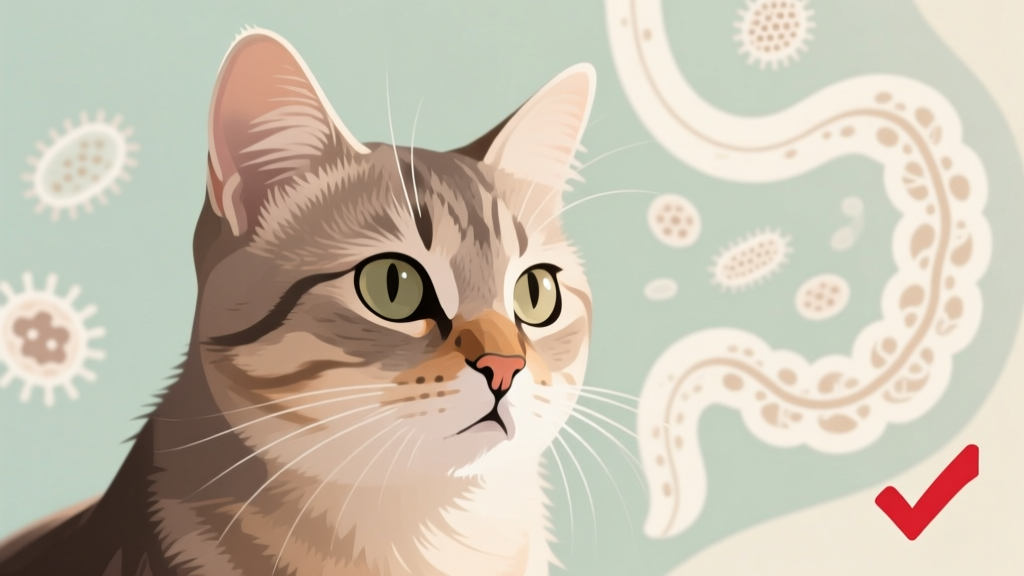
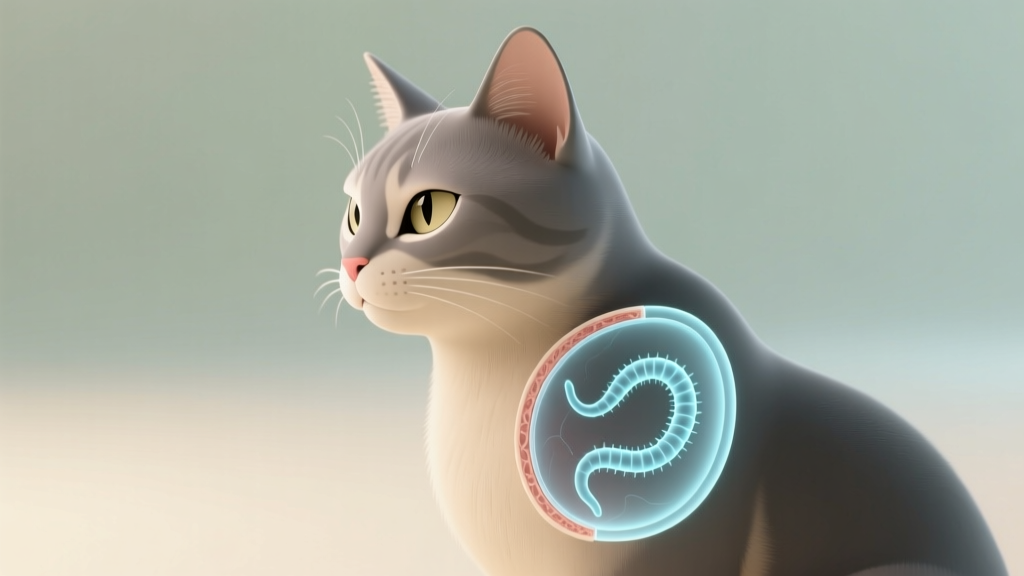
Pearsonema species are thin, thread-like nematodes (roundworms) that can live in the urinary tract. In cats, the parasite most often associated with urinary disease is Pearsonema plica, which primarily affects the urinary bladder and sometimes the urethra.
Plain-language explanation: These worms can irritate the bladder lining, leading to inflammation. That inflammation can cause signs similar to cystitis or a UTI. The worms lay eggs that may be passed in urine, which is one way veterinarians can detect the infection.
How common is it? Pearsonema infection is considered uncommon in many pet cat populations, but it can occur, particularly in cats with outdoor access or exposure to wildlife. Because it mimics other urinary conditions, it may be underdiagnosed.
Why it can be confusing: Many cats with urinary signs have “sterile cystitis” (inflammation without bacteria) or urinary crystals. Pearsonema can produce the same symptoms, and routine treatment won’t help unless the parasite is identified and addressed.
3) Symptoms and warning signs to watch for
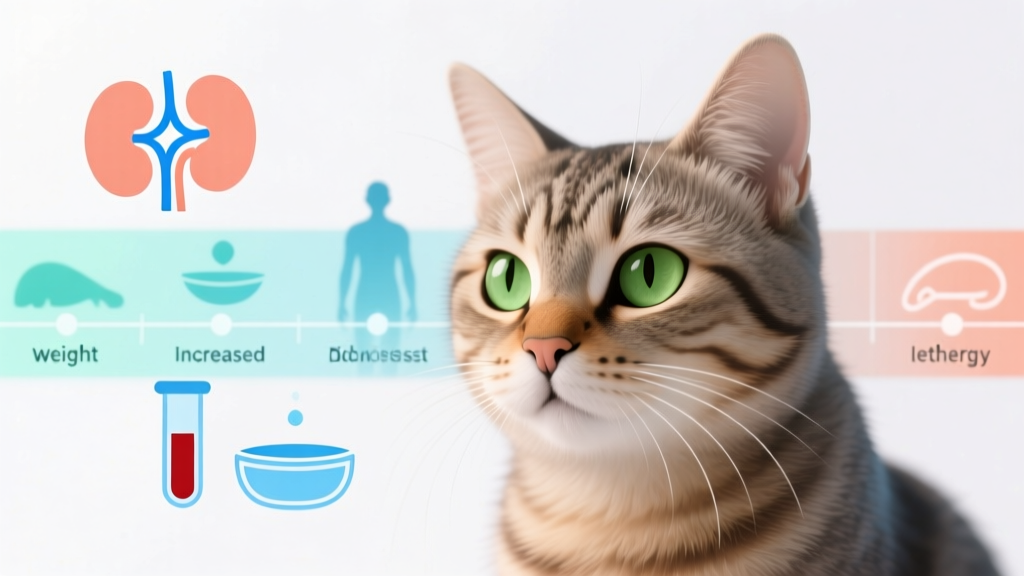
Some cats have mild infections with few or no obvious signs. Others develop noticeable urinary discomfort. Common signs include:
- Frequent trips to the litter box (pollakiuria)
- Straining to urinate (stranguria)
- Pain or vocalizing during urination
- Blood in the urine (pink-tinged urine or visible red drops)
- Urinating outside the litter box (often due to discomfort)
- Excessive licking of the genital area
- Strong-smelling urine (not specific, but sometimes noticed)
- General signs of not feeling well (reduced appetite, hiding, irritability)
What you can do today: If you notice any urinary changes, start a simple log for your vet:
- How often your cat urinates
- Any straining, crying, or only producing small amounts
- Any accidents outside the litter box
- Changes in appetite, energy, and water intake
4) Causes and risk factors
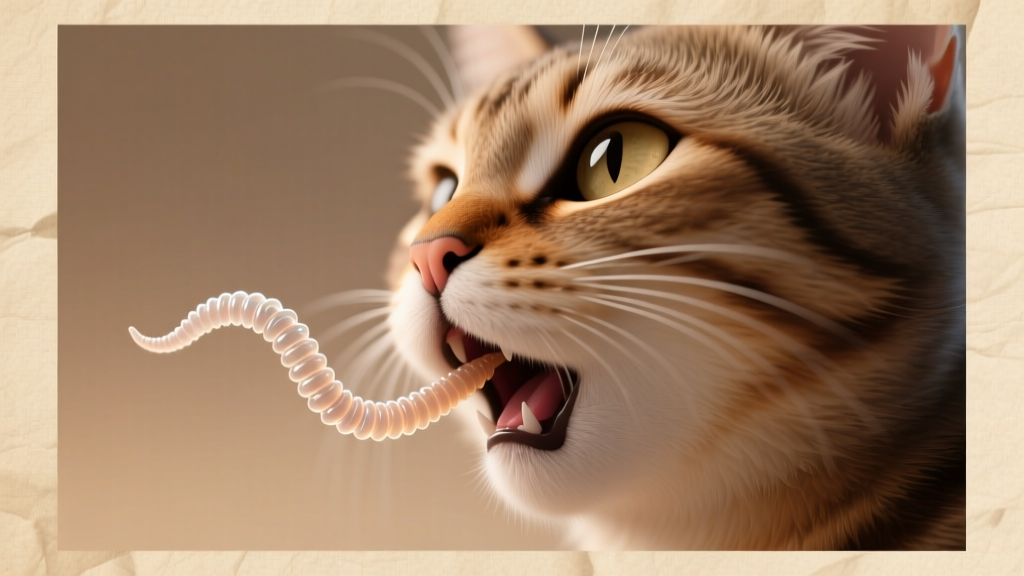
Cats become infected when they ingest infective stages of the parasite. The Pearsonema life cycle typically involves an intermediate host—most commonly earthworms. A cat may be exposed by eating an earthworm directly or by eating a paratenic (transport) host such as a small prey animal that has eaten earthworms.
Risk factors that increase the chance of exposure include:
- Outdoor access, especially hunting or roaming in moist soil areas
- Predation (catching rodents, birds, amphibians)
- Living in rural areas or near wooded environments
- Contact with wildlife (foxes and other wild carnivores can carry Pearsonema)
- Stray/rescue background with unknown parasite prevention history
Indoor-only cats are generally at lower risk, but infection can still occur if prey animals enter the home or if a cat occasionally goes outdoors.
5) Diagnosis: Methods and what to expect at the vet
Urinary signs are uncomfortable and can become urgent quickly, so your veterinarian will focus on ruling out life-threatening issues (like urinary blockage) while working toward a diagnosis.
Common diagnostic steps include:
-
History and physical exam
- Your vet may palpate (feel) the bladder to assess size and pain.
- They’ll ask about outdoor access, hunting, and litter box habits.
-
Urinalysis
- This is the cornerstone test.
- The lab looks for blood, inflammation, crystals, and sometimes Pearsonema eggs under the microscope.
- Egg shedding can be intermittent, so a single urine sample may miss it.
-
Urine sediment examination
- A concentrated look at the urine under the microscope increases the chance of finding eggs.
-
Urine culture
- Helps confirm or rule out bacterial UTI. Some cats may have both issues at once.
-
Imaging (as needed)
- X-rays or ultrasound may be recommended to assess bladder wall inflammation, stones, or other abnormalities.
- Ultrasound can help rule out masses, bladder stones, or structural problems.
What to expect: Your vet may recommend collecting urine via cystocentesis (a quick needle draw from the bladder). It sounds scary, but it’s commonly performed, helps reduce contamination, and provides a high-quality sample for accurate testing.
6) Treatment options (medical, surgical, home care)
Medical treatment
Pearsonema is treated with prescription deworming medications chosen by your veterinarian. The exact drug and dosing schedule vary by region, availability, and your cat’s overall health. Options your vet may consider include certain anthelmintics (dewormers) used off-label in cats specifically for urinary capillariasis.
Key points for owners:
- Give medication exactly as directed and finish the full course.
- Your veterinarian may recommend a recheck urinalysis after treatment to confirm eggs are gone and inflammation is improving.
- If your cat has significant bladder inflammation, your vet may add pain control and possibly medications to reduce urethral spasm.
- If a bacterial infection is also present, your cat may need antibiotics based on culture results.
Surgical treatment
Surgery is not typically needed for Pearsonema infection itself. If diagnostics reveal bladder stones, obstruction risk, or other structural problems, surgery or procedural intervention might be discussed—but those are separate issues that can happen alongside urinary inflammation.
Home care and comfort measures
Home care supports healing and reduces stress on the urinary tract. Practical steps you can start right away (while still coordinating care with your veterinarian):
- Increase water intake:
- Feed more canned/wet food if appropriate for your cat.
- Use a cat water fountain.
- Offer multiple water stations in quiet areas.
- Optimize litter box setup:
- Provide one box per cat, plus one extra.
- Keep boxes clean; scoop at least daily.
- Use an unscented litter your cat likes.
- Reduce stress (stress can worsen urinary discomfort):
- Maintain routine.
- Provide hiding spots and vertical spaces.
- Separate resources (food, water, litter) for multi-cat households.
- Do not give human pain medication (many are toxic to cats). Always ask your vet for safe pain relief options.
7) Prevention strategies and early detection tips
Because Pearsonema is linked to environmental and prey exposure, prevention focuses on reducing opportunities for infection and catching urinary problems early.
- Limit hunting and outdoor roaming:
- Keep cats indoors, or use a catio/leash-and-harness time outdoors.
- Discourage predation by using interactive indoor play daily.
- Talk to your veterinarian about parasite prevention:
- Routine deworming and parasite control plans should match your cat’s lifestyle and local risks.
- Not all preventives target all parasites; your vet can tailor a plan.
- Schedule regular wellness exams:
- Annual exams for most adult cats; every 6 months for seniors or cats with chronic conditions.
- Ask if routine urinalysis is recommended for your cat.
- Watch for subtle litter box changes:
- Small clumps, frequent clumps, or spending longer in the box can be early clues.
- Consider clumping litter that makes output easier to monitor.
8) Prognosis and quality of life considerations
The outlook for cats with Pearsonema infection is generally good when the condition is properly diagnosed and treated. Many cats improve significantly once the parasite is eliminated and bladder inflammation settles down.
Factors that can affect recovery:
- Severity and duration of inflammation before treatment
- Whether there is also a bacterial UTI, bladder stones, or another urinary condition
- Your cat’s stress level and hydration habits
Quality of life tips during recovery:
- Keep your cat warm, comfortable, and on a predictable routine.
- Make the litter box extra accessible (especially for older cats).
- Follow through with rechecks so you’re not guessing whether the infection cleared.
9) When to seek emergency veterinary care
Urinary issues can become serious quickly, especially if a cat cannot pass urine. Seek urgent or emergency veterinary care if you notice any of the following:
- Straining with little or no urine produced
- Crying out or repeated, unproductive trips to the litter box
- Large, firm, painful abdomen or a very small, hard-to-feel bladder with severe discomfort
- Lethargy, vomiting, collapse, or refusal to eat alongside urinary signs
- Rapid worsening of symptoms over hours
Male cats are at higher risk for life-threatening urinary blockage due to their narrower urethra, but any cat with suspected obstruction needs immediate care.
10) FAQ: Common questions about feline Pearsonema
Can Pearsonema spread from cats to people?
Human infection from feline Pearsonema is considered very unlikely. The parasite’s life cycle typically involves environmental hosts like earthworms. That said, good hygiene is always smart: wash hands after cleaning the litter box and keep routine veterinary care up to date.
Will my cat’s urinary symptoms go away on their own?
Some cats have waxing and waning urinary signs, but if a parasite is involved, symptoms often persist or return without treatment. Urinary symptoms should always be evaluated by a veterinarian because conditions like obstruction or severe inflammation can escalate quickly.
My cat was treated for a UTI but didn’t improve. Could it be Pearsonema?
It’s possible. If symptoms persist after initial treatment, your veterinarian may recommend a repeat urinalysis, urine culture, and possibly imaging. Mention outdoor access and hunting habits—those details can help your vet decide whether to look specifically for parasite eggs.
How is Pearsonema different from bladder crystals or stones?
Pearsonema is a parasite that irritates the bladder lining. Crystals and stones are mineral formations that can also cause irritation or blockage. The signs can look similar, which is why lab testing and sometimes imaging are needed to tell them apart.
Should all outdoor cats be routinely dewormed for this?
Not necessarily with the same medication or schedule for every cat. Parasite prevention should be individualized based on your cat’s lifestyle, local parasite risks, and health status. Your veterinarian can recommend an appropriate plan and whether periodic urine testing makes sense.
How soon after treatment will my cat feel better?
Many cats start to feel relief within days to a couple of weeks, especially if pain is controlled and hydration improves. Full resolution depends on how inflamed the bladder was and whether other urinary problems are present. Your vet may recommend follow-up testing to confirm the infection has cleared.
If you’re concerned your cat might have urinary discomfort or recurrent “UTI-like” signs, schedule a veterinary visit promptly. With the right diagnosis and a targeted treatment plan, most cats recover well and return to comfortable litter box habits.
For more trustworthy cat health guides, practical care tips, and owner-friendly explanations, visit catloversbase.com.