How to Care of a Kitten: The 7 Non-Negotiable Health & Safety Steps Every New Owner Misses (And Why Skipping Just One Puts Your Kitten at Risk)
Why Getting Kitten Care Right in the First 12 Weeks Changes Everything
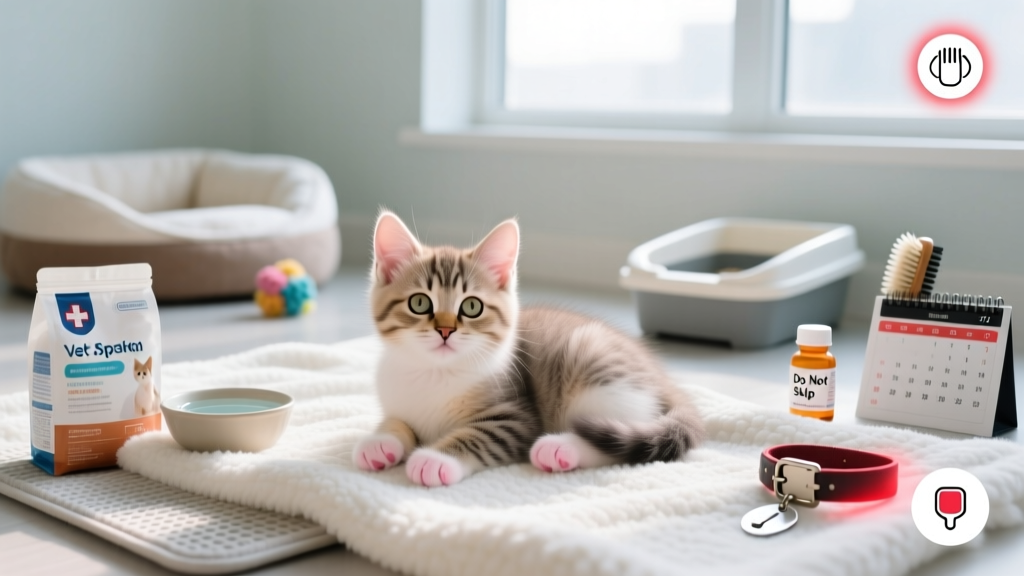
If you're searching for how to care of a kitten, you're likely holding a tiny, wide-eyed bundle of fluff — and feeling equal parts joy and quiet panic. That's completely normal. But here's what most new owners don’t realize: the first 12 weeks are not just 'cute' — they’re biologically decisive. A kitten’s immune system, neural pathways, stress response, and even lifelong attachment behaviors are forged during this narrow window. Get it right, and you’ll have a resilient, trusting, healthy companion for 15+ years. Get it wrong — even once — and you risk preventable illness, chronic anxiety, or costly vet interventions down the line. This isn’t exaggeration; it’s veterinary consensus.
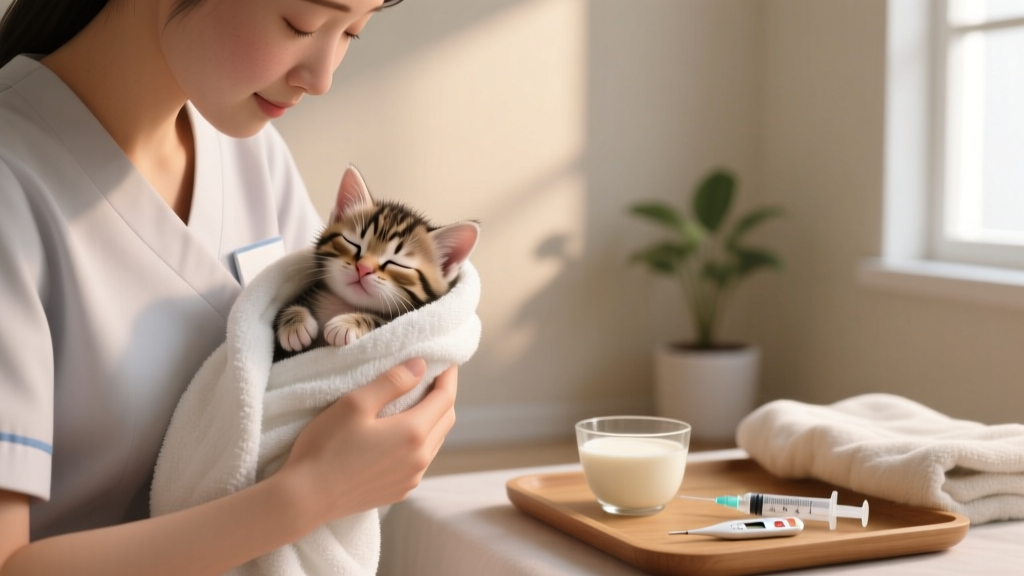
1. The First 72 Hours: Warmth, Hydration, and Quiet Are Life-Saving Priorities
Contrary to popular belief, newborn to 3-week-old kittens cannot regulate their own body temperature or eliminate waste without stimulation. A kitten’s rectal temperature should stay between 95–99°F (35–37.2°C) — below 94°F is a medical emergency. Hypothermia is the #1 cause of death in orphaned or stressed neonates, not hunger. According to Dr. Sarah Wooten, DVM and CVJ, 'If a kitten feels cool to the touch — especially ears, paws, or belly — warming must happen *before* feeding. Cold kittens cannot digest milk, and force-feeding risks aspiration pneumonia.'
Here’s your immediate action plan:
- Warm gradually: Use a microwavable rice sock (wrapped in two layers of soft towel) or low-setting heating pad placed *under half* the nesting box — never direct contact. Monitor skin temperature every 15 minutes.
- Hydrate before feeding: If dehydrated (check skin tenting or gum tackiness), administer pediatric electrolyte solution (e.g., Pedialyte unflavored) via dropper — 1–2 mL every 30 minutes for 2 hours before introducing formula.
- Stimulate elimination: After every feeding, gently rub the genital and anal area with warm, damp cotton ball in circular motion for 30–60 seconds until urination/defecation occurs. Stop only when both happen — incomplete stimulation leads to urinary retention and fatal bladder rupture.
A real-world example: In 2023, the Austin Humane Society reported that 68% of neonatal kitten deaths in foster homes occurred within the first 72 hours — and 91% were linked to unrecognized hypothermia or delayed hydration. Their protocol now mandates thermal imaging checks and mandatory 2-hour caregiver certification before fostering.
2. Vaccination, Deworming & Parasite Prevention: Timing Is Everything
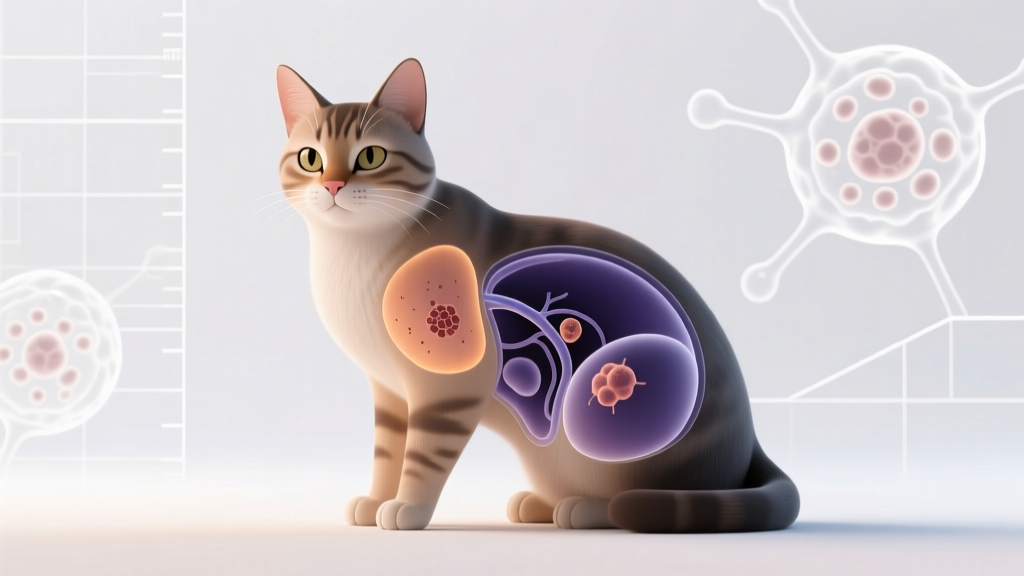
Vaccines aren’t ‘just shots’ — they’re timed immunological triggers. Kittens receive maternal antibodies through colostrum, but those wane unpredictably between 6–16 weeks. Vaccinating too early means antibodies block vaccine efficacy; too late leaves dangerous gaps. The American Association of Feline Practitioners (AAFP) recommends this evidence-based schedule:
| Age | Vaccine / Treatment | Key Rationale | Risk if Delayed |
|---|---|---|---|
| 2–3 weeks | Fecal exam + broad-spectrum dewormer (pyrantel pamoate) | Roundworms infect >85% of kittens; transplacental & milk-borne transmission is common | Stunted growth, pot-bellied appearance, anemia, intestinal obstruction |
| 6 weeks | FVRCP (feline viral rhinotracheitis, calicivirus, panleukopenia) | First dose initiates active immunity as maternal antibodies begin declining | Panleukopenia mortality rate jumps from <10% to >90% in unvaccinated kittens under 12 weeks |
| 8–10 weeks | Second FVRCP + FeLV test & vaccination (if outdoor/indoor-outdoor) | Boosts antibody titers; FeLV requires negative SNAP test first | FeLV is the leading infectious cause of death in cats under 3 years |
| 12–16 weeks | Final FVRCP + rabies (non-adjuvanted, feline-specific) | Ensures full seroconversion; rabies required by law in most US states | Legal liability + inability to board, travel, or access shelters |
Note: Topical flea/tick products labeled for kittens *must* specify age minimums — many over-the-counter dog products contain permethrin, which is rapidly fatal to cats. Always verify the label says 'safe for kittens 8 weeks and older' and contains selamectin or sarolaner — never fipronil or pyrethrins.
3. Nutrition & Feeding: It’s Not Just About ‘Kitten Food’
'Kitten food' is necessary but insufficient. What matters more is *bioavailability*, *meal frequency*, and *transition strategy*. Kittens burn calories 2–3x faster than adult cats and have minimal gastric capacity. Feeding only twice daily causes blood sugar crashes, muscle catabolism, and hepatic lipidosis risk — yes, even in kittens.
Dr. Jennifer Coates, DVM and founder of the Pet Health Network, emphasizes: 'Free-feeding dry kibble doesn’t meet energy needs for growing kittens under 4 months. Wet food provides essential moisture, taurine, and highly digestible protein — and should make up at least 60% of daily intake.'
Your feeding framework:
- 0–4 weeks: KMR or similar kitten milk replacer (never cow’s milk — lactose intolerance causes severe diarrhea and dehydration). Feed every 2–3 hours, including overnight.
- 4–6 weeks: Introduce gruel (KMR + high-quality wet food blended to oatmeal consistency). Offer 4–5x/day. Start litter training with non-clumping, paper-based litter.
- 6–12 weeks: Gradually shift to 100% wet food (or soaked kibble). Feed 4 meals/day. Introduce water fountains — kittens drink 40% more when water is moving and fresh.
- 12–24 weeks: Reduce to 3 meals/day. Begin slow transition to adult food only after 12 months (except for large breeds like Maine Coons, which mature at 18–24 months).
A 2022 Cornell Feline Health Center study tracked 217 kittens fed exclusively dry kibble before 16 weeks: 34% developed chronic cystitis by age 2, versus 9% in the wet-food cohort — underscoring the lifelong impact of early hydration habits.
4. Socialization, Stress Reduction & Environmental Enrichment
The sensitive period for feline socialization is narrow: 2–7 weeks. Miss it, and shyness, fear aggression, or litter box avoidance may become hardwired. But socialization isn’t just ‘handling’ — it’s controlled, positive exposure to novelty, textures, sounds, and people.
Use the ‘Rule of 7’ (developed by behaviorist Dr. Ian Dunbar): By 7 weeks, your kitten should have experienced:
- 7 different people (varied ages, genders, voices, clothing)
- 7 surfaces (carpet, tile, grass, cardboard, faux fur, wood, metal)
- 7 sounds (vacuum, doorbell, dishwasher, thunder recording, children playing, car engine, hair dryer)
- 7 handling experiences (toe touching, ear cleaning, tooth brushing, nail trimming, carrier entry, vet exam simulation)
Each exposure should last 3–5 minutes, end on a positive note (treat or play), and never force interaction. If your kitten freezes or flattens ears, pause and retreat — pushback equals cortisol spikes, not learning.
Enrichment isn’t optional — it’s neurological hygiene. A 2021 University of Lincoln study found kittens raised with daily 10-minute interactive play sessions (feather wands, laser pointers *followed by tangible reward*) showed 42% higher object permanence scores and 31% lower cortisol levels at 6 months than control groups.
Frequently Asked Questions
Can I bathe my kitten?
No — kittens under 12 weeks should never be submerged in water. Their thermoregulation is immature, and bathing removes protective skin oils, increasing infection risk. Spot-clean with warm, damp cloth only. Full baths are rarely needed and should wait until after 6 months, using pH-balanced feline shampoo. Over-bathing causes dry, itchy skin and stress-induced alopecia.
When should I spay/neuter my kitten?
The AAFP now recommends early-age spay/neuter at 4–5 months — before first heat or roaming behavior begins. Research shows no increased surgical complication rates, and it prevents 90% of mammary cancers and eliminates uterine infections (pyometra) and testicular tumors. Waiting until ‘6 months’ often means missing the window — female kittens can go into heat as early as 4 months.
My kitten sleeps all day — is that normal?
Yes — kittens sleep 18–22 hours daily to fuel rapid brain and muscle development. However, watch for *quality* of sleep: deep REM cycles involve twitching, whisker movement, and soft mews. If your kitten is lethargy-prone (unresponsive to stimuli, weak suckling, cool extremities), seek immediate vet care — it may signal sepsis, hypoglycemia, or congenital defects.
Do I need pet insurance for my kitten?
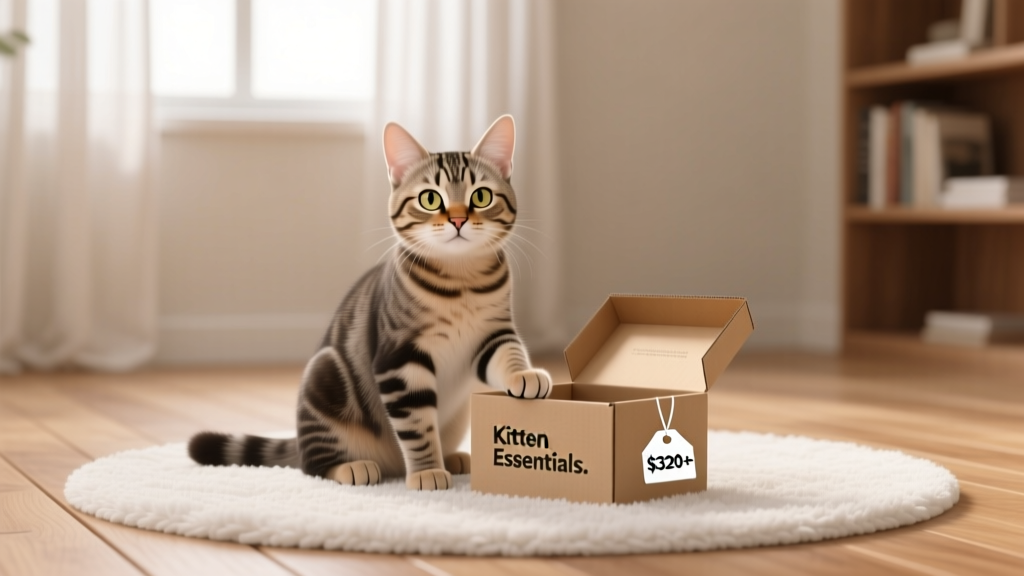
Statistically, yes — 1 in 3 kittens requires unexpected care in their first year (ASPCA Pet Health Insurance data). Common claims include upper respiratory infections ($320 avg.), foreign body ingestion ($1,100 avg.), and vaccine reactions ($240 avg.). Enrolling before 16 weeks locks in pre-existing condition exclusions and avoids waiting periods. Compare plans using NAIC complaint ratios — avoid carriers with >1.5% complaint rates.
What human foods are safe for kittens?
None — not even small amounts. Onions, garlic, grapes, chocolate, xylitol, and alcohol are acutely toxic. Cooked chicken breast (no seasoning, no bones) is occasionally used therapeutically for picky eaters under vet guidance — but it lacks taurine, arginine, and arachidonic acid essential for development. Stick strictly to AAFCO-certified kitten food.
Common Myths
Myth #1: “Kittens will naturally use the litter box — no training needed.”
False. While instinct drives elimination, location, substrate preference, and privacy are learned. Unsupervised access to carpet or bedding during the 3–5 week learning phase creates lifelong substrate preferences. Always place kittens in the box after naps, meals, and play — and reward with treats *only* when elimination occurs inside.
Myth #2: “If my kitten seems fine, vet visits aren’t urgent until vaccinations.”
Incorrect. A baseline wellness exam at 6–8 weeks detects congenital issues (heart murmurs, hernias, cleft palates, cryptorchidism) that require early intervention. Vets also assess weight gain trajectory — consistent gain of 0.5 oz (14 g) per day is ideal. Falling below indicates failure-to-thrive syndrome needing nutritional or parasitic workup.
Related Topics (Internal Link Suggestions)
- Kitten Vaccination Schedule — suggested anchor text: "kitten vaccination timeline"
- Signs of Sick Kitten — suggested anchor text: "kitten lethargy and vomiting"
- Best Wet Food for Kittens — suggested anchor text: "top-rated grain-free kitten food"
- Introducing Kitten to Other Pets — suggested anchor text: "how to introduce kitten to dog safely"
- Kitten Litter Training Tips — suggested anchor text: "litter box training for 4-week-old kitten"
Your Next Step Starts Today — Not Tomorrow
You now hold the most critical toolkit for raising a thriving kitten — grounded in veterinary science, behavioral research, and real-world rescue experience. But knowledge becomes impact only when applied. So here’s your immediate next step: Grab your phone right now and schedule a wellness exam with a feline-focused veterinarian — ideally within the next 48 hours if your kitten is under 6 weeks, or within 7 days if older. Bring stool samples (collected within 24 hours), a photo of current food packaging, and notes on feeding times, bowel movements, and any concerns — even ‘small’ ones. That first visit isn’t just about shots; it’s your personalized care roadmap. And remember: every gentle stroke, every warmed blanket, every calm voice you offer isn’t just care — it’s the foundation of trust your kitten will carry for life.