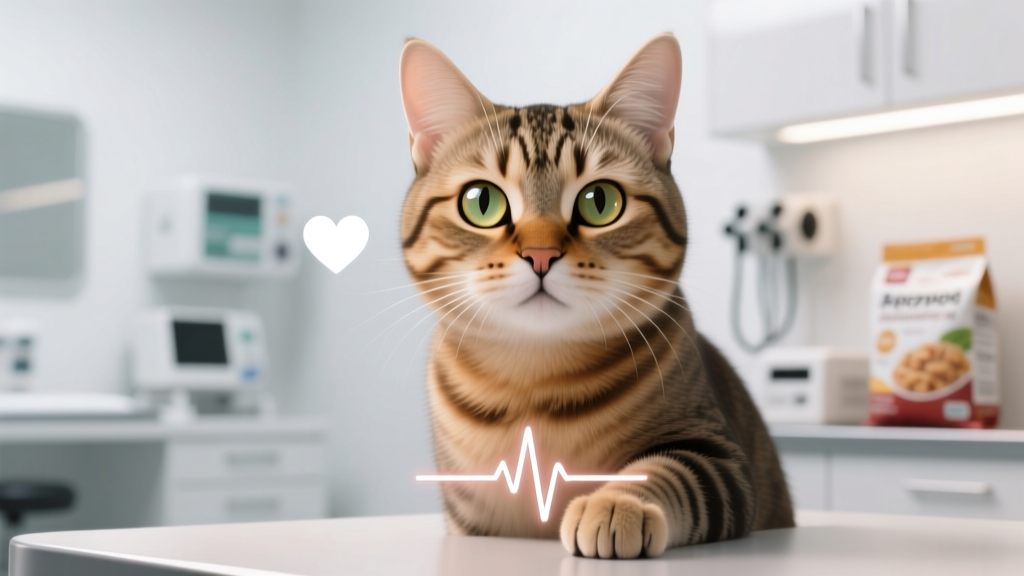
Cat Laryngeal Paralysis Polyneuropathy Complex
1. Why this topic matters to cat owners
Breathing should be quiet and effortless for cats. When a cat starts making unusual sounds while breathing, seems short of breath, or struggles more during heat or activity, it can be frightening—and it deserves prompt veterinary attention. One uncommon but serious cause is Laryngeal Paralysis Polyneuropathy Complex (LPPC), a condition where the “voice box” (larynx) doesn’t open properly because the nerves (and sometimes muscles) that control it aren’t working as they should.
LPPC is more commonly discussed in dogs, but it can occur in cats, too. The good news is that many cats can be helped once the problem is recognized, stress is minimized, and a veterinarian creates a plan tailored to the cat’s needs. Knowing the early warning signs can help you act before a breathing episode becomes an emergency.
2. Overview: What is LPPC in cats?
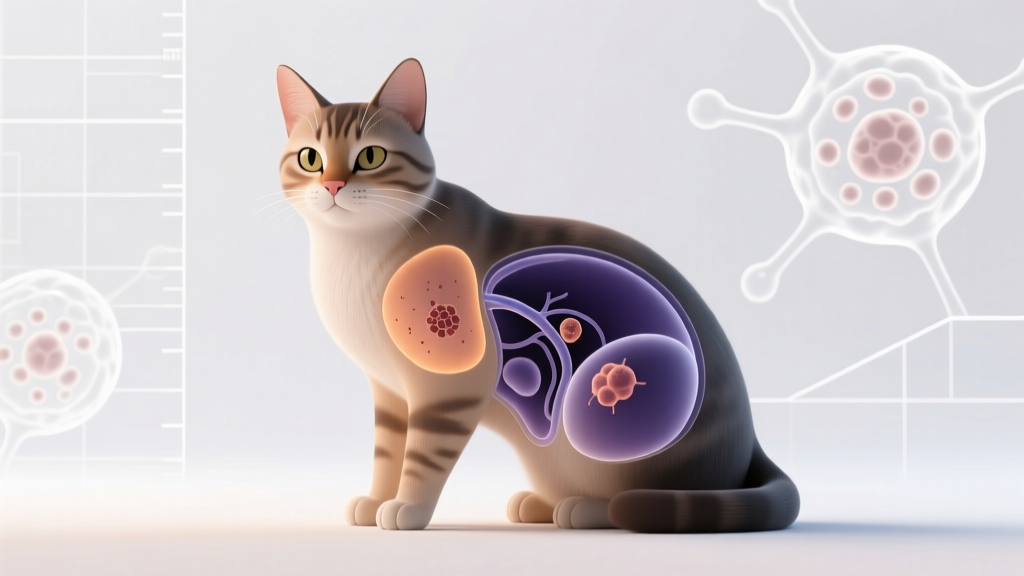
The larynx sits at the top of the windpipe (trachea). It has small cartilage “flaps” (arytenoid cartilages) that move during breathing:
- When your cat inhales, the larynx opens wider to let air in easily.
- When your cat swallows, it helps protect the airway so food and water go into the esophagus instead of the lungs.
Laryngeal paralysis means the larynx doesn’t open normally during inhalation. Airflow becomes restricted, and the cat has to work harder to breathe. You may hear noisy breathing because air is being pulled through a narrowed opening.
The “polyneuropathy complex” part refers to a broader nerve disorder that affects multiple nerves in the body. In some cats, the laryngeal problem is just one sign of a more generalized nerve condition. This can explain why some cats also develop weakness, an odd gait, reduced reflexes, or changes in voice and swallowing.
Because LPPC affects breathing and can worsen quickly during stress or heat, it’s considered a condition where early veterinary involvement makes a real difference.
3. Symptoms and warning signs to watch for
Symptoms can be subtle at first and may come and go. Contact your veterinarian if you notice any of the following.
Breathing and airway signs
- Noisy breathing (especially on inhalation), sometimes described as harsh, raspy, or high-pitched
- Increased effort to breathe (chest/abdominal effort, flared nostrils)
- Exercise intolerance (your cat stops playing sooner, sits down, or pants)
- Panting (more concerning in cats than in dogs, especially if it’s new)
- Worsening in heat, humidity, or stress
Voice, swallowing, and eating changes
- Change in meow (hoarse, quieter, or different tone)
- Coughing or gagging, especially after drinking
- Regurgitation (food coming back up without retching)
- Difficulty swallowing or messy eating
Whole-body or nerve-related signs (possible polyneuropathy)
- Weakness, stumbling, or a “drunken” gait
- Reduced jumping ability
- Muscle loss over time
- Reduced reflexes (not something you can test at home, but your vet may find it)
Practical tip you can use today
- Record a short video of the breathing noise or effort (especially during an episode). Cats often breathe more normally at the clinic, and a video helps your vet evaluate what you’re seeing at home.
4. Causes and risk factors
LPPC can develop for different reasons, and sometimes the exact cause isn’t identified. Your veterinarian will focus on likely contributors and rule-outs.
Potential causes
- Idiopathic (unknown) laryngeal paralysis: no clear underlying cause is found
- Generalized neuropathy: nerve disorders that affect multiple areas, including the larynx
- Trauma or injury: neck trauma or previous procedures may rarely affect laryngeal function
- Inflammation or masses: conditions that physically interfere with laryngeal movement can mimic or worsen paralysis
- Neuromuscular disease: less common, but disorders impacting nerve-to-muscle communication may contribute
Risk factors that may increase the chance of trouble
- Older age (not always, but risk may increase with age)
- Obesity (extra weight increases breathing workload)
- Stress and heat exposure (can trigger or worsen episodes)
- Existing airway disease (asthma, chronic bronchitis) that compounds breathing difficulty
If your cat has a history of respiratory problems, don’t assume new noisy breathing is “just asthma.” LPPC requires a different approach, and a veterinary exam is the safest path.
5. Diagnosis: What to expect at the vet
Because cats can deteriorate if they become stressed or overheated, veterinarians typically prioritize calm handling and oxygen support when needed. Diagnosis often happens in steps.
Common evaluation steps
- History and physical exam: your vet will ask about triggers (heat, excitement), voice changes, coughing after drinking, and activity tolerance.
- Observation of breathing: respiratory rate/effort, upper airway noise, gum color, and overall stability.
- Chest X-rays: to look for pneumonia (especially aspiration pneumonia), heart size, and other lung concerns.
- Upper airway exam (laryngeal exam): the definitive assessment often requires light sedation so the vet can watch how the larynx moves during breathing.
- Bloodwork: helps evaluate overall health, inflammation, organ function, and readiness for sedation/anesthesia.
- Neurologic exam: if a polyneuropathy is suspected, your vet will assess gait, posture, reflexes, and muscle tone.
Specialized testing (case-dependent)
- Advanced imaging (CT/MRI) if a mass, structural issue, or complex neurologic cause is suspected
- Airway endoscopy to assess the throat/larynx more thoroughly
- Electrodiagnostics (in referral settings) to evaluate nerve and muscle function when generalized neuropathy is suspected
What you can do to help the appointment go smoothly: Keep your cat as calm as possible during transport, bring videos of breathing episodes, and tell your veterinarian about any fainting, bluish gums, recent vomiting/regurgitation, or coughing after drinking.
6. Treatment options (medical, surgical, and home care)
Treatment depends on how severe the breathing compromise is and whether there are signs of aspiration (food/water entering the lungs) or a broader nerve disorder. Your veterinarian will recommend the safest approach for your individual cat.
Medical and supportive care
- Stress reduction and oxygen therapy: for cats in distress, oxygen and gentle handling can be lifesaving.
- Sedation/anxiolysis: carefully chosen medications may reduce panic and breathing effort during episodes.
- Anti-inflammatory medications: sometimes used when inflammation is contributing, but only under veterinary guidance (never give human meds).
- Treatment of aspiration pneumonia: if present, this can include antibiotics, supportive care, and sometimes hospitalization.
- Management of concurrent conditions: such as asthma, heart disease, or obesity, to reduce overall breathing burden.
Surgical options
Surgery is considered when laryngeal paralysis significantly limits airflow or causes repeated breathing crises. In dogs, a “tie-back” procedure (laryngeal lateralization) is common; in cats, surgical decisions are more individualized due to anatomy, size, and risk considerations. Potential surgical goals include improving the airway opening while balancing the risk of aspiration.
- Airway-opening surgery: may improve breathing but can increase aspiration risk, so careful candidate selection matters.
- Temporary or emergency airway support: in critical cases, a vet may recommend a temporary airway procedure (such as a tracheostomy) to stabilize breathing. This is typically a hospital-level intervention.
Your veterinarian or a surgical specialist will explain the benefits, risks, and aftercare needs in plain language before you decide.
Home care (what owners can do day-to-day)
- Keep your cat cool: use air conditioning or fans, avoid hot rooms, and never leave your cat in a warm car or enclosed space.
- Limit intense activity: encourage gentle play; stop if breathing becomes noisy or labored.
- Use a harness, not a neck collar: reduce pressure on the throat.
- Feed thoughtfully: your vet may recommend smaller meals, a specific food texture, slow feeding, or elevated bowls depending on swallowing function.
- Monitor breathing: learn your cat’s normal resting respiratory rate and effort. If you’re unsure how, ask your vet to show you.
Always consult a veterinarian before making changes to diet texture, starting supplements, or using calming products, especially if aspiration risk is a concern.
7. Prevention strategies and early detection tips
Not every case of LPPC can be prevented, but owners can reduce triggers and catch problems earlier.
Actionable prevention and early-detection steps
- Maintain a healthy weight: even a small reduction in overweight cats can decrease breathing workload.
- Avoid heat stress: provide cool resting spots and fresh water; keep your home comfortably cool during hot weather.
- Choose low-stress handling: calm carriers, pheromone sprays (vet-approved), and quiet transport reduce panic-related flare-ups.
- Schedule regular wellness exams: subtle voice changes or mild noisy breathing can be picked up earlier.
- Track trends: note episodes of noisy breathing, coughing after drinking, or reduced activity tolerance; share this log with your vet.
8. Prognosis and quality of life considerations
Prognosis depends on:
- Severity of airway obstruction
- Whether aspiration pneumonia occurs
- Presence and progression of generalized neuropathy
- How quickly the condition is recognized and managed
Many cats can enjoy a good quality of life with a thoughtful plan—especially when owners focus on keeping them cool, calm, and at a healthy weight, and when follow-up care is consistent. If a polyneuropathy is involved, your veterinarian may discuss long-term monitoring for mobility changes and swallowing safety, plus adjustments to the home environment (ramps, easier litter box access, non-slip surfaces).
9. When to seek emergency veterinary care
Because airway problems can escalate quickly, seek emergency care immediately if you notice any of the following:
- Open-mouth breathing or persistent panting not linked to brief stress
- Blue, gray, or very pale gums (or tongue)
- Severe breathing effort (belly heaving, neck stretched out, unable to settle)
- Collapse, extreme weakness, or disorientation
- Breathing distress after eating or drinking (possible aspiration)
- Sudden worsening of noisy breathing, especially in heat
What to do while you’re on the way: Keep your cat calm, minimize handling, lower the car temperature, and avoid forcing your cat to drink or eat. Call the emergency clinic ahead of time so they’re ready to provide oxygen support immediately.
10. FAQ: Common questions about LPPC in cats
Can laryngeal paralysis be mistaken for asthma or a hairball problem?
Yes. Cats with LPPC may have noisy breathing or coughing/gagging that owners interpret as asthma, hairballs, or “reverse sneezing.” The difference is that LPPC often causes upper airway noise and increased effort mainly on inhalation. Asthma tends to involve the lower airways and may cause wheezing and coughing. Because overlap is possible, a veterinary exam (and often imaging and airway evaluation) is the safest way to sort it out.
Is LPPC contagious?
No. LPPC is not an инфекtion that spreads from cat to cat. It’s a problem with laryngeal function and, in many cases, the nerves that control it.
Will my cat need surgery?
Not always. Mild cases may be managed with lifestyle changes (cool environment, stress reduction, harness use), weight management, and monitoring. More severe cases or those with repeated breathing crises may benefit from surgical intervention. Your veterinarian will weigh breathing improvement against aspiration risk and overall health.
What does an episode look like, and how should I respond at home?
An episode may include loud breathing, visible effort, panting, anxiety, and worsening with excitement or heat. At home, focus on cooling and calming: move your cat to a quiet, cool room, reduce stimulation, and contact your veterinarian for guidance. If breathing is labored, gums change color, or your cat can’t settle, treat it as an emergency.
Does LPPC mean my cat has a neurologic disease?
Not necessarily, but it can. Some cats have isolated laryngeal paralysis, while others have signs of broader nerve involvement (polyneuropathy). If your cat shows weakness, coordination changes, or trouble swallowing, your vet may recommend neurologic assessment or referral.
How can I make my home safer for a cat with suspected LPPC?
- Keep rooms cool and well-ventilated
- Switch to a harness for any necessary restraint
- Use low-dust litter and avoid strong fragrances that can irritate airways
- Provide ramps or steps if weakness is developing
- Ask your vet about the safest feeding setup if swallowing seems off
If your cat has any breathing changes, don’t wait it out—schedule an exam. Early evaluation can prevent frightening emergencies and help your cat stay comfortable.
For more caring, practical cat health guidance, visit catloversbase.com and explore our growing library of wellness resources.