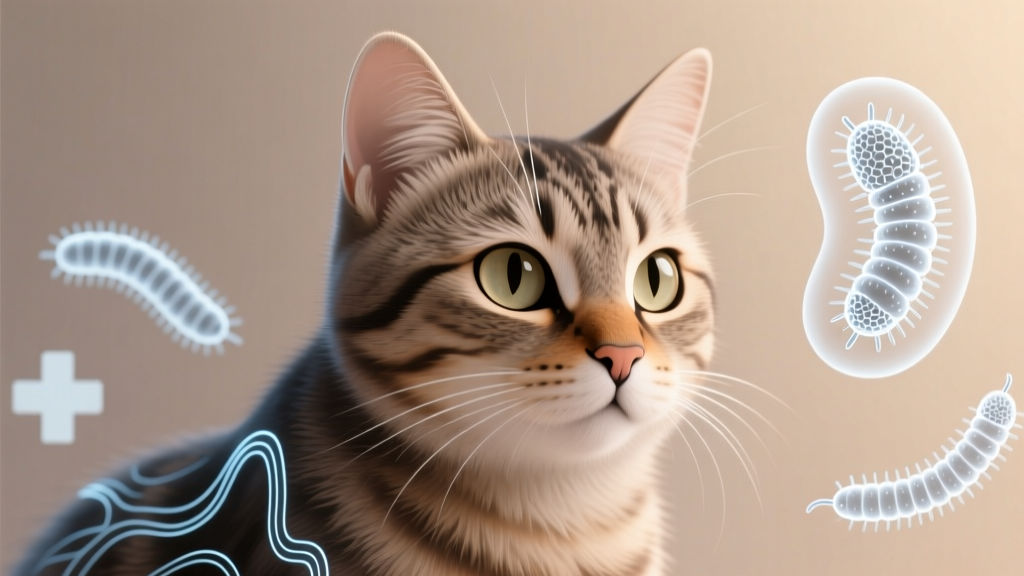
Cat Acanthocephalan: Thorn-Headed Intestinal Worm
1. Why this topic matters to cat owners
Most cat parents have heard of roundworms, hookworms, or tapeworms. Acanthocephalans—often called thorn-headed intestinal worms—are much less common, but they can still affect cats, especially those that hunt or spend time outdoors. Because these parasites aren’t on every owner’s radar, infections may go unnoticed until a cat develops vomiting, diarrhea, weight loss, or signs of intestinal irritation.
The good news: with timely veterinary care, many cats recover well. Understanding how thorn-headed worms are acquired, what symptoms to watch for, and how veterinarians diagnose and treat them can help you protect your cat’s comfort and long-term health.
2. Overview: what are acanthocephalans (thorn-headed worms)?
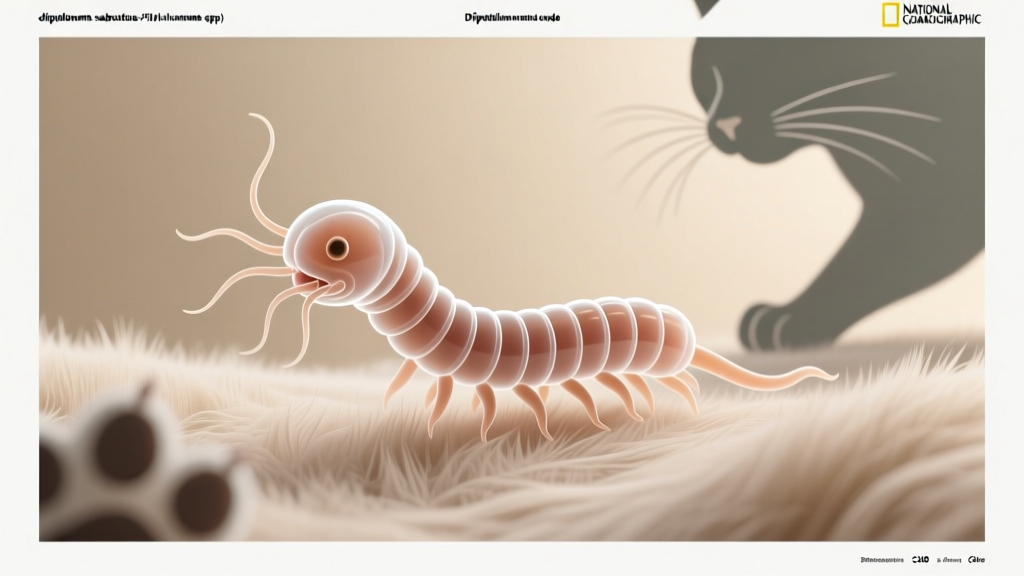
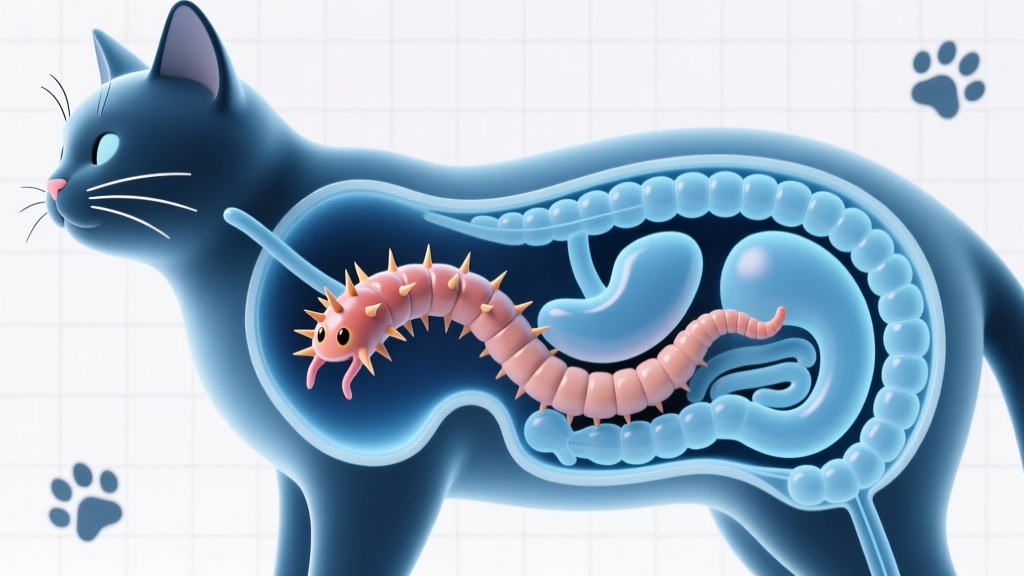
Acanthocephalans are a group of parasitic worms that live in the intestines of various animals. They’re nicknamed “thorn-headed” because they attach to the intestinal wall using a spiny, retractable structure (a proboscis) that can embed in the lining.
In plain language, here’s what that means for your cat:
- They’re intestinal parasites that can cause inflammation where they attach.
- They usually require an intermediate host (often an insect or small invertebrate) to complete their life cycle.
- Cats typically get infected by eating a carrier (for example, a bug, or sometimes a small prey animal that has eaten infected bugs).
Compared with more common intestinal worms, acanthocephalan infections in cats are relatively uncommon and can be geographically variable. Still, outdoor access, hunting, and exposure to insects raise risk.
3. Symptoms and warning signs to watch for
Some cats show mild signs, and others can become quite uncomfortable—especially if there is significant intestinal irritation. Signs can overlap with many other digestive problems, so a veterinary exam is the safest way to sort out the cause.
Common signs
- Diarrhea (sometimes intermittent)
- Vomiting
- Decreased appetite or picky eating
- Weight loss or failure to maintain weight
- Abdominal discomfort (hunched posture, sensitivity when picked up)
- Lethargy or reduced playfulness
Less common but more concerning signs
- Blood or mucus in stool
- Straining to defecate
- Dehydration (dry gums, sunken eyes, “tacky” mouth)
- Worsening weakness
Practical at-home checks you can do today
- Track appetite, vomiting, and stool quality in a notes app for 3–5 days.
- Take a clear photo of any abnormal stool (including mucus or blood) to show your vet.
- Weigh your cat weekly if possible (a baby scale works well), especially if you suspect weight loss.
4. Causes and risk factors
Acanthocephalans have an indirect life cycle, meaning your cat typically won’t get them from simply sharing a litter box with another cat. Infection is more associated with what your cat eats or hunts.
How cats become infected
- Eating an intermediate host: many acanthocephalans use insects or other invertebrates to develop.
- Eating a “transport” host: small prey animals (like rodents) may carry the infective stage after consuming infected insects.
Risk factors
- Outdoor access (even part-time)
- Hunting behavior (rodents, insects, lizards depending on region)
- Living in areas with high insect exposure (yards, barns, rural properties)
- Young cats or cats with other health issues may show stronger symptoms if infected
- Lack of routine veterinary parasite prevention (even indoor cats can be exposed through insects that enter the home)
5. Diagnosis: what to expect at the vet
If you suspect intestinal parasites—or if your cat has ongoing GI signs—schedule a veterinary visit. Bring a fresh stool sample if you can (your clinic can tell you the best way to collect and store it). Diagnosis is important because treatment depends on the parasite involved, and not every dewormer works on every worm.
Veterinary evaluation may include
- History and physical exam: outdoor access, hunting, diet changes, vomiting/diarrhea timeline, weight trend.
- Fecal testing:
- Fecal flotation (looks for eggs under a microscope)
- Fecal sedimentation (sometimes used for heavier eggs or when flotation is negative but suspicion remains)
- Repeat fecals may be recommended because egg shedding can be intermittent.
- Bloodwork if your cat is dehydrated, losing weight, or has prolonged signs (helps assess inflammation, organ function, and overall stability).
- Imaging (X-rays or ultrasound) if there’s concern for intestinal thickening, obstruction, or another condition mimicking parasites.
Why fecal tests can be tricky
Even when worms are present, eggs may not appear in every sample. If your cat has ongoing symptoms and initial testing is negative, your veterinarian may recommend additional testing, a different fecal method, or rechecks.
6. Treatment options (medical, surgical, home care)
Treatment is individualized. Your veterinarian will choose medications based on the suspected or confirmed parasite, your cat’s age and health status, and the severity of symptoms.
Medical treatment
- Targeted deworming medication: Your veterinarian may use an anthelmintic appropriate for acanthocephalan infection (or a broader plan if multiple parasites are possible). Do not self-prescribe dewormers—many over-the-counter products won’t cover unusual parasites, and dosing errors can be dangerous.
- Supportive care depending on symptoms:
- Anti-nausea medication for vomiting
- Fluids for dehydration
- Probiotics or GI support diets (vet-guided)
- Medication to reduce intestinal inflammation if indicated
Surgical treatment (rare, but possible)
Surgery is not common, but it may be considered if a cat develops a complication such as:
- Suspected intestinal obstruction
- Severe localized intestinal damage where worms attach
- Persistent, worsening signs despite appropriate medical therapy and supportive care
Your veterinarian (or a surgical specialist) will discuss imaging results, risks, and recovery expectations if surgery is on the table.
Home care and follow-up
- Give all medications exactly as prescribed and finish the full course.
- Diet: Feed a bland or prescription GI diet if recommended; avoid sudden food changes and rich treats during recovery.
- Hydration: Encourage water intake (fresh bowls, fountain). Contact your vet if your cat is not drinking.
- Monitor the litter box: Track stool consistency, frequency, and any blood/mucus.
- Recheck fecal tests: Your vet may ask for a follow-up stool sample to confirm the infection has cleared.
7. Prevention strategies and early detection tips
Prevention focuses on reducing exposure and catching intestinal issues early—especially for outdoor or hunting cats.
Actionable prevention steps
- Keep cats indoors or use supervised outdoor time (catio, harness/leash) to reduce hunting and insect ingestion.
- Use veterinarian-recommended parasite prevention year-round when appropriate for your cat’s lifestyle and region.
- Control insects in the home and around entry points:
- Fix window screens
- Reduce standing water outdoors
- Use pet-safe pest control strategies (ask your vet before using products, especially around cats)
- Promptly address vomiting/diarrhea lasting more than 24–48 hours, or sooner if your cat seems unwell.
- Routine fecal exams: Many clinics recommend at least yearly fecal testing; higher-risk cats may benefit from more frequent checks.
Early detection tip
If your cat is an avid hunter, consider scheduling fecal testing even if symptoms are mild. Catching parasites early can prevent chronic GI irritation and weight loss.
8. Prognosis and quality of life considerations
With appropriate veterinary treatment, many cats improve and return to normal appetite, stool quality, and energy. Prognosis depends on:
- How long the infection has been present
- Severity of intestinal inflammation
- Whether complications develop (dehydration, secondary infections, obstruction)
- Your cat’s overall health (kittens, seniors, and cats with chronic disease may need more support)
Quality of life is usually very good after successful treatment. If your cat has recurring GI issues, your veterinarian may explore other causes as well (food sensitivities, inflammatory bowel disease, pancreatitis, other parasites), since symptoms can overlap.
9. When to seek emergency veterinary care
Seek urgent or emergency care if you notice any of the following:
- Repeated vomiting or inability to keep water down
- Bloated/painful abdomen or sudden severe abdominal pain
- Profuse diarrhea, especially with weakness or dehydration
- Blood in vomit or stool, or black/tarry stool
- Marked lethargy, collapse, or pale gums
- No eating for 24 hours (or 12 hours in kittens), especially with vomiting/diarrhea
- Signs of dehydration: very dry/tacky gums, sunken eyes, extreme sleepiness
Intestinal signs can escalate quickly in cats. If you’re unsure whether it’s urgent, call your veterinary clinic or an emergency hospital and describe the symptoms.
10. FAQ: common questions about thorn-headed worms in cats
Can humans catch acanthocephalans from a cat?
Human infection from household cats is considered uncommon. These parasites usually require an intermediate host and specific life cycle steps. Even so, good hygiene is always smart: wash hands after cleaning the litter box, gardening, or handling outdoor-caught prey, and keep kids away from animal stool. If anyone in the home has concerning symptoms, contact a human healthcare provider.
Will I see thorn-headed worms in my cat’s poop?
Usually not. Many intestinal parasites are not easily visible. Sometimes owners notice tapeworm segments, but acanthocephalans are less commonly observed in stool. A fecal exam at the vet is the most reliable way to check for parasite eggs.
Can an indoor-only cat get this type of worm?
Risk is much lower, but not zero. Insects can enter homes, and some cats hunt bugs indoors. If an indoor cat develops ongoing vomiting or diarrhea, a veterinary exam and fecal testing are still appropriate.
Do routine dewormers prevent thorn-headed worms?
Not always. Dewormers vary in what they treat, and uncommon parasites may require specific medications or an adjusted approach. That’s why professional diagnosis and vet-chosen treatment are recommended rather than using random over-the-counter products.
How soon will my cat feel better after treatment?
Some cats improve within a few days once the intestinal irritation settles, especially with supportive care. Others may take 1–2 weeks (or longer) to fully regain weight and normal stool, depending on how inflamed the intestines were and whether dehydration or poor appetite developed. Follow your veterinarian’s timeline for rechecks and fecal testing.
Should I treat other pets in the home?
Ask your veterinarian. Because acanthocephalans typically require intermediate hosts, direct spread between pets is less straightforward than with some other parasites. Still, your vet may recommend fecal testing for other pets, especially if they share similar outdoor exposure or symptoms.
If you suspect your cat may have intestinal parasites—or if you’re seeing vomiting, diarrhea, weight loss, or appetite changes—schedule an appointment with your veterinarian. Early care is usually simpler, gentler, and more effective.
For more practical, vet-guided cat health articles and prevention tips, visit catloversbase.com.