Feline Cryptosporidium: Waterborne Parasite Infection
1. Why This Topic Matters to Cat Owners
Most cat parents are familiar with fleas, worms, and the occasional upset stomach. Cryptosporidium (often called “Crypto”) is less well known, yet it’s a common cause of diarrhea in many species, including cats. It matters because it can spread through contaminated water or feces, may linger in the environment, and can be harder to eliminate than some other intestinal parasites. For most healthy adult cats, infection is mild or even symptom-free—but for kittens, seniors, and cats with weakened immune systems, it can lead to prolonged digestive trouble, dehydration, and weight loss.
Understanding how Cryptosporidium is caught, what signs to watch for, and how veterinarians diagnose and manage it helps you protect your cat and reduce spread to other pets in the home. Since some Cryptosporidium species can affect people too, good hygiene is also a family health issue.
2. Overview: What Is Cryptosporidium in Cats?
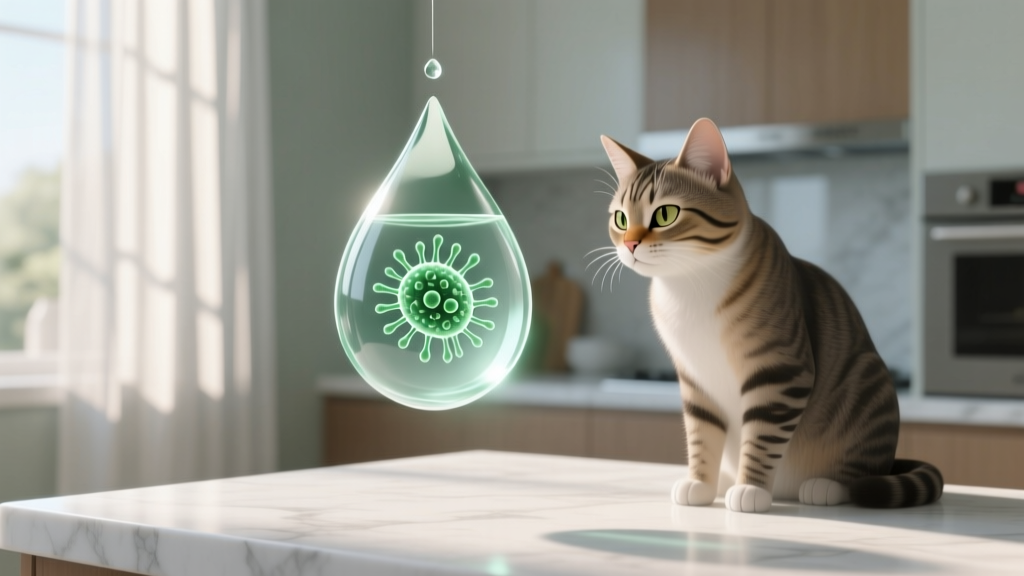
Cryptosporidium is a microscopic parasite that infects the intestines. The parasite produces hardy “eggs” called oocysts that are passed in stool. These oocysts can survive for long periods in moist environments and can contaminate water bowls, litter boxes, surfaces, and soil.
When a cat swallows oocysts—often by grooming contaminated fur, sharing litter boxes, or drinking contaminated water—the oocysts release infective forms that attach to the intestinal lining. This disrupts normal absorption of water and nutrients, which can lead to diarrhea and digestive upset.
Key points in plain language:
- Crypto is an intestinal parasite spread through feces and contaminated water/surfaces.
- Many cats carry it without obvious illness.
- Illness is more likely or more severe in kittens or immunocompromised cats.
- The parasite’s oocysts are tough and can be difficult to remove from the environment.
3. Symptoms and Warning Signs to Watch For
Signs can range from none at all to ongoing digestive problems. Symptoms often overlap with other causes of diarrhea, so a veterinary exam and stool testing are important.
Common signs in cats:
- Diarrhea (often watery or loose; may come and go)
- Soft stool that persists longer than a day or two
- Increased frequency of bowel movements
- Mucus in stool (sometimes)
- Reduced appetite or picky eating
- Weight loss or failure to gain weight in kittens
- Lethargy or “not quite themselves” behavior
- Dehydration (dry gums, tacky saliva, sunken eyes in severe cases)
In higher-risk cats, watch extra closely for:
- Diarrhea lasting more than 48 hours
- Vomiting alongside diarrhea
- Noticeable weight loss
- Signs of dehydration or weakness
4. Causes and Risk Factors
Cats become infected by ingesting Cryptosporidium oocysts. The challenge is that oocysts are microscopic and can be picked up easily in everyday environments.
How cats are exposed:
- Shared or poorly cleaned litter boxes
- Grooming after stepping in contaminated litter or feces
- Contaminated water (outdoor puddles, dripping faucets, communal bowls)
- High-density environments (shelters, catteries, rescue intakes)
- Contact with infected animals (cats, sometimes other species depending on parasite type)
Risk factors that make illness more likely or more severe:
- Kittens (immature immune systems)
- Senior cats
- Immunocompromised cats (FeLV/FIV, chronic disease, chemotherapy, long-term steroids)
- Stress (moving homes, new pets, recent adoption)
- Overcrowding and inconsistent sanitation
Practical action you can take today: If your cat drinks from unusual sources (toilet, plant saucers, outdoor puddles), redirect them to fresh bowls or a cat fountain and keep tempting “alternative water” cleaned or inaccessible.
5. Diagnosis: What to Expect at the Vet
Because diarrhea has many causes—dietary change, stress colitis, other parasites, bacterial imbalance, inflammatory bowel disease—your veterinarian will likely recommend a combination of history, exam, and stool testing.
Your vet may ask about:
- Duration and appearance of diarrhea (watery vs. soft, mucus, blood)
- Any vomiting, appetite changes, weight loss
- Recent diet changes or new treats
- Exposure risks (shelter adoption, multi-cat home, outdoor access)
- Any immune-compromising conditions or medications
Common diagnostic tests:
- Fecal flotation: may detect some parasites, but Crypto can be missed.
- Fecal antigen testing (ELISA): detects parasite proteins; helpful for screening.
- Fecal PCR panel: detects parasite DNA; often the most sensitive and can identify multiple infectious causes at once.
- Direct fecal smear: sometimes used, but not the most reliable for Crypto.
- Additional tests (as needed): bloodwork to assess hydration, electrolytes, and overall health; FeLV/FIV testing in at-risk cats.
Tip for owners: Bring a fresh stool sample (ideally within a few hours) in a clean container. If you can’t collect fresh stool, ask your clinic about the best way to store it (often refrigerated for a short time, depending on the test).
6. Treatment Options (Medical, Home Care, Supportive Care)
Treatment depends on your cat’s age, overall health, symptom severity, and whether other infections are present. Some cats improve with supportive care alone, while others need targeted therapy and careful hydration support.
Medical treatment your veterinarian may recommend:
- Supportive care: fluids (oral or under the skin), anti-nausea medication if vomiting is present, and diet changes.
- Antiparasitic/antiprotozoal medications: There are medications that may reduce severity and shedding; your vet will choose based on current evidence, your cat’s health status, and local practice guidelines.
- Probiotics: may help support gut balance in some cases (use veterinary-recommended products).
- Addressing concurrent issues: treatment for other parasites (like Giardia), dietary intolerance, or bacterial imbalance if identified.
Is surgery needed?
Cryptosporidium is an intestinal infection and is not treated surgically. If a cat has severe symptoms, the focus is on medical management and hydration, not procedures.
Home care you can do safely (with veterinary guidance):
- Hydration support: Encourage drinking with multiple bowls, fresh water, or a cat fountain. Ask your vet before offering electrolyte solutions—some human products aren’t appropriate for cats.
- Diet: Your vet may suggest a bland or highly digestible veterinary diet temporarily. Avoid sudden diet swaps without guidance.
- Litter box hygiene: Scoop at least 1–2 times daily, and fully replace litter regularly while your cat is symptomatic.
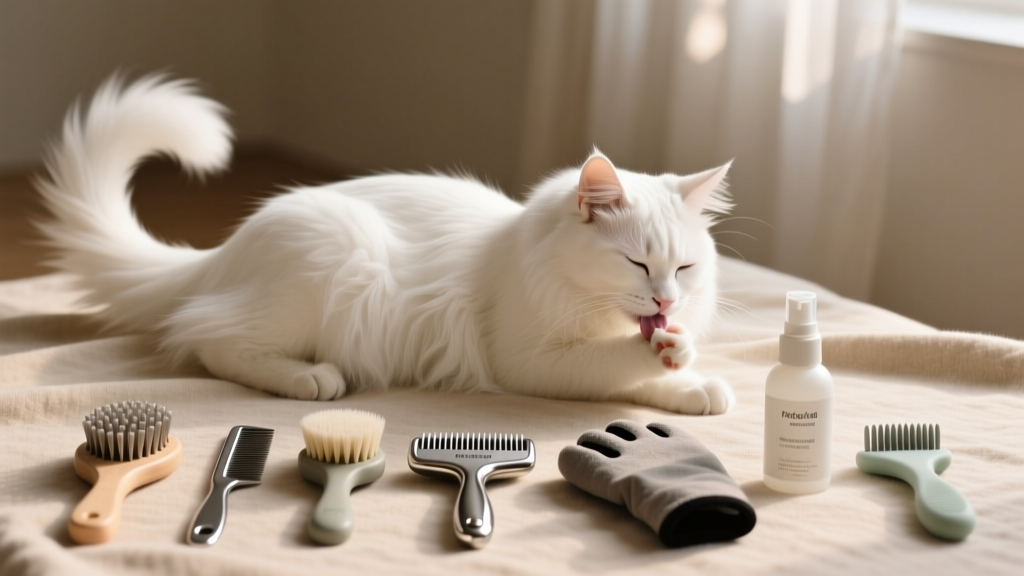
- Prevent reinfection: Keep the rear end clean if diarrhea soils the fur (use pet-safe wipes; avoid harsh soaps). Consider a sanitary trim for long-haired cats.
Do not:
- Give over-the-counter anti-diarrhea medications unless your veterinarian directs you (some are unsafe for cats).
- Assume diarrhea is “just parasites” and treat with random dewormers—Crypto requires specific testing and management.
7. Prevention Strategies and Early Detection Tips
Prevention focuses on reducing exposure to contaminated feces and water, improving sanitation, and catching problems early—especially in multi-cat settings.
Water and feeding practices:
- Provide fresh, clean water daily; wash bowls with hot, soapy water.
- Discourage drinking from toilets, puddles, and plant trays.
- In multi-pet homes, consider separate water stations to reduce sharing during outbreaks.
Litter box best practices:
- Have one box per cat, plus one extra when possible.
- Scoop daily (or more often if you have kittens or a cat with diarrhea).
- Wash litter boxes routinely; replace old, scratched boxes that can harbor residue.
Environmental cleaning (practical and realistic):
- Remove feces promptly; Crypto oocysts spread easily once stool is disturbed.
- Wash bedding and soft items on hot cycles if soiled.
- Ask your veterinarian which disinfectants are effective against Cryptosporidium in your situation; many common household disinfectants do not reliably kill oocysts, so physical cleaning and drying are often just as important.
Early detection tips:
- Track stool quality in a simple note on your phone (normal, soft, watery, mucus, blood).
- Weigh kittens weekly (a kitchen scale works well). Poor weight gain can be an early clue.
- Schedule a vet visit sooner rather than later if diarrhea lasts more than 48 hours, especially in kittens.
Always consult your veterinarian if you suspect Cryptosporidium. Proper testing is the fastest way to avoid trial-and-error treatments and to protect other pets in the household.
8. Prognosis and Quality of Life Considerations
For many healthy adult cats, the prognosis is good. Some cats clear the infection or become symptom-free with supportive care and time, even if they may shed oocysts for a period. Quality of life is usually excellent once stools normalize and hydration is maintained.
Cats who need closer monitoring:
- Kittens (higher dehydration risk)
- Cats with chronic illnesses or suppressed immune systems
- Cats with persistent diarrhea or recurring episodes
What recovery often looks like:
- Stool gradually firms up over days to a couple of weeks, depending on severity and co-infections.
- Appetite and energy return as hydration improves.
- Your vet may recommend follow-up fecal testing, especially in multi-cat homes or if symptoms recur.
9. When to Seek Emergency Veterinary Care
Diarrhea can become dangerous when it leads to dehydration, low blood sugar (especially in kittens), or electrolyte imbalance. Seek urgent care if you notice any of the following:
- Repeated vomiting or inability to keep water down
- Severe lethargy, weakness, collapse, or unresponsiveness
- Signs of dehydration: very dry or tacky gums, sunken eyes, rapid breathing, extreme weakness
- Blood in stool (more than a small streak) or black/tarry stool
- Diarrhea in a kitten lasting more than 12–24 hours, or any diarrhea with poor appetite
- Known immunocompromised cat (FeLV/FIV, chemotherapy, long-term steroids) with diarrhea
- Rapid weight loss or refusal to eat for more than 24 hours
If you’re unsure, call your veterinary clinic or an emergency hospital. A quick conversation can help determine whether your cat can be monitored at home or needs to be seen right away.
10. FAQ: Common Questions About Feline Cryptosporidium
Can people catch Cryptosporidium from cats?
Some Cryptosporidium species can infect humans. The risk varies depending on the species involved and your personal health status. Good hygiene lowers risk significantly:
- Wash hands after cleaning the litter box
- Avoid touching your face while scooping
- Keep immunocompromised household members extra protected (gloves, careful cleaning, and medical advice if symptoms occur)
If anyone in the home develops persistent diarrhea, contact a healthcare provider and mention the pet exposure.
Is Cryptosporidium the same as Giardia?
No—both cause diarrhea and can be water-associated, but they are different parasites. Testing is important because treatments and management strategies can differ. Some cats can have both at the same time, especially in high-density environments.
My cat has diarrhea. Should I treat for parasites at home first?
It’s safer to involve your veterinarian early. Diarrhea in cats can be caused by many issues, and not all dewormers treat all parasites. Using the wrong medication can delay proper care and may be unsafe for some cats (especially kittens). A stool test helps you target the real cause.
How long is my cat contagious to other pets?
Cats can shed oocysts in stool for a period that varies by individual and overall health, sometimes even after symptoms improve. Your vet may recommend follow-up testing or extended hygiene precautions. During this time, strict litter box cleaning and reducing shared resources (like water bowls) can help protect other pets.
Will my cat always have Cryptosporidium once infected?
Many cats recover and stop showing symptoms. Some may intermittently shed the parasite, especially if stressed or immunocompromised. Keeping your cat healthy, minimizing stress, and addressing any underlying medical issues improves long-term outcomes.
What’s the fastest thing I can do today to help?
If your cat has diarrhea:
- Schedule a veterinary appointment and ask about submitting a stool sample.
- Ensure access to fresh water and monitor drinking.
- Scoop the litter box more frequently and clean any soiled areas promptly.
- Keep your cat indoors to prevent exposure to contaminated outdoor water sources and to reduce spread.
If you’re looking for more cat health guidance, supportive care tips, and parasite prevention resources, visit catloversbase.com for more articles designed to help you keep your cat thriving.