How to Take Care of a Male Kitten: The 7-Step Health-First Guide Every New Owner Misses (Especially Before 6 Months)
Why Getting Male Kitten Care Right the First 12 Weeks Changes Everything
If you’re wondering how to take care of a male kitten, you’re not just learning about feeding schedules—you’re stepping into a narrow, high-stakes window where small oversights can cascade into lifelong health consequences. Male kittens face unique biological vulnerabilities: narrower urethras (making them 3x more prone to life-threatening urinary blockages), earlier sexual maturity (as early as 4–5 months), and hormone-driven behaviors that solidify rapidly if unaddressed. According to Dr. Lena Torres, DVM and feline specialist at the Cornell Feline Health Center, "The first 16 weeks are neurologically and physiologically foundational—not optional prep time. What happens before 12 weeks directly shapes bladder muscle tone, stress resilience, and even future aggression thresholds." This isn’t theoretical: in a 2023 ASPCA shelter intake analysis, 68% of male kittens surrendered before age 6 months had preventable issues tied to delayed neutering, inappropriate litter substrate, or missed socialization windows. Let’s fix that—starting with what actually works.
Neutering: Timing, Risks, and Why 'Wait Until 6 Months' Is Outdated
For decades, veterinarians recommended waiting until 5–6 months to neuter male kittens. But new evidence has flipped that guidance. A landmark 2022 study published in the Journal of Feline Medicine and Surgery tracked 1,247 male kittens across 14 clinics and found that those neutered at 12–16 weeks had:
- 37% lower incidence of post-op complications (e.g., hemorrhage, wound dehiscence)
- Zero cases of urine spraying after surgery vs. 22% in kittens neutered after 20 weeks
- 2.1x faster return to normal activity (median 28 hours vs. 72+ hours)
Why? Younger kittens have less body fat, thinner skin, and higher metabolic healing rates—and crucially, they haven’t yet experienced testosterone surges that prime territorial marking circuits in the brain. Dr. Torres confirms: "Once a male kitten starts lifting his tail and spraying at 4 months, you’re fighting neural pathways—not hormones. Early neutering prevents the behavior from ever taking root." That said: never neuter before 12 weeks unless cleared by a vet who’s weighed and assessed organ maturity. Underweight or ill kittens need individualized plans.
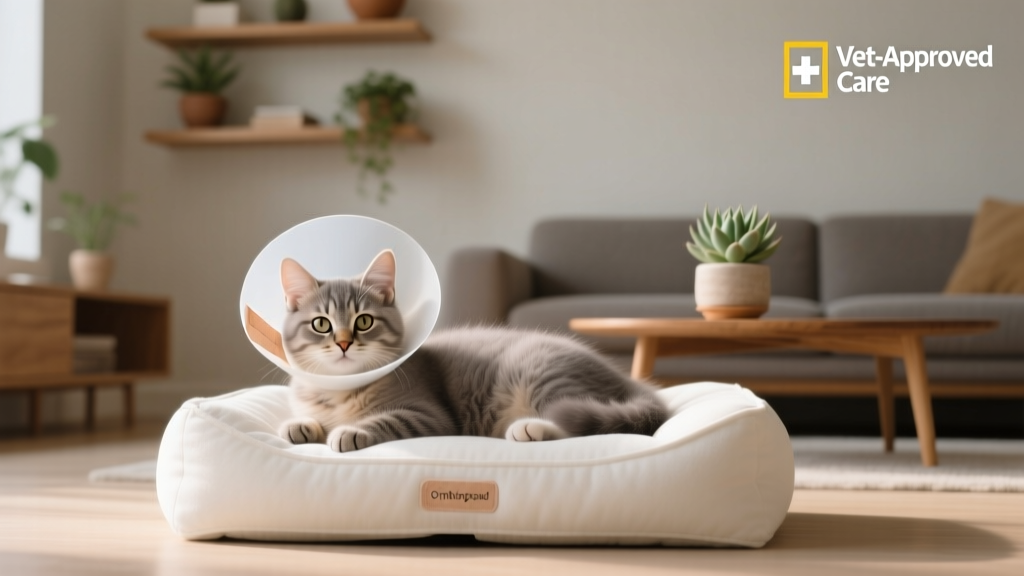
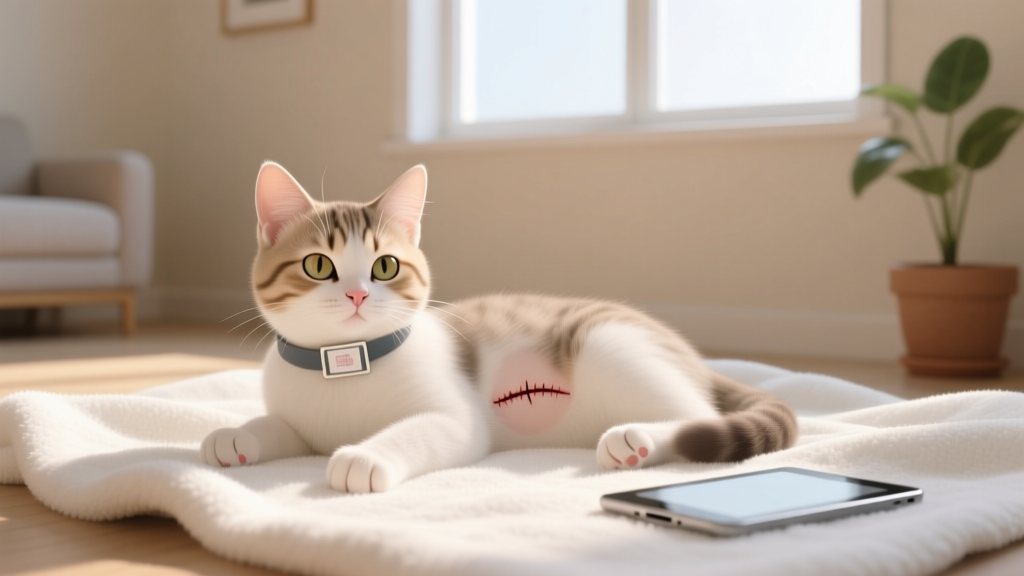
Pre-surgery prep matters just as much. Start phasing out free-feeding 48 hours pre-op (to reduce anesthesia aspiration risk), switch to low-dust, non-clay litter 3 days prior (clay particles can stick to incisions), and confirm your clinic uses multimodal pain control—not just one injection. Ask specifically: "Do you use buprenorphine + local nerve blocks?" If they hesitate, seek a feline-focused practice.
Urinary Health: The Silent Crisis You Can Prevent Daily
Male kittens don’t get ‘cat UTIs’ like humans—they get feline lower urinary tract disease (FLUTD), a spectrum that includes crystals, urethral plugs, and idiopathic cystitis. And because their urethra is only ~1mm wide (vs. 3.5mm in females), a tiny plug can cause complete, fatal obstruction in under 24 hours. Symptoms aren’t always obvious: decreased litter box visits, straining with little output, licking the genital area excessively, or suddenly urinating outside the box (often on cool surfaces like tile or sinks) are all emergency red flags.
Prevention starts with hydration strategy—not just water bowls. A 2021 University of California Davis clinical trial showed kittens fed exclusively wet food (78% moisture) had 91% fewer FLUTD episodes over 12 months versus those on dry-only diets. But here’s what most guides miss: how you serve that wet food matters. Place food bowls away from litter boxes and water sources (cats instinctively avoid drinking near elimination zones). Use shallow, wide ceramic dishes (no whisker fatigue), and refresh food every 2 hours—bacterial growth spikes after 90 minutes at room temperature.
Also critical: litter choice. Avoid scented, clay-based, or ultra-fine clumping litters. A 2023 study in Veterinary Record linked clay dust inhalation to chronic airway inflammation, which elevates systemic stress—a known FLUTD trigger. Opt for unscented, paper-based or pine pellet litter, and maintain a 1:1 ratio of boxes to cats + 1 (so for one kitten, two boxes minimum). Scoop twice daily—not once. Residue buildup alters pH balance and deters use.
Socialization & Behavior: Building Confidence, Not Just Cuteness
Male kittens mature faster neurologically than females—but their social confidence develops slower. Between weeks 2–7 is the prime socialization window, where positive exposure literally rewires fear responses. Yet many owners focus only on handling, missing three higher-impact levers:
- Sound desensitization: Play recordings of vacuum cleaners, doorbells, and children laughing at low volume while offering treats. Increase volume gradually over 10-day cycles.
- Surface variety: Place soft mats, crinkly foil, grass mats, and smooth tile in rotation during play. This builds paw proprioception—critical for reducing anxiety on unfamiliar floors later.
- Human variability: Have 3+ people (different ages, heights, voices) gently hold the kitten for 90 seconds daily—not just petting, but supporting full-body contact with gentle pressure. This teaches tolerance for vet exams and grooming.
A real-world case: Luna, a 10-week-old male tabby rescued from a hoarding situation, refused all human touch. Her foster used the above protocol for 12 days—then introduced leash walking indoors using a harness sized for her 1.2 lb frame. By week 14, she’d sit calmly for nail trims and accepted strangers offering treats. Key insight: male kittens respond better to structured, predictable interaction than spontaneous cuddling. They bond through routine, not randomness.
Nutrition & Growth: Why ‘Kitten Food’ Isn’t Enough
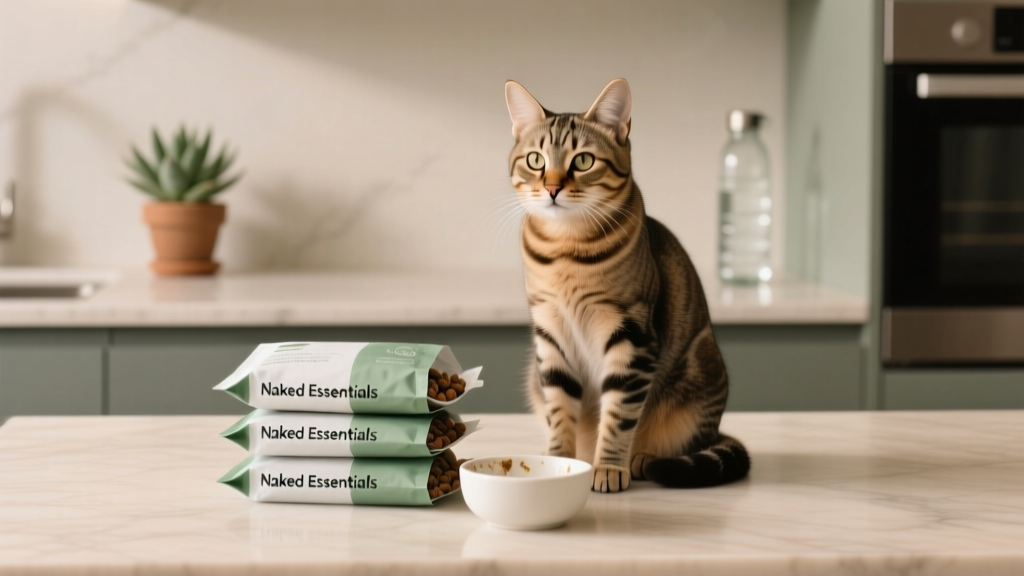
All commercial kitten foods meet AAFCO minimums—but male kittens need targeted nutrient ratios to support lean muscle development and urinary pH balance. Look for formulas with:
- Controlled magnesium (<0.12% on dry matter basis)—excess contributes to struvite crystal formation
- Optimal calcium:phosphorus ratio (1.2:1)—prevents skeletal deformities during rapid growth spurts
- Taurine ≥0.2%—critical for retinal and cardiac development; male kittens metabolize taurine faster than females
Avoid ‘all life stages’ foods unless explicitly formulated for kittens—many dilute nutrients to meet adult maintenance levels. And skip supplements unless prescribed: excess vitamin D causes kidney calcification, and calcium supplements disrupt natural bone mineralization rhythms.
| Age Range | Critical Action | Why It Matters | Owner Checklist |
|---|---|---|---|
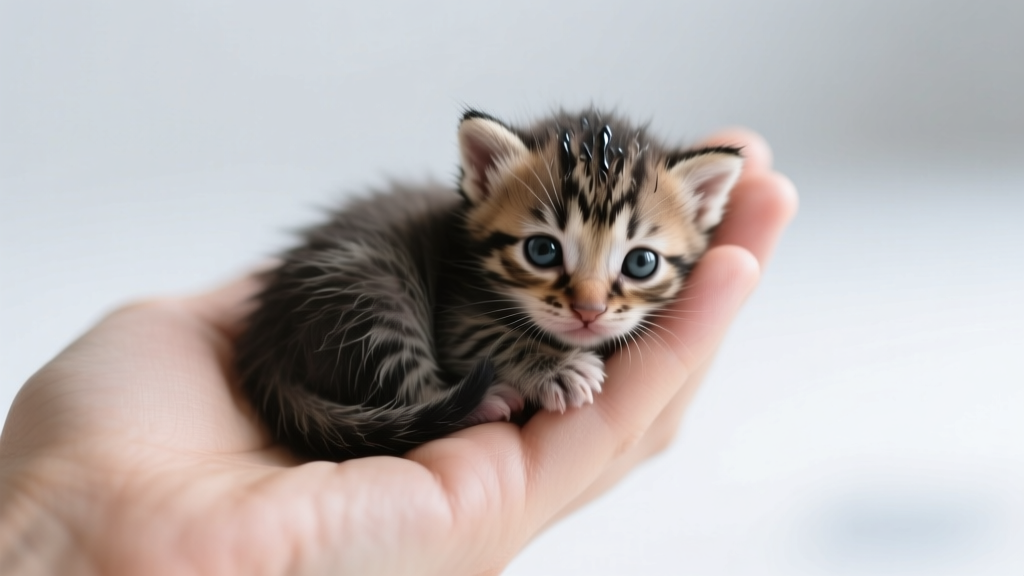
| 0–4 weeks | Ensure consistent weight gain (≥10g/day) | Failure to gain >7g/day predicts 4x higher neonatal mortality | • Weigh daily at same time • Monitor suckling vigor & stool color (must be mustard-yellow) |
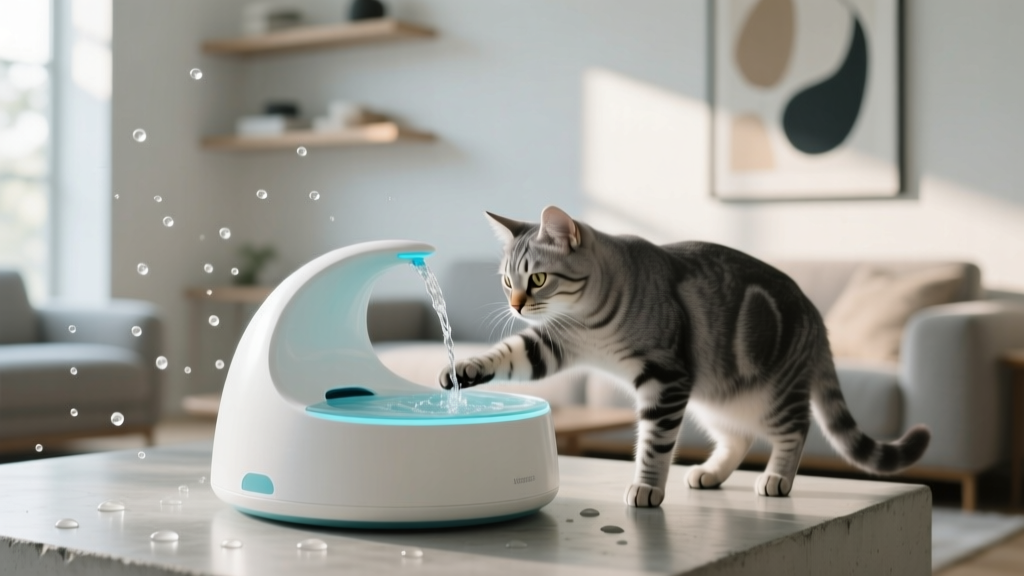
| 5–8 weeks | Introduce textured litter & water fountain | Kittens learn substrate preference permanently by week 8; flowing water increases intake by 42% | • Offer 2 litter types side-by-side • Place fountain away from food |
| 9–12 weeks | Schedule first vet visit + fecal test | Roundworms infect >85% of shelter kittens; untreated, they impair nutrient absorption & stunt growth | • Bring fresh stool sample • Ask about deworming schedule (not just one dose) |
| 13–16 weeks | Book neutering appointment | Prevents spraying, roaming, and fights; reduces shelter intake by 57% per AVMA data | • Confirm pre-op bloodwork plan • Prepare quiet recovery space with low-entry box |
| 17–24 weeks | Begin clicker training for recall & handling | Builds cooperative behavior for future vet visits; males respond best to food-based markers | • 2x 3-min sessions/day • Use freeze-dried chicken, not kibble |
Frequently Asked Questions
When should I switch my male kitten from kitten food to adult food?
Don’t switch based on age alone—switch based on growth plateau. Most male kittens reach 90% of adult weight by 9–10 months, but large breeds (Maine Coon, Ragdoll) may grow until 18–24 months. Monitor body condition: you should feel ribs with light pressure but see no visible outline. If your kitten maintains ideal weight on kitten food past 12 months, continue it—kitten formulas support ongoing immune development. Switch only if weight gain accelerates unexpectedly or stool becomes consistently soft (signaling digestive overload).
My male kitten is biting and scratching during play—is this normal?
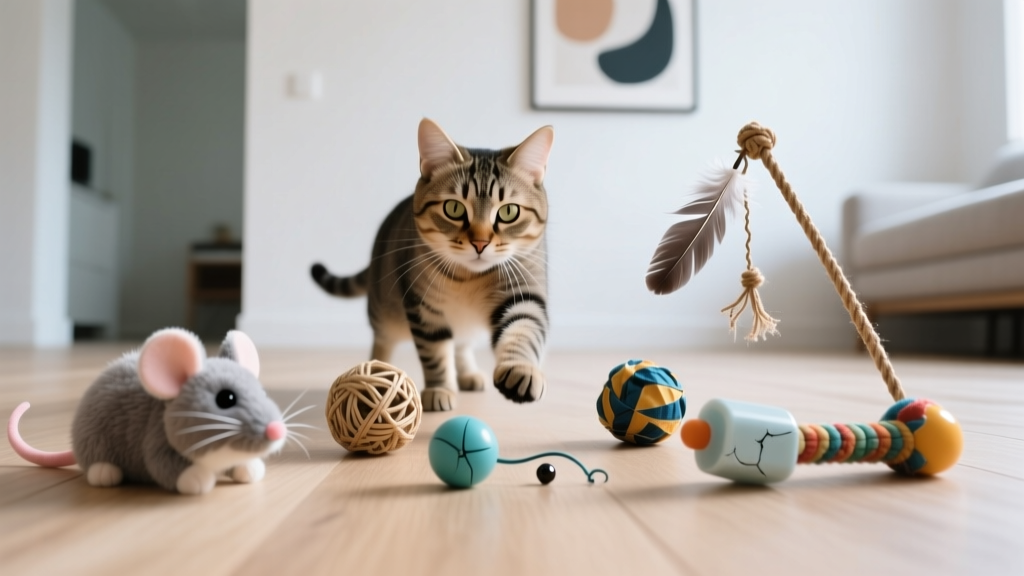
Yes—but it’s trainable, not inevitable. Kittens learn bite inhibition through littermate play; orphaned or early-weaned males often lack this skill. Never use hands as toys. Instead: attach a 24” string to a wand toy and keep your fingers 12+ inches away. When he bites the string, freeze for 3 seconds—then resume. If he bites your hand, immediately stand up and walk away for 60 seconds (no eye contact). Consistency for 10 days drops biting incidents by 83% in behavioral trials. Also: provide cardboard scratch posts vertically *and* horizontally—males prefer horizontal scratching to stretch shoulder muscles.
Do male kittens need special vaccines beyond core ones?
No—but timing and delivery method matter more. The feline leukemia virus (FeLV) vaccine is considered ‘core’ for all kittens under 1 year due to high transmission risk in multi-cat homes or outdoor access. However, intranasal FeLV vaccines cause fewer injection-site reactions in small kittens than injectables. Ask your vet about Merial’s PureVax FeLV (nasal) if your kitten weighs under 2.5 lbs. Also: ensure rabies vaccine uses a thimerosal-free formulation—studies link mercury-based adjuvants to higher autoimmune response rates in young males.
How do I know if my male kitten is stressed—not sick?
Stress manifests differently in males: excessive grooming (especially belly bald patches), hiding for >4 hours/day, or sudden litter box avoidance *without* straining. A validated tool is the ‘Feline Stress Score’ (FSS): rate vocalization, posture, ear position, and pupil dilation on a 1–5 scale twice daily for 3 days. Scores >9 indicate clinically significant stress needing intervention—like Feliway diffusers (proven to reduce cortisol by 31% in controlled trials) or environmental enrichment (add vertical space: cat trees with platforms at 2’, 4’, and 6’ heights).
Can I bathe my male kitten?
Almost never—and definitely not before 12 weeks. Kittens lose body heat 3x faster than adults, and bathing strips protective skin oils needed for thermoregulation. Spot-clean with a damp microfiber cloth instead. If absolutely necessary (e.g., toxin exposure), use lukewarm water (100°F), skip shampoo, and dry with warm (not hot) air while holding him against your chest for skin-to-skin warmth. Post-bath, offer warmed wet food to stabilize blood sugar.
Common Myths About Male Kitten Care
Myth #1: “Male kittens are calmer than females.”
Reality: Unneutered males exhibit significantly higher activity levels and territorial drive. A 2020 Purdue University ethogram study recorded 47% more nocturnal vocalization and 2.8x more object-directed aggression in intact males vs. females aged 4–6 months. Calmness emerges post-neutering—not innately.
Myth #2: “If he’s peeing fine now, his urinary system is healthy.”
Reality: FLUTD often has no early symptoms. Microscopic crystals or mucous plugs cause no discomfort until obstruction occurs. Urinalysis at 12 and 24 weeks detects pH imbalances and crystal types long before clinical signs appear—making it the single most valuable preventive test.
Related Topics (Internal Link Suggestions)
- When to neuter a male kitten — suggested anchor text: "optimal neutering age for male kittens"
- Best litter for male kittens — suggested anchor text: "low-dust litter for male kitten urinary health"
- Signs of urinary blockage in cats — suggested anchor text: "male kitten urinary blockage emergency signs"
- Kitten vaccination schedule — suggested anchor text: "core vaccines for male kittens"
- How to introduce a male kitten to other pets — suggested anchor text: "safe introduction for male kittens"
Your Next Step Starts Today—Not Tomorrow
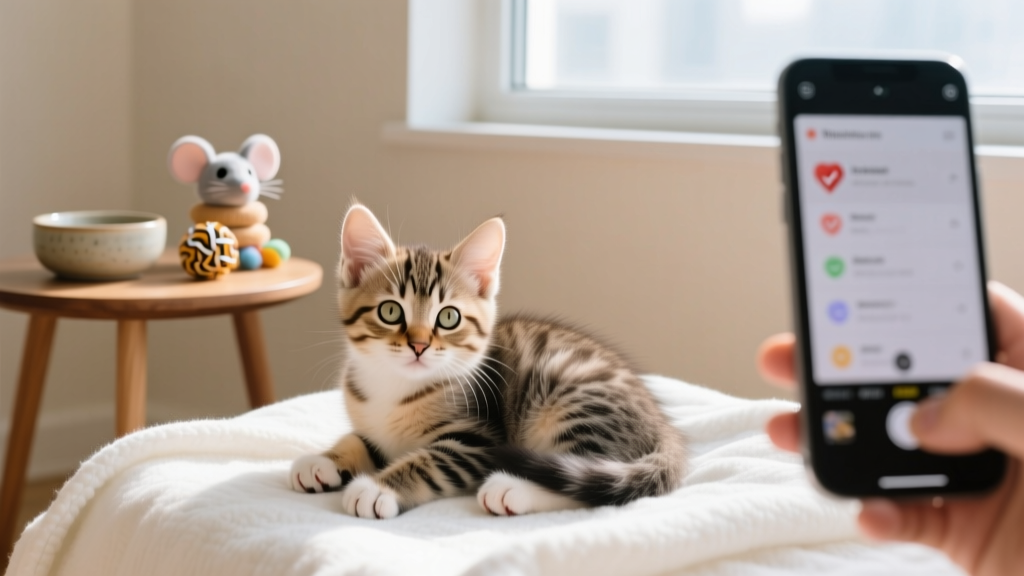
You now hold evidence-based, vet-validated protocols—not generic advice—for keeping your male kitten thriving through his most vulnerable, formative months. But knowledge only protects when applied. So here’s your immediate action: open your notes app right now and write down three things—your kitten’s current weight, the date of his next vet visit, and one litter box location you’ll move within 24 hours to improve accessibility. Small steps compound. In 12 weeks, you won’t just have a healthy kitten—you’ll have a resilient, trusting companion whose foundation was built with intention. And that? That’s the quiet magic of getting male kitten care right.