Cat Anemia: Pale Gums and Lethargy Warning Signs
1. Why this topic matters to cat owners
Anemia in cats can be easy to miss at first. A cat may simply seem quieter than usual, nap more, or stop greeting you at the door. Sometimes the first obvious clue is pale gums. Because anemia means the body isn’t delivering enough oxygen to tissues, it can affect every organ system. The good news is that many causes of anemia are treatable—especially when caught early. Knowing what to look for (and when to get veterinary help) can make a real difference in your cat’s comfort, recovery, and long-term health.
2. Overview: What anemia is (plain-language medical explanation)
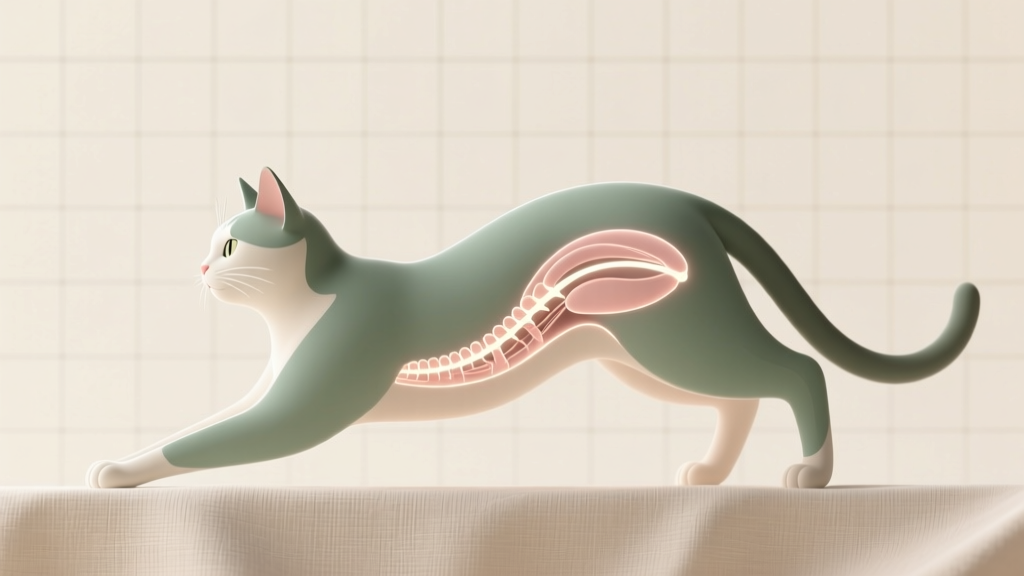
Anemia is not a single disease—it’s a condition where the blood can’t carry as much oxygen as the body needs. Oxygen is transported mainly by red blood cells (RBCs), which contain a protein called hemoglobin. When a cat has too few red blood cells, or when those cells are damaged or not working properly, tissues receive less oxygen. That lack of oxygen is what causes many of the classic signs like weakness, lethargy, and rapid breathing.
Veterinarians often group anemia into three broad categories:
- Blood loss anemia: The cat is losing blood (internally or externally), reducing the number of red blood cells.
- Hemolytic anemia: The cat’s red blood cells are being destroyed faster than the body can replace them.
- Non-regenerative anemia: The bone marrow isn’t producing enough new red blood cells.
Anemia can be mild and slowly developing, or severe and sudden. Mild anemia may show subtle behavior changes. Severe anemia can become an emergency. The goal is to identify the cause quickly and support your cat while their red blood cell levels recover.
3. Symptoms and warning signs to watch for
Cats are masters at hiding illness, so small changes matter. If you notice any combination of these signs, schedule a veterinary visit promptly.
Common signs cat owners may notice
- Pale gums (light pink, white, or grayish instead of healthy bubblegum pink)
- Lethargy or reduced interest in play
- Weakness, tiring easily, or “flopping down” after minimal activity
- Loss of appetite or eating less
- Weight loss over time
- Faster breathing or panting (cats rarely pant unless stressed, hot, or ill)
- Rapid heartbeat (may feel like the chest is “racing”)
- Hiding more than usual
Other clues depending on the cause
- Jaundice (yellow tint to gums, whites of the eyes, or skin): can suggest red blood cell destruction or liver involvement
- Dark urine: sometimes seen with hemolysis
- Black, tarry stool or visible blood in stool: can suggest gastrointestinal bleeding
- Fleas or flea dirt (black specks that turn reddish when wet): can indicate blood loss from parasites
- Bruising or tiny red skin spots: may suggest clotting/platelet issues alongside anemia
Quick at-home gum check (practical tip)
- In good light, gently lift your cat’s lip and look at the gums above the teeth.
- Healthy gums are typically pink and moist.
- If gums look very pale/white or your cat seems weak, contact your veterinarian the same day.
If your cat will not tolerate a gum check, don’t force it—stress can worsen breathing and heart rate. Use behavior changes (like sudden lethargy) as your cue to call the vet.
4. Causes and risk factors
Anemia has many possible triggers. Your veterinarian’s job is to determine which category it falls into and why it’s happening.
Blood loss (external or internal)
- Fleas (especially in kittens or small cats; heavy infestations can cause significant blood loss)
- Intestinal parasites (hookworms are a classic cause)
- Trauma (falls, car accidents, bite wounds)
- Surgery complications or clotting problems
- Internal bleeding (gastrointestinal ulcers, tumors, or bleeding disorders)
Red blood cell destruction (hemolysis)
- Immune-mediated hemolytic anemia (IMHA): the immune system mistakenly attacks red blood cells
- Infectious diseases such as Mycoplasma haemofelis (a blood-borne parasite sometimes called hemotropic mycoplasma)
- Toxins (certain medications, onions/garlic exposure, zinc ingestion, some chemicals—always ask your vet about toxin concerns)
Decreased production (non-regenerative anemia)
- Chronic kidney disease (kidneys make erythropoietin, a hormone that helps signal red blood cell production)
- Chronic inflammation or long-term illness
- Bone marrow disorders (infections, cancers, marrow suppression)
- Nutritional deficiencies (less common in cats on complete diets, but possible with poor intake or malabsorption)
Risk factors
- Outdoor access (higher risk of trauma, parasites, and infectious disease exposure)
- Flea prevention gaps
- Unvaccinated or unknown FeLV/FIV status
- Senior cats (more chronic disease risk)
- Kittens (more vulnerable to parasite-related anemia)
5. Diagnosis: What to expect at the vet
If anemia is suspected, your veterinarian will focus on two things: how severe it is and why it’s happening. Expect some or all of the following:
History and physical exam
- Questions about appetite, activity, vomiting/diarrhea, stool color, possible toxin exposure, flea control, and outdoor access
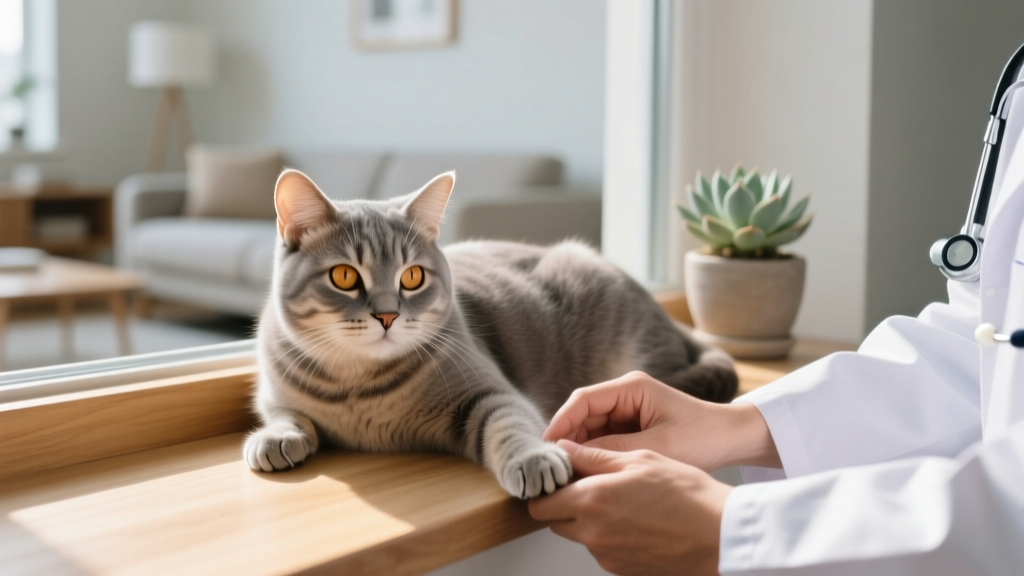
- Exam of gums, heart/lung sounds, abdominal palpation, hydration, temperature, and body condition
Key lab tests
- Complete Blood Count (CBC): measures red blood cell count, hemoglobin, hematocrit/PCV (packed cell volume), and white blood cells/platelets
- Reticulocyte count: helps determine if the anemia is regenerative (the body is trying to replace cells) or non-regenerative
- Blood smear: a manual look at blood cells for parasites, abnormal shapes, or signs of destruction
- Chemistry panel and urinalysis: checks kidney/liver function and other organ changes
- FeLV/FIV testing: viruses that can contribute to anemia and immune problems
Additional testing (as needed)
- Fecal testing for parasites or occult (hidden) blood
- X-rays or ultrasound to look for internal bleeding, tumors, or organ disease
- Coagulation testing if a bleeding disorder is suspected
- Bone marrow testing in complex non-regenerative cases
If your cat is very weak or has a dangerously low PCV/hematocrit, the vet may recommend hospitalization for oxygen support, intravenous fluids (when appropriate), and close monitoring while diagnostics are performed.
6. Treatment options (medical, surgical, and home care)
Treatment depends on the cause and severity. Many cats improve significantly once the underlying problem is addressed and they’re supported through recovery.
Supportive care
- Blood transfusion: used for severe anemia or active bleeding; provides immediate red blood cells and oxygen-carrying capacity
- Oxygen therapy: helps tissues get oxygen when red blood cells are low
- IV fluids: used carefully; fluids can be lifesaving in shock, but overhydration can be harmful in some conditions
- Nutritional support: appetite stimulants or assisted feeding if needed
Treating the underlying cause
- Parasites/fleas: vet-approved flea control, deworming, and environmental treatment of the home
- Infectious causes: targeted antibiotics or other medications as indicated by testing
- Immune-mediated hemolysis: immunosuppressive medications (often steroids and sometimes additional drugs) plus monitoring for side effects
- Kidney disease-associated anemia: kidney-friendly diet, hydration support plans, and in some cases medications that stimulate red blood cell production (your vet will guide options and monitoring)
- Internal bleeding or tumors: surgery may be recommended if there’s a correctable source of bleeding (such as a mass or ruptured organ)
Home care you can do right away (with veterinary guidance)
- Keep activity low: limit jumping and vigorous play until your vet says it’s safe
- Track daily basics: appetite, water intake, litter box habits, energy level, and gum color (if tolerated)
- Give medications exactly as prescribed: missing doses—especially with immune or infectious causes—can delay recovery
- Reduce stress: a quiet room, easy access to food/water/litter, and predictable routines
- Never start iron supplements without a veterinarian: some anemias are not due to iron deficiency, and inappropriate supplements can be harmful
7. Prevention strategies and early detection tips
Not all anemia is preventable, but many common triggers are. Prevention is mostly about parasite control, reducing exposure risks, and catching illness early.
Actionable prevention checklist
- Use veterinarian-recommended flea prevention year-round (and treat all pets in the household as directed)
- Schedule routine wellness exams—at least annually for adult cats, and often every 6 months for seniors
- Keep cats indoors or supervise outdoor time to reduce trauma and parasite exposure
- Test for FeLV/FIV as recommended, especially for new cats or cats with outdoor exposure
- Monitor weight and appetite: subtle changes are often the earliest sign something’s wrong
- Check stool appearance: black/tarry stool or visible blood warrants a vet call
- Cat-proof your home: keep human medications, toxins, and small metal objects (like coins or batteries) secured
Early detection tip
If your cat is older or has a chronic condition (kidney disease, inflammatory disease), ask your vet how often to recheck bloodwork. Regular trends can identify mild anemia before it becomes severe.
8. Prognosis and quality of life considerations
Prognosis depends on the cause, how severe the anemia is at diagnosis, and how quickly treatment begins.
- Good prognosis: parasite-related blood loss, mild anemia from treatable infections, or anemia that responds quickly to targeted therapy
- Variable prognosis: immune-mediated disease (can be managed but may relapse), anemia associated with chronic kidney disease (often managed long-term)
- Guarded prognosis: certain cancers, severe bone marrow disorders, or uncontrolled internal bleeding
Quality of life is a central goal. Many anemic cats feel dramatically better once oxygen delivery improves, whether through transfusion, medication, or correction of the underlying cause. Follow-up matters: your vet may recommend repeat CBCs to ensure red blood cell levels are stable and to adjust medications safely.
9. When to seek emergency veterinary care
Contact an emergency veterinarian right away if you notice any of the following:
- Very pale or white gums
- Collapse, inability to stand, or extreme weakness
- Open-mouth breathing, pronounced rapid breathing, or respiratory distress
- Significant bleeding from any site
- Suspected trauma (hit by car, fall from height, attack)
- Black tarry stool plus weakness or lethargy
- Yellow gums/eyes with lethargy (possible severe hemolysis or liver involvement)
If you’re unsure, it’s appropriate to call your veterinary clinic or an emergency hospital for guidance. It’s always better to ask early than to wait while a cat’s oxygen delivery continues to drop.
10. FAQ: Common questions from cat owners
Can a cat recover from anemia?
Many cats do recover, especially when the cause is identified quickly and treated appropriately. Recovery time varies—from days (after transfusion and parasite treatment) to weeks or longer (for chronic disease or bone marrow-related issues). Your veterinarian will monitor blood values to confirm improvement.
Are pale gums always anemia?
Not always. Pale gums commonly point to anemia or poor circulation (such as shock), but gum color can also look lighter under stress or in poor lighting. If gums look noticeably pale compared with your cat’s normal, or if pale gums come with lethargy or fast breathing, a veterinary exam is needed.
Should I give my cat iron or vitamins?
Don’t start supplements without veterinary direction. Most feline anemia is not caused by simple iron deficiency, and giving iron when it’s not needed can cause stomach upset or worsen certain conditions. Your vet will determine if supplementation is appropriate based on bloodwork and the underlying cause.
Can fleas really cause anemia in cats?
Yes. Heavy flea infestations can remove enough blood to cause anemia, particularly in kittens, small cats, or cats with other health issues. The solution involves treating the cat, treating other pets, and addressing the home environment—your vet can recommend the safest products for your household.
How will I know if treatment is working?
Many cats show improved energy, appetite, and gum color as red blood cell levels rise. The most reliable measure is follow-up blood testing (CBC/PCV and sometimes reticulocytes). Your vet will tell you when to recheck and what improvements to expect.
Is anemia contagious between cats?
Anemia itself isn’t contagious, but some causes can be. Blood-borne infections, parasites, and viruses like FeLV can spread between cats under certain conditions. If one cat is diagnosed with an infectious cause, ask your veterinarian whether other cats in the home should be tested or treated.
If your cat is showing pale gums, lethargy, or any changes that worry you, schedule a veterinary appointment. Prompt care is the safest path and often leads to the best outcomes. For more caring, practical cat health guidance, visit catloversbase.com and explore our growing library of cat wellness resources.