Cat Gongylonema: Esophageal Spiral Nematode
1. Why this topic matters for cat owners
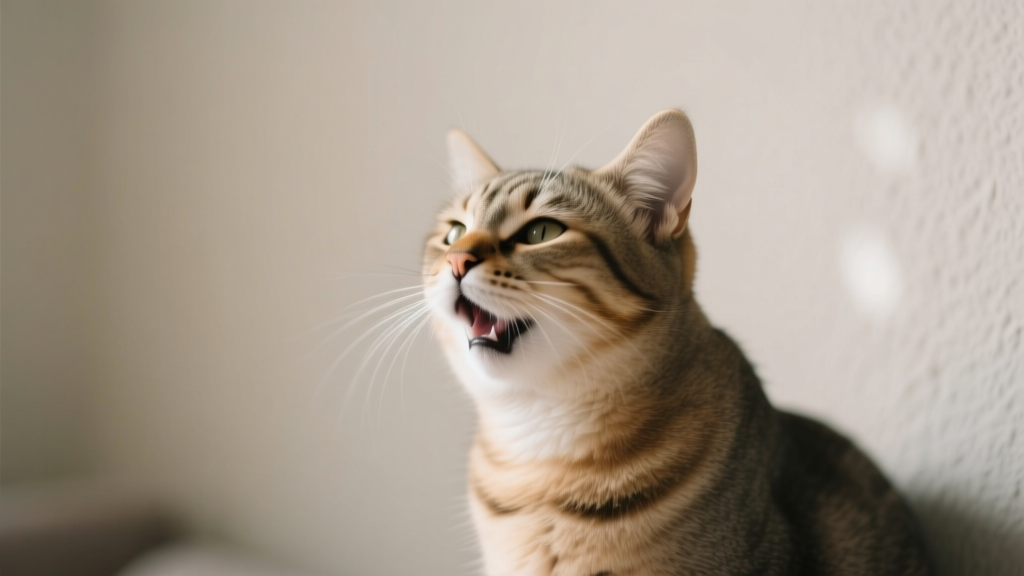
If your cat suddenly starts gagging, licking their lips a lot, acting like something is stuck in their throat, or seems uncomfortable when swallowing, it’s natural to worry. Most of the time, these signs are caused by fairly common issues like hairballs, dental disease, nausea, or throat irritation.
Less commonly, a cat can develop irritation in the mouth, throat, or esophagus (the tube that carries food to the stomach) from a parasite called Gongylonema, sometimes nicknamed the “esophageal spiral nematode.” It’s rare in cats, but it can happen—especially in cats that hunt insects or small prey. Knowing what it is, how it spreads, and what to look for helps you act early and get your cat comfortable again.
2. Overview: What is Gongylonema in cats?
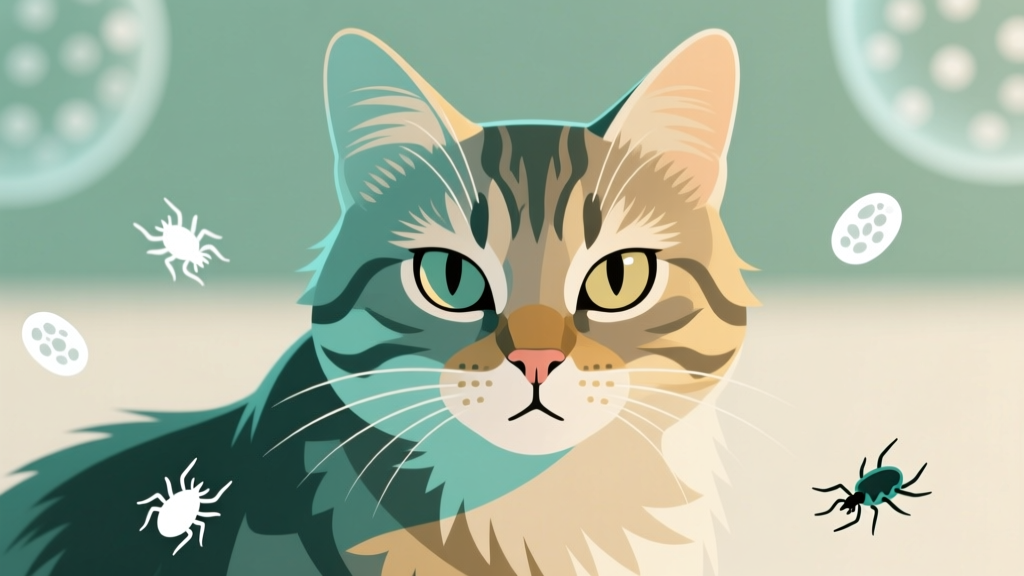
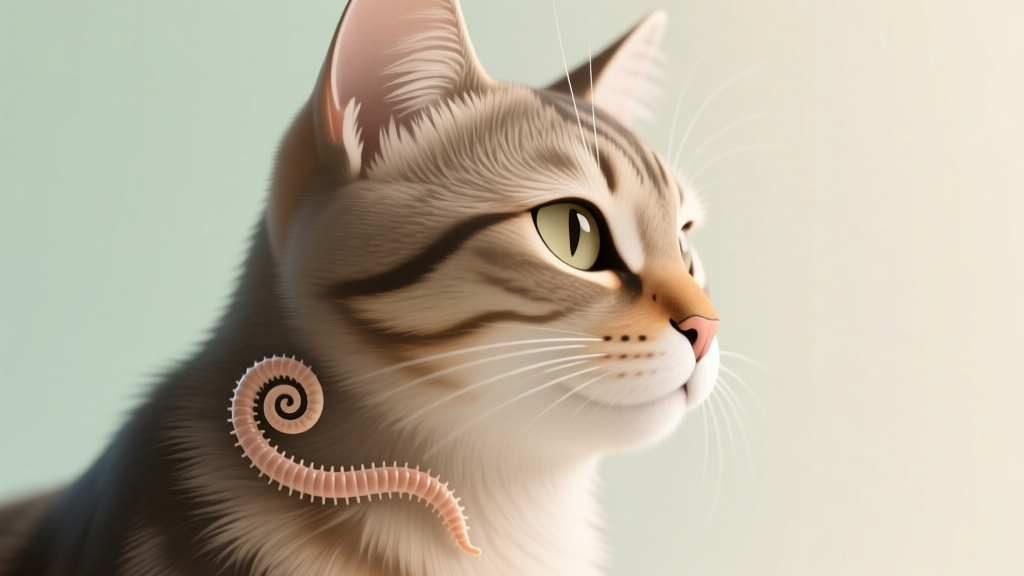
Gongylonema is a type of parasitic roundworm (nematode). In infected animals, adult worms can live in the lining of the mouth, throat, or esophagus. They’re called “spiral” because they tend to burrow and travel in a winding path within the tissue lining, which can create subtle tracks or raised lines.
In plain language: the parasite doesn’t usually live freely in the stomach like some intestinal worms. Instead, it tends to settle into the surface tissues of the upper digestive tract, where it can trigger irritation, inflammation, and a “something’s stuck” feeling.
In cats, confirmed infections are uncommon compared with some other animals. When it does occur, the most noticeable issue is typically local irritation (discomfort in the mouth/throat/esophagus) rather than severe systemic illness.
Can people catch it? Gongylonema species have been reported rarely in humans in some parts of the world. The risk to people from a household cat is generally considered low, but any suspected parasite issue should be handled with good hygiene and veterinary guidance.
3. Symptoms and warning signs to watch for
Some cats show mild signs; others are clearly uncomfortable. Signs can come and go, which may make the problem easy to miss.
- Gagging or retching (often without producing a hairball)
- Repeated swallowing or gulping
- Lip licking or smacking noises
- Excess drooling (hypersalivation)
- Pawing at the mouth or rubbing the face
- Decreased appetite or eating more slowly
- Signs of discomfort when swallowing (dropping food, chewing then walking away)
- Coughing or throat clearing (less common, but can occur)
- Weight loss if signs persist and eating decreases
What you might see at home: Many owners describe their cat acting like they have something stuck in their throat. If you ever see open-mouth breathing, blue/pale gums, or severe distress, treat it as an emergency (more on that below).
4. Causes and risk factors
Cats become infected by eating an intermediate host (usually an insect) that carries the parasite’s larval stage. In many life cycles described for Gongylonema, insects such as beetles or cockroaches can be involved, and sometimes other animals (like small reptiles or rodents) may act as “transport” hosts after eating infected insects.
Common risk factors include:
- Outdoor access, especially cats that hunt
- Eating insects (beetles, roaches) or playing with and ingesting them
- Prey hunting (rodents, lizards) that may have eaten infected insects
- Living in areas with heavy insect activity or poor pest control
- Multi-pet environments where food is left out and attracts insects
This parasite is not typically spread directly from cat to cat through casual contact. The insect step in the life cycle is key.
5. Diagnosis: What to expect at the vet
Because Gongylonema is rare and symptoms can mimic many other conditions, diagnosis usually involves a combination of history, physical examination, and targeted testing. Your veterinarian’s first goal is to rule out more common (and sometimes urgent) causes like a lodged foreign body, dental disease, oral ulcers, toxin exposure, or respiratory issues.
At the appointment, expect:
- Detailed history questions: outdoor time, hunting, insect exposure, recent vomiting, appetite changes, medications, and possible toxin exposure
- Full physical exam, including checking hydration and body weight
- Oral exam: the vet may look for inflammation, ulcers, stringy drool, or visible parasites
Tests that may be recommended:
- Sedated oral exam: Many cats won’t allow a deep mouth/throat exam while awake. Mild sedation helps the vet safely inspect the back of the mouth.
- Endoscopy: A small camera is used to examine the esophagus and sometimes the stomach. This can allow direct visualization and, in some cases, removal of the parasite.
- Fecal testing: Traditional fecal flotation may or may not detect Gongylonema eggs reliably. Your vet may still run fecal tests to check for other parasites or concurrent infections.
- Imaging: X-rays or ultrasound may be advised if a foreign body, mass, or other GI disease is a concern.
- Basic lab work: Bloodwork can help evaluate overall health, hydration, inflammation, and anesthesia safety if sedation/endoscopy is planned.
If your vet suspects something in the esophagus, they may advise not feeding your cat for a set period before sedation or endoscopy. Follow those instructions carefully for safety.
6. Treatment options (medical, surgical, and home care)
Treatment is tailored to what the veterinarian finds and how affected your cat is. The goals are to remove or kill the parasite, reduce inflammation, and help your cat eat and feel comfortable again.
Medical treatment
Antiparasitic medications may be used. The specific drug and dosing depend on your cat’s size, health status, and local veterinary protocols. Do not attempt to treat with over-the-counter dewormers without veterinary direction—many products target intestinal worms and may not be appropriate, effective, or safe for this situation.
Your veterinarian may also prescribe:
- Anti-inflammatory medication (only if appropriate for cats and safe with your cat’s health history)
- Anti-nausea medication if gagging/retching is severe or appetite is poor
- Gastroprotectants to soothe irritated esophageal tissue
- Antibiotics only if there is evidence of secondary infection (not automatically needed)
Endoscopic removal
If the parasite is visualized during endoscopy, the vet may be able to remove it directly. This can provide fast relief from irritation and also confirms the diagnosis.
Surgical options
Surgery is rarely needed for Gongylonema itself. If testing reveals a different problem (such as a foreign body, stricture, or mass), surgical or advanced procedures may be recommended. Your vet will explain why and what alternatives exist.
Home care and supportive care
Once your cat is home, your role is to keep them comfortable and help the esophagus heal.
- Give medications exactly as prescribed and finish the full course.
- Offer soft, smelly foods for a few days if swallowing seems uncomfortable (your vet can recommend specific options).
- Keep meals small and frequent to reduce irritation.
- Encourage hydration: fresh water, fountains, or vet-approved wet food.
- Monitor eating and swallowing: note any gagging, drooling, or food refusal.
- Reduce hunting/insect exposure during recovery by keeping your cat indoors and using safe pest control measures.
If your cat refuses food for more than 24 hours (or 12 hours for kittens), contact your veterinarian promptly. Cats can become sick from not eating.
7. Prevention strategies and early detection tips
Because the infection route involves insects and hunting, prevention focuses on reducing exposure and keeping routine veterinary care up to date.
Practical steps you can start today:
- Keep cats indoors or provide supervised outdoor time (catio, harness).
- Limit insect access:
- Store pet food in sealed containers
- Clean up spilled kibble promptly
- Use pet-safe pest control and address roach/beetle issues early
- Discourage hunting: enrichment toys, food puzzles, and scheduled play sessions can reduce prey drive.
- Routine fecal testing: ask your veterinarian how often they recommend based on your cat’s lifestyle.
- Regular wellness exams: subtle weight loss or oral discomfort is easier to catch early with routine visits.
Early detection tip: Take a short video of the gagging or swallowing behavior if you can do so safely. These episodes often don’t happen at the clinic, and video can help your veterinarian narrow down possibilities.
8. Prognosis and quality of life considerations
With appropriate veterinary care, the outlook is generally good. Many cats improve significantly once the parasite is treated and the irritated tissue is allowed to heal.
Quality of life is usually excellent after recovery, especially if exposure risk (insects/hunting) is reduced. A small number of cats may have lingering esophageal irritation for a period of time, which is why follow-up and careful home monitoring matter.
Your veterinarian may recommend a recheck visit to confirm symptoms have resolved and your cat’s weight and appetite are back to normal.
9. When to seek emergency veterinary care
Gagging and swallowing trouble can occasionally signal a true emergency, such as a foreign object stuck in the throat or airway. Seek urgent veterinary care right away if you notice any of the following:
- Open-mouth breathing, wheezing, or obvious trouble breathing
- Blue, gray, or very pale gums
- Repeated unproductive retching with distress or collapse
- Suspected string ingestion (thread, yarn, ribbon) or choking hazard
- Profuse drooling with sudden mouth pain (possible toxin/caustic exposure)
- Inability to swallow water or rapid worsening of swallowing difficulty
If you suspect choking, do not try to pull something from the back of your cat’s throat unless you can clearly see it and can do so safely—cats can bite when panicked, and you could push an object deeper. Head to an emergency vet.
10. FAQ: Common questions from cat owners
Is Gongylonema common in cats?
No, it’s considered uncommon. Many vets may never see a case in routine practice. That said, cats that hunt insects or prey outdoors have higher exposure risk, and rare doesn’t mean impossible.
Can my indoor-only cat get Gongylonema?
It’s less likely, but not impossible. Indoor cats may still catch and eat insects (especially in warm climates or homes with pest problems). Good pest control and keeping food areas clean helps reduce risk.
Will regular dewormers prevent this parasite?
Not necessarily. Many routine dewormers are designed for common intestinal worms and may not cover less common parasites. Your veterinarian can advise whether a specific preventive plan is appropriate based on your cat’s lifestyle and regional risks.
How is this different from a hairball problem?
Hairballs typically cause episodic coughing/retching that may end with vomiting a tubular hairball. With esophageal irritation (from parasites or other causes), you may see repeated swallowing, lip licking, drooling, or gagging without producing a hairball. Because the signs overlap, a veterinary exam is the safest way to tell.
Is it contagious to other pets?
Direct spread from cat to cat is not the usual route. The parasite generally requires an insect host for transmission. However, if one pet has access to insects or hunts, other pets in the household may share similar exposure risks. Talk to your veterinarian about whether other pets should be evaluated.
What should I do if I think my cat has this?
Schedule a veterinary visit. Until then:
- Keep your cat indoors and prevent hunting/insect access
- Note symptom patterns (when it happens, after eating, after playing)
- Bring a video of the behavior if possible
- Do not give human medications or random dewormers
If your cat is gagging, drooling, or having trouble swallowing, the most helpful next step is a professional exam—many conditions can look similar, and the right treatment depends on the true cause.
For more caring, vet-guided cat health resources, visit catloversbase.com.