How to Take Care of a New Kitten: The 7 Non-Negotiable Health & Safety Steps Every First-Time Owner Misses (And Why Skipping Just One Can Land You at the ER)
Your Kitten’s First 72 Hours Are the Most Critical—Here’s What No One Tells You
If you’re searching how to take care of a new kitten, you’re likely holding a tiny, wide-eyed bundle of fluff—and feeling equal parts euphoria and existential panic. That’s normal. But here’s what most guides gloss over: the first 72 hours set the trajectory for your kitten’s lifelong immunity, stress resilience, and trust in humans. According to Dr. Lena Torres, DVM and feline behavior specialist at the Cornell Feline Health Center, "Over 60% of emergency vet visits for kittens under 12 weeks stem from preventable issues—dehydration, hypothermia, untreated parasites, or inappropriate food—not congenital disease." This isn’t about perfection. It’s about precision in the right moments. Let’s walk through exactly what matters—and what doesn’t—so your kitten thrives, not just survives.
1. The First 24-Hour Triage Protocol (Before You Even Open the Cat Food)
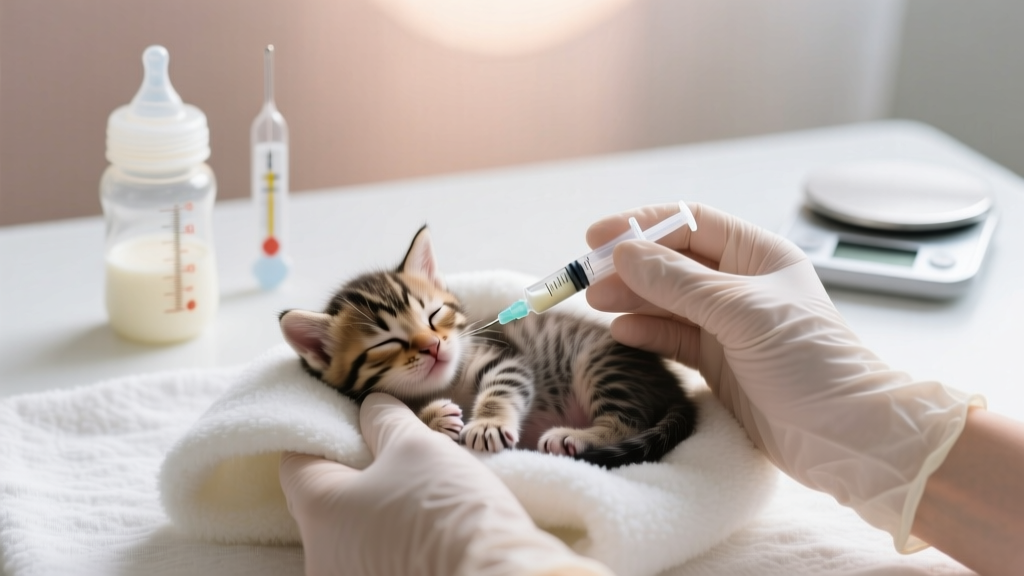
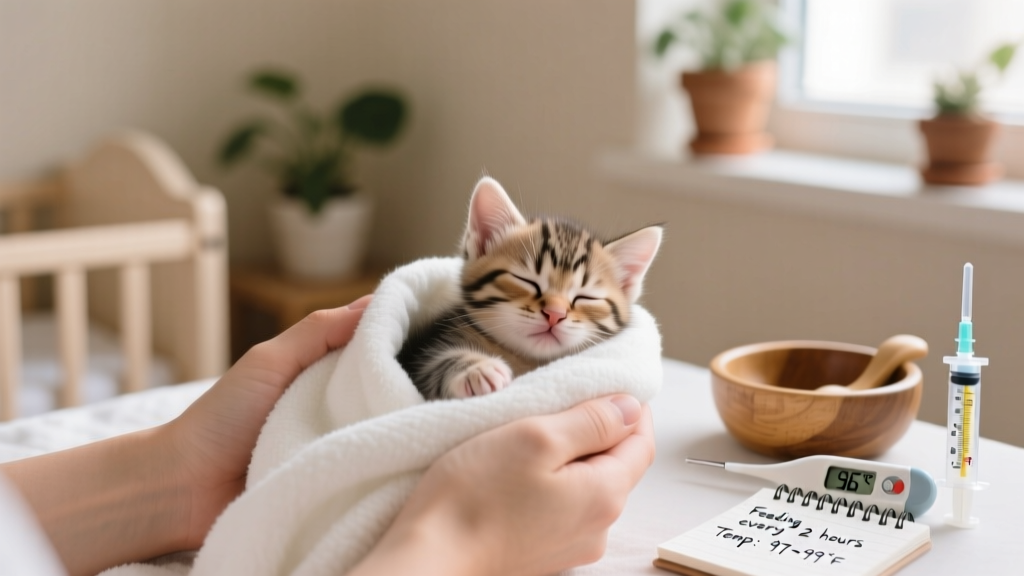
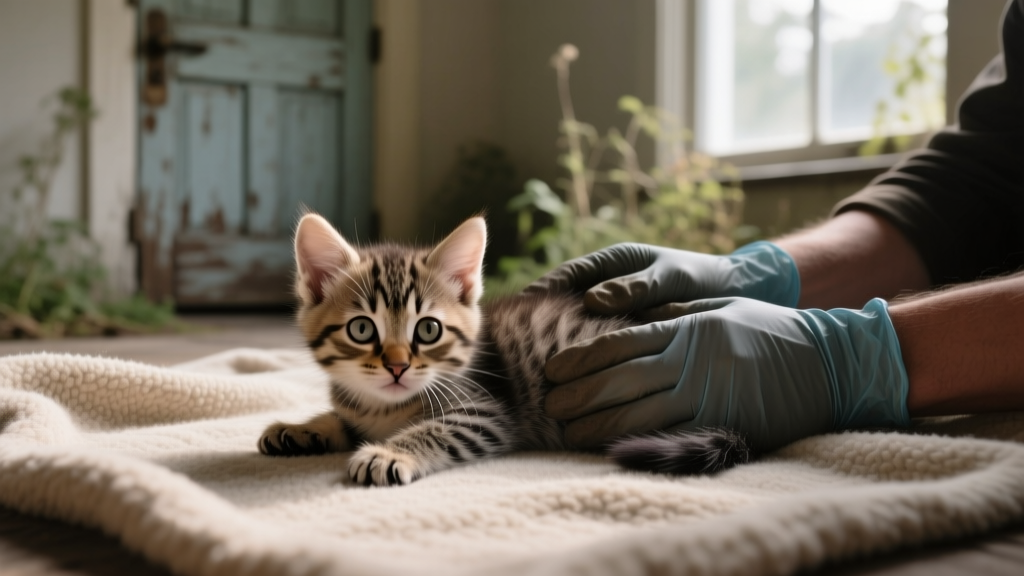
Forget cute names and Instagram photos for now. Your priority is physiological stabilization. Kittens under 12 weeks have minimal fat reserves, immature immune systems, and zero ability to regulate body temperature or blood sugar independently. A drop of just 2°F in rectal temperature—or missing one meal—can trigger rapid deterioration.
Do this immediately:
- Check hydration: Gently pinch the skin between the shoulder blades. If it takes >2 seconds to snap back, your kitten is dehydrated—contact your vet before feeding anything.
- Verify warmth: Use a digital thermometer (not mercury) rectally. Normal temp: 100.5–102.5°F. Below 99°F? Wrap in a warmed (not hot) towel and place near—but not directly on—a heating pad set to low, covered with two layers of fabric. Never use microwavable heat packs—they burn.
- Weigh daily: Use a kitchen scale accurate to 1g. Healthy neonates gain 10–15g per day. A loss of >5g in 24 hours warrants urgent vet evaluation.
A real-world example: Maya, a first-time owner in Portland, brought home a 6-week-old stray kitten named Mochi. She fed him wet food right away—only to discover he’d been bottle-fed exclusively until 5 weeks and couldn’t chew yet. He aspirated, developed pneumonia, and spent 4 days in ICU. “I thought ‘feeding’ was caring,” she shared. “Turns out, caring starts with *assessing*, not feeding.”
2. Vaccination, Deworming & Parasite Defense: Timing Is Everything
Vaccines don’t work if administered too early—or too late. Maternal antibodies (passed via colostrum) block vaccine efficacy until they wane, usually between 6–12 weeks. But that window leaves kittens vulnerable. Meanwhile, roundworms infect up to 75% of kittens by age 8 weeks—even those born indoors—via transmammary transmission (through mother’s milk).
Here’s the evidence-backed schedule endorsed by the American Association of Feline Practitioners (AAFP):
| Age | Vaccinations | Deworming & Parasite Control | Critical Notes |
|---|---|---|---|
| 6–8 weeks | FVRCP (core: feline viral rhinotracheitis, calicivirus, panleukopenia) | Pyrantel pamoate (for roundworms & hookworms); repeat every 2 weeks until 12 weeks | First vet visit: physical exam + fecal float test. Avoid rabies vaccine before 12 weeks—it’s ineffective and risks adverse reaction. |
| 10–12 weeks | Second FVRCP; FeLV test if outdoor exposure risk exists | Repeat pyrantel; add topical flea/tick prevention (e.g., Revolution Plus) only if labeled safe for kittens ≥8 weeks | FeLV testing must be done *before* vaccination. False negatives possible if tested <12 weeks post-exposure. |
| 14–16 weeks | Third FVRCP; Rabies (non-adjuvanted, killed virus only); FeLV vaccine (if high-risk) | Fecal recheck; start monthly heartworm prevention (e.g., Advantage Multi) if in endemic area | Rabies is legally required in most U.S. states—but only one dose needed for lifetime protection *if given at or after 16 weeks*. |
| 6 months | Spay/neuter (optimal window for health & behavior benefits) | Final deworming; annual fecal exam | Early spay/neuter (as young as 8 weeks) is safe and recommended by ASPCA—but wait until weight ≥2 lbs and fully vaccinated. |
Dr. Arjun Patel, a board-certified feline internal medicine specialist, emphasizes: “Skipping even one deworming dose allows parasite loads to rebound exponentially. We see kittens with 200+ adult roundworms on necropsy—despite ‘regular worming.’ Frequency, not just product choice, saves lives.”
3. The Litter Box Paradox: Why Cleanliness Backfires & How to Train Without Stress
Contrary to popular belief, kittens don’t instinctively use litter boxes. They learn by scent, texture, and observation—and are exquisitely sensitive to negative associations. A single bad experience (e.g., slipping on slippery liner, loud flush noise, or punishment) can cause lifelong aversion.
The science-backed approach:
- Start with unscented, non-clumping clay or paper-based litter—clay dust irritates airways, and clumping litter poses ingestion risk if licked during grooming.
- Use shallow, rimless trays for kittens under 12 weeks. High sides trap ammonia odor and discourage entry.
- Place trays in quiet, low-traffic zones—never near food/water bowls or washing machines. Cats associate elimination with safety, not convenience.
- After meals and naps, gently place kitten in tray for 2–3 minutes. Reward calm squatting (not elimination) with soft praise—not treats, which distract from the task.
Case study: A 2022 University of Lincoln study tracked 42 kittens across 3 litter training methods. Kittens trained with positive reinforcement (gentle placement + praise) achieved 94% consistent use by week 3. Those subjected to “litter box confinement” (forced isolation) had 3x higher incidence of inappropriate urination at 6 months.
4. Nutrition That Builds Immunity—Not Just Full Bellies
Kittens require 2–3x the calories per pound of adult cats—and specific amino acids like taurine, arginine, and arachidonic acid that they cannot synthesize. Yet 68% of commercial “kitten food” brands fail AAFCO growth-stage nutrient profiles for at least one essential vitamin, according to independent lab analysis by the Pet Nutrition Alliance (2023).
Key non-negotiables:
- Look for “AAFCO Statement for Growth”—not “All Life Stages.” The latter dilutes nutrients to meet adult minimums, not kitten needs.
- Wet food first: Hydration is critical for kidney development. Offer canned food 3–4x/day; supplement with high-quality dry kibble only after 12 weeks.
- Avoid cow’s milk: Lactose intolerance causes severe diarrhea in >90% of kittens. Use kitten milk replacer (KMR) if orphaned—not goat’s milk or human formula.
- Introduce novel proteins slowly: Rotate chicken → turkey → rabbit over 2 weeks to build gut microbiome diversity and reduce allergy risk.
Pro tip: Warm wet food slightly (to ~98°F) to mimic body temperature—it enhances palatability and stimulates appetite in stressed kittens.
Frequently Asked Questions
Can I bathe my new kitten?
No—unless medically necessary (e.g., pesticide exposure). Kittens lose body heat 3x faster than adults, and bathing strips natural skin oils critical for thermoregulation and immune defense. Spot-clean with warm, damp cloth only. Full baths should wait until after 12 weeks and full vaccination series.
When can my kitten go outside?
Never unsupervised—and not even supervised until fully vaccinated (16 weeks), spayed/neutered, and microchipped. Outdoor access before then carries extreme risk: cars, predators, toxins, and infectious disease (feline leukemia, FIV). Consider catios or leash training instead.
My kitten cries all night—what should I do?
This is almost always separation anxiety or cold—not hunger. Ensure ambient temperature is 75–80°F, provide a warm snuggle-safe bed (like a microwavable pet pad), and avoid reinforcing crying with attention. Play vigorously 30 mins before bedtime to induce sleepiness. Persistent vocalization beyond week 2 warrants vet check for pain or neurological issues.
Should I get two kittens instead of one?
Evidence strongly supports it—for social species like cats. Paired kittens show 40% lower cortisol levels, reduced destructive behavior, and fewer attachment disorders. But only if you can afford double veterinary care, food, and enrichment. Never adopt siblings and separate them later—they grieve intensely.
Is it okay to let my kitten sleep in my bed?
Yes—with caveats. Wait until after 12 weeks and full deworming to avoid zoonotic parasite risk (e.g., hookworm larvae). Use washable bedding, vacuum daily, and never allow face contact while sleeping. Note: Kittens under 16 weeks have poor impulse control—sleeping with infants or immunocompromised individuals is unsafe.
Common Myths Debunked
Myth #1: “Kittens will naturally learn to use the litter box.”
False. Learning requires consistent, positive association. Unsupervised access to multiple litter options without guidance leads to substrate preference confusion (e.g., carpet, laundry piles). Studies show 82% of inappropriate elimination cases trace back to unstructured early training.
Myth #2: “If my kitten seems healthy, vaccines aren’t urgent.”
Dangerous misconception. Panleukopenia has >90% mortality in unvaccinated kittens—and incubation is 2–10 days. By the time symptoms appear (vomiting, fever, lethargy), it’s often too late. Vaccination is preventive medicine—not optional.
Related Topics (Internal Link Suggestions)
- Best Kitten Food Brands Ranked by Veterinary Nutritionists — suggested anchor text: "vet-recommended kitten food brands"
- How to Socialize a Shy or Feral Kitten in 14 Days — suggested anchor text: "kitten socialization timeline"
- Signs of Illness in Kittens: When to Rush to the Vet — suggested anchor text: "kitten emergency symptoms"
- DIY Kitten Enrichment Toys That Cost Less Than $5 — suggested anchor text: "budget-friendly kitten toys"
- Spaying/Neutering Kittens: Age, Risks, and Long-Term Benefits — suggested anchor text: "early spay neuter safety"
Your Next Step Starts Now—Not Tomorrow
You now hold the actionable, vet-validated framework for keeping your new kitten safe, healthy, and bonded—not overwhelmed by conflicting advice or fear-driven decisions. Remember: how to take care of a new kitten isn’t about doing everything perfectly. It’s about doing the right things at the right time—starting with that first 24-hour assessment, sticking to the deworming schedule, choosing nutrition that builds immunity, and honoring their need for security over speed. Your next move? Download our free Printable First-Week Kitten Care Checklist—with vet-approved timelines, symptom red flags, and a space to log daily weight and litter use. Because the best care begins before the first purr.