How to Care for a Wild Kitten: The Critical First 72 Hours (What Most People Get Wrong—and Why It Can Mean Life or Death)
Why This Matters More Than You Think—Right Now
If you’ve just found a shivering, unresponsive, or abandoned-looking kitten outdoors—how to care for a wild kitten isn’t just helpful advice. It’s an emergency protocol. Unlike stray or feral adult cats, wild kittens under 4 weeks old cannot regulate their body temperature, digest solid food, or fight off common pathogens like feline panleukopenia or upper respiratory infections. Without intervention within the first 24–72 hours, mortality rates exceed 80%, according to data from the ASPCA’s Feline Neonatal Care Initiative. And yet, well-meaning rescuers often make fatal mistakes—like giving cow’s milk, forcing handling, or delaying vet assessment. This guide walks you through what to do *first*, what to avoid *at all costs*, and how to maximize survival while honoring ethical wildlife stewardship.
Step Zero: Assess Before You Act—Is Intervention Even Necessary?
Not every ‘abandoned’ kitten needs human rescue—and premature interference can do more harm than good. Kittens under 3 weeks old are nearly scentless and rely entirely on maternal warmth and nursing. A mother cat may leave her litter for hours while hunting—but she’ll return. Observe from at least 35 feet away for 2–4 hours (use binoculars if possible) before approaching. Look for these evidence-based signs that intervention is urgent:
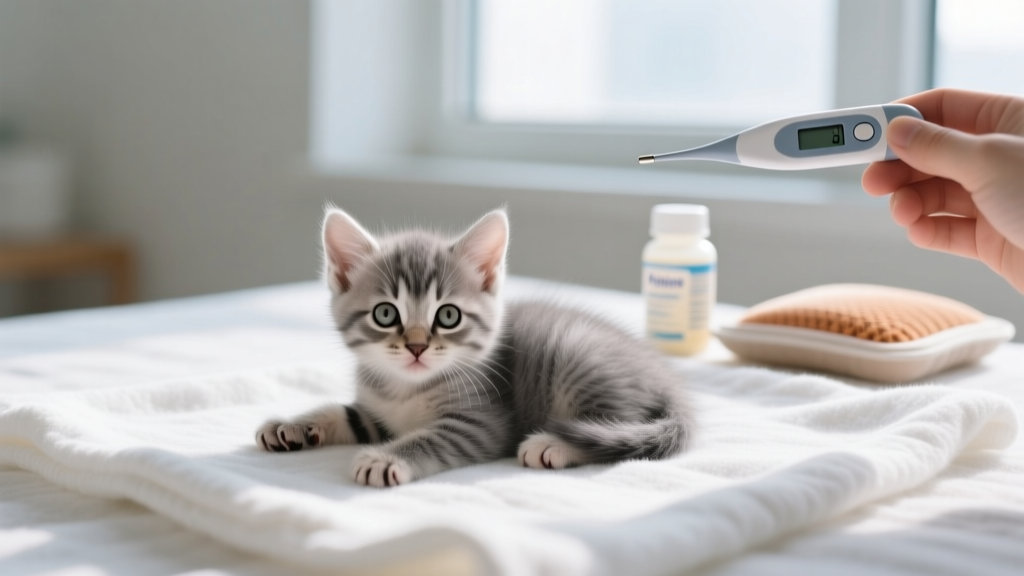
- Hypothermia: Rectal temp below 94°F (34.4°C)—kittens become lethargy, limp, and unresponsive
- Dehydration: Skin tenting >2 seconds, dry gums, sunken eyes
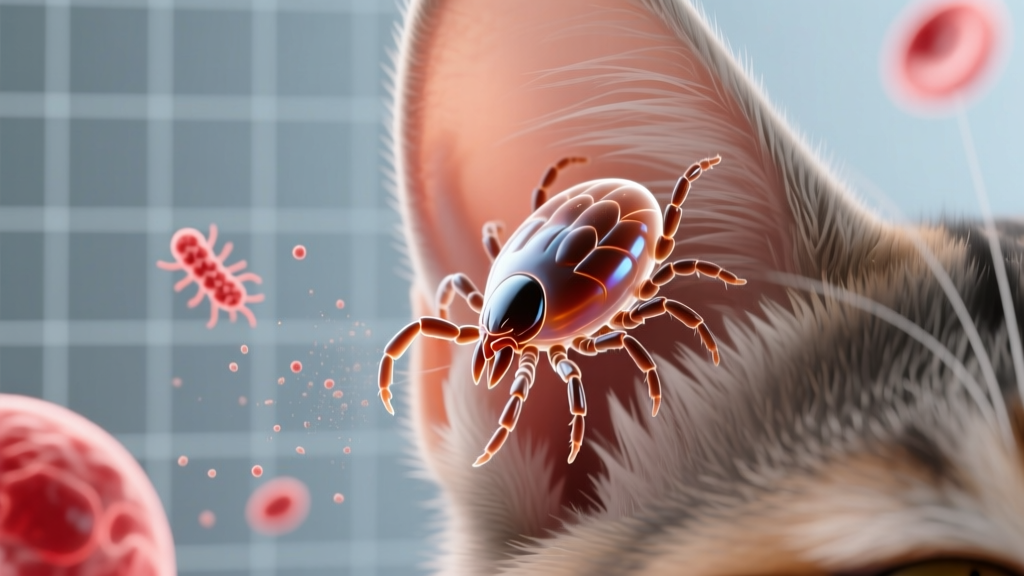
- Parasite load: Visible fleas (especially in ears), severe diarrhea with blood or mucus
- Injury or distress: Open wounds, labored breathing, constant high-pitched crying
- Orphan confirmation: No maternal return after 4+ hours in cool weather (<70°F), or visible maternal death/neglect
According to Dr. Julie Levy, DVM, PhD, Director of Maddie’s Shelter Medicine Program at the University of Florida, “The single most common error is removing kittens without confirming abandonment. Over 60% of ‘orphaned’ litters observed for 4 hours reunite with their mothers.” If the mother returns, leave the family undisturbed—and consider TNR (Trap-Neuter-Return) support for the mom once kittens are weaned.
The 72-Hour Stabilization Protocol: From Hypothermic to Hydrated
Assuming intervention is warranted, your priority shifts immediately to thermoregulation, hydration, and infection prevention—not feeding. Newborn kittens lose heat 3x faster than adults and cannot shiver effectively. Here’s the sequence, backed by Cornell Feline Health Center clinical guidelines:
- Warm slowly: Never use direct heat (heating pads, hair dryers). Wrap kitten in a soft towel, place on a warm (not hot) rice sock or microwavable heat disc wrapped in fleece, and monitor rectal temp every 10 minutes. Goal: raise temp to 97–99°F over 30–60 minutes.
- Hydrate before feeding: Use oral rehydration solution (Pedialyte unflavored, diluted 50/50 with warm water) via 1mL syringe (no needle). Administer 1–2mL per 100g body weight over 1 hour. Do NOT force-feed if kitten is comatose or gasping.
- Feed only after stable temp & hydration: Use KMR Kitten Milk Replacer (powdered, not liquid) mixed fresh daily. Feed every 2–3 hours for kittens <2 weeks; every 3–4 hours for 2–4 week-olds. Use a 1–3mL syringe with nipple or specialized kitten bottle—never dropper or spoon (risk of aspiration).
- Stimulate elimination: After each feeding, gently rub genital/anal area with warm, damp cotton ball for 30–60 seconds until urination/defecation occurs. Kittens cannot eliminate without stimulation until ~3 weeks old.
One real-world case illustrates the stakes: In Portland, OR, a Good Samaritan found three 10-day-old kittens huddled under a porch. She warmed them too quickly using a hair dryer, causing thermal shock and seizures in two. Only one survived after emergency ICU care. Slow, controlled rewarming saves lives.
Veterinary Triage: What to Ask For (and What to Avoid)
A vet visit within 24 hours is non-negotiable—even for seemingly healthy kittens. But not all clinics are equipped for neonatal feline emergencies. Call ahead and ask: “Do you see neonatal kittens under 3 weeks for urgent stabilization, including PCR testing for feline herpesvirus and calicivirus, fecal float for coccidia and hookworms, and subcutaneous fluids?” If they hesitate or say ‘just bring them in,’ find another clinic.
Essential diagnostics and treatments include:
- Fecal exam + deworming: Roundworms and hookworms infect >90% of wild kittens; pyrantel pamoate is safe even at 2 weeks.
- PCR panel: Tests for feline panleukopenia (FPV), herpesvirus (FHV-1), and calicivirus (FCV)—all highly contagious and often fatal in neonates.
- Empiric antibiotics: Clavamox suspension (amoxicillin/clavulanate) at 12.5mg/kg BID for 7 days, per American Association of Feline Practitioners (AAFP) guidelines, due to high risk of sepsis.
- Flea control: Capstar (nitenpyram) is FDA-approved for kittens as young as 4 weeks and 2 lbs—but never use topical flea products (Frontline, Advantage) on kittens under 8 weeks.
Dr. Leticia Lopes, DVM, shelter medicine specialist with Best Friends Animal Society, emphasizes: “Kittens don’t get ‘a little sick.’ They go from stable to critical in under 6 hours. Your vet must treat them as pediatric ICU patients—not cute fluffballs.”
Care Timeline & Milestones: What to Expect Week by Week
Wild kittens develop rapidly—but deviations signal trouble. Use this clinically validated timeline to track progress and know when to escalate care:
| Age Range | Key Physical Milestones | Feeding & Nutrition | Red Flags Requiring Immediate Vet Visit |
|---|---|---|---|
| 0–1 week | Eyes closed; ears folded; umbilical cord present; weight gain ≥10g/day | KMR every 2 hrs; stimulate after each feed; no solids | No weight gain in 24 hrs; persistent crying; blue-tinged gums; inability to suckle |
| 1–2 weeks | Eyes begin opening (days 7–10); ear canals open; begins crawling | Continue KMR every 2–3 hrs; introduce gentle massage to aid digestion | Eyes remain sealed past day 14; pus discharge from eyes/nose; diarrhea lasting >12 hrs |
| 2–3 weeks | Eyes fully open; begins walking wobbly; teeth erupt (incisors); plays with siblings | Introduce shallow dish of KMR mixed 50/50 with wet kitten food; still bottle-feed majority | Sudden lethargy; refusal to eat for >2 feeds; tremors or seizures |
| 3–4 weeks | Running, pouncing, grooming self; full set of deciduous teeth; uses litter box consistently | Transition to high-protein wet kitten food 3x/day; offer fresh water; discontinue bottle | Blood in stool; coughing/wheezing; isolation from littermates; failure to gain ≥15g/day |
Frequently Asked Questions
Can I feed cow’s milk or goat’s milk to a wild kitten?
No—absolutely not. Cow’s milk contains lactose and proteins (casein, whey) that wild kittens lack the enzymes to digest, leading to severe, life-threatening diarrhea and dehydration within hours. Goat’s milk is only marginally better and still lacks essential taurine, arginine, and proper fat ratios. Always use a commercial kitten milk replacer like KMR or Just Born. According to the UC Davis School of Veterinary Medicine, “Cow’s milk is the #1 cause of preventable neonatal kitten mortality in community rescues.”
How do I know if a kitten is truly feral—or just scared?
Feral kittens avoid eye contact, flatten ears, hiss/growl when approached, and retreat or freeze instead of running. Socialized kittens (even strays) will often blink slowly, approach curiously, or purr when held gently. But age is critical: kittens under 8 weeks can be socialized with consistent, calm handling—ideally 2+ hours daily. After 12 weeks, feral behavior becomes deeply ingrained. If unsure, consult a certified feline behaviorist before assuming it’s ‘too late.’
Should I take the kitten to a shelter right away?
Not necessarily—and often, it’s the worst option. Most municipal shelters lack neonatal kitten programs and euthanize unweaned kittens due to resource constraints. Instead, contact a local TNR group, foster-based rescue (e.g., Kitten Lady affiliates), or nonprofit like Alley Cat Allies for guidance. They’ll help assess, provide supplies, and connect you with trained fosters. Only go to a shelter if you cannot provide 24/7 care and no rescue network is available.
What if I find multiple kittens—should I separate them?
No. Littermates provide vital warmth, comfort, and immune support. Separating them increases stress, hypothermia risk, and cortisol levels—slowing healing. Keep them together in a quiet, draft-free box with soft bedding and a heating source. Only separate if one is severely ill (e.g., vomiting, bloody diarrhea) to prevent contagion—and even then, consult your vet first.
Is it safe to handle wild kittens with bare hands?
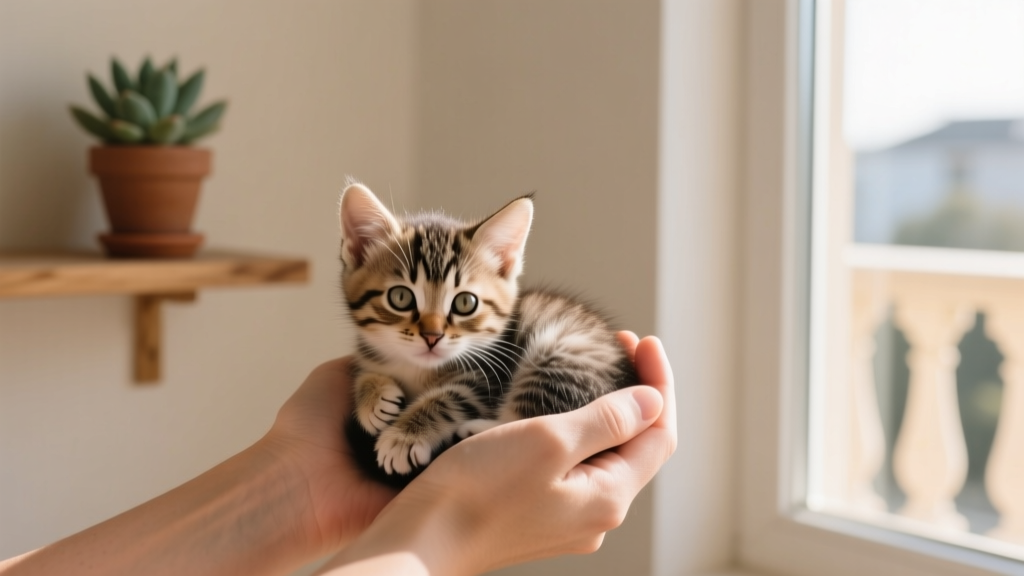
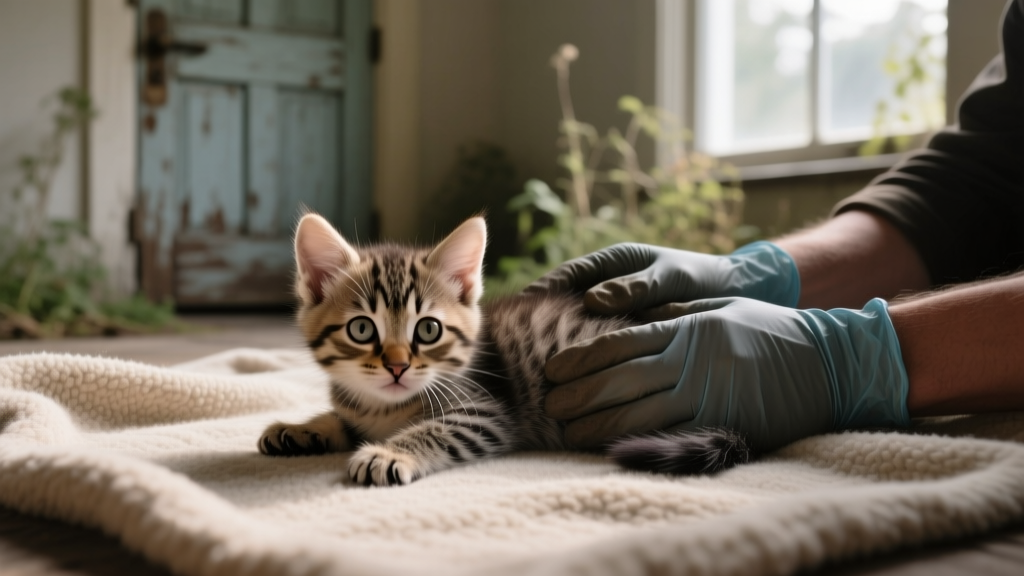
Yes—if you wash hands thoroughly before and after, and wear gloves if you have compromised immunity or other pets at home. Contrary to myth, human scent does not cause maternal rejection—cats recognize their young by scent *and* sound, and abandonment is almost always due to illness, injury, or environmental stress—not human touch. However, minimize handling to reduce stress: hold only for feeding, stimulation, or medical care.
Common Myths—Debunked
Myth #1: “If I touch it, the mother will reject it.”
False. As confirmed by decades of field research from the Humane Society of the United States, cats do not abandon kittens due to human scent. Maternal rejection occurs only if the kitten is ill, injured, or deformed—or if the mother is herself stressed, malnourished, or inexperienced. Gentle handling actually helps socialization.
Myth #2: “Kittens need to stay with their mom until 8 weeks for immunity.”
Partially true—but dangerously incomplete. While colostrum provides passive immunity for ~16 hours post-birth, wild moms rarely nurse beyond 4–6 weeks—and kittens begin developing active immunity at 4 weeks. Delaying vet care or vaccinations until 8 weeks puts them at extreme risk for FPV, which has a 90% fatality rate in unvaccinated kittens under 12 weeks.
Related Topics (Internal Link Suggestions)
- Feral kitten socialization timeline — suggested anchor text: "how to socialize a feral kitten"
- Kitten vaccination schedule — suggested anchor text: "when to vaccinate kittens"
- TNR for community cats — suggested anchor text: "trap-neuter-return program"
- Kitten milk replacer comparison — suggested anchor text: "best kitten formula"
- Signs of kitten dehydration — suggested anchor text: "kitten dehydration symptoms"
Your Next Step Starts Now—And It’s Simpler Than You Think
You now know the exact steps to stabilize a wild kitten in crisis—and the hard truths about when not to intervene. But knowledge alone doesn’t save lives. Your next action should take under 60 seconds: text ‘KITTEN’ to 501501 to connect instantly with a live feline welfare specialist from Alley Cat Allies’ 24/7 Kitten Crisis Line—or call your nearest low-cost spay/neuter clinic and ask, “Do you work with neonatal kitten rescues?” Don’t wait for ‘perfect’ conditions. That trembling, silent bundle needs warmth, hydration, and expert eyes—today. Every minute counts. And remember: compassion isn’t just kindness—it’s competence, courage, and commitment to doing what’s truly best for the kitten’s survival and long-term well-being.