How to Care for a Motherless Kitten: The First 72 Hours Are Everything — A Step-by-Step Lifesaving Protocol (Vet-Reviewed, With Exact Temperatures, Feeding Schedules & Warning Signs You Can’t Ignore)
Why This Isn’t Just ‘Feeding a Tiny Cat’ — It’s Neonatal Emergency Care
If you’ve just found or taken in a motherless kitten — especially one under four weeks old — you’re not facing a simple pet care task. You’re stepping into the role of a neonatal intensive care unit. How to care for a motherless kitten is fundamentally about replicating the biological, thermal, immunological, and behavioral support that only a queen provides — and missing even one critical element can mean the difference between survival and rapid decline. Kittens this young lack thermoregulation, cannot urinate or defecate without stimulation, have zero immunity, and digest milk poorly if fed incorrectly. In fact, according to the American Veterinary Medical Association (AVMA), over 60% of orphaned kittens under two weeks die without expert-level human intervention — most within the first 48 hours. This isn’t alarmist language; it’s epidemiological reality. But here’s the good news: with precise, timely, and compassionate action, survival rates jump to over 85% — and we’ll walk you through exactly how.
Stabilize First: Warmth, Hydration & Immediate Assessment
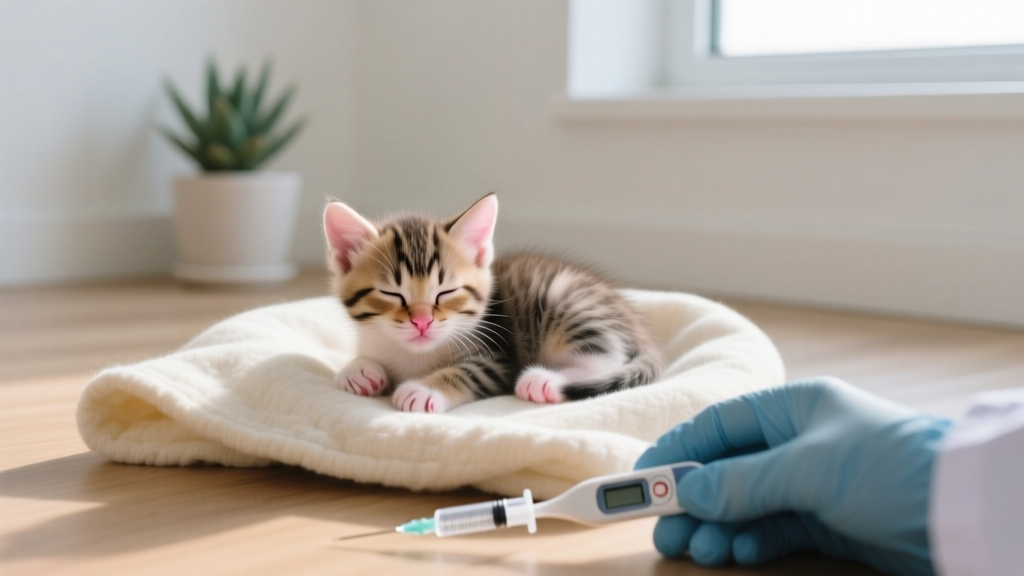
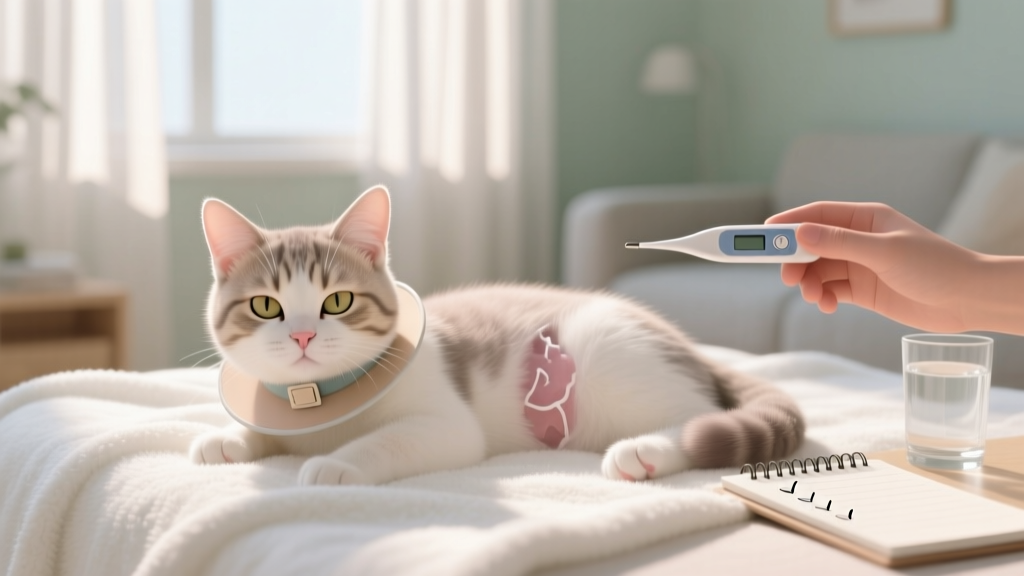
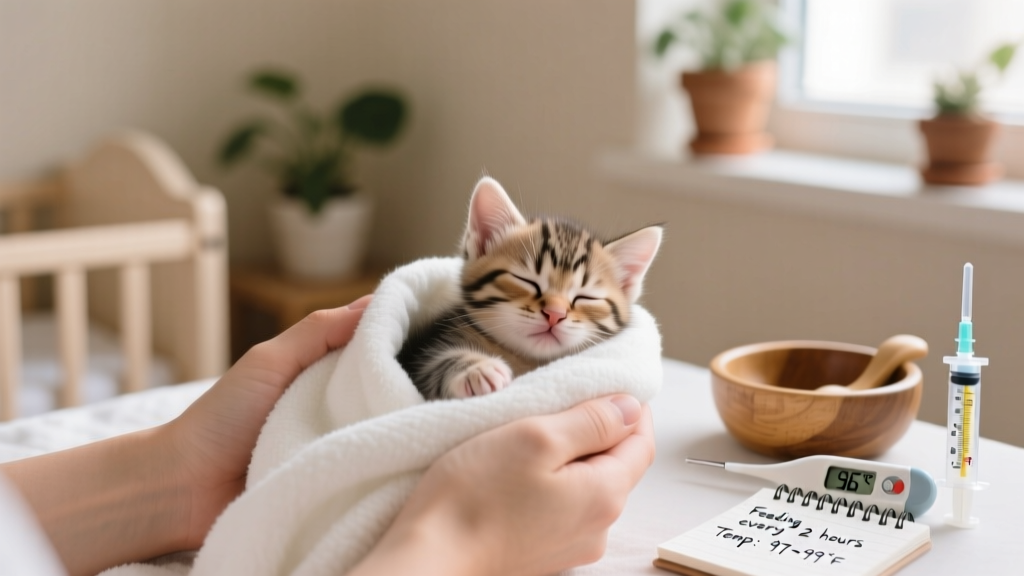
Before you reach for the bottle, pause. Hypothermia kills faster than hunger. A kitten’s normal rectal temperature is 95–99°F (35–37.2°C) at birth, rising to 100–102.5°F (37.8–39.2°C) by week two. If it’s below 94°F? That’s an emergency. Never feed a cold kitten — digestion halts, aspiration risk skyrockets, and shock can set in within minutes.
Here’s your stabilization protocol:
- Warm gradually: Use a heating pad set on LOW under half a towel (never direct contact), or a microwavable rice sock wrapped in fleece. Increase ambient temperature to 85–90°F (29–32°C). Monitor rectal temp every 15 minutes with a digital thermometer lubricated with KY Jelly.
- Assess hydration: Gently pinch the skin over the shoulders. If it stays tented >2 seconds, dehydration is severe. Offer oral rehydration solution (Pedialyte unflavored, diluted 50/50 with warm water) via dropper — 1 mL per 10g body weight, every 15 minutes until skin elasticity improves.
- Weigh immediately: Use a digital kitchen scale (accurate to 1g). Record weight — it’s your single best predictor of viability. Healthy newborns gain 7–10g/day. A loss of >10% body weight in 24 hours signals grave concern.
Dr. Sarah Lin, DVM and founder of the Feline Neonatal Rescue Network, emphasizes: “I’ve seen dozens of well-meaning rescuers lose kittens because they rushed to feed before warming. Warming isn’t optional prep — it’s the first life-support intervention.”
Bottle-Feeding Like a Pro: Formula, Frequency & Technique That Prevents Aspiration
Mother’s milk contains species-specific antibodies, enzymes, and growth factors no commercial formula fully replicates — but KMR (Kitten Milk Replacer) or similar vet-approved formulas are the gold standard. Cow’s milk causes fatal diarrhea and malnutrition. Goat’s milk lacks essential taurine and arginine. And homemade ‘recipes’ (like evaporated milk + egg yolk) are dangerous myths — they cause metabolic imbalances and sepsis.
Crucial feeding facts:
- Temperature matters: Warm formula to 95–100°F (35–37.8°C) — test on your inner wrist. Too hot burns the esophagus; too cold slows gut motility.
- Position is non-negotiable: Hold kitten belly-down, slightly angled downward (like nursing on mom), never on its back. Aspiration pneumonia is the #1 cause of sudden death during feeding.
- Pace controls volume: Feed slowly — 5–10 seconds per 1mL. Watch for swallowing cues (ear flicks, jaw movement). Stop if gums blanch or breathing becomes labored.
Feeding frequency depends entirely on age — not appetite. Overfeeding causes bloat and regurgitation; underfeeding starves vital organs. Follow this evidence-based schedule:
| Age | Formula Volume per Feeding | Feeding Interval | Key Developmental Notes |
|---|---|---|---|
| Newborn – 1 week | 2–4 mL per feeding | Every 2–3 hours (including overnight) | Eyes closed; ears folded; umbilical cord still attached (falls off ~3 days) |
| 1–2 weeks | 5–7 mL per feeding | Every 3–4 hours | Eyes begin opening (days 7–14); start responding to sound |
| 2–3 weeks | 8–10 mL per feeding | Every 4–5 hours | Eyes fully open; ears upright; begins crawling; teeth erupt (~2 weeks) |
| 3–4 weeks | 10–15 mL per feeding | Every 5–6 hours | Starts walking steadily; social play emerges; introduce gruel (KMR + wet food) |
Always burp gently after feeding — hold upright against your shoulder and pat softly. And never prop-feed: propped bottles lead to aspiration 9x more often (per 2022 Cornell Feline Health Center study).
Stimulation, Sanitation & Sepsis Prevention: The Hidden Triad of Survival
Without mom, kittens cannot eliminate waste on their own until ~3 weeks. Failure to stimulate leads to toxic buildup, urinary tract obstruction, and fatal constipation. But stimulation is only half the battle — sanitation and infection control are equally critical. Orphaned kittens have no passive immunity. Their IgG levels are near zero. A single contaminated bottle nipple or unwashed hand can introduce E. coli or feline herpesvirus — both rapidly fatal in neonates.
Your daily hygiene protocol:
- Wash hands with soap + warm water for 20+ seconds before *every* handling session.
- Sterilize all feeding equipment after each use: boil nipples and bottles for 5 minutes, or run through a dishwasher with sanitize cycle.
- Use separate, clean cotton balls soaked in warm water (not alcohol or wipes) to stimulate — gently stroke genital and anal area in circular motions for 30–60 seconds until urine/feces pass. Do this before *and* after every feeding.
- Disinfect surfaces with diluted bleach (1:32 ratio) — avoid phenols (e.g., Lysol) and tea tree oil, which are neurotoxic to kittens.
Watch for early sepsis signs: lethargy beyond normal sleep (kittens sleep 22+ hrs/day, but should rouse readily for feeds), weak or absent suck reflex, pale gums, cool extremities, or mucus in mouth/nose. If observed, seek emergency vet care *immediately* — do not wait. According to Dr. Elena Ruiz, a board-certified feline specialist, “Neonatal sepsis progresses from subtle to catastrophic in under 6 hours. Antibiotics must be started within the first hour of clinical suspicion.”
Developmental Milestones, Weaning & When to Call the Vet
Tracking development isn’t just reassuring — it’s diagnostic. Delays signal underlying issues: poor nutrition, congenital defects, or infection. Below are key benchmarks and red flags:
- Days 1–3: Should root and suck vigorously. Failure = neurological issue or severe weakness.
- Day 7: Ear canals should begin opening. Delayed opening + lethargy = possible infection.
- Days 10–14: Eyes should be fully open and responsive to light. Cloudiness, discharge, or squinting = conjunctivitis (often chlamydial or herpetic).
- Week 3: Should lift chest while lying down, attempt standing. Floppiness or inability to hold head up = neuromuscular concern.
- Week 4: Should eat gruel willingly, follow moving objects, vocalize socially. Persistent crying during feeding = dental pain or reflux.
Weaning begins at 3.5 weeks — but *never* before. Introduce gruel (KMR mixed with high-quality pate-style wet food, smooth as thin oatmeal) on a fingertip first. Gradually thicken over 7–10 days. By 6–7 weeks, most kittens eat solid food exclusively. However, abrupt weaning causes stress-induced GI stasis — always overlap feeding methods for 5 days.
Call your vet immediately if you see:
- No stool for >24 hours (after stimulation)
- Green, yellow, or bloody diarrhea
- Labored breathing or wheezing
- Seizures, tremors, or limb rigidity
- Sudden weight loss >10% in 24 hours
Frequently Asked Questions
Can I use human baby formula or goat’s milk for a motherless kitten?
No — absolutely not. Human infant formula lacks taurine, arginine, and arachidonic acid essential for feline retinal and cardiac development. Goat’s milk has insufficient protein and wrong calcium:phosphorus ratios, leading to metabolic bone disease. Both cause severe osmotic diarrhea, dehydration, and bacterial overgrowth. Only use KMR, Breeder’s Edge, or Just Born — all formulated to match queen’s milk composition. If unavailable, contact a local rescue or vet clinic — they often stock emergency supplies.
How do I know if my kitten is getting enough to eat?
Weigh daily at the same time (before first feeding). A healthy kitten gains 7–10g per day. A 100g newborn should weigh ~120g by day 3 and ~170g by day 7. Also watch for: rounded, firm belly (not tight or distended), steady sleeping between feeds, strong suck reflex, and consistent urine output (pale yellow, 3–5 times/day). If stools are frequent, loose, or foul-smelling — you’re likely overfeeding or using incorrect formula temperature.
Do I need to give supplements like probiotics or vitamins?
Not routinely — and never without veterinary guidance. High-quality KMR already contains balanced vitamins, prebiotics, and digestive enzymes. Adding probiotics may disrupt developing gut flora; extra vitamin A or D causes toxicity. The exception: kittens recovering from antibiotics or severe diarrhea may benefit from a vet-prescribed strain like FortiFlora (Purina), but only for 5–7 days. Always consult your vet before supplementation — neonatal metabolism is exquisitely sensitive.
What’s the biggest mistake people make when caring for orphaned kittens?
The #1 error is delaying veterinary assessment. Many assume ‘they’ll be fine if I feed them’ — but congenital defects (cleft palate, heart murmurs), neonatal isoerythrolysis (blood type incompatibility), or undetected infections require diagnostics only a vet can perform. Even seemingly healthy orphans need a wellness exam by 72 hours — including fecal float, blood glucose check, and physical assessment. Early detection doubles survival odds.
When can I start socializing my motherless kitten?
Begin gentle handling at day 5 — 2–3 minutes, 2x/day — to build trust and neural pathways. At 2 weeks, introduce soft toys and varied textures. By 3 weeks, add short, supervised interactions with calm adults and children (always wash hands first). Critical socialization window closes at 7 weeks — delay beyond that and fear responses become ingrained. But never force interaction: let the kitten approach you. Positive experiences now prevent lifelong anxiety and aggression.
Common Myths About Motherless Kittens
Myth 1: “Kittens can drink cow’s milk if warmed properly.”
False. Lactose intolerance is universal in kittens — cow’s milk contains 4–5x more lactose than queen’s milk. Fermentation in the gut causes explosive diarrhea, dehydration, and electrolyte collapse within hours. No amount of warming fixes the biochemical mismatch.
Myth 2: “If a kitten is quiet and sleeping, it’s content and healthy.”
Dangerous misconception. Neonates with sepsis, hypoglycemia, or pneumonia often become profoundly lethargy — conserving energy for survival. A truly healthy kitten will rouse eagerly for feeds, knead, and root actively. Silence + limpness = urgent red flag.
Related Topics (Internal Link Suggestions)
- Kitten vaccination schedule — suggested anchor text: "when to vaccinate orphaned kittens"
- Signs of kitten dehydration — suggested anchor text: "how to check for dehydration in newborn kittens"
- Feline upper respiratory infection in kittens — suggested anchor text: "kitten sneezing and eye discharge treatment"
- Introducing solid food to kittens — suggested anchor text: "best wet food for weaning kittens"
- Kitten fostering programs near me — suggested anchor text: "find kitten foster care resources"
Your Next Step: Don’t Go It Alone
Caring for a motherless kitten is equal parts science, vigilance, and tenderness — and no one should navigate it solo. You’ve now got the protocols, timelines, warning signs, and vet-backed standards to dramatically increase survival odds. But knowledge isn’t enough without real-time support. Today, call your local veterinary clinic and ask for their neonatal kitten protocol — many offer free 24/7 triage lines for orphans. Simultaneously, contact a feline-focused rescue (ASPCA, Kitten Lady’s network, or Alley Cat Allies’ foster directory) — they provide formula, scales, heaters, and live mentorship. Remember: every gram gained, every warm breath, every stimulated stool is a victory. You’re not just feeding a kitten — you’re holding life itself in your hands. Now go weigh that little one, check its temperature, and breathe deep. You’ve got this — and help is one call away.