Cat Dioctophyma: Giant Kidney Worm Infection
1. Why this topic matters to cat owners
Most cat parents think of fleas, intestinal worms, and maybe heartworm when they hear “parasites.” Dioctophyma renale—often called the giant kidney worm—is much less common, but it can be serious when it occurs. This parasite can damage a cat’s kidney and urinary tract, sometimes without obvious symptoms until the problem is advanced.
The good news: many cats can do well when the infection is found early and treated appropriately. Knowing the risk factors and the subtle warning signs helps you act quickly, get your cat checked, and protect their long-term kidney health.
2. Overview: what is Dioctophyma (giant kidney worm) in cats?
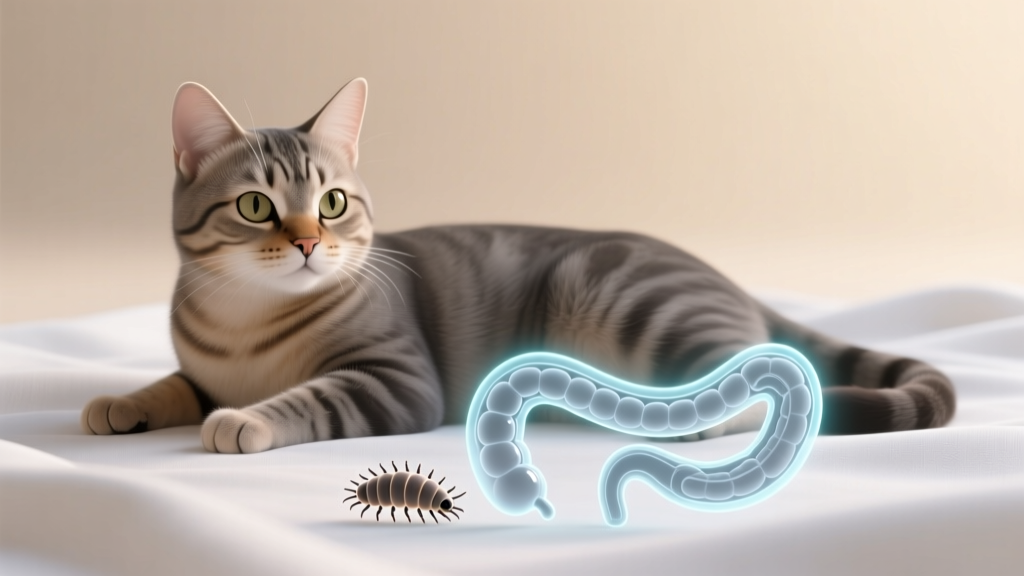
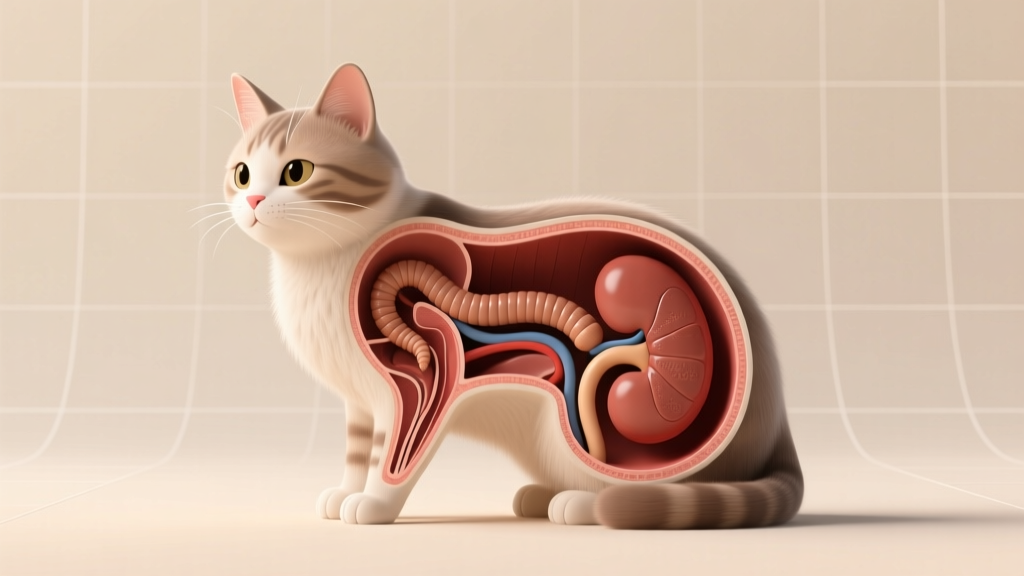
Dioctophyma renale is a large parasitic roundworm (nematode). Adult worms can become impressively long, which is where the nickname “giant kidney worm” comes from. Infected animals most often have the worm in a kidney (often the right kidney), but worms may also be found in the ureter (tube from kidney to bladder), bladder, or even loose in the abdominal cavity.
How it harms cats:
- Kidney destruction: The parasite can gradually damage and replace normal kidney tissue, reducing the kidney’s ability to filter waste.
- Bleeding and inflammation: Worm movement and irritation can cause blood in the urine and urinary discomfort.
- Obstruction risk: If a worm or associated inflammation blocks urine flow, it can become urgent.
Important context: Cats have two kidneys, and if only one kidney is affected, the other kidney may compensate. That’s one reason a cat can look “fine” for a while. If both kidneys are compromised or the remaining kidney isn’t healthy, illness can become much more obvious.
3. Symptoms and warning signs to watch for
Some cats have no noticeable signs early on. When symptoms appear, they can look like many other urinary or kidney problems. Contact your veterinarian if you notice any of the following:
- Blood in the urine (pink, red, or brown-tinged urine)
- Straining to urinate or frequent trips to the litter box with little urine produced
- Painful urination (crying, restlessness, licking the genital area)
- Increased drinking and/or increased urination
- Decreased appetite, weight loss, or nausea (drooling, lip-smacking)
- Lethargy or hiding more than usual
- Vomiting (especially if kidney function is affected)
- Abdominal discomfort (tense belly, sensitivity when picked up)
Signs can come and go. A brief episode of blood in the urine that resolves still deserves a veterinary visit—especially if your cat has outdoor access or hunts.
4. Causes and risk factors
Cats become infected by ingesting the parasite in its larval stages, typically through exposure to freshwater environments and aquatic or semi-aquatic animals. The life cycle is complex and usually involves:
- Freshwater habitats
- Intermediate hosts such as aquatic worms (annelids)
- Transport hosts such as fish or frogs that have eaten the intermediate host
Common risk factors for cats:
- Outdoor access, especially near ponds, lakes, streams, or marshy areas
- Hunting behavior (eating frogs, fish, or other small prey associated with freshwater)
- Access to raw fish or raw amphibians (including “treats” or scavenged food)
- Living in or traveling to regions where the parasite is present (your veterinarian may know local risk patterns)
Indoor-only cats are at much lower risk, but not zero if they are fed raw freshwater fish or have unusual exposure.
5. Diagnosis: what to expect at the vet
If your veterinarian suspects a urinary tract issue or kidney disease, they’ll usually start with a detailed history and exam. Be prepared to answer questions like:
- Does your cat go outdoors or hunt?
- Any access to ponds/streams or raw fish?
- When did urinary signs start, and are they intermittent?
- Any vomiting, appetite changes, or weight loss?
Common diagnostic tests:
- Urinalysis: Checks for blood, protein, crystals, infection indicators, and (occasionally) parasite eggs. Not all infected cats will have eggs in the urine.
- Urine culture: Looks for bacterial infection, which can occur alongside other urinary problems.
- Bloodwork (CBC and chemistry): Evaluates kidney values, hydration status, anemia, inflammation, and overall organ function.
- Imaging:
- Ultrasound is one of the most helpful tools. The worm may be visible as a distinctive structure within the kidney or urinary tract.
- X-rays may be used to assess kidney size/shape and rule out stones, though the parasite itself may not always be clearly seen.
What this appointment feels like for your cat: Most cats tolerate urine collection and bloodwork well. Imaging may require gentle restraint; some cats benefit from mild sedation to reduce stress and get clear images. Your vet team will focus on comfort and safety.
6. Treatment options (medical, surgical, and home care)
Treatment depends on where the parasite is located, how much kidney damage has occurred, and whether one or both kidneys are affected.
Surgical treatment (most common and effective)
- Kidney removal (nephrectomy): If one kidney is severely damaged and the other kidney is healthy, removing the affected kidney can be the best option. Cats can live a good quality of life with one functioning kidney.
- Worm removal (nephrotomy/ureterotomy/cystotomy): In select cases, the surgeon may remove the worm while preserving the kidney or removing it from the ureter/bladder. The approach depends on location and tissue condition.
Your veterinarian may recommend referral to a surgical specialist or advanced imaging center, especially if the case is complex.
Medical management
There is no universally reliable, simple deworming medication that consistently eliminates adult giant kidney worms in cats. Your veterinarian may still use medications as part of a broader plan, but surgery is often the definitive treatment when a worm is present in a kidney.
Medical support may include:
- Pain relief appropriate for cats (never give human pain medications)
- Antibiotics if a bacterial urinary infection is present
- Anti-nausea medication if appetite is reduced
- Fluids (subcutaneous or IV) if dehydration or kidney compromise is noted
Home care after diagnosis or surgery
Your vet team will give specific instructions, but typical at-home care includes:
- Give all medications exactly as prescribed and call your clinic if your cat refuses doses or vomits them up.
- Strict rest after surgery (often 10–14 days), with no jumping or rough play.
- Monitor litter box output:
- How often your cat urinates
- Urine amount
- Any blood or straining
- Encourage hydration: Provide multiple water stations, consider a cat water fountain, and ask your vet if adding wet food is appropriate.
- Follow-up visits for rechecks, suture removal (if needed), and repeat bloodwork/urinalysis.
Practical tip you can do today: Spend 30 seconds once daily watching your cat use the litter box. Subtle straining or repeated trips are often noticed there first.
7. Prevention strategies and early detection tips
Prevention focuses on reducing exposure to the parasite’s life cycle and catching urinary issues early.
Reduce exposure risk
- Keep cats indoors or provide supervised outdoor time (catio, harness walks) to reduce hunting and freshwater exposure.
- Discourage hunting by using interactive indoor play and feeding enrichment.
- Avoid feeding raw freshwater fish or raw amphibians. If you’re considering a raw diet, talk with your veterinarian or a board-certified veterinary nutritionist first.
- Control access to pond/stream areas if your cat roams outdoors.
Early detection habits
- Annual wellness exams (twice yearly for seniors or cats with kidney concerns)
- Routine screening:
- Urinalysis for cats with urinary signs, outdoor lifestyles, or prior urinary issues
- Baseline bloodwork for adult cats, and regular monitoring for middle-aged/senior cats
- Track changes at home in thirst, appetite, weight, and litter box habits
If your cat has outdoor access and ever has unexplained blood in the urine, ask your veterinarian whether imaging (especially ultrasound) makes sense.
8. Prognosis and quality of life considerations
Prognosis varies, but many cats can have a good outcome, especially when:
- Only one kidney is affected
- The other kidney is healthy
- The condition is diagnosed before severe complications develop
- Surgery is performed by an experienced team with appropriate monitoring
Living with one kidney: Cats can do very well with a single functioning kidney. Long-term care often includes:
- Periodic bloodwork and urinalysis to monitor kidney function
- Maintaining hydration (wet food often helps)
- Prompt treatment of urinary infections or urinary tract inflammation
If kidney damage is advanced, or if both kidneys are involved, your veterinarian will discuss a tailored plan focused on comfort, kidney support, and realistic expectations.
9. When to seek emergency veterinary care
Some urinary and kidney problems can become urgent quickly. Seek emergency care right away if your cat:
- Cannot pass urine or produces only a few drops while straining (this is an emergency, especially in male cats)
- Has repeated vomiting, severe lethargy, or collapses
- Shows signs of significant pain (crying, hiding and refusing to move, rapid breathing, hunched posture)
- Has pale gums or appears weak (possible significant blood loss or other serious issue)
- Has a swollen, tense abdomen
Even if you’re not sure it’s an emergency, calling an emergency clinic for guidance is a safe choice.
10. FAQ: Common questions about giant kidney worm in cats
Can indoor cats get Dioctophyma?
It’s uncommon, but possible if an indoor cat is fed raw freshwater fish or has unusual exposure to contaminated water or prey. Indoor-only cats are at much lower risk than outdoor hunters.
Is giant kidney worm contagious to other pets?
Not directly from cat to cat through casual contact. Infection typically occurs when an animal ingests the parasite through the environment and host species involved in its life cycle. If one pet is infected, it’s worth reviewing outdoor access and diet for all pets in the household and discussing risk with your veterinarian.
Can it infect humans?
Human infections are considered rare, but any parasite with an environmental life cycle deserves respect. Basic hygiene helps: wash hands after handling litter, avoid feeding raw fish from questionable sources, and prevent pets from hunting/ingesting wildlife. If you have concerns about human exposure, speak with your physician as well as your veterinarian.
Will a regular dewormer prevent or cure it?
Many routine dewormers target common intestinal parasites and may not reliably eliminate adult giant kidney worms. Prevention is more about limiting exposure (outdoor hunting, freshwater prey) and seeking veterinary evaluation for urinary signs.
What’s the first sign most owners notice?
Often it’s blood in the urine or a sudden change in litter box behavior (frequent trips, straining, or accidents). Some cats show vague signs like reduced appetite or lethargy if kidney function is affected.
What should I do if I see blood in my cat’s urine?
Call your veterinarian promptly and arrange an exam. Blood in the urine can come from infections, stones, inflammation, stress-related cystitis, or parasites. Your vet will likely recommend urinalysis and may suggest imaging to look at the kidneys and bladder.
If you’re worried your cat may be at risk—especially if they go outdoors, hunt, or live near freshwater—schedule a veterinary visit and ask about urine testing and ultrasound screening based on your cat’s history. For more caring, practical cat health guidance, visit catloversbase.com and explore our vet-informed resources.