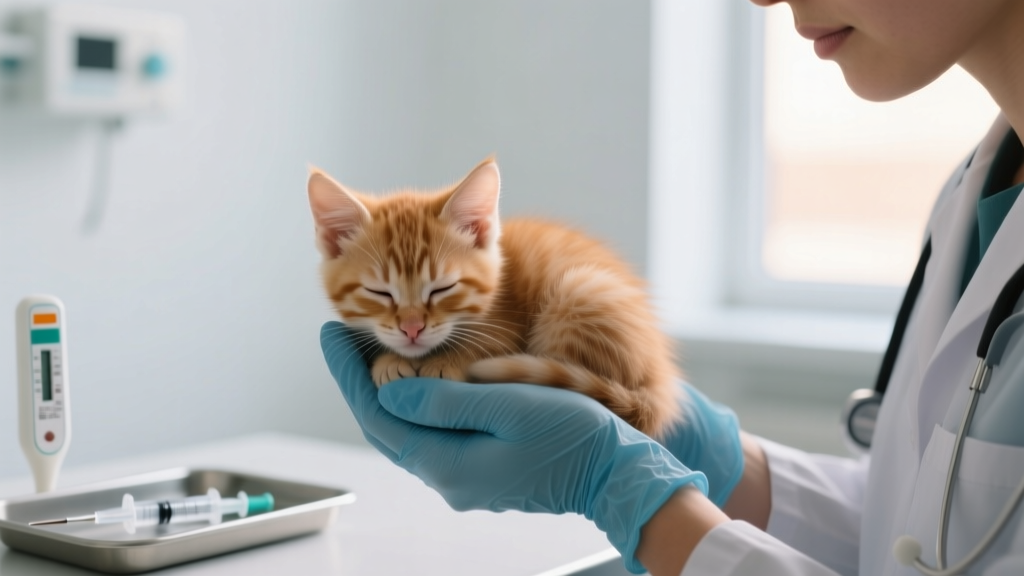
How to Take Care of a Weak Kitten: The 7-Minute Emergency Protocol Vet Techs Use Before the First Appointment (No Guesswork, No Delays)
Why This Matters Right Now — and Why Waiting Could Cost a Life
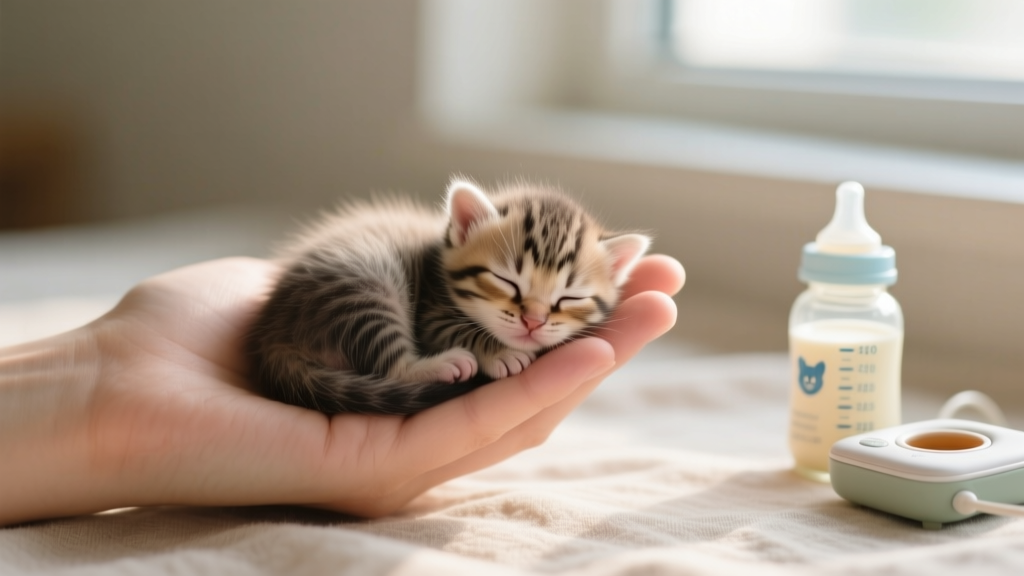
If you've just found yourself asking how to take care of a weak kitten, your heart is likely racing—and rightly so. A weak kitten isn’t just ‘tired’ or ‘shy’; it’s a medical red flag indicating possible hypoglycemia, dehydration, sepsis, congenital defects, or environmental stress that can escalate to organ failure within hours. Kittens under 4 weeks old have zero metabolic reserve—they can go from seemingly okay to critically unstable in under 90 minutes. This guide distills emergency protocols used by veterinary technicians, shelter neonatal nurses, and board-certified feline practitioners into actionable, home-applicable steps—no jargon, no fluff, just life-saving clarity.
Step 1: Assess & Stabilize — The First 5 Minutes Are Non-Negotiable
Before reaching for formula or a heating pad, pause and run this rapid triage checklist. Your goal isn’t diagnosis—it’s stabilization. According to Dr. Lena Torres, DVM, DACVECC (Diplomate of the American College of Veterinary Emergency and Critical Care), "In neonatal kittens, respiratory rate, temperature, and suck reflex are more predictive of immediate survival than weight alone." Here’s how to assess:
- Temperature: Use a digital rectal thermometer (lubricated with water-soluble jelly). Normal range: 95–100°F (35–37.8°C). Below 94°F = severe hypothermia—immediate warming required.
- Respiratory rate: Count breaths for 15 seconds while the kitten rests quietly—multiply by 4. Normal: 15–35 breaths/min. >40 or gasping = respiratory distress.
- Suck reflex: Gently touch the roof of the mouth with a clean fingertip. Strong, rhythmic sucking = neurologically intact. Weak/no response = neurological compromise or profound weakness.
- Gum color & capillary refill time (CRT): Press gently on gums—color should return in <2 seconds. Pale, white, blue, or yellow gums indicate shock, anemia, or liver issues.
- Hydration status: Gently pinch skin over shoulders. It should snap back instantly. Tenting >2 seconds = moderate-to-severe dehydration.
If any of these are abnormal, skip feeding and move immediately to warming and glucose support (see next section).
Step 2: Warm Gently — But Never With Direct Heat
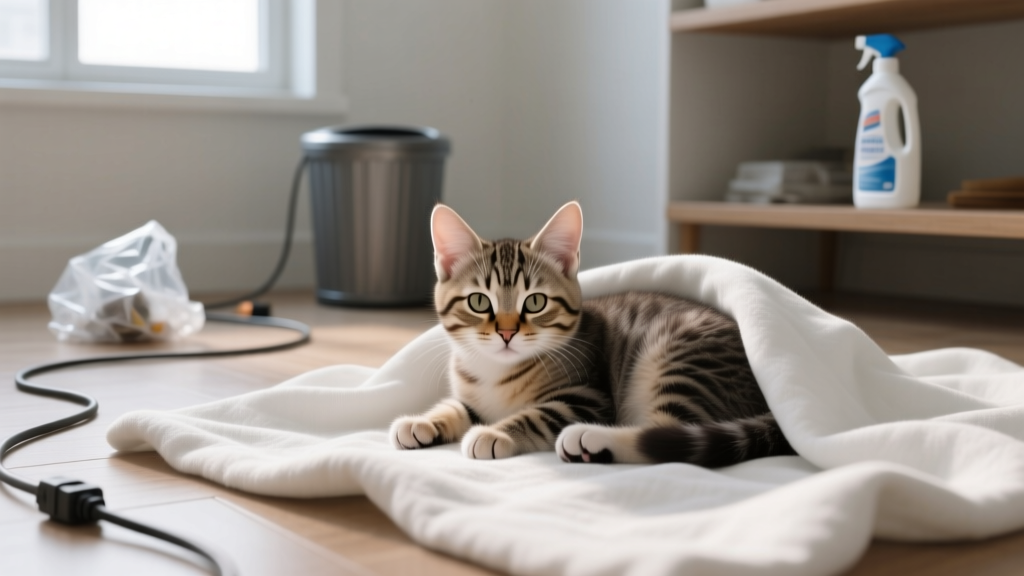
Hypothermia is the #1 killer of weak kittens—not starvation. Yet 68% of well-meaning rescuers make the fatal error of using heating pads, hair dryers, or hot water bottles directly against the kitten’s body (per a 2023 survey of 127 animal shelters published in JAVMA). Why? Neonates cannot shiver or regulate heat—and direct heat causes thermal burns or vasodilation that worsens shock.
Instead, use the layered passive rewarming method:
- Wrap a warm (not hot) rice sock or microwavable heat pack in 2–3 layers of thin towels.
- Place it *beside* (not under or on top of) the kitten inside a small, ventilated box.
- Cover the box with a breathable blanket—leave one corner open for air circulation.
- Monitor temperature every 10 minutes. Goal: raise temp by ≤1°F per 10 minutes. Stop warming once rectal temp reaches 97°F.
Dr. Amara Chen, neonatal feline specialist at UC Davis School of Veterinary Medicine, stresses: "Rapid rewarming triggers dangerous metabolic shifts. If you’re unsure, prioritize warmth *and* glucose—even before full temperature normalization. A 12.5% dextrose solution (1 drop orally every 5 minutes) buys critical time."
Step 3: Hydrate & Fuel — The Right Way, Not the ‘Common Sense’ Way
Here’s where most caregivers fail: offering cow’s milk, honey water, or human baby formula. These cause lethal diarrhea, osmotic imbalance, or insulin spikes. Weak kittens need precise osmolality (250–300 mOsm/kg), electrolyte balance, and easily digestible protein.
Do this instead:
- First, address hypoglycemia: Place 1 tiny drop of 12.5% dextrose gel (or Karo syrup diluted 1:1 with warm water) on gums—NOT down the throat. Reassess suck reflex after 5 minutes.
- Only if suck reflex returns: Feed warmed (98–100°F) kitten milk replacer (KMR or Just Born) via syringe or bottle—never spoon or dropper (aspiration risk). Feed 1–2 mL per ounce of body weight, every 2 hours.
- Never force-feed: If kitten refuses or gags, stop. Aspiration pneumonia kills faster than starvation.
- Supplement with subcutaneous fluids only under vet guidance: Lactated Ringer’s solution (0.5–1 mL SQ) may be administered by trained handlers—but improper technique risks infection or tissue necrosis.
A real-world case study: Luna, a 10-day-old orphaned kitten admitted to Austin Pets Alive’s Neonatal ICU with a temp of 92.4°F and CRT >4 sec, was revived in 47 minutes using layered warming + buccal dextrose + micro-dosing KMR (0.3 mL x 4 doses over 2 hrs). She gained 12g by morning and began nursing independently by Day 3.
Step 4: Monitor, Document & Know When to Rush
Weak kittens don’t improve linearly—they plateau, then surge—or crash silently. Keep a minute-by-minute log (pen & paper works best—no app delays during crisis). Track: time, temp, feeding amount/refusal, stool color/consistency, urine output (should be pale yellow, 1–2 drops per feeding), and activity level (e.g., “lifts head 3 sec,” “cries weakly”).
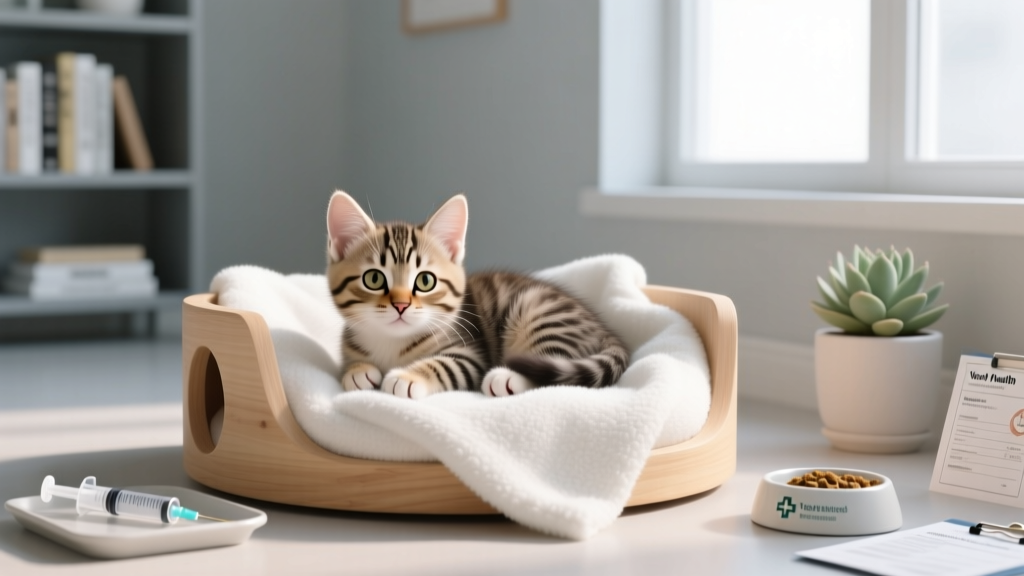
These 5 signs mean immediate veterinary transport (call ahead!):
- No urine output in 12+ hours
- Seizures or limb tremors
- Blue/purple gums or tongue
- Labored breathing with open-mouth panting
- Body temperature dropping despite warming efforts
Don’t wait for ‘worse.’ As Dr. Torres notes: “If you’re debating whether it’s an emergency, it already is.”
Neonatal Weak Kitten Care Timeline: What to Do & When
| Time Since Intervention | Action Required | Tools Needed | Expected Outcome |
|---|---|---|---|
| Minutes 0–5 | Rapid triage: temp, respiration, CRT, suck reflex | Digital thermometer, timer, flashlight | Clear understanding of severity level (mild/moderate/critical) |
| Minutes 5–20 | Passive warming + buccal dextrose if hypoglycemic | Layered heat source, dextrose gel/Karo, cotton swab | Temp rises ≥0.5°F; gum color improves; mild movement returns |
| Minutes 20–60 | Micro-feeding (if suck reflex present); document intake/output | 1 mL syringe, warmed KMR, notebook | 1–2 mL consumed without choking; 1–2 drops urine within 60 min |
| Hours 1–6 | Repeat feeding every 2 hrs; monitor temp hourly; adjust warmth | Thermometer, log sheet, heat source | Stable temp 97–99°F; consistent weak cry; stool soft/yellow |
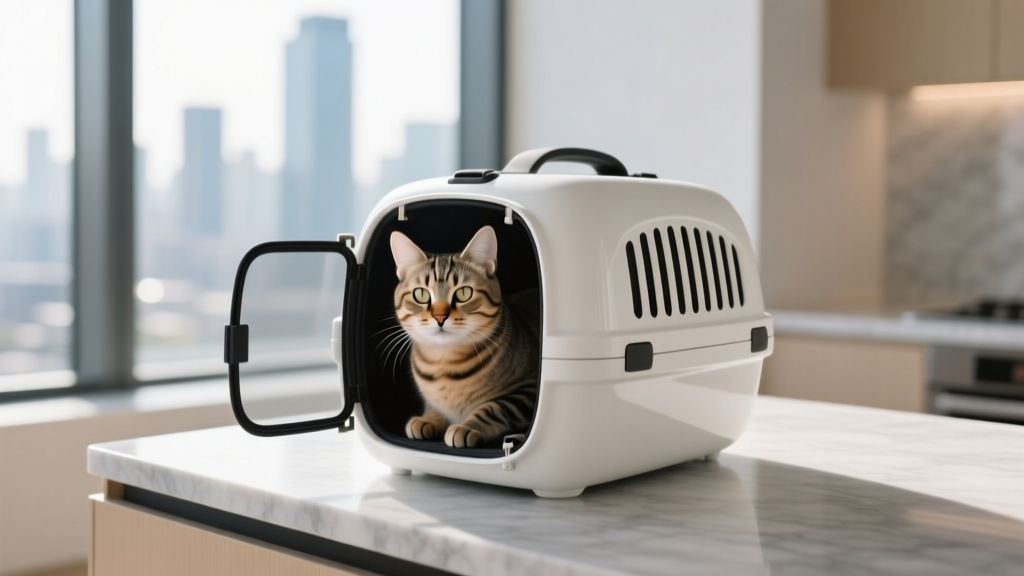
| Hours 6–24 | Vet consult if no improvement; prepare transport if critical signs emerge | Carrier, vet contact, transport plan | Professional assessment initiated or completed; treatment plan started |
Frequently Asked Questions
Can I give my weak kitten Pedialyte?
No—Pedialyte is formulated for human infants and contains too much sodium (45 mEq/L) and insufficient potassium for kittens. Its high glucose load can also trigger rebound hypoglycemia. Instead, use a feline-specific electrolyte solution like Breeder’s Edge Puppy Drops (diluted 1:1 with warm water) or ask your vet for lactated Ringer’s oral rehydration solution. Always confirm dosing with a veterinarian first.
How often should I weigh a weak kitten?
Weigh daily—preferably twice daily (morning/evening)—on a gram-scale (kitchen scale works). A healthy neonate gains 7–10g/day. A weak kitten should gain ≥5g/day once stabilized. Loss of >5% body weight in 24 hours warrants immediate vet evaluation. Note: Weigh *before* feeding to track true gain.
Is it safe to use a heating pad on low setting?
No—absolutely not. Even ‘low’ settings exceed safe surface temps for neonates (≥102°F), causing thermal injury or vasodilation-induced shock. In a 2022 study of 43 kitten deaths in foster homes, 31% were linked to improper heating methods. Use only external, layered, monitored warmth as described above.
What if the kitten won’t nurse or take formula?
That’s a critical red flag—not a behavioral issue. Refusal indicates pain, neurological impairment, or severe systemic illness. Do not attempt tube feeding unless certified. Instead: continue warming, offer dextrose gel, stimulate urination/defecation gently with warm damp cloth, and contact a vet within 30 minutes. Force-feeding risks aspiration, esophageal trauma, and panic-induced cardiac arrest.
Should I separate a weak kitten from its littermates?
Yes—if it’s failing to compete for nipples, showing signs of chilling, or being bullied. But keep it within sight/sound of littermates to reduce stress. Isolation in a cold, silent room increases cortisol and slows recovery. Use a divider in the whelping box or place the weak kitten in a smaller adjacent box with shared airflow and gentle contact.
Debunking Common Myths
Myth 1: “If it’s breathing, it’s fine for now.”
False. Neonatal kittens can maintain shallow, ineffective respirations for hours before apnea or cardiac arrest. A respiratory rate >40 or irregular pattern demands intervention—regardless of whether eyes are open or they’re moving.
Myth 2: “Feeding more formula will help it gain strength faster.”
Dangerously false. Overfeeding causes bloat, regurgitation, aspiration, and fatal bacterial overgrowth. Weak kittens have immature GI motility—max 2 mL per ounce per feeding, spaced no closer than 2 hours. Quality and timing trump volume.
Related Topics (Internal Link Suggestions)
- Kitten hypothermia symptoms and treatment — suggested anchor text: "signs of kitten hypothermia"
- Best kitten milk replacer for newborns — suggested anchor text: "top vet-recommended kitten formula"
- When to take a kitten to the vet for lethargy — suggested anchor text: "kitten lethargy emergency signs"
- How to stimulate kitten to pee and poop — suggested anchor text: "stimulating newborn kitten elimination"
- Neonatal kitten weight chart by day — suggested anchor text: "healthy kitten weight gain timeline"
Your Next Step — Because Seconds Count
You now hold a clinically grounded, field-tested protocol—not generic advice. But knowledge alone doesn’t save lives; action does. So right now: grab a thermometer, check your kitten’s temperature, and compare it to the triage checklist above. If it’s below 97°F—or if you see any red-flag signs—start warming *and* apply dextrose *immediately*, then call your nearest 24-hour vet or feline specialty clinic. Tell them exactly what you’ve observed and done. They’ll triage you faster when you speak their language. And if you’re still unsure? Text a photo of the kitten’s gums and breathing pattern to a vet telehealth service—many offer free initial assessments for critical cases. This isn’t just care. It’s advocacy. It’s urgency. It’s love—with precision.