Cat Lumbosacral Instability: Lower Back Pain Cause
1. Why this topic matters to cat owners
Cats are experts at hiding pain. A cat with lower back discomfort may simply nap more, stop jumping to favorite spots, or become a little grumpy about being picked up. Those changes can be easy to chalk up to aging or “just being a cat,” but sometimes they point to a treatable spinal problem called lumbosacral instability. When the joint where the lower spine meets the pelvis becomes irritated or unstable, it can cause back pain and even nerve-related symptoms that affect the hind legs and tail.
Understanding lumbosacral instability helps you recognize early signs, get a prompt diagnosis, and protect your cat’s quality of life. With the right plan—often a mix of medical care, home adjustments, and sometimes surgery—many cats can feel significantly better.
2. Overview: What is lumbosacral instability in cats?
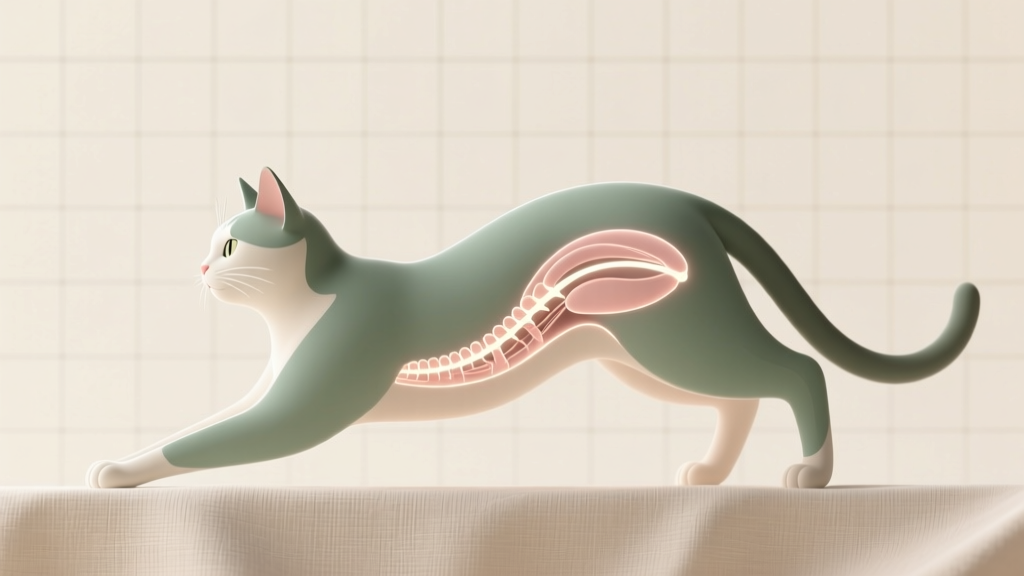
The lumbosacral junction is the transition point between the last lumbar vertebra (lower back) and the sacrum (part of the pelvis). In cats, this area is responsible for transferring forces between the spine and hindquarters during walking, running, jumping, and landing.
Lumbosacral instability means the structures that normally stabilize this junction—bones, intervertebral disc, ligaments, and surrounding muscles—aren’t working together smoothly. This can lead to:
- Inflammation and pain in the lower back
- Disc bulging or degeneration that presses on nerves
- Arthritic changes of the small joints around the spine
- Nerve compression affecting the hind legs, tail, bladder, or bowel control in more serious cases
In plain language: the “hinge” between your cat’s lower back and pelvis can become irritated or unstable, and that can pinch or inflame nerves that supply the back end of the body.
Lumbosacral issues are discussed more often in dogs, but cats can absolutely experience them—especially after injury, with age-related spinal wear, or alongside other orthopedic conditions.
3. Symptoms and warning signs to watch for
Signs can be subtle at first and may come and go. You may notice changes in movement, grooming, or behavior rather than obvious limping.
Common signs cat owners may notice
- Reluctance to jump up or down (couch, bed, windowsill)
- Stiffness after resting; “warming up” after a few steps
- Hind-end weakness or unsteady back legs
- Lower back sensitivity—flinching, tensing, or moving away when touched near the hips or tail base
- Changes in posture (hunched back, tucked pelvis, guarding the rear end)
- Reduced activity, sleeping more, avoiding stairs or play
- Behavior changes: irritability, hiding, reduced tolerance of handling
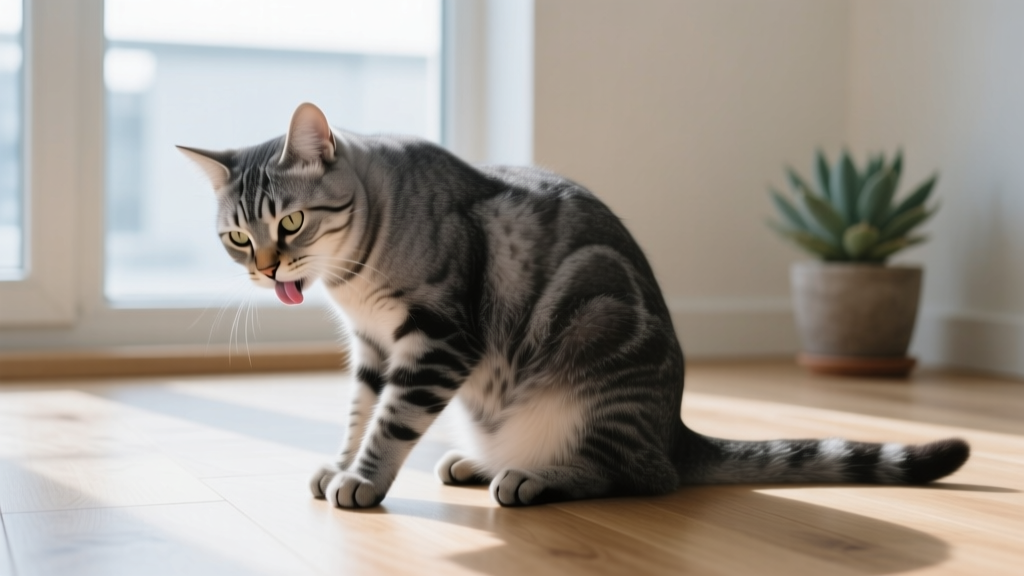
- Overgrooming the lower back/hip area or, in some cats, grooming less due to pain
Signs that suggest nerve involvement
- Bunny-hopping gait or short, choppy steps in the back legs
- Tail changes: reduced tail movement, pain when lifting tail, or tail held lower than usual
- Knuckling (dragging toes), scuffing nails, or worn fur on top of paws
- Difficulty using the litter box due to painful posture or reduced mobility
- Accidents outside the box that could be linked to pain or, rarely, nerve-related bladder issues
Practical at-home check you can do today
Without pressing on the spine, watch your cat do two things:
- Jump test: Do they hesitate before jumping up? Do they land stiffly or immediately sit after jumping down?
- Gait observation: Walk them down a hallway and look for uneven stride length, hind-end sway, or “both back legs moving together.”
If you see consistent hesitation, stiffness, or weakness, schedule a veterinary exam. Avoid trying to “test” pain by pressing on the back—cats can react suddenly, and it can worsen discomfort.
4. Causes and risk factors
Lumbosacral instability isn’t always caused by one single event. It often develops from a combination of mechanical stress and tissue wear, or it can follow injury.
Potential causes
- Degenerative disc disease: the cushioning disc dries out or bulges over time
- Arthritis of the facet joints and surrounding spinal structures
- Trauma: falls, car accidents, rough landings, or previous pelvic/hip injuries
- Congenital or anatomical variation: some cats may be built in a way that increases stress at the lumbosacral junction
- Inflammation associated with chronic musculoskeletal strain
Risk factors that can make problems more likely
- Age (wear-and-tear changes are more common in middle-aged and senior cats)
- Obesity (extra weight increases load on the spine and joints)
- High-impact jumping (especially repeated jumps down from tall furniture)
- Previous orthopedic disease (hip arthritis, knee injury) that changes gait and shifts stress to the spine
- Weak core and hindquarter muscle tone due to inactivity
5. Diagnosis: What to expect at the vet
A veterinarian’s goal is to confirm the source of pain, check for nerve involvement, and rule out other conditions that can look similar (hip arthritis, patellar issues, spinal tumors, infections, constipation, urinary tract disease, or general osteoarthritis).
History and physical exam
- Detailed history: changes in jumping, litter box habits, activity, grooming, and any recent falls
- Orthopedic exam: hips, knees, and spine range of motion
- Neurologic exam: reflexes, paw placement (proprioception), tail tone/movement, and walking pattern
- Palpation: gentle checking for pain near the lumbosacral area
Imaging and tests
- X-rays (radiographs): can show arthritis, alignment changes, and bone abnormalities; may not show soft-tissue disc problems clearly
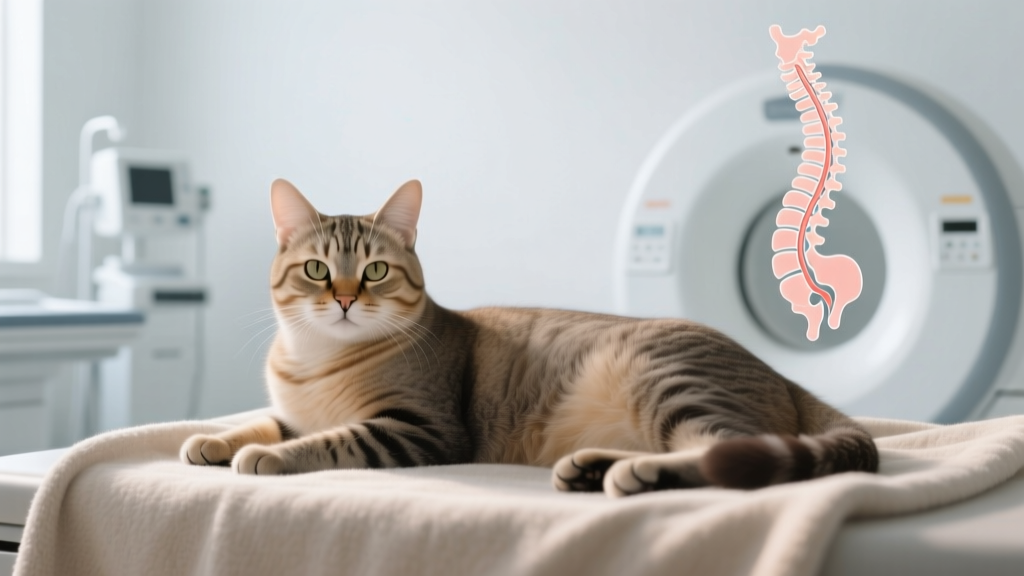
- Advanced imaging:
- MRI is excellent for discs, nerves, and soft tissues
- CT can better define bony changes and alignment
- Bloodwork/urinalysis: helps rule out systemic illness and checks organ function before certain medications
If your cat needs MRI/CT, sedation or anesthesia is usually required to keep them still and safe during imaging. Your veterinary team will discuss pre-anesthetic screening and any special precautions for your cat’s age or health status.
6. Treatment options (medical, surgical, home care)
Treatment is individualized based on pain level, neurologic signs, imaging findings, and your cat’s lifestyle. Many cats improve with conservative care, especially when caught early.
Medical (non-surgical) treatment
- Pain control: your veterinarian may prescribe cat-safe analgesics. Never use human pain meds (such as ibuprofen, naproxen, or acetaminophen), which can be life-threatening to cats.
- Anti-inflammatory therapy: when appropriate, to reduce inflammation around joints and nerves
- Neuropathic pain medications: may be used if nerve pain is suspected
- Weight management: even modest weight loss can reduce stress on the spine
- Activity modification: limiting high-impact jumping while healing
Rehab and supportive therapies
- Physical rehabilitation (guided by a vet or rehab professional): gentle strengthening, range-of-motion work, controlled exercise plans
- Therapeutic laser or other modalities: sometimes recommended to help comfort and mobility
- Acupuncture: some cats respond well as part of a multimodal plan
Surgical options
Surgery may be considered when there is significant nerve compression, structural instability that won’t respond to conservative care, or progressive neurologic deficits.
- Decompression procedures: relieve pressure on affected nerves
- Stabilization/fusion: in select cases to reduce abnormal motion
Your veterinarian may refer you to a board-certified veterinary surgeon or neurologist for evaluation. Surgery decisions are based on neurologic status, imaging findings, and expected quality-of-life improvement.
Home care adjustments you can start right away
- Add steps/ramps to favorite perches (bed, couch, windows) to reduce jumping
- Use a low-entry litter box and place it on the same floor where your cat spends most time
- Provide non-slip flooring (runners, yoga mats) along common pathways
- Optimize rest with a supportive, easy-to-access bed
- Lift and handle gently: support both the chest and hindquarters; avoid letting the back end dangle
- Track symptoms in a simple log (jumping, appetite, litter box use, mood, playfulness)
Always follow your veterinarian’s medication schedule carefully. If your cat seems sedated, wobbly, refuses food, vomits, or hides more after starting a new medication, call your clinic for guidance.
7. Prevention strategies and early detection tips
Not every case is preventable, but you can reduce risk and catch problems early.
Prevention and spine-friendly lifestyle tips
- Keep your cat lean: ask your vet for an ideal weight target and feeding plan
- Encourage safe movement: provide multiple low-to-mid height platforms instead of one very tall jump
- Daily gentle play: short, frequent sessions that encourage controlled movement (wand toys at floor level can be great)
- Support seniors: ramps, low-entry boxes, and warm bedding help aging joints and backs
- Prevent falls: secure window screens, avoid slippery “launch pads,” and keep tall cat trees stable
Early detection checklist
- Hesitation before jumping or choosing lower surfaces
- Less grooming of the back end or sudden overgrooming of the lower back
- New litter box avoidance or difficulty posturing
- Stiffness after naps
- Subtle hind-end weakness or toe scuffing
If you notice any of these changes for more than a few days, or if they worsen, schedule a veterinary appointment. Early treatment often means better comfort and fewer long-term complications.
8. Prognosis and quality of life considerations
The outlook varies depending on the cause (arthritis vs. disc disease vs. injury), the degree of nerve involvement, and how quickly treatment begins.
- Mild to moderate cases: many cats do well with medication, weight management, and home modifications, returning to comfortable daily activity.
- Chronic degenerative cases: may require long-term management. The goal is good mobility and comfort, not necessarily a “cure.”
- Cases with neurologic deficits: can improve with appropriate treatment, but recovery may take longer and may be incomplete if nerve compression is severe or longstanding.
Quality of life is the priority. Look for steady improvements in everyday behaviors: easier litter box use, increased grooming, more social interaction, more willingness to play, and less guarding of the back end.
9. When to seek emergency veterinary care
Contact an emergency veterinarian immediately if you notice any of the following:
- Sudden inability to use the back legs or collapse
- Rapidly worsening weakness or severe wobbliness
- Loss of bladder or bowel control, straining without producing urine, or a very full/firm abdomen (a urinary blockage is an emergency)
- Severe pain (crying out, panting from stress, refusing to move, aggression when approached)
- Recent trauma (fall from height, hit by car) with any mobility changes
Even if your cat seems “fine” after a fall, hidden injuries can show up later. When in doubt, a same-day evaluation is the safest choice.
10. FAQ: Common questions cat owners ask
Can lumbosacral instability be mistaken for hip arthritis?
Yes. Hip arthritis and lumbosacral pain can look very similar—both can cause reluctance to jump, stiffness, and sensitivity around the hind end. A veterinary exam (and sometimes imaging) is needed to tell where the pain is coming from. Some cats have both conditions at the same time.
Will my cat need surgery?
Not always. Many cats improve with conservative treatment: appropriate pain control, reduced jumping, weight management, and supportive home changes. Surgery is usually reserved for significant nerve compression, structural instability, or progressive neurologic signs that don’t respond to medical management.
What can I do at home while waiting for the vet appointment?
- Reduce jumping by using steps/ramps and blocking access to very high perches
- Switch to a low-entry litter box
- Keep your cat indoors and calm; avoid intense play
- Do not give human pain medications
- Write down what you’ve observed (when it started, what activities trigger it)
Is this condition contagious or caused by an infection?
Lumbosacral instability itself is not contagious. It’s usually mechanical/degenerative or related to injury. Rarely, infections or inflammatory diseases can affect the spine and cause similar signs, which is another reason a veterinary exam is so valuable.
How long does recovery take?
It depends on severity and the treatment plan. Some cats show improvement within days to a couple of weeks once pain is controlled and activity is modified. Chronic cases may require ongoing management and periodic rechecks. If surgery is performed, your veterinarian or specialist will outline a structured recovery timeline and restrictions.
How do I know if my cat is in pain if they don’t cry?
Many cats show pain through behavior changes: hiding, reduced grooming, decreased play, irritability, posture changes, and avoiding stairs or jumps. Subtle signs count. If your cat’s routine changes and you can’t find another explanation, it’s worth checking in with your veterinarian.
If your cat may be dealing with lower back pain, partner with your veterinarian for a clear diagnosis and a tailored treatment plan. With early support and a spine-friendly home setup, many cats stay comfortable and active for years.
For more caring, practical cat health guidance, visit catloversbase.com and explore our growing library of wellness resources.