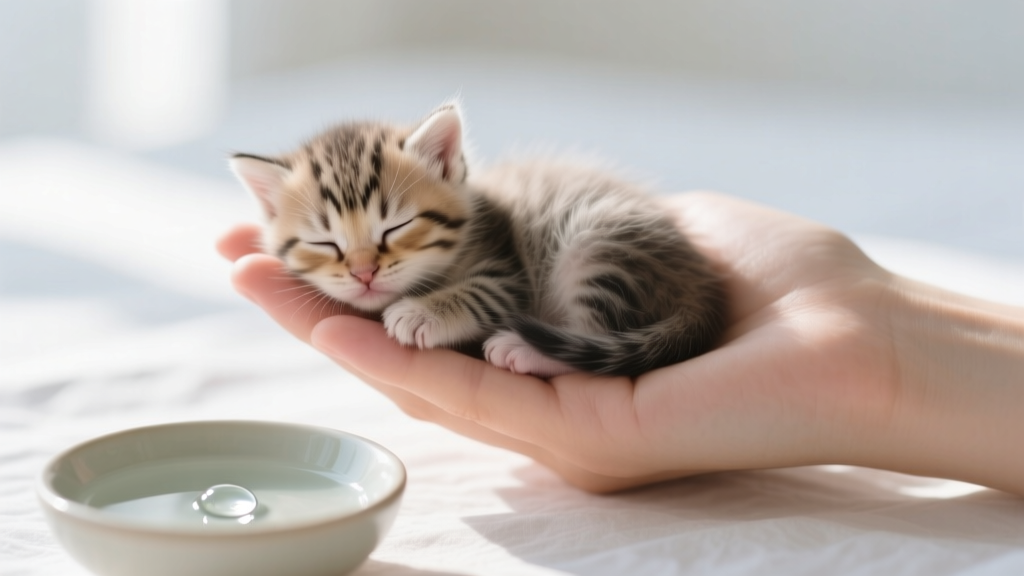
How to Care for an Infant Kitten: The 7 Non-Negotiable Steps Vets Say Most Rescuers Miss (Especially Days 1–14)
Why Getting This Right in the First 14 Days Can Mean Life or Death
If you're searching how to care for an infant kitten, chances are you've just found a tiny, unresponsive, or abandoned newborn—and your heart is racing. Infant kittens (under 4 weeks old) aren’t just small cats; they’re biologically helpless: blind, deaf, unable to regulate body temperature, and incapable of eliminating waste without stimulation. Without precise, consistent, and evidence-based care, mortality rates exceed 50% in the first week—even with best intentions. This isn’t about convenience or cuteness; it’s about fulfilling urgent physiological needs that mimic what a mother cat provides instinctively. In this guide, we break down exactly what works—and what doesn’t—based on neonatal feline medicine protocols used by veterinary ICU teams and shelter neonatal specialists.
1. Temperature Control: The Silent Killer You Can’t Ignore
Infant kittens cannot shiver or sweat. Their thermoregulation system is immature until ~3 weeks old. A drop of just 2°F below normal (99–102°F rectal temp) triggers hypothermia, which slows digestion, suppresses immunity, and halts feeding reflexes. According to Dr. Susan Little, DVM and feline specialist with the American Association of Feline Practitioners, "Hypothermia is the #1 preventable cause of death in neonatal kittens—far more common than starvation."
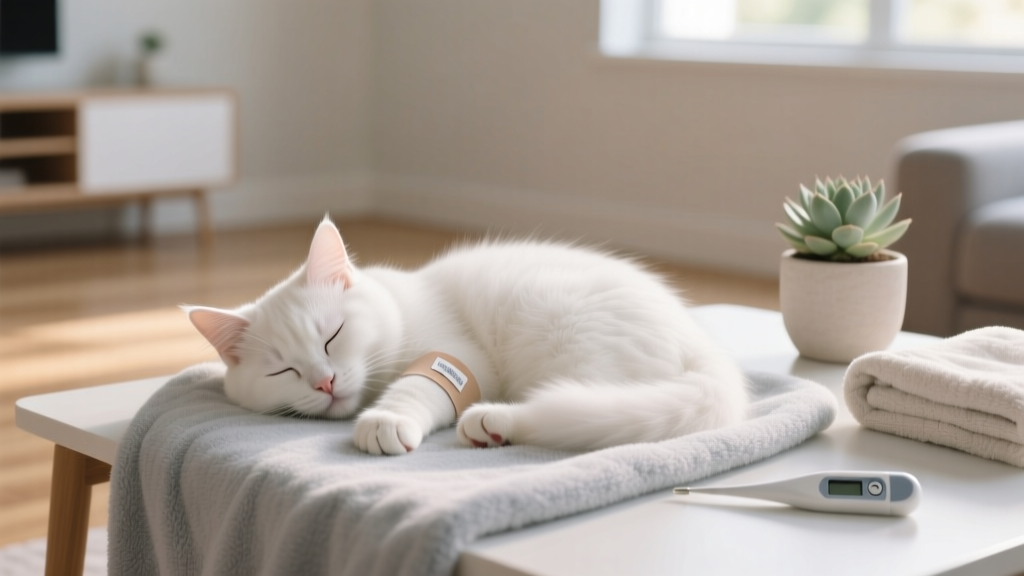
Use a digital thermometer (not glass) to check rectal temperature daily at the same time—ideally before each feeding. If below 98°F, warm gradually: wrap kitten loosely in a pre-warmed towel (microwaved for 15 sec, tested on your inner wrist), place on a heating pad set to LOW *under half the nest* (so kitten can move away), and monitor every 10 minutes. Never use hot water bottles—they cool too fast and risk burns.
Build a safe nesting environment:
- Base layer: Fleece-lined cardboard box (no loose threads or strings)
- Heat source: Low-setting heating pad + thermostat-controlled heat disc (e.g., Snuggle Safe) — never direct contact
- Humidity: Maintain 55–65% RH using a hygrometer; dry air dries mucous membranes and increases dehydration risk
- Monitoring: Check ambient nest temp hourly with a probe thermometer—ideal range: 85–90°F for 0–1 week, 80–85°F for 1–2 weeks
2. Feeding Protocol: Formula, Frequency, and the Critical 2-Hour Rule
Never feed cow’s milk—it causes severe diarrhea, dehydration, and sepsis. Use only commercial kitten milk replacer (KMR or Just Born) warmed to 95–100°F (test on inner wrist). A 100g kitten needs ~13 mL/day, divided into 8–12 feedings—yes, including overnight. Skipping even one feeding in the first 72 hours risks hypoglycemia, seizures, or coma.
Feeding mechanics matter: Hold kitten belly-down on a towel, head slightly elevated—not upright like a baby. Use a 1–3 mL syringe (without needle) or specialized kitten bottle with ultra-fine nipple. Let them suckle at their pace; force-feeding causes aspiration pneumonia. Watch for swallowing cues (tongue movement, jaw motion)—not just gulping. Weigh daily at the same time on a gram-scale: healthy gain is 7–10g/day. No gain? Immediate vet consult.
Case study: A foster caregiver in Portland rescued three 4-day-old kittens. She fed every 3 hours using goat milk (a common but dangerous myth). By day 5, two developed bloody diarrhea and lethargy. Emergency vet visit revealed bacterial overgrowth and electrolyte collapse—both required IV fluids and antibiotics. Switching to KMR + strict 2-hour intervals restored weight gain within 48 hours.
3. Stimulation & Elimination: Why You Must Be Their ‘Mother’s Tongue’
For the first 2–3 weeks, infant kittens cannot urinate or defecate without physical stimulation—mimicking a mother’s licking of the genital and anal regions. Skipping this leads to urinary retention (bladder rupture risk) and fatal constipation. Use a warm, damp cotton ball or soft tissue—never Q-tips—to gently stroke the genital and anal area in circular motions for 30–60 seconds *before and after every feeding*. Continue until urine and stool appear.
Stool should be yellow-mustard colored and soft (not watery or hard) by day 3–4. Urine should be pale yellow and plentiful. If no output in 2 consecutive sessions—or if urine is dark, cloudy, or bloody—seek emergency care. According to the UC Davis School of Veterinary Medicine’s Neonatal Care Guidelines, "Delayed elimination beyond 24 hours post-birth requires immediate diagnostics for congenital urogenital anomalies."
Keep meticulous logs: time, amount, color, consistency, and behavior before/after. This data is invaluable for vets assessing hydration and gut motility.
4. Hygiene, Monitoring, and When to Call the Vet
Cleanliness is non-negotiable. Wash hands with soap before and after handling. Disinfect feeding tools with boiling water or pet-safe enzymatic cleaner (no bleach near kittens). Change bedding daily. Wipe eyes gently with sterile saline-soaked gauze if discharge appears—cloudy, green, or sticky discharge signals upper respiratory infection (URI), which kills 30% of untreated neonates within 48 hours.
Monitor these 5 vital signs daily:
- Weight: Must increase steadily—use a food scale accurate to 1g
- Activity: Should root, knead, and cry when hungry; lethargy = emergency
- Hydration: Pinch skin at scruff—if it tents >2 seconds, kitten is dehydrated
- Respiration: Normal rate is 15–35 breaths/min; open-mouth breathing or wheezing = crisis
- Body temp: As above—rectal measurement only
Red-flag emergencies requiring *same-day vet care*:
- No suckling reflex by 6 hours old
- No stool or urine in >24 hours
- Rectal temp <97°F or >103°F
- Blood in stool or vomit
- Seizures, tremors, or inability to right themselves
Kitten Care Timeline: What to Expect & Do Day-by-Day
| Age Range | Key Developmental Milestones | Critical Care Actions | Vet Visit Timing |
|---|---|---|---|
| 0–7 days | Eyes closed; ears folded; rooting reflex strong; no teeth | Feed every 2 hrs; stimulate before/after each feeding; maintain 85–90°F nest temp; weigh daily | First vet exam by day 3–5 (baseline vitals, parasite screen, deworming start) |
| 8–14 days | Eyes begin opening (usually day 7–10); ear canals open; starts lifting head; begins vocalizing | Continue feeding every 2–3 hrs; introduce gentle massage to encourage circulation; begin socialization via soft voice/hand scenting; reduce nest temp to 80–85°F | Deworming repeat at day 14; first fecal test; discuss colostrum antibody testing if maternal history unknown |
| 15–21 days | Eyes fully open; begins crawling; incisors erupt; responds to sound | Introduce shallow dish of formula (dip paw in to encourage licking); start gentle play with fingers; add soft blanket textures; monitor for eye discharge | First vaccine (FVRCP) earliest at day 21 if high-risk environment; full physical recheck |
| 22–28 days | Walking wobbly; plays with littermates; begins grooming; explores nest boundaries | Offer gruel (KMR + wet kitten food, 3:1 ratio); provide low-sided litter box with paper pellets; begin weaning; increase environmental enrichment | Vaccination series continues; spay/neuter discussion begins for future planning |
Frequently Asked Questions
Can I use human baby formula for an infant kitten?
No—absolutely not. Human infant formula lacks taurine, arginine, and proper fat ratios for feline metabolism. It also contains lactose and soy proteins that trigger life-threatening diarrhea and malabsorption. A 2021 study in the Journal of Feline Medicine and Surgery found 92% of kittens fed human formula developed enteritis within 48 hours. Stick exclusively to approved kitten milk replacers like KMR or Breeder’s Edge.
How do I know if my kitten is getting enough to eat?
Track grams—not volume. A healthy kitten gains 7–10g per day. If weight stalls for 24+ hours, reassess feeding technique, formula temperature, and kitten’s suckle strength. Also watch for contentment cues: relaxed posture, steady breathing, and sleeping 1–2 hours post-feed. Frequent, frantic crying *after* feeding suggests inadequate intake or reflux.
Do infant kittens need vaccines or deworming so young?
Yes—but carefully timed. Deworming begins at day 2–3 with pyrantel pamoate (safe for neonates) and repeats every 2 weeks. Vaccines start no earlier than day 21 (FVRCP) in high-risk settings—earlier vaccination is ineffective due to maternal antibody interference. Always consult your veterinarian before administering any medication; dosing is weight- and age-critical.
Is it okay to hold or cuddle my infant kitten?
Gentle, brief handling (2–5 mins, 2x/day) supports neurological development and bonding—but only after day 5 and only if the kitten is warm, fed, and stable. Avoid prolonged holding, which stresses thermoregulation. Never kiss or let children handle neonates—their immune systems are virtually nonexistent, and zoonotic pathogens (like Salmonella or Ringworm) pose serious risks to both parties.
What if I find a kitten but don’t know its age?
Estimate using physical markers: Under 1 week = eyes closed, ears flat, umbilical cord still attached; 1–2 weeks = eyes partially open, ears beginning to lift; 2–3 weeks = eyes wide open, ears upright, attempts to crawl. When uncertain, assume youngest possible age and act accordingly—over-warming and over-stimulating is safer than under. When in doubt, call a rescue or vet immediately for age assessment.
Common Myths About Infant Kitten Care
Myth 1: “If the mother is gone, just give them warm milk and they’ll be fine.”
Reality: Cow’s milk causes osmotic diarrhea and rapid dehydration. Warmth alone won’t sustain them—caloric density, amino acid profile, and immunoglobulins matter. Without species-appropriate nutrition, kittens decline within hours.
Myth 2: “Stimulating them too much will make them ‘dependent’ or delay independence.”
Reality: Stimulation isn’t optional—it’s physiological necessity. Skipping it doesn’t accelerate development; it causes organ failure. Independence emerges naturally as neurology matures—not from withholding care.
Related Topics (Internal Link Suggestions)
- Kitten deworming schedule — suggested anchor text: "kitten deworming timeline"
- Signs of kitten dehydration — suggested anchor text: "how to tell if a kitten is dehydrated"
- When to take a kitten to the vet — suggested anchor text: "kitten emergency warning signs"
- Best kitten milk replacer brands — suggested anchor text: "top vet-recommended kitten formula"
- Neonatal kitten feeding chart — suggested anchor text: "kitten feeding schedule by weight"
Your Next Step Starts Now—And It’s Simpler Than You Think
You now hold actionable, vet-validated knowledge that transforms panic into precision. Caring for an infant kitten isn’t about perfection—it’s about consistency, observation, and timely intervention. Start tonight: grab a gram-scale, stock KMR, prep your heating setup, and log your first feeding. Every hour counts—but so does your calm presence. If you’re fostering or rescuing, reach out to a local TNR group or shelter—they often provide free starter kits, mentorship, and emergency vet referrals. And if you’re reading this mid-crisis? Take a breath. You’ve already done the hardest part: seeking help. Now go warm that formula, check that temperature, and trust that your care—grounded in science and compassion—is exactly what this tiny life needs to thrive.