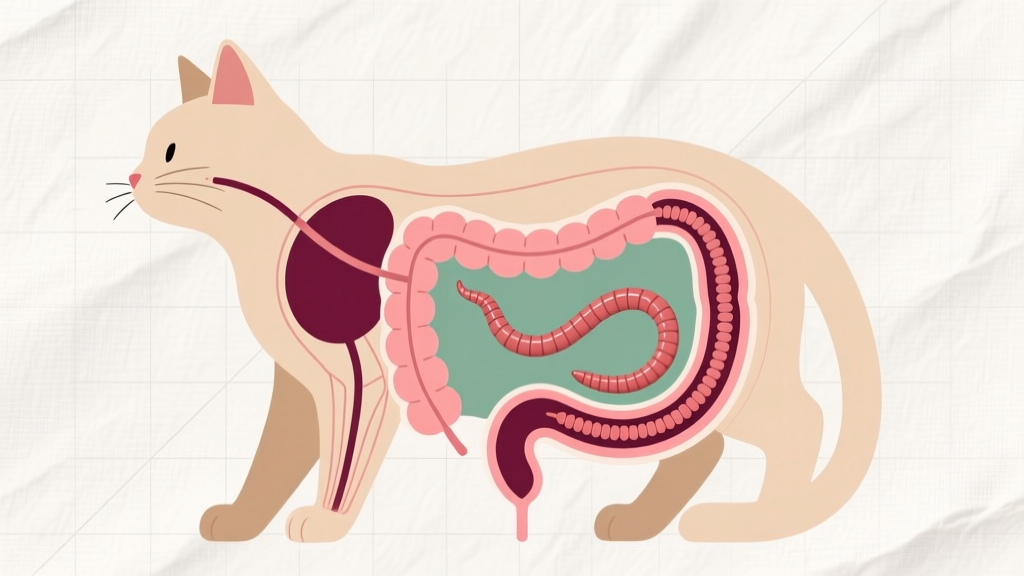
Feline Trichuris: Whipworm Large Intestine
1. Why this topic matters to cat owners
Most cat owners are familiar with common intestinal parasites like roundworms or tapeworms, but whipworms (genus Trichuris) can feel more mysterious. The good news is that whipworms are considered uncommon in cats compared with dogs. The tricky part is that when whipworms do affect cats, they can cause ongoing large-intestine irritation that looks like many other digestive problems—stress colitis, food sensitivities, inflammatory bowel disease, or other parasites.
Understanding what whipworms do, how cats get exposed, and what symptoms deserve a veterinary visit helps you protect your cat’s comfort and long-term gut health. If your cat has recurring diarrhea, blood or mucus in the stool, or painful straining in the litter box, whipworms are one of several causes your veterinarian may consider—and they’re treatable with the right plan.
2. Overview: what feline whipworms are (plain-language medical explanation)
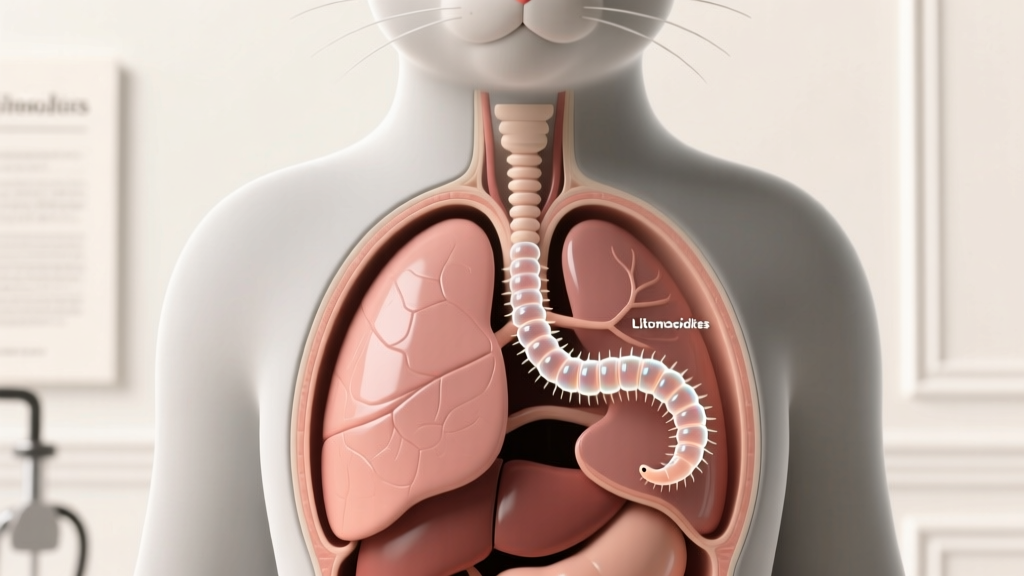
Whipworms are intestinal parasites that live primarily in the large intestine (cecum and colon). They get their name from their shape: the front end is long and thin like a “whip,” and the back end is thicker like a “handle.”
In the large intestine, the thin end embeds into the intestinal lining. This can irritate and inflame the colon, leading to colitis (inflammation of the large intestine). Unlike some parasites that live in the small intestine and cause weight loss or vomiting, whipworms more often cause large-intestine signs such as mucus, fresh red blood, and urgency.
Life cycle basics:
- Adult whipworms living in the colon shed eggs into the stool.
- In the environment, eggs can become infectious after a period of development (often weeks, depending on moisture and temperature).
- Cats become infected by ingesting infective eggs from contaminated soil, litter, paws, prey animals, or objects.
- Larvae hatch and mature, eventually returning to the large intestine to become adults and repeat the cycle.
Why diagnosis can be challenging: Whipworm eggs are shed intermittently, so a single stool sample may miss them. Also, the symptoms overlap with many other common feline GI issues. That’s why persistent or recurring large-intestine diarrhea should be evaluated by a veterinarian rather than treated only with diet changes at home.
3. Symptoms and warning signs to watch for
Whipworm infection in cats can range from mild to more uncomfortable, depending on parasite burden and the cat’s overall health. Some cats may show no signs until inflammation builds.
Common signs associated with large-intestine irritation (colitis):
- Frequent trips to the litter box with small amounts of stool
- Loose stool or diarrhea that may look “pudding-like”
- Mucus on the stool
- Fresh red blood on stool or litter (from lower intestinal irritation)
- Straining to defecate (can look similar to constipation)
- Accidents outside the litter box due to urgency
Possible additional signs:
- Decreased appetite or picky eating
- Lower energy, hiding more than usual
- Mild abdominal discomfort
- Weight loss (less common, but possible if signs are chronic)
Owner tip you can act on today: Take a clear photo of any abnormal stool (blood, mucus, shape changes) and write down when it started, frequency, and any new foods, treats, medications, stressors, or exposure to outdoor soil. This information helps your veterinarian narrow down causes faster.
4. Causes and risk factors
Cats become infected by swallowing whipworm eggs from the environment. Since cats are typically fastidious groomers, anything that contaminates paws or fur can end up ingested.
Risk factors include:
- Outdoor access: Contact with soil, gardens, sandboxes, or areas where other animals defecate
- Hunting behavior: Prey or scavenging may increase exposure to contaminated environments
- Multi-pet households or shelters: Higher traffic and potential contamination if sanitation is difficult
- Shared litter areas: Especially if boxes are overcrowded or not scooped daily
- New cat introductions: A cat with undiagnosed parasites can introduce eggs into a shared environment
- Warm, humid environments: Can favor egg survival in soil and damp areas
Even indoor-only cats can be exposed if eggs are tracked inside on shoes, if potted plants contain contaminated soil, or if a household has recently taken in a stray cat. Because whipworm eggs can be hardy, environmental control matters alongside medical treatment.
5. Diagnosis methods and what to expect at the vet
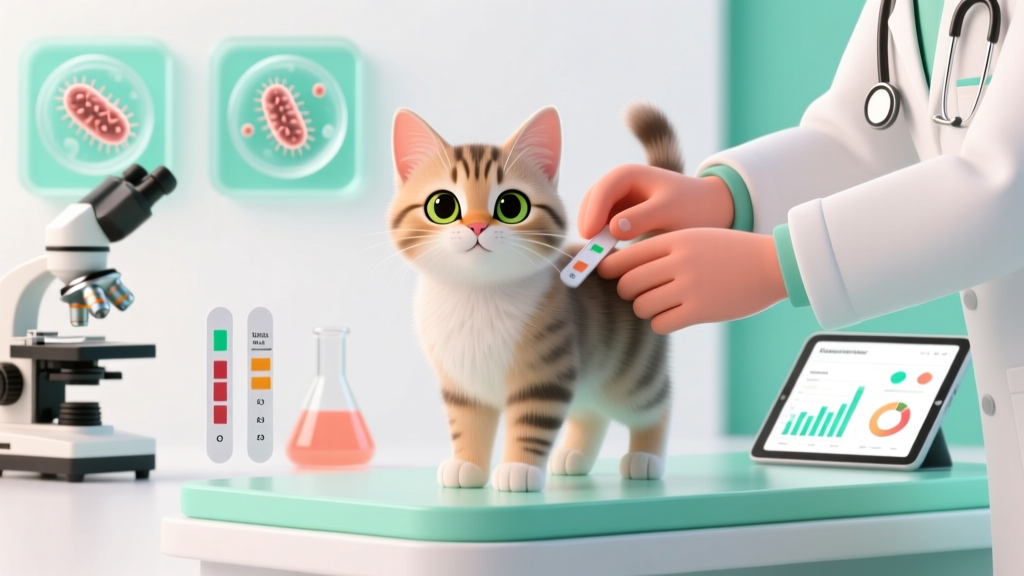
If whipworms are suspected, your veterinarian will aim to confirm the diagnosis and rule out other common causes of colitis. Expect a combination of history questions, a physical exam, and lab testing.
Common diagnostic steps:
- History and symptom review: Stool appearance, duration, appetite, weight change, stressors, diet changes, and outdoor exposure
- Physical exam: Hydration status, abdominal palpation, body condition, and overall health
- Fecal testing:
- Fecal flotation: Looks for parasite eggs; may miss whipworms if shedding is intermittent
- Fecal centrifugation: Often improves detection compared with simple flotation
- Repeat stool samples: Your vet may recommend testing multiple samples on different days
- Fecal antigen/PCR testing: In some clinics or labs, additional tests may help identify parasites or rule out infectious causes
- Additional tests (as needed): Bloodwork to evaluate dehydration, inflammation, anemia, or other illness; fecal testing for Giardia or other parasites; imaging if another condition is suspected
What to bring to the appointment:
- A fresh stool sample (ideally within a few hours; follow your clinic’s instructions)
- Photos of abnormal stool if you couldn’t collect a sample
- A list of current foods, treats, supplements, and medications
- Notes on when symptoms started and how they’re changing
Because feline whipworm is relatively uncommon, your veterinarian may also discuss other more likely causes. That’s not dismissive—it’s good medicine. The goal is accurate diagnosis so your cat receives the right treatment.
6. Treatment options (medical, surgical, home care)
Treatment focuses on eliminating the parasite, calming intestinal inflammation, and preventing reinfection. Your veterinarian will choose medications based on your cat’s age, health, and the most likely parasites involved.
Medical treatment
- Prescription dewormers: Your veterinarian may prescribe an anthelmintic (dewormer) effective against whipworms and other intestinal parasites. Because eggs can persist and because immature stages may not be eliminated by one dose, treatment often involves repeat dosing on a schedule.
- Supportive care for colitis: Depending on severity, your vet may recommend:
- Fluids (oral or injectable) if dehydrated
- Probiotics formulated for cats
- A temporary bland or gastrointestinal diet
- Medication to reduce intestinal inflammation or discomfort in select cases
- Treatment of coinfections: Cats with diarrhea may also have Giardia, coccidia, or bacterial overgrowth. Your vet will treat what’s confirmed or strongly suspected.
Surgical treatment
Surgery is not a typical treatment for whipworms. If a cat has severe, persistent signs, surgery would only be considered if diagnostics suggest another condition (such as obstruction, mass, or severe intestinal disease) unrelated to routine whipworm infection.
Home care (what you can do safely)
- Give medications exactly as prescribed: Do not stop early even if stools look normal.
- Hydration support: Encourage water intake with fountains, multiple bowls, or adding water to wet food (if your cat tolerates it).
- Litter box hygiene: Scoop at least daily (twice daily during diarrhea episodes). Dispose of waste promptly.
- Reduce stress: Colitis can worsen with stress. Maintain routine, provide quiet resting spots, and keep the litter box easily accessible.
- Do not use over-the-counter dewormers without vet guidance: Many are not appropriate for cats, may miss whipworms, or can be risky if dosed incorrectly.
Immediate practical step: If you have multiple cats, ask your veterinarian whether all cats should be tested and/or treated. In shared environments, managing the group can prevent ongoing reinfection.
7. Prevention strategies and early detection tips
Prevention is a mix of parasite control, sanitation, and monitoring. Even though whipworms are uncommon in cats, the habits that prevent them also reduce other intestinal parasites.
Prevention checklist:
- Use veterinarian-recommended parasite prevention: Ask your vet about year-round parasite control appropriate for your cat’s lifestyle (indoor vs. outdoor).
- Keep cats indoors when possible: This reduces exposure to contaminated soil and feces.
- Practice strong litter box hygiene:
- Scoop daily
- Wash boxes regularly with hot water and detergent
- Avoid overcrowding (generally, one box per cat plus one extra)
- Control hunting and scavenging: Use indoor enrichment to reduce prey drive and keep trash secured.
- Quarantine and test new cats: A fecal test for new arrivals helps protect resident cats.
- Schedule routine fecal exams: Many veterinarians recommend at least annual fecal testing, more often for kittens or outdoor cats.
Early detection tip: Pay attention to “subtle” changes: slightly softer stool, occasional mucus, or periodic urgency. A pattern over time is worth discussing with your vet, even if your cat seems fine otherwise.
8. Prognosis and quality of life considerations
With accurate diagnosis and appropriate treatment, the outlook is generally good. Many cats improve noticeably once parasites are eliminated and the colon has time to heal.
Factors that influence prognosis:
- How long symptoms have been present: Chronic inflammation may take longer to settle down
- Parasite burden: Heavier burdens can cause more irritation and dehydration risk
- Overall health and age: Kittens, seniors, and immunocompromised cats may need closer monitoring
- Coinfections or underlying GI disease: Some cats have more than one issue contributing to diarrhea
- Environmental control: Reinfection is less likely with good sanitation and preventive care
Quality of life typically improves as stools normalize, urgency decreases, and appetite and energy return. Your veterinarian may recommend a follow-up fecal test to confirm parasite control and help ensure symptoms aren’t being driven by another condition.
9. When to seek emergency veterinary care
Most cases of diarrhea can be evaluated with a prompt (but not necessarily emergency) vet visit. That said, some signs suggest dehydration, significant intestinal distress, or another urgent problem.
Seek emergency care right away if your cat has:
- Repeated vomiting or cannot keep water down
- Marked lethargy, collapse, or weakness
- Signs of dehydration (dry gums, sunken eyes, very low urine output)
- Large amounts of blood in the stool or black/tarry stool
- Severe abdominal pain, crying, or a tense abdomen
- Straining with little to no stool and frequent trips to the box (could be urinary blockage in male cats, which is an emergency)
- Diarrhea in a kitten, senior cat, or cat with chronic disease (these cats can decline faster)
If you’re unsure whether it’s an emergency, call your veterinary clinic or an emergency hospital for guidance. Describe what you’re seeing, how long it’s been happening, and whether your cat is eating, drinking, and urinating.
10. FAQ: Common questions cat owners ask
Can humans catch whipworms from cats?
Some parasites are zoonotic (can spread between animals and people), but risk depends on the specific species involved and hygiene practices. Because intestinal parasite eggs are shed in stool, the safest approach is consistent litter box hygiene and handwashing. If anyone in your household is immunocompromised, pregnant, or very young, discuss parasite prevention and fecal testing frequency with your veterinarian.
Are whipworms common in cats?
Whipworms are generally considered uncommon in cats compared with dogs. However, cats can still experience whipworm-like colitis symptoms from other parasites or GI disorders, so testing is still worthwhile when signs persist.
Will my cat’s diarrhea go away on its own?
Mild, short-lived stool changes sometimes resolve, but diarrhea lasting more than 24–48 hours, recurring episodes, blood or mucus, or any behavior changes should be evaluated by a veterinarian. Treating presumed parasites at home without a diagnosis can delay proper care.
Do I need to treat all the cats in my home?
Possibly. In multi-cat homes, shared litter boxes and close contact can increase exposure risk. Your veterinarian may recommend testing and/or treating housemates depending on symptoms, fecal results, and lifestyle factors.
How soon will my cat feel better after treatment?
Some cats improve within a few days as inflammation settles, but it can take longer for stools to fully normalize. If signs persist after completing the prescribed treatment plan, follow up—your veterinarian may recommend repeat fecal testing or looking for additional causes.
What’s the most helpful thing I can do at home right now?
Collect a fresh stool sample, keep the litter box very clean, and schedule a veterinary visit if diarrhea is persistent, bloody, or accompanied by appetite or energy changes. Avoid changing foods repeatedly or giving over-the-counter dewormers unless your veterinarian directs you to.
If your cat is having ongoing large-intestine diarrhea, straining, or blood/mucus in the stool, schedule an appointment with your veterinarian for a targeted fecal test and treatment plan. For more practical, cat-owner-friendly health guidance, visit catloversbase.com for additional cat health resources.