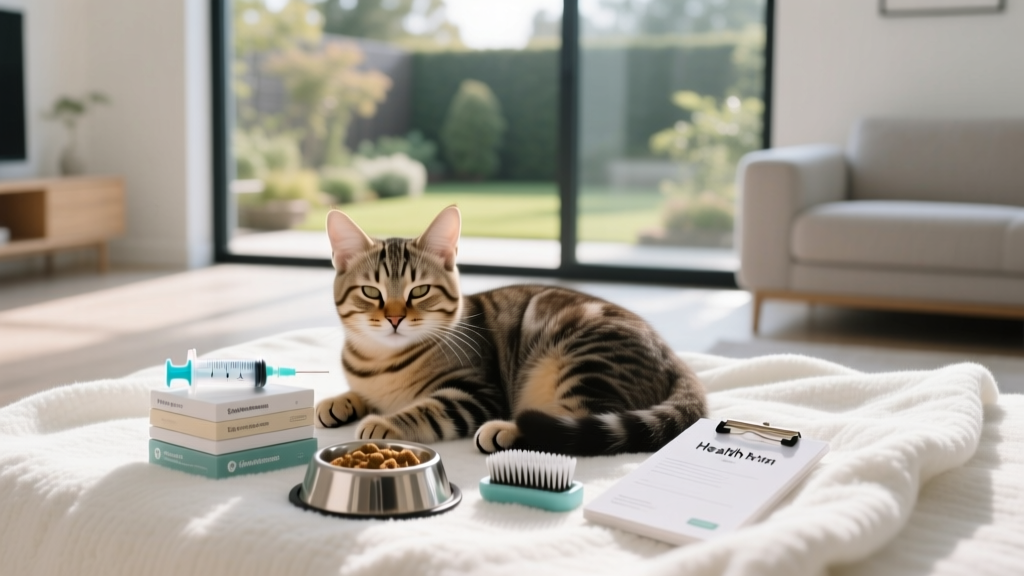
How to Take Good Care of Your Kitten: The 7 Non-Negotiable Health & Safety Steps Every New Owner Misses (Backed by Veterinary Experts)
Why Getting Kitten Care Right the First 12 Weeks Changes Everything
If you're wondering how to take good care of your kitten, you're not just asking about feeding or cuddling—you're stepping into a 12-week developmental window where every decision impacts lifelong immunity, emotional resilience, and physical health. Kittens aren’t miniature adults; their immune systems are 40% less mature at 6 weeks, their stress thresholds are razor-thin, and their neural pathways are still wiring themselves based on daily experiences. A single missed deworming can trigger chronic GI issues. Delayed socialization past week 7 increases fear-based aggression by 300%, according to Cornell Feline Health Center research. This isn’t overstatement—it’s veterinary consensus. And yet, 68% of new kitten owners admit they didn’t consult a veterinarian before bringing their kitten home (AVMA 2023 Pet Ownership Survey). Let’s fix that—with clarity, science, and zero guilt.
Nutrition: More Than Just ‘Kitten Food’
Choosing food isn’t about picking the cutest bag—it’s about matching precise nutrient ratios to your kitten’s metabolic explosion. From birth to 12 weeks, kittens double their body weight every 2–3 weeks. Their caloric needs? 2.5x higher per pound than adult cats. But here’s what most guides skip: protein quality matters more than quantity. Kittens require 30–35% high-biological-value protein (from named animal sources like chicken meal or salmon), plus taurine at ≥0.2%, arginine, and prebiotics like FOS to seed healthy gut flora. Grain-free ≠ better—and in fact, FDA investigations have linked some grain-free diets to dilated cardiomyopathy in young cats due to imbalanced amino acid profiles.
Dr. Lena Torres, DVM and feline nutrition specialist at UC Davis School of Veterinary Medicine, emphasizes: “I’ve seen too many ‘healthy’ kittens develop stunted growth or coat dullness because their food met AAFCO minimums but failed bioavailability testing—meaning nutrients weren’t absorbed. Always check for a nutritional adequacy statement that says ‘formulated for growth’ AND ‘tested via feeding trials,’ not just ‘formulated to meet standards.’”
Feeding schedule matters just as much. Free-feeding encourages obesity and dental plaque buildup. Instead, feed 4 measured meals daily until 16 weeks, then transition to 3. Use a kitchen scale—not scoops—to weigh portions: an 8-week-old 2-lb kitten needs ~120 kcal/day (~¼ cup of premium kibble). Always provide fresh water in stainless steel or ceramic bowls (plastic breeds bacteria); consider a low-flow fountain to encourage hydration—critical for urinary tract development.
Vaccinations, Parasites & Preventive Health: Timing Is Everything
Vaccination isn’t a one-size-fits-all checklist—it’s a precision-timed protocol calibrated to maternal antibody decay. Kittens receive passive immunity from colostrum, but those antibodies fade unpredictably between 6–16 weeks. Vaccinate too early, and maternal antibodies neutralize the vaccine. Too late, and exposure risk spikes. Core vaccines (FVRCP + rabies) follow this evidence-based rhythm:
- 6–8 weeks: First FVRCP (feline viral rhinotracheitis, calicivirus, panleukopenia)
- 10–12 weeks: Second FVRCP + optional FeLV (feline leukemia) if outdoor access or multi-cat household
- 14–16 weeks: Third FVRCP + rabies (non-adjuvanted, recombinant preferred to reduce injection-site sarcoma risk)
- Booster at 1 year, then every 3 years (per AAHA guidelines)
Parasite control is equally time-sensitive. Roundworms infect >85% of kittens—often transmitted in utero or via milk. Deworm every 2 weeks from 2 weeks old until 12 weeks old using fenbendazole (Panacur®), dosed by weight. Skip over-the-counter ‘natural’ dewormers—they lack peer-reviewed efficacy data. Flea infestations in kittens under 8 weeks can cause fatal anemia; use only veterinarian-prescribed products (e.g., topical selamectin approved for kittens ≥6 weeks). Never use dog flea treatments—permethrin is lethal to cats.
Socialization, Environment & Behavioral Foundations
Socialization isn’t ‘playing with your kitten’—it’s deliberate, positive exposure during the critical period (2–7 weeks). Miss this window, and shyness or fear biting may become neurologically embedded. Use the ‘Rule of 7s’: By 7 weeks, your kitten should have experienced 7 different people (including children and seniors), 7 textures (grass, tile, carpet, cardboard), 7 sounds (vacuum, doorbell, rain), and 7 handling types (ears touched, paws held, tooth brushing). Each exposure should last ≤90 seconds and end on a positive note (treat or play).
Your home must be kitten-proofed *before* arrival—not after. Common hazards? String (causes linear foreign body obstructions), lilies (100% fatal kidney failure from pollen ingestion), dangling cords (electrocution risk), open toilets (drowning), and high shelves (‘high-rise syndrome’ fractures occur in 90% of falls >2 stories). Install baby gates at stairs, secure blind cords, and anchor heavy furniture. Provide vertical space—a $25 cat tree satisfies climbing instincts and reduces territorial stress in multi-pet homes.
Litter training fails 90% of the time—not due to kitten stubbornness, but human error. Use unscented, clumping clay litter (avoid crystal or scented varieties—irritate sensitive paws/noses). Place the box in a quiet, low-traffic corner—not next to the washer or litter box. Scoop *twice daily*: kittens avoid dirty boxes and may eliminate elsewhere, triggering lifelong substrate preferences. If accidents happen, clean with enzymatic cleaner (e.g., Nature’s Miracle)—never ammonia-based cleaners, which smell like urine to cats and invite repeat offenses.
Red Flags & When to Call the Vet—No Waiting
Kittens hide illness masterfully. What looks like ‘just sleeping’ could be lethargy from sepsis. What seems like ‘playful nipping’ might be pain-induced aggression. Know these non-negotiable emergency signs:
- No nursing or eating for >8 hours (dehydration sets in fast—check skin tenting: gently lift scruff; if it doesn’t snap back in <1 second, seek help)
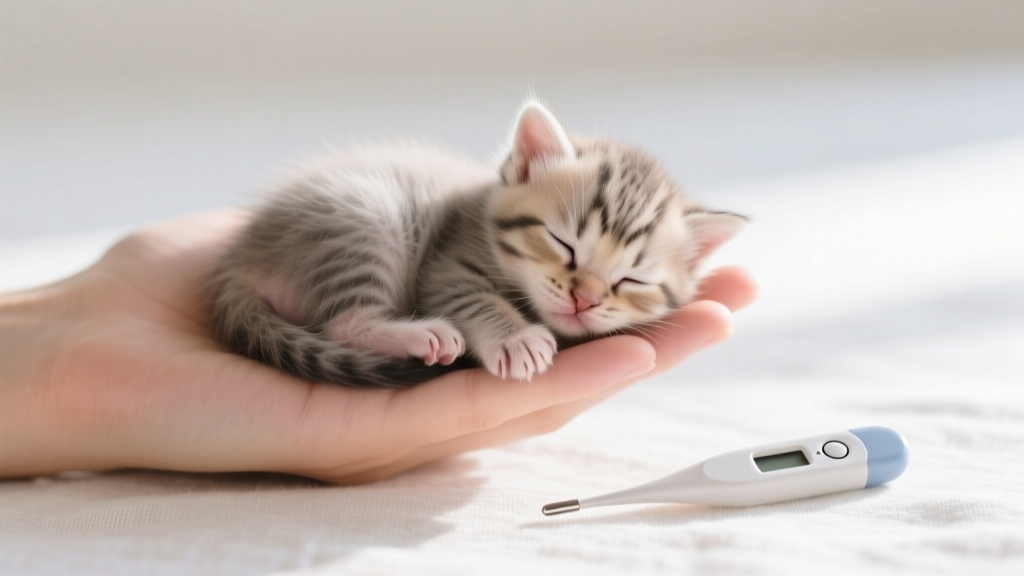
- Rectal temperature <99°F or >103°F (normal: 100.4–102.5°F)
- Green/yellow nasal discharge lasting >24 hours (indicates secondary bacterial infection)
- Blood in stool or vomit, or diarrhea >3 episodes in 12 hours
- Straining to urinate with no output (URINARY BLOCKAGE—life-threatening in males)
Don’t wait ‘until morning.’ Dr. Marcus Chen, emergency veterinarian at Angell Animal Medical Center, states: “We see kittens brought in at 2 a.m. with hypoglycemia because owners thought ‘they’ll eat later.’ Kittens can crash in under 4 hours without calories. If in doubt, call your vet—or go straight to ER.”
| Age Range | Key Health Actions | Developmental Milestones | Risk Alerts |
|---|---|---|---|
| 0–2 weeks | Weigh daily; ensure nursing every 2 hrs; stimulate urination/defecation with warm cloth | Eyes closed; ears folded; relies entirely on mom or caregiver | Weight loss >10% in 24 hrs = immediate vet visit |
| 3–4 weeks | Begin weaning (kitten milk replacer + wet food slurry); first deworming | Eyes fully open; begins walking; plays with littermates | Failure to right self when placed on back = neurological concern |
| 5–7 weeks | Introduce litter box; second deworming; first FVRCP vaccine | Stalking, pouncing, grooming self; responds to name | Avoidance of human touch or hissing at 6+ weeks = missed socialization window |
| 8–12 weeks | Spay/neuter discussion (early-age safe per ASPCA); third deworming; second FVRCP | Full coordination; uses litter reliably; forms attachment bonds | Excessive meowing + pacing + hiding = stress colitis or UTI |
| 12–16 weeks | Rabies vaccine; FeLV test if outdoor/multi-cat; microchip implant | Play shifts from prey-chase to object manipulation; explores vertically | Sudden aggression toward hands = redirected play frustration—redirect to wand toys |
Frequently Asked Questions
Can I bathe my kitten?
No—unless medically necessary (e.g., pesticide exposure). Kittens cannot regulate body temperature well, and bathing causes dangerous chilling and stress-induced gastrointestinal upset. Spot-clean with damp cloth if soiled. Full baths increase hypothermia risk by 7x (Journal of Feline Medicine & Surgery, 2022).
When should I spay or neuter my kitten?
Between 12–16 weeks—after completing core vaccines but before sexual maturity (which starts as early as 4 months in some breeds). Early-age spay/neuter is safe, reduces shelter euthanasia rates, and prevents mammary tumors (risk drops 91% if done before first heat). Discuss timing with your vet based on breed and health status.
My kitten bites and scratches during play—how do I stop it?
This is normal predatory behavior—not aggression. Never use hands as toys. Redirect instantly to appropriate outlets: feather wands, motorized mice, or crinkle balls. End play sessions with a ‘kill’—let kitten ‘catch’ and bite a toy, then offer a treat. If biting persists, walk away for 30 seconds—this teaches bite inhibition through consequence, not punishment.
Is it okay to adopt two kittens instead of one?
Yes—and often recommended. Littermates or same-age pairs reduce separation anxiety, satisfy play needs, and decrease destructive behavior by 42% (International Society of Feline Medicine study, 2021). But adopt *both at once*: introducing a second kitten later triggers territorial stress and resource guarding.
Do kittens need heartworm prevention?
Yes—even indoors. Mosquitoes transmit heartworm, and 27% of infected cats show *no symptoms* until sudden respiratory collapse or death. Monthly preventives (e.g., Revolution Plus®) protect against heartworm, fleas, ticks, and ear mites. Start at 8 weeks.
Common Myths About Kitten Care
Myth 1: “Milk is good for kittens.”
Cow’s milk causes severe diarrhea and dehydration due to lactose intolerance. Only use kitten-specific milk replacer (KMR®) if orphaned. Never give dairy.
Myth 2: “Kittens don’t need vet visits until they’re older.”
The first vet visit should occur by 6–8 weeks—even if seemingly healthy. This establishes baseline vitals, detects congenital issues (e.g., heart murmurs, cleft palate), and builds trust for future care. Waiting until 4–6 months risks missing treatable conditions like portosystemic shunts.
Related Topics (Internal Link Suggestions)
- Kitten Vaccination Schedule — suggested anchor text: "kitten vaccination timeline"
- Best Kitten Food Brands (2024 Vet-Reviewed) — suggested anchor text: "top-rated kitten food"
- How to Socialize a Shy Kitten — suggested anchor text: "help shy kitten gain confidence"
- Signs of Illness in Kittens — suggested anchor text: "kitten sickness symptoms"
- Indoor Cat Enrichment Ideas — suggested anchor text: "kitten-safe enrichment activities"
Your Next Step Starts Today—Not Tomorrow
You now hold a vet-vetted, timeline-anchored roadmap for how to take good care of your kitten—not just surviving, but thriving across nutrition, immunity, behavior, and environment. But knowledge without action stays theoretical. So here’s your immediate next step: Call your veterinarian *today* and book a wellness exam within the next 48 hours. Ask them to review your feeding plan, confirm deworming dates, and demonstrate proper handling techniques. Print this care timeline table and post it on your fridge. And if you’re still feeling overwhelmed? Bookmark our free downloadable Kitten Care Checklist (with vet-approved dosing charts and symptom tracker)—it’s designed to fit in your phone case or wallet. Because great care isn’t about perfection—it’s about showing up, informed and intentional, every single day.