How Do You Take Care of a Newborn Baby Kitten? The 7 Non-Negotiable Steps Vets Say Most Rescuers Miss (Especially in the First 72 Hours)
Why This Isn’t Just ‘Cute’ — It’s a 72-Hour Lifesaving Window
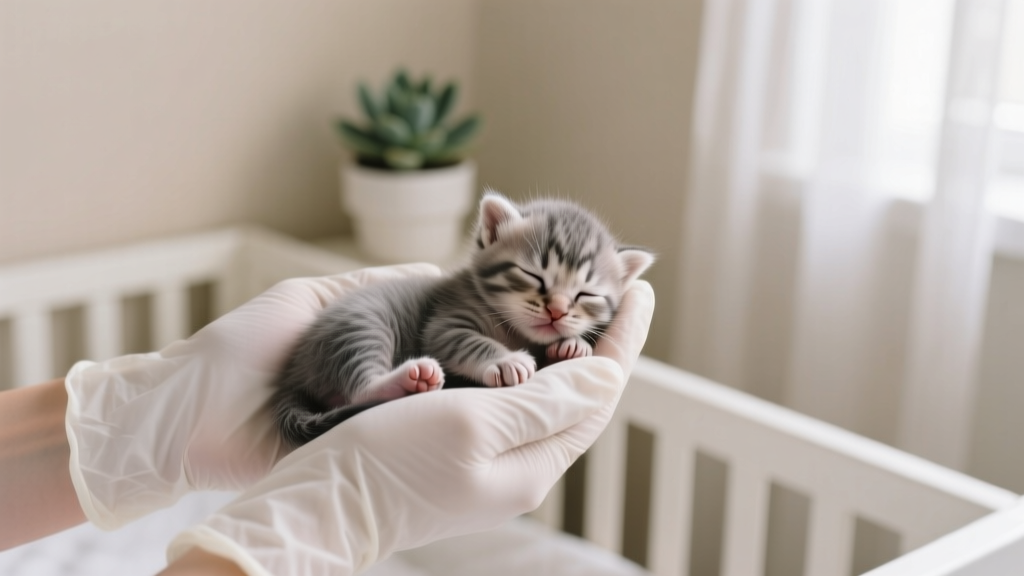
How do you take care of a newborn baby kitten? That question isn’t theoretical — it’s often whispered in panic at 2 a.m. by someone holding a trembling, unresponsive 12-hour-old kitten whose eyes haven’t opened, whose body feels cold to the touch, and who hasn’t nursed in over four hours. Unlike adult cats, newborn kittens (0–2 weeks old) are essentially external fetuses: they can’t regulate their own body temperature, can’t eliminate waste without stimulation, can’t fight infections, and lose vital calories — and life — in under 12 hours without proper intervention. According to Dr. Sarah Wooten, DVM and clinical advisor for the Winn Feline Foundation, "Over 50% of neonatal kitten mortality occurs in the first three days — and 80% of those deaths are preventable with correct human-supported care." This guide distills evidence-based protocols used in veterinary neonatal ICUs and high-volume rescue nurseries into actionable, compassionate steps — no prior experience required.
Step 1: Stabilize Temperature — Your First 10 Minutes Are Critical
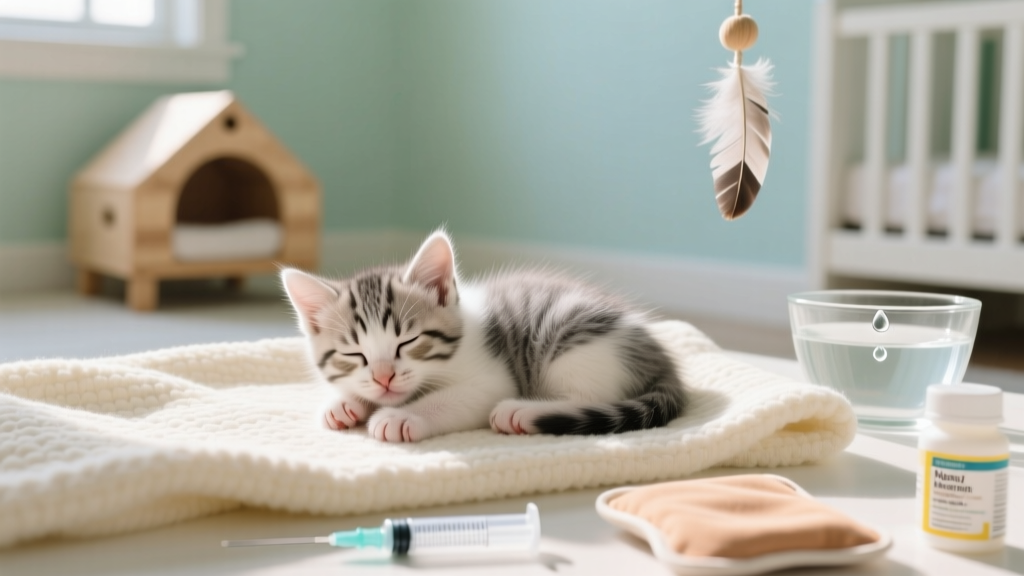
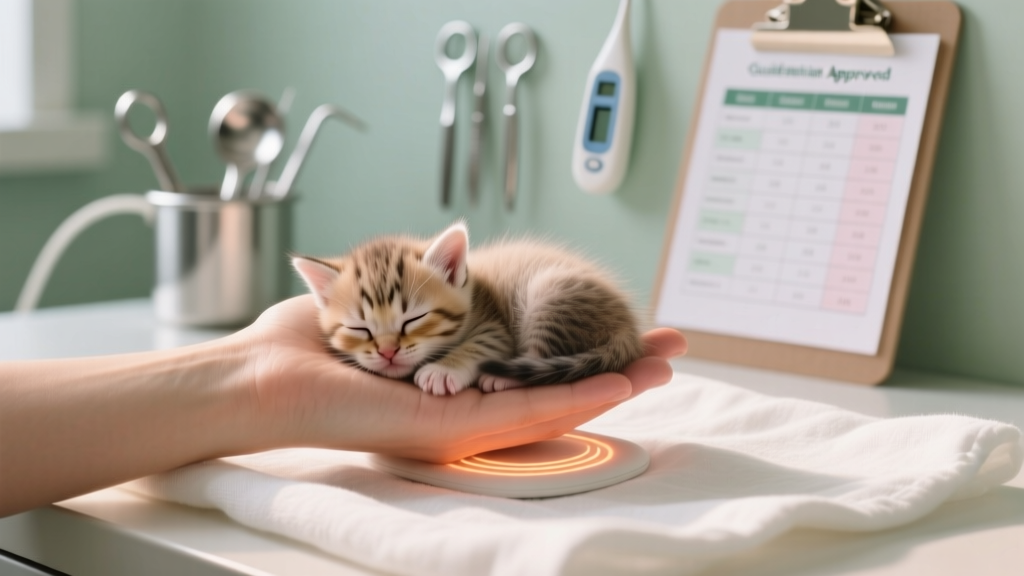
Newborn kittens have zero ability to shiver or generate heat. Their normal rectal temperature should be 95–99°F (35–37.2°C) in the first week — dropping as low as 94°F is already hypothermic and impairs digestion, immunity, and suckling reflex. A kitten below 92°F is in immediate danger of cardiac arrest. Never warm a hypothermic kitten with direct heat (heating pads, hair dryers, or hot water bottles), which causes burns or shock. Instead, use gradual, controlled rewarming:
- Wrap gently in a soft, pre-warmed (not hot) towel — warmed in a dryer for 60 seconds, then tested on your inner wrist.
- Place inside a cardboard box lined with fleece and topped with a snuggle-safe heating disc (like SnuggleSafe®) wrapped in two layers of cloth — never direct skin contact.
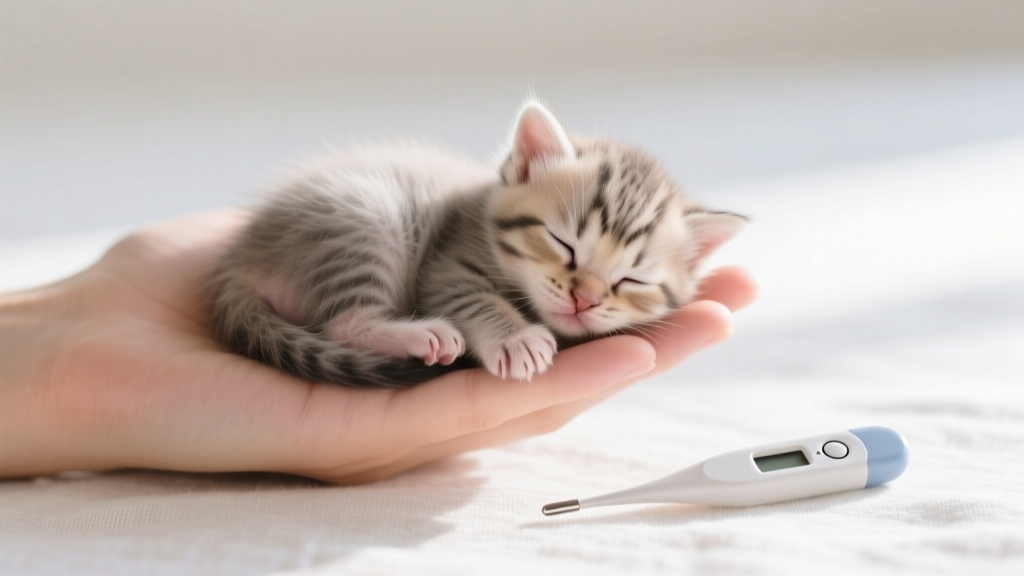
- Monitor every 15 minutes using a digital rectal thermometer (lubricated with water-based lube); aim for 0.5°F per hour increase until reaching 97°F.
- Once stable, maintain ambient room temperature at 85–90°F (29–32°C) for Days 1–7, then gradually reduce by 2°F daily until Week 3.
A real-world case from Tabby’s Place Sanctuary illustrates the stakes: In March 2023, a rescuer brought in three 1-day-old kittens found in a storm drain. Two were severely hypothermic (91.3°F and 90.8°F). While one was warmed correctly and survived, the second — placed directly on a heating pad — developed thermal burns and sepsis, requiring amputation of two toes. The third, warmed slowly with a SnuggleSafe disc and monitored hourly, thrived and was adopted at 10 weeks.
Step 2: Feed Correctly — Not Just ‘What,’ But ‘How, When, and How Much’
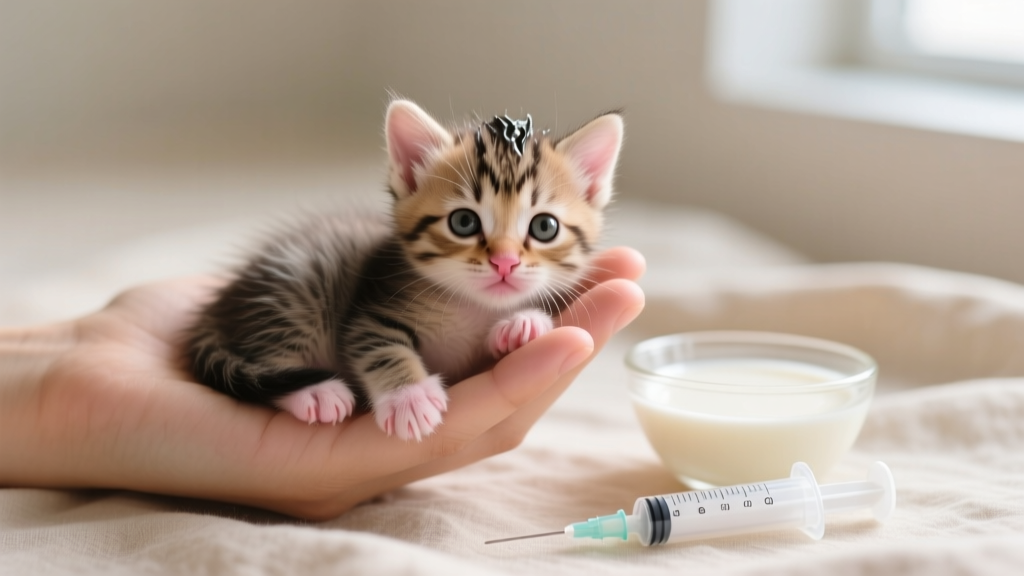
Feeding a newborn kitten isn’t about frequency alone — it’s about precision. Cow’s milk, goat’s milk, human formula, or homemade ‘kitten milk’ recipes cause fatal diarrhea, dehydration, and metabolic acidosis. Only use a commercial, species-specific kitten milk replacer (KMR® or Just Born®). But even with the right formula, errors in preparation and administration kill more kittens than malnutrition.
Key evidence-backed rules:
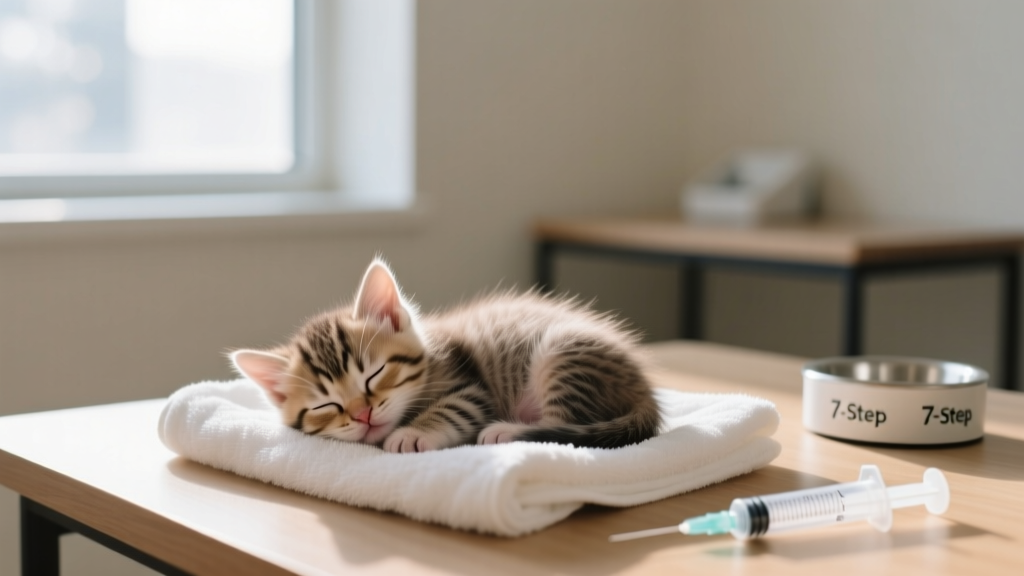
- Hydration before calories: If the kitten is dehydrated (check skin tenting — pinch scruff; >2 seconds = moderate dehydration), give 1–2 mL of unflavored Pedialyte via syringe *before* any milk — wait 30 minutes.
- Formula prep: Mix powder with distilled or boiled-cooled water only. Never microwave — stir vigorously and test temperature on your inner wrist (should feel neutral, not warm).
- Feeding volume: 2–4 mL per feeding for 0–24 hr olds; increase by 0.5 mL per feeding every 12 hours. Total daily intake = 13–15 mL per 100g body weight — split into 8–12 feedings (every 2 hours, including overnight).
- Position matters: Hold kitten belly-down, head slightly elevated (like nursing), never on its back — aspiration pneumonia is the #1 cause of sudden death during feeding.
Dr. Wooten emphasizes: "I’ve seen dozens of kittens aspirate because caregivers tried to ‘speed up’ feedings. A 5-minute feeding is safer than a rushed 2-minute one. Watch for milk bubbling at the nose — stop immediately and gently wipe.”
Step 3: Stimulate Elimination & Monitor Output — Every Poop Tells a Story
From birth to ~3 weeks, kittens cannot urinate or defecate without physical stimulation — a function normally performed by the mother’s licking. Skipping this — or doing it incorrectly — leads to urinary retention, bladder rupture, constipation, and toxic buildup.
How to stimulate properly:
- Use a warm, damp cotton ball or soft tissue (never Q-tip or finger — risk of injury).
- Gently stroke the genital and anal area in downward motions for 30–60 seconds *before and after each feeding*.
- Urination should occur within 15–30 seconds; defecation may take longer — but if no stool appears within 24 hours, consult a vet (may indicate ileus or obstruction).
Track output meticulously: Urine should be pale yellow and plentiful (a dime-sized puddle per session). Stool transitions predictably: Day 1–2 = meconium (black, tarry); Day 3–5 = transition stool (greenish-brown, soft); Day 6+ = normal kitten stool (yellow-mustard, seedy, semi-formed). Any deviation — white stools (pancreatic insufficiency), red streaks (intestinal bleeding), or hard, dry pellets (dehydration) — demands immediate veterinary assessment.
Care Timeline Table: What to Expect & Act On, Hour-by-Hour and Day-by-Day
| Timeframe | Key Developmental Milestones | Critical Actions & Red Flags | Vet Contact Threshold |
|---|---|---|---|
| Hours 0–24 | Eyes closed; ears folded; rooting reflex strong; umbilical cord still attached (dries/cuts naturally by 3–5 days) | Stabilize temp; begin feeding every 2 hrs; stimulate before/after each feed; weigh daily (should gain 7–10g/day) | No suckling in >4 hrs; no urine/stool in >24 hrs; rectal temp <92°F; lethargy or weak cry |
| Days 2–7 | Umbilical cord detaches; ear canals begin opening; begins crawling; starts gaining weight steadily | Continue feeding schedule; introduce gentle handling; monitor for eye discharge (conjunctivitis); check gums for pinkness (pale = anemia) | Weight loss >10% of birth weight; green/yellow eye discharge; refusal to eat for 2 feeds; labored breathing |
| Days 8–14 | Eyes fully open (usually Day 7–10); ears upright; attempts to stand; begins social smiling (vocalizing) | Introduce shallow dish of warm KMR (for licking practice); start gentle toothbrushing with pet-safe gel; watch for signs of fading kitten syndrome (FKS) | Sudden weight plateau or loss; hypothermia recurring; seizures; inability to right self when placed on side |
| Days 15–21 | First teeth erupt; begins walking confidently; starts playing; weaning begins | Introduce gruel (KMR + wet kitten food); provide litter box with shredded paper; begin socialization with humans/pets | Diarrhea lasting >24 hrs; blood in stool; persistent crying; failure to gain >10g/day |
Frequently Asked Questions
Can I use human baby formula or cow’s milk for a newborn kitten?
No — absolutely not. Human infant formula lacks taurine and has excessive lactose and sodium, causing severe osmotic diarrhea, dehydration, and electrolyte imbalances. Cow’s milk contains proteins (casein) and sugars (lactose) that newborn kittens cannot digest, leading to lethal enteritis. A 2021 study in the Journal of Feline Medicine and Surgery confirmed 92% of kittens fed non-KMR formulas developed life-threatening diarrhea within 36 hours. Always use KMR® or Just Born® — and reconstitute precisely per label instructions.
How do I know if my kitten has fading kitten syndrome (FKS)?
Fading kitten syndrome isn’t a single disease — it’s a cascade of failure often triggered by infection, hypothermia, or poor nutrition. Early signs include: decreasing vocalizations, cool extremities, weak suckle reflex, inability to right itself, and weight loss despite feeding. By Stage 2 (often within 12–24 hrs), you’ll see lethargy, shallow breathing, and hypothermia. Once FKS progresses to Stage 3 (hypotonia, coma, bradycardia), survival drops below 10%. Prevention — through strict temperature control, precise feeding, and early vet triage — is the only effective strategy.
Do I need to burp newborn kittens like human babies?
Yes — but differently. After every feeding, hold the kitten upright against your shoulder and gently pat its back for 15–20 seconds. You may hear small gas bubbles or see a tiny milk droplet emerge. Burping prevents gastric distension and reflux, both of which impair breathing and increase aspiration risk. Skip burping, and you risk silent regurgitation — where milk pools in the pharynx and gets inhaled during sleep.
When should I start deworming or vaccinating?
Deworming begins at 2 weeks of age (using pyrantel pamoate, dosed by weight — never guess). Vaccinations start at 6 weeks (FVRCP core vaccine). Neither should be done before these ages — kittens’ immature immune systems can’t respond appropriately, and early deworming may cause dangerous GI upset. Always consult your veterinarian before administering any medication — many over-the-counter “kitten dewormers” contain unsafe ingredients like piperazine.
My kitten’s eyes haven’t opened by Day 10 — should I help?
No — never force open sealed eyelids. Kittens’ eyes typically open between Days 7–14. Swelling, crusting, or pus indicates conjunctivitis (often from Chlamydia felis or Herpesvirus) and requires prescription ophthalmic antibiotics. Gently wipe crusts with sterile saline-soaked gauze — never cotton swabs — and call your vet immediately if eyes remain sealed past Day 14 or show redness/swelling.
Common Myths Debunked
Myth #1: “If the mother cat abandons them, they’re better off with humans.”
Not necessarily. Maternal abandonment is rare — most “abandoned” kittens are simply left temporarily while mom hunts or rests nearby. Observe from a distance for 2–4 hours before intervening. If the mother returns, support her with food, water, and quiet shelter instead of removing kittens. Removing healthy neonates from mom causes stress-induced mastitis and reduces survival odds.
Myth #2: “Newborn kittens don’t feel pain — so it’s fine to skip vet visits.”
False. Neonatal kittens have fully functional nociceptors and experience pain acutely — but they suppress vocalization to avoid predator detection. Silent suffering (e.g., internal infection, umbilical infection, or fracture) is common. Any deviation from normal behavior warrants evaluation — and early intervention improves survival by 400%, per data from the UC Davis Koret Shelter Medicine Program.
Related Topics (Internal Link Suggestions)
- Kitten Weaning Schedule — suggested anchor text: "step-by-step kitten weaning timeline"
- Signs of Kitten Dehydration — suggested anchor text: "how to check for kitten dehydration at home"
- Best Kitten Milk Replacers Ranked — suggested anchor text: "top vet-recommended kitten milk replacers"
- Fading Kitten Syndrome Treatment — suggested anchor text: "fading kitten syndrome survival protocol"
- How to Socialize Orphaned Kittens — suggested anchor text: "orphaned kitten socialization checklist"
Your Next Step — And Why It Matters Today
You now hold knowledge that changes outcomes: the difference between a fragile life slipping away in silence and a thriving, purring companion who’ll greet you at the door for years. But knowledge without action stays theoretical — and newborn kittens don’t wait. Right now, grab a digital scale, thermometer, KMR®, and soft towels — and weigh and temperature-check your kitten. If it’s below 95°F or hasn’t eaten in 4 hours, begin warming and feeding using the steps above. Then, call a feline-friendly veterinarian or local rescue nursery — many offer free neonatal triage consults. Remember: You don’t need to be a vet to save a life. You just need to act — calmly, correctly, and within the first 72 hours. That tiny, mewing creature isn’t just counting on you. It’s trusting you — and that trust begins with what you do next.