Feline Immune-Mediated Hemolytic Anemia Overview
1. Why this topic matters to cat owners
Anemia means your cat doesn’t have enough healthy red blood cells to carry oxygen around the body. When oxygen delivery drops, even routine activities—walking to the food bowl, jumping on the couch, grooming—can become exhausting. Immune-mediated hemolytic anemia (often shortened to IMHA) is one of the more serious causes of anemia because the body’s own immune system mistakenly targets and destroys red blood cells.
If you’re reading this because your cat seems unusually tired, pale, or “just not right,” you’re doing the right thing by learning. IMHA can move quickly, but many cats do well when it’s recognized early and treated promptly under veterinary care. This overview will help you understand what IMHA is, what signs to watch for, how it’s diagnosed, and what treatment and home support may look like.
2. Overview: what immune-mediated hemolytic anemia is (plain-language explanation)
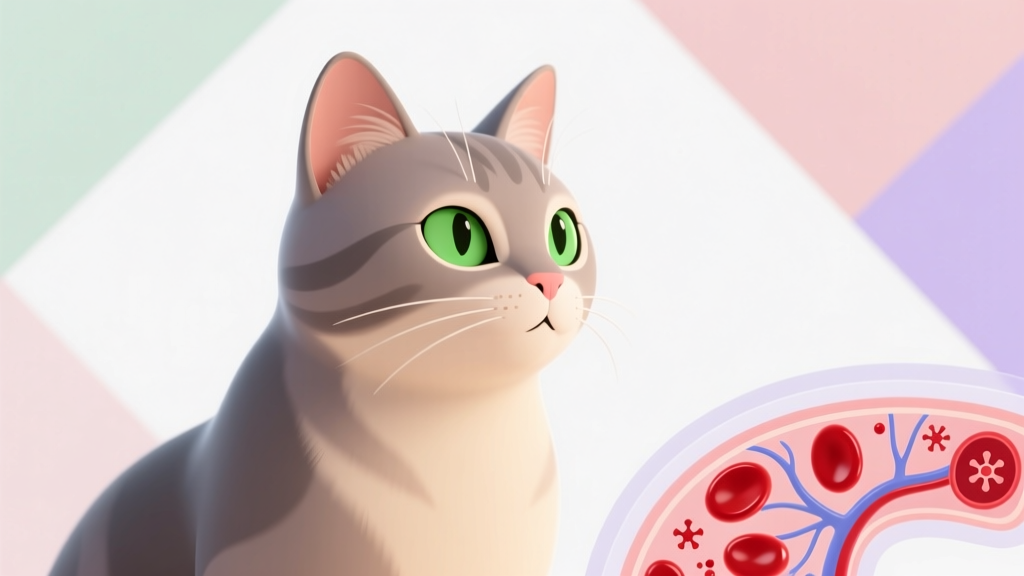
Red blood cells (RBCs) are like tiny oxygen delivery trucks. They circulate for weeks and are then removed and replaced as part of normal life. In IMHA, the immune system misidentifies RBCs as a threat and destroys them too early. That destruction is called hemolysis.
There are two main ways hemolysis happens:
- Extravascular hemolysis: The most common route. RBCs are removed by the spleen and liver (the body’s “filtering” organs) after immune cells tag the RBCs as abnormal.
- Intravascular hemolysis: RBCs break apart within blood vessels. This can be more dramatic and can cause dark urine from free hemoglobin.
IMHA in cats can be:
- Primary (idiopathic): No clear underlying trigger is found. This is less common in cats than in dogs.
- Secondary: Triggered by another problem such as infection (especially blood-borne parasites), certain cancers, inflammatory disease, or occasionally medications/toxins. In cats, finding and addressing an underlying cause is a key part of care.
Because red blood cells carry oxygen, IMHA often affects multiple body systems. A cat may appear weak, breathe faster, eat less, or hide more. Some cats develop jaundice (yellow tint to gums or skin) as the body processes the breakdown products of RBCs.
3. Symptoms and warning signs to watch for
Some signs are subtle at first, especially in cats who naturally hide illness. Contact your veterinarian if you notice any of the following—particularly if more than one is present.
Common signs of anemia/IMHA
- Lethargy or weakness: Sleeping more, less interest in play, reluctance to jump.
- Pale gums: Gums may look light pink, white, or “washed out.”
- Fast breathing or increased effort: Resting respiratory rate rises, breathing looks shallow or rapid.
- Decreased appetite: Eating less, walking away from food, picky behavior that is new.
- Weight loss over days to weeks.
- Hiding or behavior changes: More withdrawn, less social, unusual irritability.
Signs that suggest red blood cell breakdown (hemolysis)
- Yellow discoloration (jaundice/icterus): Yellow tint to gums, whites of the eyes, ear pinnae, or skin.
- Dark urine: Orange-brown or tea-colored urine (can occur with hemolysis, dehydration, or liver issues—always worth checking).
- Fever may be present, especially if an infection is involved.
Quick at-home checks you can do today
- Look at gum color once daily if you’re concerned (lift the lip gently in good light).
- Count resting breaths when your cat is asleep: count breaths for 30 seconds and multiply by 2. Persistently above ~30 breaths/min at rest should be discussed with a veterinarian.
- Monitor appetite and litter box habits (amount eaten, urine color, stool consistency).
- Note energy changes—cats often show illness as “just quieter than usual.”
4. Causes and risk factors
In cats, immune-mediated destruction of red blood cells often has an underlying trigger. Your veterinarian’s goal is not only to stabilize anemia but also to identify and treat what may have started the immune reaction.
Possible triggers and associated conditions
- Infectious diseases: Blood-borne parasites (such as Mycoplasma haemofelis, sometimes called hemotropic mycoplasmas), and other infections that can contribute to immune activation. Regional risks vary.
- Retroviruses: FeLV (feline leukemia virus) and FIV (feline immunodeficiency virus) can be associated with anemia and immune dysfunction.
- Cancer: Lymphoma and other cancers can trigger immune-mediated processes or cause anemia through multiple mechanisms.
- Inflammatory disease: Severe inflammation in the body can alter immune regulation.
- Medications/toxins: Some drugs may rarely contribute to immune reactions. Never stop prescribed medications without veterinary guidance.
- Other immune disorders: Autoimmune conditions can overlap.
Risk factors
- Outdoor exposure (higher likelihood of flea/tick exposure and infectious disease exposure).
- History of fleas or inadequate parasite prevention (fleas can transmit certain blood-borne organisms and contribute to anemia).
- Pre-existing viral infection (FeLV/FIV).
- Recent illness or significant stressors that may coincide with immune dysregulation.
5. Diagnosis: methods and what to expect at the vet
IMHA can’t be diagnosed from symptoms alone. The veterinary team will combine physical exam findings with bloodwork and targeted testing. If your cat is unstable, stabilization (oxygen, warming, IV access) may happen immediately alongside diagnostic testing.
Physical exam findings
- Pale or yellow gums
- Fast heart rate, possible heart murmur (from anemia-related changes)
- Dehydration or fever
- Enlarged spleen or liver (sometimes)
- Weakness, poor body condition, or weight loss
Core lab tests
- Complete blood count (CBC): Confirms anemia and evaluates severity. It also checks white blood cells and platelets.
- Reticulocyte count: Measures whether the bone marrow is responding by making new RBCs. IMHA is often “regenerative,” meaning reticulocytes increase, but timing matters—early cases may not look regenerative yet.
- Blood smear review: A technician or veterinarian looks at cells under a microscope for clues such as RBC changes suggestive of immune destruction or parasites.
- Biochemistry panel: Assesses liver/kidney function and bilirubin (often elevated with hemolysis/jaundice).
- Urinalysis: Evaluates urine concentration and checks for pigment changes that may accompany hemolysis.
IMHA-specific and “cause-finding” tests
- Saline agglutination testing (performed by the vet): looks for RBC clumping that can support immune-mediated destruction.
- Coombs (Direct antiglobulin) test: Can help detect antibodies attached to RBCs. A negative test does not completely rule out IMHA.
- FeLV/FIV testing
- PCR testing for hemotropic mycoplasmas or other infectious causes when indicated
- Imaging: X-rays and/or ultrasound may be recommended to check for cancer, internal bleeding, or organ changes.
What the visit may feel like for you
If anemia is moderate to severe, your vet may recommend hospitalization for close monitoring, repeat bloodwork, and possible transfusion. You may hear terms like PCV/HCT (packed cell volume/hematocrit), which reflect how severe the anemia is and help guide treatment decisions.
6. Treatment options (medical, surgical, home care)
Treatment depends on severity, whether your cat is stable, and whether an underlying cause is identified. The goals are to restore oxygen delivery, stop immune destruction, treat triggers, and prevent complications.
Medical treatment
- Immunosuppressive medications: Corticosteroids (such as prednisolone) are commonly used to reduce immune attack on RBCs. Additional immunosuppressants may be considered in some cases based on response and side effects.
- Antibiotics/antiprotozoals (when indicated): If an infectious trigger is suspected or confirmed (for example, hemotropic mycoplasmas), appropriate antimicrobial therapy is started.
- Blood transfusion: For severe anemia or clinical instability, transfusion can be life-saving. Cats require blood typing and careful crossmatching when possible to reduce transfusion reactions. Transfusions support oxygen delivery while medications take effect; they don’t “cure” IMHA.
- Supportive care: IV fluids (used thoughtfully—too much fluid can worsen breathing in some cats), oxygen therapy, anti-nausea medication, appetite stimulants, and stomach protectants depending on your cat’s needs.
- Addressing complications: Cats with IMHA may have increased risk of clotting or other secondary issues; your veterinarian will determine if additional medications are appropriate.
Surgical treatment
Surgery is not routine for IMHA. In select cases—especially when there is a tumor, an abscess, or another surgical trigger—surgery may be part of addressing the underlying cause. Splenectomy (removal of the spleen) is rarely considered in cats and only in very specific situations after thorough evaluation.
Home care and monitoring (what you can do)
Home care is a major part of success once your cat is stable enough to leave the hospital. Follow your veterinarian’s plan closely, and ask for a written schedule.
- Give medications exactly as prescribed: Do not stop steroids or other immunosuppressants suddenly unless your veterinarian instructs you to. Tapering is often necessary.
- Reduce stress: Keep your cat indoors, quiet, and separated from overly active pets or children during recovery.
- Encourage eating and hydration:
- Offer strong-smelling, high-palatable foods (your vet can recommend options).
- Warm food slightly to enhance aroma.
- Provide multiple water stations or a fountain.
- Track daily: Appetite, energy, gum color, breathing rate at rest, and litter box output. Bring notes to rechecks.
- Limit intense activity: Anemic cats tire easily; let them set the pace.
- Watch for medication side effects: Steroids can increase thirst/urination, hunger, and sometimes cause agitation or GI upset. Report vomiting, black/tarry stool, severe diarrhea, or sudden behavior changes.
7. Prevention strategies and early detection tips
Not all cases of IMHA are preventable, especially when no clear trigger is found. Prevention focuses on reducing exposure to known contributors and catching anemia early.
Practical prevention steps
- Year-round parasite prevention: Use veterinarian-recommended flea (and tick, where relevant) control. Avoid dog-only products—some are toxic to cats.
- Keep cats indoors or supervised outdoors: Reduces exposure to infectious disease and parasites.
- Routine wellness exams: Regular checkups help detect weight loss, heart rate changes, or subtle gum color changes early.
- Screening tests when appropriate: FeLV/FIV testing for new cats, cats with unknown status, or cats with illness signs.
- Prompt evaluation of “minor” changes: In cats, reduced appetite for more than 24 hours, quieter behavior, or hiding can be an early illness sign worth a veterinary call.
Early detection tip
- Know your cat’s baseline: Normal appetite, play habits, and resting breathing rate. Baseline awareness helps you notice small but meaningful changes sooner.
8. Prognosis and quality of life considerations
Prognosis varies widely and depends on:
- How severe the anemia is at diagnosis
- How quickly treatment begins
- Whether an underlying cause is found and treatable
- How well your cat tolerates medications and how consistently follow-up care is performed
Some cats respond well to immunosuppressive therapy and gradually return to normal routines, though treatment may continue for weeks to months with careful tapering. Others may relapse and need longer-term management. Quality of life is often very good once anemia is controlled; many cats regain energy, appetite, and normal behaviors.
Recheck visits are not “optional extras”—they’re how your veterinarian confirms the red blood cell count is improving and that medications are at safe, effective doses.
9. When to seek emergency veterinary care
IMHA can become an emergency. Seek urgent veterinary attention (same day, emergency clinic if needed) if you notice any of the following:
- Open-mouth breathing, severe panting, or obvious breathing distress
- Collapse, inability to stand, extreme weakness
- Very pale/white gums or suddenly worsening gum color
- Yellow gums/eyes that appear rapidly
- Dark brown/tea-colored urine along with lethargy or weakness
- Rapid decline in appetite (especially not eating at all for 24 hours)
- Uncontrolled vomiting, black/tarry stool, or signs of pain
If you’re unsure, call your veterinary clinic or an emergency hospital and describe what you’re seeing. It’s always appropriate to ask whether your cat should be seen immediately.
10. FAQ: common questions cat owners ask about IMHA
Can IMHA be cured in cats?
Some cats achieve long-term remission, especially when a trigger is found and treated successfully. Others require a longer course of medication or may relapse. Your veterinarian will tailor the plan based on response and follow-up bloodwork.
Is IMHA contagious to other cats or people?
IMHA itself is not contagious because it’s an immune system malfunction. However, a trigger for IMHA—such as certain infectious diseases—may be transmissible between cats (often via fleas or close contact, depending on the organism). This is one reason diagnostic testing and parasite control are so important.
Will my cat need a blood transfusion?
Not every cat does. Transfusions are typically recommended when anemia is severe or your cat is showing signs that oxygen delivery is too low (marked weakness, fast breathing, collapse). Transfusions buy time while medications reduce immune destruction.
How long does treatment take?
Many cats need weeks to months of treatment, with gradually decreasing (tapered) doses of medication as blood values stabilize. Follow-up schedules vary, but rechecks are often frequent early on (sometimes every 1–2 weeks) and then spaced out as your cat improves.
What side effects should I watch for with immunosuppressive therapy?
Side effects depend on the medication, but common concerns include increased thirst/urination, increased appetite, GI upset, behavior changes, and increased susceptibility to infection. Report any sudden worsening, persistent vomiting/diarrhea, black/tarry stool, or marked lethargy to your veterinarian promptly.
What can I do at home to support recovery?
Give medications consistently, minimize stress, ensure good nutrition/hydration, keep your cat indoors, and keep a simple daily log of appetite, energy, gum color, and resting breathing rate. Bring that log to your rechecks—those details help your vet make safer, more precise treatment decisions.
If your cat may be anemic or has been diagnosed with IMHA, partner closely with your veterinarian—professional care and follow-up testing are essential for the best outcome. For more approachable, cat-owner-friendly health guides and wellness tips, visit catloversbase.com.