Feline Trichomoniasis: Difficult-to-Treat Diarrhea Cause
1. Why this topic matters to cat owners
Few things worry cat owners faster than diarrhea that won’t quit—especially when a cat otherwise seems bright, playful, and hungry. Chronic large-bowel diarrhea can lead to messy litter boxes, irritated skin, dehydration risk, and ongoing stress for both you and your cat. One under-recognized cause is feline trichomoniasis, a contagious intestinal infection that often affects young cats and cats living with other cats. It can be frustrating because symptoms may come and go, and routine fecal tests can miss it.
Understanding what feline trichomoniasis is, how it spreads, and what treatment really looks like helps you get effective veterinary care sooner and reduce the chance of passing it to other cats in the home.
2. Overview: What is feline trichomoniasis?
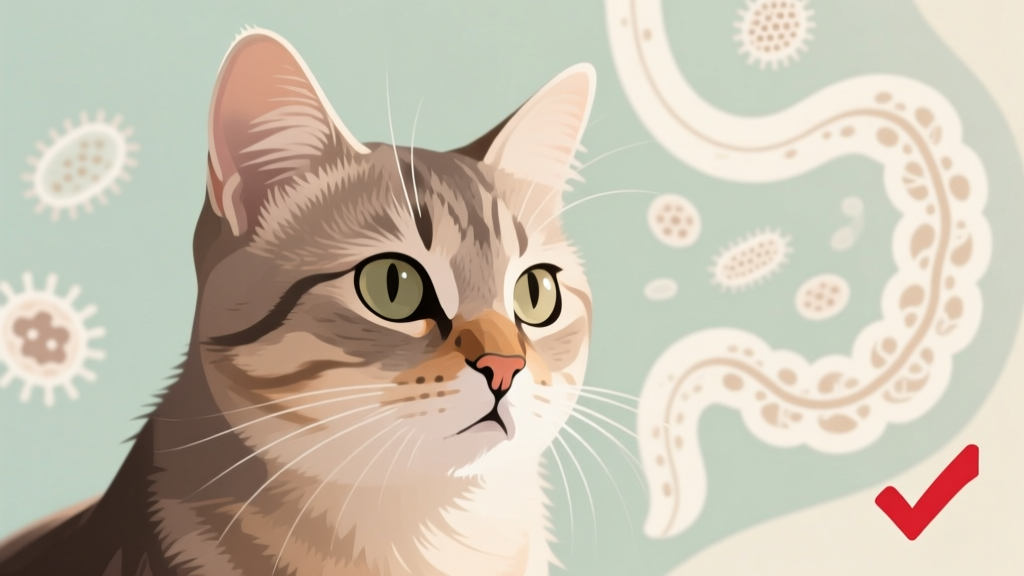
Feline trichomoniasis is an intestinal infection caused by a microscopic protozoan parasite called Tritrichomonas foetus. (You may see it written as T. foetus.) Protozoa are single-celled organisms—different from bacteria and worms—and they can be tricky to detect and treat.
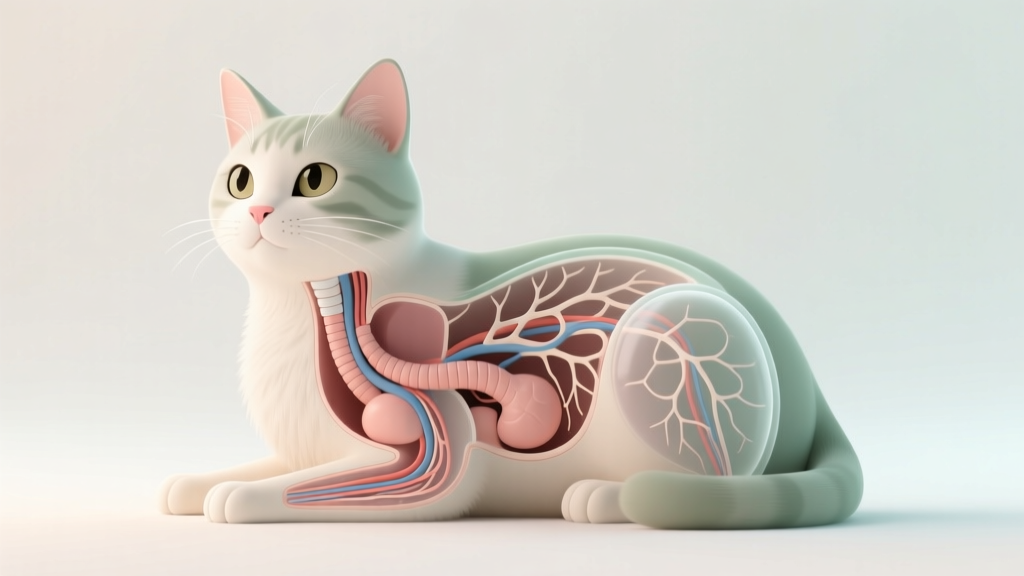
This organism typically lives in the large intestine (colon). It irritates the lining of the bowel, leading to inflammation and poor water absorption. The result is usually large-bowel diarrhea—often soft, foul-smelling stool with mucus, frequent urges to go, and sometimes streaks of fresh (red) blood from irritation.
Many cats with trichomoniasis look otherwise healthy. That mismatch—“my cat seems fine but the poop is awful”—is one reason owners can feel stuck and discouraged.
3. Symptoms and warning signs to watch for
Trichomoniasis most often causes signs associated with the large intestine. Common symptoms include:
- Chronic or recurring diarrhea, often lasting weeks to months
- Soft, unformed stool (may be cow-pie consistency or watery)
- Increased frequency of bowel movements
- Urgency—rushing to the litter box, or accidents just outside it
- Mucus in the stool (a slimy coating)
- Fresh red blood streaks from straining/irritation
- Foul odor more noticeable than usual
- Straining or discomfort when defecating
- Inflammation around the anus (redness, soreness)
Less common, but possible:
- Reduced appetite during flare-ups
- Mild weight loss over time if diarrhea is severe or prolonged
Practical at-home tracking tip: Start a simple “poop diary” for 7–10 days: stool consistency, presence of mucus/blood, frequency, accidents, diet/treats, and any meds. This record helps your veterinarian narrow down causes faster.
4. Causes and risk factors
Cats become infected by ingesting the organism from contaminated feces—usually through shared litter boxes, contaminated paws, or grooming after contact with infected stool. The parasite does not need a “worm stage” to be contagious; it can spread directly between cats.
Higher-risk situations include:
- Multi-cat homes, especially where litter boxes are shared
- Catteries, shelters, rescues, boarding facilities
- Kittens and young cats (commonly affected)
- Recent adoption from a group-housing situation
- Cats with ongoing diarrhea that hasn’t responded to typical deworming or diet trials
Can people catch it? The feline organism Tritrichomonas foetus is considered a cat-to-cat issue. Normal hygiene is still important because diarrhea of any cause can carry other germs.
5. Diagnosis: Methods and what to expect at the vet
Because feline trichomoniasis can mimic other GI problems (giardia, dietary intolerance, inflammatory bowel disease, stress colitis), diagnosis matters. Treating blindly can delay relief and expose your cat to unnecessary medications.
Your veterinary visit may include:
- History and exam: age, housing situation, diet changes, parasite prevention, stool appearance, weight trends
- Fecal testing to rule out other common causes (worms, giardia, bacterial imbalance)
- Specific tests for Tritrichomonas foetus
Common testing options:
- PCR fecal test (often the preferred method): Detects parasite DNA and is generally the most sensitive. Your vet may ask for a very fresh sample.
- Direct fecal smear: A tiny amount of fresh stool is examined under a microscope for moving organisms. This can miss infections if parasite numbers are low or the sample isn’t fresh.
- Fecal culture: Special pouch/culture systems can grow the organism. Useful, but results take time and still may miss some cases.
What you can do before the appointment:
- Bring a fresh stool sample (ask your vet how fresh; often within a few hours, kept cool, not frozen unless instructed)
- Bring your poop diary and a list of foods/treats/medications
- Tell the vet if your cat is on any antibiotics or anti-diarrheals, as these can affect test accuracy
6. Treatment options (medical, surgical, home care)
Trichomoniasis can be difficult to treat, but many cats improve significantly with the right medication plan and supportive care. Treatment should be guided by a veterinarian; do not use leftover medications or internet-sourced treatments.
Medical treatment
- Targeted anti-protozoal medication: The most commonly used effective medication is ronidazole, prescribed by a veterinarian. It is not the same as metronidazole, and metronidazole often does not fully clear this infection.
- Strict dosing is critical: Ronidazole must be dosed carefully based on your cat’s weight and health status.
- Monitor for side effects: Neurologic side effects can occur in some cats (examples can include unsteadiness, tremors, lethargy, unusual behavior). If you notice anything concerning, stop the medication and contact your veterinarian immediately.
Do all cats need treatment? Some cats may improve over time, but they can continue to carry and spread the organism, and symptoms may flare again. Your veterinarian will weigh severity of signs, household situation, and risks/benefits of treatment.
Surgical treatment
Surgery is not a treatment for trichomoniasis. If your cat has severe chronic diarrhea, your vet may discuss additional diagnostics (like imaging or, in some cases, biopsies) to rule out other diseases, but the infection itself is treated medically.
Home care and supportive care
Supportive steps won’t cure trichomoniasis on their own, but they can reduce discomfort and help your cat stay well hydrated and stable during treatment:
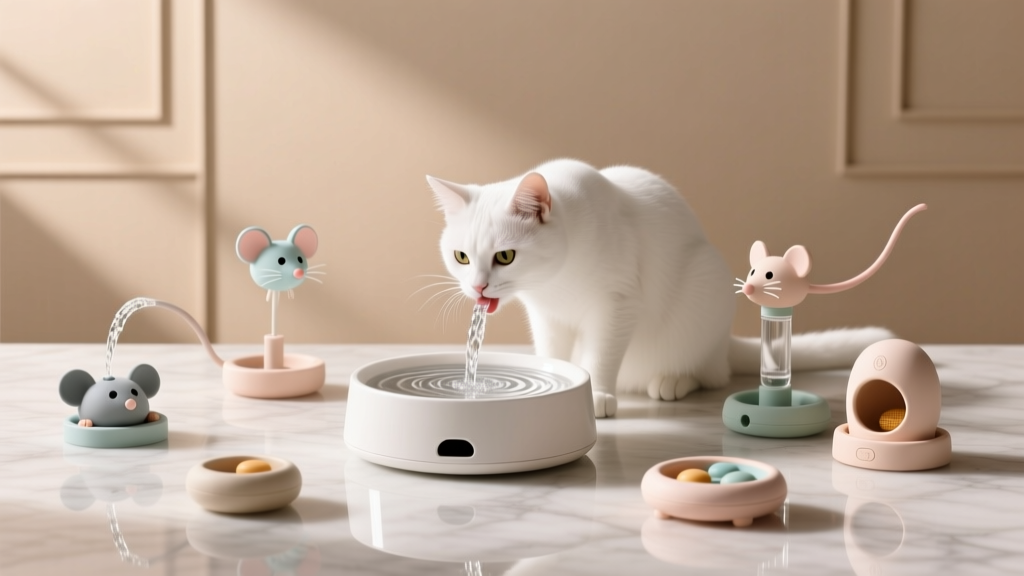
- Hydration support: Offer multiple water stations or a cat fountain. Ask your vet if adding canned food or a veterinary hydration plan is appropriate.
- Nutrition: Stick to a consistent, highly digestible diet. Avoid frequent food switches while you’re trying to stabilize the gut. Your vet may recommend a prescription GI diet.
- Litter box hygiene: Scoop at least daily, ideally twice daily during active diarrhea. Use enough boxes (generally one per cat plus one extra).
- Protect the skin: If the rear end is irritated, ask your vet about gentle cleaning methods. Avoid harsh soaps; fragrance-free pet wipes or warm water on a soft cloth are often safer.
- Reduce stress: Stress can worsen large-bowel diarrhea. Keep routines stable and provide quiet resting spots.
Medication safety tip: If your vet prescribes compounded medication, use a reputable pharmacy and follow storage instructions. Never split or share prescriptions between cats.
7. Prevention strategies and early detection tips
Because trichomoniasis spreads through fecal contamination, prevention focuses on hygiene and limiting exposure.
Practical prevention steps:
- Quarantine new cats for a period recommended by your veterinarian, especially if they came from a shelter/cattery or have diarrhea.
- Test early if a new cat has persistent soft stool, mucus, or frequent bowel movements.
- Improve litter box setup:
- Provide enough boxes (one per cat + one extra)
- Place boxes in separate areas to reduce crowding
- Scoop frequently and wash boxes regularly
- Reduce shared contamination: Clean soiled surfaces promptly; wash hands after litter duties.
- Avoid unnecessary antibiotics unless prescribed; they can disrupt gut balance and complicate diarrhea cases.
Early detection tip: If your cat has large-bowel diarrhea for more than a few days—especially if they are young or live with other cats—ask your veterinarian whether a fecal PCR panel that includes Tritrichomonas foetus makes sense.
8. Prognosis and quality of life considerations
The outlook for cats with trichomoniasis is often good with appropriate veterinary care, but it can take patience. Some cats respond quickly to treatment; others have lingering intestinal sensitivity even after the organism is reduced or cleared.
Quality of life is usually manageable when you:
- Work closely with your veterinarian on diagnosis and follow-up testing when indicated
- Keep the diet consistent and appropriate for GI health
- Maintain excellent litter box hygiene
- Address flare-ups early instead of waiting weeks
Household considerations: In multi-cat homes, your veterinarian may discuss whether to test and/or treat other cats, especially if they share boxes and one cat is positive. Some cats can carry the organism with minimal signs and still contribute to reinfection cycles.
9. When to seek emergency veterinary care
Trichomoniasis itself is usually not an immediate emergency, but diarrhea can become urgent depending on severity and your cat’s overall health. Seek prompt veterinary help (same day or emergency) if you notice:
- Signs of dehydration (sticky gums, sunken eyes, marked lethargy, weakness)
- Repeated vomiting or inability to keep water down
- Large amounts of blood in stool, black/tarry stool, or rapidly worsening diarrhea
- Severe lethargy, collapse, or hiding and not responding normally
- Straining with little stool produced (can be confused with constipation or urinary blockage—especially dangerous in male cats)
- Kittens, seniors, or cats with chronic disease (diabetes, kidney disease, heart disease) developing diarrhea—these cats can decline faster
10. FAQ: Common questions from cat owners
Can my indoor cat get trichomoniasis?
Yes. Indoor cats can be exposed through a newly adopted cat, a visiting cat, or contamination brought in on carriers or objects. The most common scenario is introduction from a cat that previously lived in a shelter, rescue, cattery, or multi-cat home.
Is trichomoniasis the same as giardia?
No. Both can cause diarrhea and can affect multi-cat environments, but they are different organisms and require different testing and treatment approaches. A cat can also have more than one intestinal parasite at the same time, which is why comprehensive fecal testing is helpful.
Will my cat’s diarrhea go away on its own?
Some cats improve over time, but symptoms can persist for months, recur under stress, and spread to other cats in the household. Because treatment decisions depend on your cat’s situation and the risks of medication, it’s best to involve your veterinarian rather than waiting it out.
Why didn’t routine deworming fix the diarrhea?
Most dewormers target intestinal worms (like roundworms or hookworms). Tritrichomonas foetus is a protozoan, so typical worm medications won’t eliminate it. That’s a common reason trichomoniasis is suspected after “everything else” has been tried.
How can I help my cat feel better at home while we’re diagnosing?
- Keep diet consistent and avoid new treats
- Offer canned food and extra water sources (if your vet approves)
- Scoop and clean boxes more often to reduce reinfection and stress
- Track stool changes daily so your vet has clear information
Avoid giving human anti-diarrheal medications unless your veterinarian specifically instructs you to—some are unsafe for cats.
Should I separate my cats if one has trichomoniasis?
Often, yes—at least temporarily—especially if there are multiple cats sharing litter boxes and one is symptomatic. Your veterinarian can advise the best plan for your home, which may include separate litter boxes, separate areas, and testing other cats.
If your cat has ongoing diarrhea, mucus in the stool, frequent litter box trips, or accidents—especially in a multi-cat household—schedule a veterinary appointment and ask whether trichomoniasis testing is appropriate. With a clear diagnosis and the right treatment plan, most cats can return to comfortable, normal daily life.
For more cat health resources written with caring, practical guidance, visit catloversbase.com.