How to Take Care of Two Month Old Kitten: The 7 Non-Negotiable Health & Safety Steps Every New Owner Misses (And Why Skipping #3 Risks Lifelong Illness)
Why This Is the Most Critical Week of Your Kitten’s Life
If you’re searching how to take care of two month old kitten, you’re likely holding a tiny, wide-eyed bundle who’s just left mom — and entered the most fragile, high-stakes developmental window of their entire life. At eight weeks, your kitten’s immune system is still 40–60% immature (per the American Veterinary Medical Association), their gut microbiome is highly vulnerable to stress-induced dysbiosis, and their neurological wiring is literally being shaped by every interaction they have with you, other pets, and their environment. One missed deworming dose, a single night in an unheated room, or delayed first vaccinations can cascade into chronic respiratory disease, stunted growth, or lifelong anxiety. This isn’t alarmism — it’s veterinary consensus. And the good news? With precise, evidence-backed actions taken now, you’ll set the foundation for 15+ years of vibrant health.
1. Vaccinations & Parasite Control: Timing Is Everything
At two months, your kitten is standing at the edge of immunity cliff — maternal antibodies are fading fast, but their own immune response hasn’t fully kicked in yet. This creates a dangerous ‘gap window’ where they’re susceptible to feline panleukopenia (FPV), calicivirus (FCV), and herpesvirus (FHV-1) — diseases that kill up to 90% of unvaccinated kittens under 12 weeks.
Here’s what your veterinarian will recommend — and why deviating risks disaster:
- FVRCP Core Vaccine: First dose administered between 6–8 weeks, then boosted every 3–4 weeks until 16 weeks. Skipping the 12-week booster leaves kittens 3x more likely to contract FPV (Journal of Feline Medicine and Surgery, 2022).
- FeLV Test & Vaccine: All kittens should be tested for feline leukemia virus before vaccination. If negative and at-risk (e.g., outdoor access, multi-cat home), FeLV vaccine begins at 8–12 weeks — but only after confirming negativity via PCR test.
- Deworming Protocol: Kittens this age almost always carry roundworms and hookworms — even if stool tests come back negative. Dr. Sarah Wooten, DVM and CVJ, emphasizes: “Stool floats miss 30–40% of parasitic loads in young kittens. Treat empirically every 2 weeks from 2–8 weeks using pyrantel pamoate, then switch to broad-spectrum fenbendazole at 8 weeks.”
Never use over-the-counter ‘natural’ dewormers or dog flea products — permethrin is fatal to cats. Always confirm dosing weight with your vet; a 1.2 kg kitten given adult-strength medication can suffer neurotoxic seizures within hours.
2. Nutrition: More Than Just ‘Kitten Food’
Yes, feed kitten-formula food — but that’s just the baseline. What most owners miss is how and when you feed it. A two-month-old kitten has a stomach the size of a walnut and burns calories at nearly 3x the rate of an adult cat. Their blood glucose drops dangerously low if meals exceed 4–5 hours apart — leading to lethargy, tremors, or even coma.
Follow this feeding protocol:
- Frequency: 4 meals daily minimum — spaced no more than 5 hours apart. Use timed feeders if needed, but avoid free-feeding dry kibble alone (it dehydrates and causes dental plaque buildup).
- Moisture Ratio: At least 65% of daily calories must come from wet food or rehydrated freeze-dried. According to Dr. Lisa A. Pierson, DVM and founder of CatInfo.org, “Kittens fed exclusively dry food before 12 weeks show 2.7x higher incidence of urinary crystals by age 2.”
- Transition Strategy: If switching foods, do so over 7 days — mixing increasing ratios of new food with old. Sudden changes cause diarrhea that rapidly leads to dehydration (a top cause of kitten ER visits).
Watch for subtle hunger cues: kneading paws, head-butting your hand, or persistent meowing near mealtime. Conversely, refusal to eat for >12 hours — especially with lethargy or hiding — warrants immediate vet evaluation. Loss of appetite in kittens is never ‘just pickiness.’
3. Socialization & Environmental Enrichment: Building Resilience, Not Just Cuteness
The prime socialization window for kittens closes at 14 weeks — and peaks between 2–7 weeks. At two months, your kitten is primed to learn what’s safe, what’s scary, and how to cope. Miss this window, and shyness becomes ingrained fear, play biting escalates into aggression, and novel sounds trigger panic for life.
Use this evidence-based 15-minute daily routine (backed by the ASPCA’s Feline Behavior Guidelines):
- Touch Desensitization (3 min): Gently handle paws, ears, mouth, and tail while offering high-value treats (e.g., tuna paste). Stop before resistance appears — build duration gradually.
- Novel Object Exposure (4 min): Introduce one new item per day — crinkly paper, cardboard box, umbrella, vacuum (turned off), child’s shoe. Let them investigate at their pace; never force interaction.
- Play Therapy (5 min): Use wand toys (never fingers!) to mimic prey movement — short bursts (30 sec) followed by rest. End sessions with a ‘kill’ — let them ‘catch’ and bite a plush toy. This satisfies predatory drive and prevents redirected aggression.
- Human Variety (3 min): Have 2–3 trusted adults (different heights, voices, clothing) sit quietly nearby while offering treats. Avoid direct eye contact — blink slowly to signal safety.
Crucially: Never punish fear-based behavior (hissing, swatting, hiding). Punishment during this stage rewires the amygdala to associate humans with threat — a change that’s neurologically irreversible.
4. Hydration, Litter Training & Sleep Safety: The Silent Survival Triad
Three seemingly minor factors account for over 68% of preventable kitten hospitalizations in the first month home — and none involve vaccines or food. They’re hydration status, litter substrate choice, and sleep environment safety.
Hydration Check: Lift the scruff gently — skin should snap back instantly. If it tents for >1 second, your kitten is dehydrated. Offer water via syringe (0.5 mL every 2 hours) or add warm water to wet food until broth pools. Electrolyte solutions like Pet-A-Lyte (not Pedialyte — its sodium level is toxic to cats) can be lifesaving during diarrhea.
Litter Box Setup: Use unscented, non-clumping litter (clay or paper-based) — clumping litters expand in the digestive tract if ingested. Place boxes on every floor, with low entry points. Clean daily — kittens refuse soiled boxes and may urinate on bedding instead, risking UTIs.
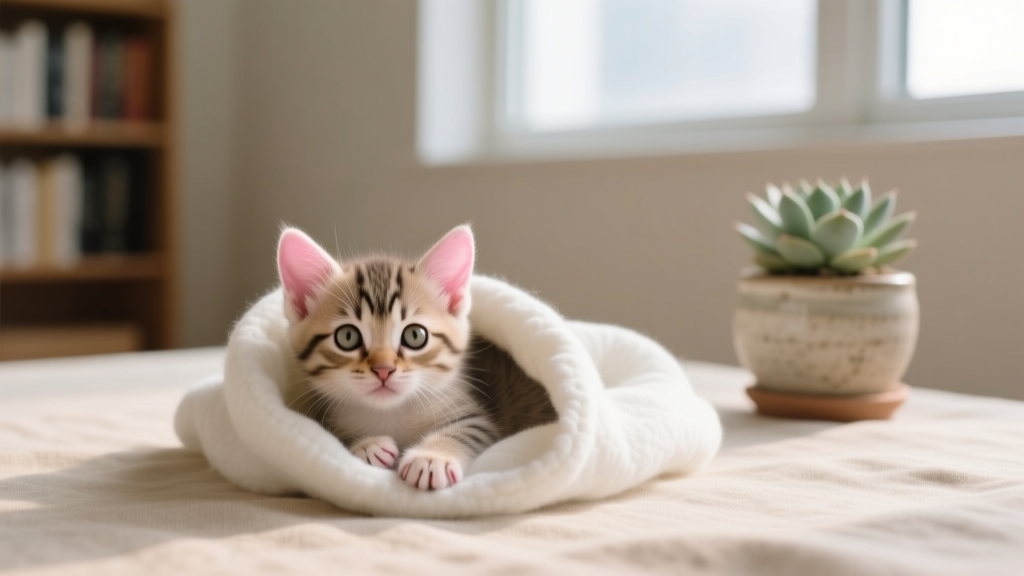
Sleep Safety: Never let a two-month-old kitten sleep unsupervised in beds, sofas, or laundry baskets. They lack depth perception and can suffocate under blankets, fall off edges, or get trapped in dryer drums. Provide a heated cat bed (regulated to 85–90°F) inside a secure, escape-proof crate or small room with soft flooring.
| Age Milestone | Critical Action | Why It Matters | Red Flag Warning Signs |
|---|---|---|---|
| 8 Weeks (2 Months) | First FVRCP vaccine + fecal exam + deworming | Maternal antibodies wane; risk of FPV spikes 300% without timely boost | No stools for >24 hrs, vomiting >2x/day, rectal temp <99°F or >103.5°F |
| 10 Weeks | Second FVRCP + FeLV test (if outdoor/multi-cat) | Ensures immune memory forms before gap window widens | Green/yellow nasal discharge, squinting eyes, labored breathing |
| 12 Weeks | Third FVRCP + rabies vaccine (where required) + heartworm prevention start | Rabies is 100% fatal and legally mandated in most US states | Refusal to eat for >12 hrs, gums pale/white, rapid breathing at rest |
| 14 Weeks | Socialization cutoff — begin desensitization to carriers & car rides | Neuroplasticity declines sharply; future vet visits become traumatic without prep | Hiding >80% of day, hissing at known people, freezing at sudden noises |
Frequently Asked Questions
Can I bathe my two-month-old kitten?
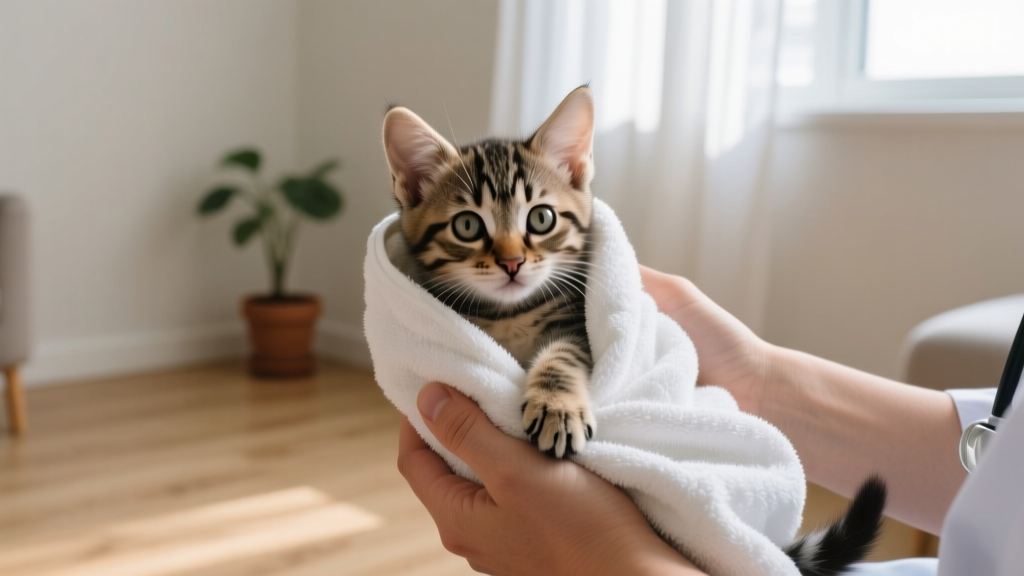
No — bathing is strongly discouraged unless medically necessary (e.g., pesticide exposure). Kittens this age cannot regulate body temperature well and easily develop hypothermia. Their skin barrier is also underdeveloped, making them prone to irritation from shampoos. Instead, use a warm, damp washcloth to spot-clean soiled areas, and always dry thoroughly with a towel and low-heat hairdryer held 12+ inches away. If fleas are present, consult your vet for safe topical treatments — never use dog flea products.
How much should a two-month-old kitten sleep?
Expect 18–20 hours of sleep per day — but it’s not continuous. Kittens cycle between deep REM sleep (essential for neural development) and brief, active periods of play or exploration. If your kitten sleeps >22 hours or appears lethargic during wakeful times (no interest in toys, food, or interaction), check rectal temperature and gum color — this could indicate infection or hypoglycemia.
Is it normal for my kitten to bite or scratch during play?
Yes — but it must be redirected immediately. Kittens learn bite inhibition through littermate play; without siblings, they transfer that learning to human hands. Each time teeth or claws touch skin, emit a sharp ‘yelp’ sound and walk away for 30 seconds. Then offer a wand toy. Repeat consistently. If biting persists past 12 weeks, consult a certified feline behaviorist — early intervention prevents escalation.
When should I spay/neuter my kitten?
Most veterinarians now recommend pediatric spay/neuter between 12–16 weeks — earlier than the old ‘6 months’ standard. Research shows lower surgical complication rates, faster recovery, and reduced risk of mammary tumors in females. Ensure your kitten weighs at least 2.2 lbs (1 kg) and is fully vaccinated before surgery. Discuss pre-anesthetic bloodwork with your vet — it’s non-negotiable for kittens this young.
What toys are safest for a two-month-old kitten?
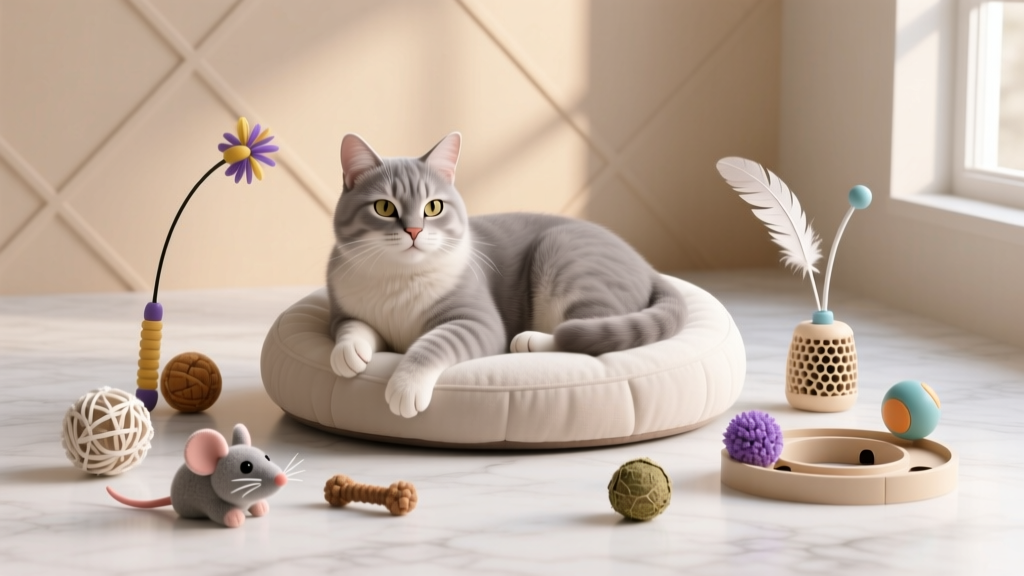
Avoid string, ribbon, rubber bands, or anything smaller than their throat. These cause intestinal obstructions requiring emergency surgery. Opt for wand toys with securely attached feathers, crinkle balls made of food-grade paper, or interactive puzzle feeders filled with kibble. Rotate toys weekly to maintain novelty — boredom triggers destructive scratching and over-grooming.
Common Myths About Two-Month-Old Kittens
Myth #1: “They’re old enough to go outside for fresh air.”
False — outdoor exposure before full vaccination (16 weeks) carries extreme risk. Even a backyard visit exposes kittens to parvovirus-laden soil, coyotes, cars, and toxic plants. Keep them indoors until fully vaccinated and microchipped — then introduce outdoors only on a harness, supervised.
Myth #2: “If they’re eating and pooping, they’re fine.”
Dangerously misleading. Kittens compensate for illness until they’re critically compromised. A 10% dehydration level — barely noticeable visually — can cause acute kidney injury. Always assess gum moisture, capillary refill time (<2 sec), and respiratory rate (20–30 breaths/min at rest) — not just appetite.
Related Topics (Internal Link Suggestions)
- Signs of kitten illness — suggested anchor text: "early warning signs your kitten is sick"
- Kitten vaccination schedule — suggested anchor text: "complete kitten vaccine timeline by age"
- Best kitten food brands vet-approved — suggested anchor text: "top vet-recommended kitten foods for growth"
- How to stop kitten biting — suggested anchor text: "gentle methods to stop kitten biting hands"
- Introducing kitten to dogs — suggested anchor text: "safe step-by-step dog-kitten introduction guide"
Your Next Step: Book That Vet Visit — Today
You now hold actionable, vet-validated knowledge — but knowledge without implementation won’t protect your kitten. The single most impactful thing you can do in the next 24 hours is call your veterinarian and schedule a wellness exam *before* symptoms appear. Mention you have a two-month-old kitten — ask specifically about fecal testing, weight-based deworming, and FVRCP scheduling. Bring a fresh stool sample (collected within 12 hours) in a sealed container. While you wait, print this care timeline table and tape it to your fridge. Every action you take this week compounds into decades of health — and every delay compounds risk. You didn’t adopt a pet. You assumed stewardship over a life that depends entirely on your informed choices. Now go make them count.