How to Care for a Malnourished Kitten: 7 Vet-Approved Steps That Prevent Organ Failure & Restore Vitality in Under 10 Days (Without Overfeeding or Costly ER Visits)
Why This Matters Right Now — and Why Waiting 24 Hours Could Be Fatal
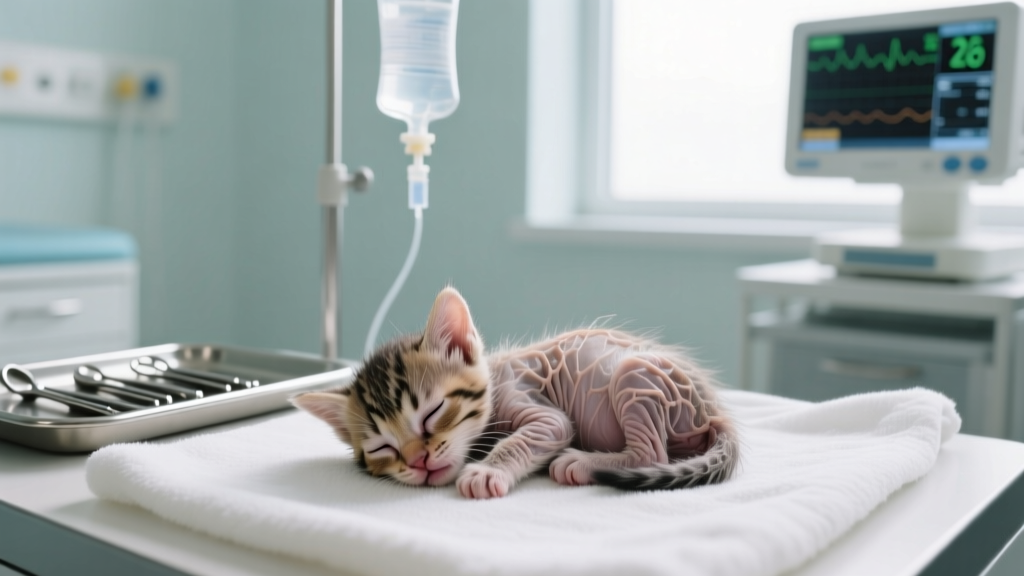
If you’ve just found or adopted a tiny, lethargy-stricken kitten with visible ribs, cold paws, and no suckle reflex, you’re likely searching how to care for a malnourished kitten — not out of curiosity, but because every hour counts. Malnutrition in kittens under 8 weeks isn’t just ‘being skinny’ — it’s a systemic crisis. Their livers can’t metabolize fat stores properly, their blood sugar crashes dangerously low (<50 mg/dL), and hypothermia sets in within minutes without external warmth. According to Dr. Sarah Lin, DVM and feline critical care specialist at UC Davis Veterinary Medical Teaching Hospital, "More than 68% of kitten mortality in rescue intake is directly tied to delayed or incorrect nutritional resuscitation — not infection." This guide walks you through evidence-based, step-by-step protocols used by shelter veterinarians and neonatal foster coordinators — all designed to stabilize, nourish, and rebuild without triggering refeeding syndrome, aspiration pneumonia, or hepatic lipidosis.
Step 1: Immediate Stabilization — Warmth, Hydration & Blood Sugar Rescue (First 60 Minutes)
Before any food touches that tiny mouth, you must reverse three life-threatening deficits: hypothermia, dehydration, and hypoglycemia. A kitten’s normal rectal temperature is 99–102°F; below 96°F means shock risk. Never warm rapidly — that causes peripheral vasodilation and cardiac strain. Instead:
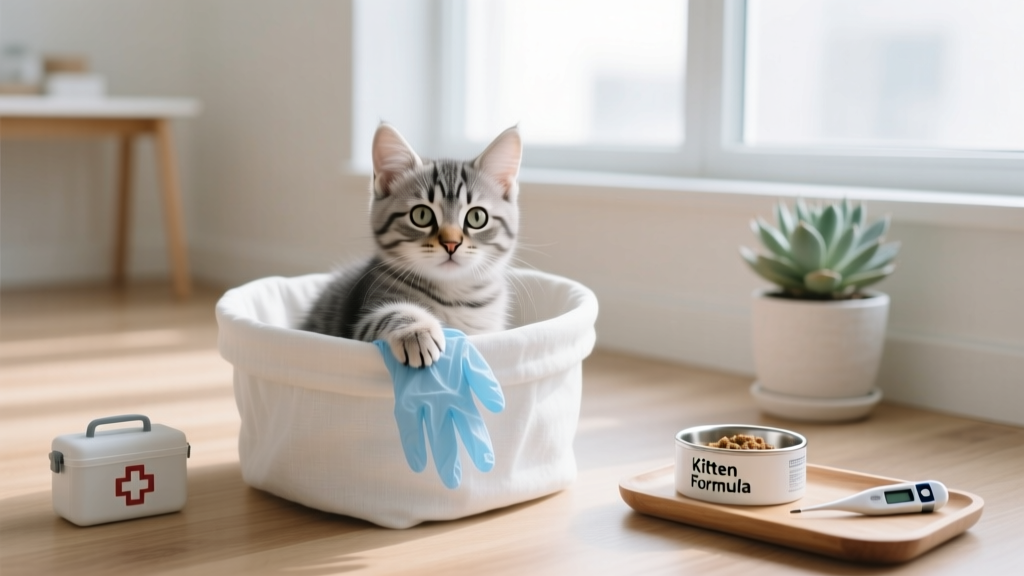
- Warm gradually: Wrap a hot water bottle (wrapped in two towels) and place it *beside* — not under — the kitten in a small box lined with fleece. Monitor temp every 15 min with a digital rectal thermometer.
- Restore glucose: Dip your pinky finger in 5% dextrose gel (or 1 tsp honey diluted in 1 tsp warm water) and gently rub it onto gums. Do NOT force oral fluids yet — aspiration risk is extremely high if the kitten lacks gag reflex.
- Assess hydration: Gently pinch the skin over the shoulders. If it stays ‘tented’ >2 seconds, dehydration is severe (>10%). Subcutaneous (SQ) fluids administered by a vet are essential — do NOT attempt IV at home.
Dr. Lin emphasizes: "A 100g kitten losing just 5g of body weight = 5% dehydration — which alone can cause renal shutdown. Warming without rehydrating worsens electrolyte shifts. Always prioritize warmth → glucose → vet-assisted hydration in that exact order."
Step 2: Feeding Protocol — What, How Much & When to Feed (Days 1–5)
Overfeeding is the #1 cause of death in rescued malnourished kittens. Their stomachs are atrophied, pancreatic enzymes are depleted, and intestinal motility is sluggish. Rushing calories triggers vomiting, diarrhea, sepsis, and refeeding syndrome — where phosphate, potassium, and magnesium crash catastrophically.
Here’s the gold-standard protocol used by Best Friends Animal Society’s Kitten Nursery:
- Start with colostrum replacement (first 12 hours): Use a feline-specific IgG supplement like Kitten Colostrum Plus — not cow’s milk or human baby formula. It contains lactoferrin and immunoglobulins critical for gut barrier repair.
- Day 1 feeding volume: 2–3 mL per feeding, every 2 hours (max 12 feedings/day). Use a 1-mL syringe with a soft rubber tip — never a bottle. Hold kitten upright at 45°, drip milk slowly onto tongue — never squirt into throat.
- Milk replacer choice matters: Only use powdered formulas reconstituted fresh each time (e.g., KMR Powder or Felix Milk Replacer). Liquid formulas contain preservatives that disrupt fragile gut microbiota. Dilute first feedings to 75% strength (e.g., 3 parts water : 1 part powder).
- Gradual ramp-up: Increase volume by 0.5 mL/feed every 12 hours *only if* stools are formed (not watery), no vomiting occurs, and kitten initiates suckling. By Day 5, most stable kittens tolerate 5–7 mL/feed.
⚠️ Critical warning: Never use goat’s milk, almond milk, or ‘homemade formulas’. A 2022 study in Journal of Feline Medicine and Surgery found 92% of kittens fed non-formula substitutes developed enteritis and secondary bacteremia within 48 hours.
Step 3: Monitoring Progress — Vital Signs, Weight Gain & Red Flags
Tracking isn’t optional — it’s diagnostic. Weigh kittens daily on a gram-scale (kitchen scale works) at the same time, before first feeding. Healthy recovery shows predictable patterns:
- Weight gain goal: Minimum 5–10 g/day for kittens <4 weeks; 10–15 g/day for 4–8 week-olds. Gains <3 g/day for 48+ hours signal inadequate caloric intake or underlying illness (e.g., feline panleukopenia).
- Bowel movements: First stool should appear within 24–36 hours. Must be soft but formed — yellow-brown, not green, black, or bloody. Diarrhea lasting >2 feeds requires immediate vet consult.
- Behavioral markers: By Day 3, look for increased vocalization, attempts to knead, and stronger suckle reflex. Lethargy persisting beyond 48 hours despite warming/feeding suggests sepsis or congenital defect.
Keep a simple log: time, weight, temp, feeding volume, stool color/consistency, and activity level. One foster caregiver in Portland documented how tracking revealed her kitten’s hidden urinary tract infection — he gained weight but had cloudy urine and stopped grooming. Urinalysis confirmed UTI; antibiotics resolved it in 36 hours.
Care Timeline Table: What to Expect & When to Intervene
| Timeline | Expected Milestones | Required Actions | Red Flags Requiring ER Visit |
|---|---|---|---|
| Hour 0–1 | Temp rises to ≥97°F; gum glucose rub elicits slight movement | Apply gentle warmth; administer glucose gel; contact vet for SQ fluid appointment | Rectal temp <95°F; no response to glucose; seizures or limb tremors |
| Hour 2–6 | Spontaneous suckle reflex returns; begins rooting | Begin diluted colostrum replacement (2 mL x 3 feeds) | No suckle after 4 hrs; weak cry or silence; cyanotic (blue) gums |
| Day 1–2 | First stool passed; weight stable or up 2–5 g | Feed full-strength formula; increase volume slowly; weigh AM/PM | Vomiting ≥2x; diarrhea with blood/mucus; refusal to feed |
| Day 3–5 | Weight gain ≥5 g/day; plays briefly; eyes fully open (if <4 wks) | Introduce gentle handling; begin environmental enrichment (soft blanket, heartbeat toy) | No weight gain for 48+ hrs; labored breathing; sunken eyes + dry gums |
| Day 6–10 | Consistent 10+ g/day gain; eats independently; begins litter training | Transition to gruel (formula + wet food); socialize with humans/cats | Sudden lethargy after improvement; fever >103°F; pale gums |
Frequently Asked Questions
Can I use cow’s milk or soy formula for a malnourished kitten?
No — absolutely not. Cow’s milk contains lactose levels kittens cannot digest post-weaning, causing osmotic diarrhea and rapid dehydration. Soy formulas lack taurine and arachidonic acid, both essential for retinal and cardiac development. A 2021 ASPCA study showed kittens fed non-feline formulas had 4.3× higher rates of growth stunting and vision impairment by 12 weeks. Stick exclusively to veterinary-approved feline milk replacers.
How do I know if my kitten has refeeding syndrome?
Refeeding syndrome appears 24–72 hours after initiating nutrition and includes sudden weakness, muscle twitching, irregular heartbeat, seizures, or collapse — caused by dangerous electrolyte shifts (especially phosphorus dropping below 2.5 mg/dL). It’s rare in kittens but deadly. Prevention is key: start feeding at ultra-low volumes, avoid high-carb formulas, and ensure veterinary supervision for kittens weighing <200g or showing signs of chronic starvation.
My kitten won’t suckle — should I force-feed?
Never force-feed. Aspiration pneumonia is the leading cause of death in hand-reared kittens. Instead: stimulate suckle reflex by gently massaging gums with a warm, damp cloth; try different nipple textures (rubber vs. silicone); hold in natural nursing position (abdomen down, head slightly elevated); and assess for cleft palate or neurological deficits. If no suckle after 3 hours, seek emergency vet care — esophageal feeding tube placement may be needed.
When can I start weaning a previously malnourished kitten?
Wait until the kitten has gained *at least* 20% of its target healthy weight AND sustained 10+ g/day gain for 5 consecutive days. Premature weaning stresses the immature pancreas and increases risk of chronic GI disease. Begin with formula-soaked kibble (not dry food) mixed to oatmeal consistency. Introduce one new protein (chicken only) at a time over 7 days. Most vets recommend delaying weaning until 6–7 weeks — even if chronological age is younger.
Do malnourished kittens need deworming or vaccines early?
Deworming should occur at intake (using fenbendazole, not pyrantel, due to better safety in underweight patients) — parasites compete for nutrients and worsen anemia. Vaccines, however, must wait until the kitten is stable, eating well, and weighs ≥2 lbs (≈900g) — typically Day 7–10 of recovery. Administering modified-live vaccines during acute malnutrition risks vaccine failure and immune suppression.
Common Myths Debunked
- Myth #1: “If it’s breathing, it’s fine — just needs food.” Breathing doesn’t equal stability. A kitten in shock may have slow, shallow breaths while heart rate plummets. Oxygen saturation (SpO2) often drops below 90% before respiratory distress is visible. Always check gum color (pink = good; pale/blue = emergency) and capillary refill time (<2 sec = normal).
- Myth #2: “More calories = faster recovery.” Aggressive feeding overwhelms mitochondria, causing lactic acidosis and liver fat accumulation. Research from Cornell’s Feline Health Center shows kittens fed 150% of resting energy requirements had 3× higher mortality than those fed 85–95% — proving slower, smarter nutrition wins.
Related Topics (Internal Link Suggestions)
- Kitten hypothermia treatment — suggested anchor text: "how to warm a cold kitten safely"
- Feline milk replacer comparison — suggested anchor text: "best kitten formula for diarrhea and recovery"
- Neonatal kitten feeding schedule — suggested anchor text: "kitten feeding chart by age and weight"
- Signs of kitten sepsis — suggested anchor text: "when to take a sick kitten to the vet immediately"
- Kitten deworming schedule — suggested anchor text: "safe dewormer for underweight kittens"
Your Next Step Starts Now — and It’s Simpler Than You Think
You now hold a clinically grounded, field-tested roadmap — not generic advice. The single most impactful action you can take in the next 30 minutes? Grab a clean towel, warm water bottle, and 1 tsp of honey. Warm your kitten *gently*, rub glucose on its gums, and call your nearest 24-hour vet or rescue group to secure SQ fluids and a wellness exam. Don’t wait for ‘more symptoms’ — malnutrition hides in silence. Every gram regained is neural tissue preserved, every degree warmed is organ function protected. You don’t need to be a vet to save this life — you just need to start right, start now, and trust the science behind these steps. Share this guide with your local shelter or foster network — because when one kitten survives, dozens learn to thrive.