Cat Coxiella: Q Fever Intracellular Bacteria
1. Introduction: Why this topic matters to cat owners
If you share your home with a cat, you’re already doing a lot to protect their health—good nutrition, routine vaccines, parasite prevention, and regular vet visits. Some infections, though, fly under the radar because they’re uncommon, hard to detect, or can involve both pets and people. One of those is Coxiella burnetii, the bacterium that causes Q fever.
Most cat owners will never deal with Q fever directly, but understanding it is still worthwhile because:
- It can cause illness in cats (sometimes subtle).
- It can be spread in ways that surprise people—especially around birthing fluids and placenta.
- It’s considered a zoonotic infection, meaning it can infect humans as well.
The goal of this guide is to help you recognize potential warning signs, reduce risk in your household, and know what to expect if your veterinarian recommends testing or treatment.
2. Overview: What is Coxiella (Q fever) in cats?
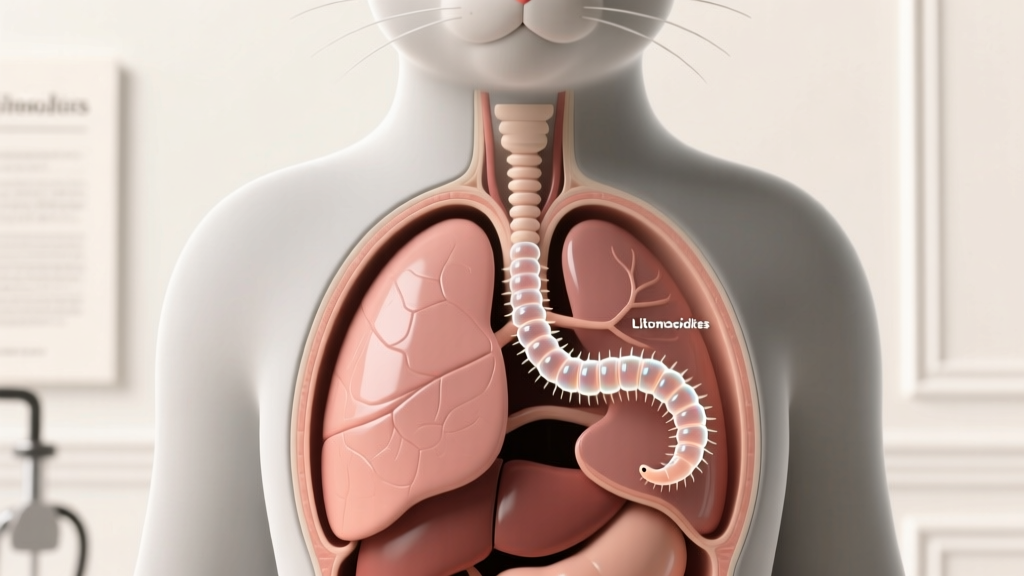
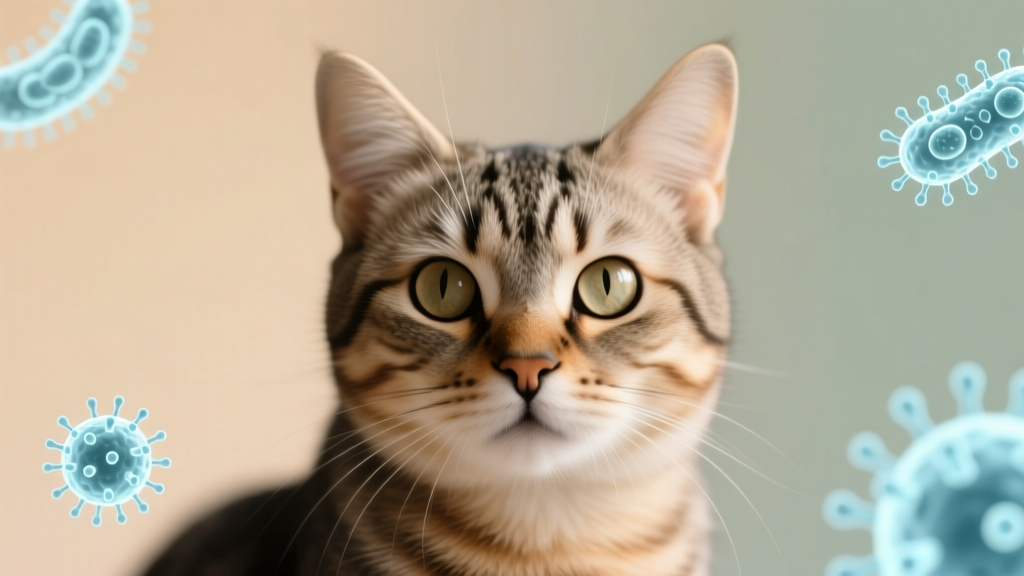
Coxiella burnetii is a type of bacteria that lives inside the body’s cells (an “intracellular” bacterium). Because it hides inside cells, the immune system can have a harder time clearing it, and treatment may require specific antibiotics for a sufficient length of time.
In many species, including cats, exposure doesn’t always lead to obvious illness. Some cats may carry the organism without showing signs. When disease does occur, it may be mild and nonspecific (fever, tiredness, reduced appetite) or related to reproductive issues such as pregnancy loss.
Q fever is more famously associated with livestock (goats, sheep, cattle). Cats may become exposed through:
- Hunting and eating infected prey
- Contact with infected ticks
- Exposure to contaminated birth products (from other animals, or from an infected cat during delivery)
Because the organism can be present in very high numbers in the placenta and birthing fluids, pregnant cats (queens), newborn kittens, and the humans caring for them are an important focus when discussing prevention.
3. Symptoms and warning signs to watch for
Signs of Coxiella infection in cats can be vague, and many cats have no obvious symptoms. When clinical signs happen, they may resemble other common illnesses. Contact your veterinarian if you notice any of the following—especially if your cat is pregnant, recently gave birth, or has had contact with farm animals or wildlife.
Possible signs in adult cats
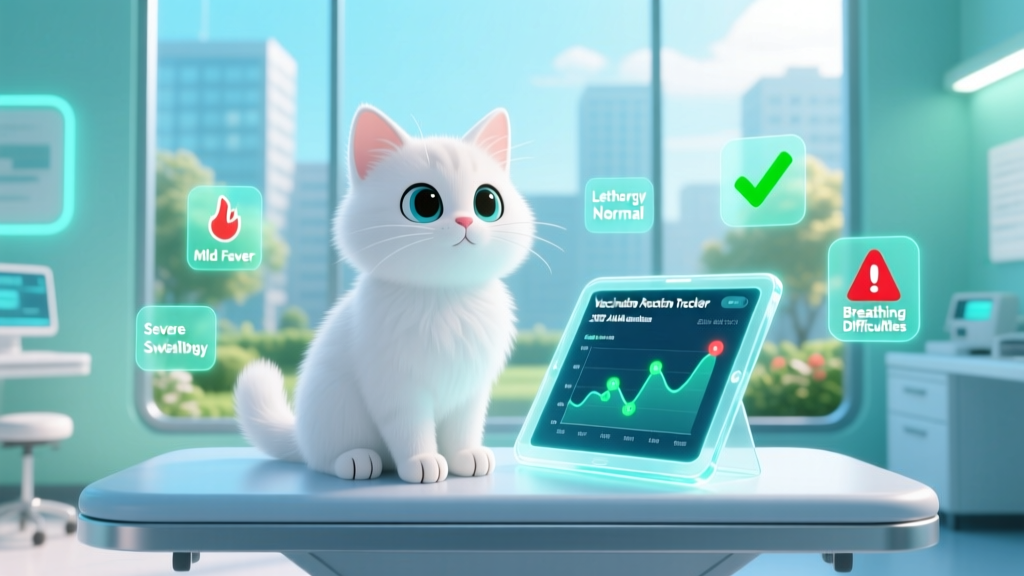
- Fever (often noticed as warm ears, seeking cool surfaces, or lethargy)
- Lethargy or hiding more than usual
- Reduced appetite or skipping meals
- Weight loss over days to weeks
- Respiratory signs (occasional coughing, rapid breathing), though this is not specific
- Digestive upset (vomiting or diarrhea) in some cases
Pregnancy and reproductive warning signs
- Miscarriage or stillborn kittens
- Weak newborn kittens or poor survival of a litter
- Abnormal vaginal discharge after delivery
- Retained placenta or signs of uterine infection (foul odor, fever, not eating)
What makes these signs “red flags”
Individually, these symptoms can be caused by many conditions—from routine viral infections to uterine infections (pyometra) or parasites. The key is context: exposure risks, pregnancy, and clusters of illness (for example, a queen with reproductive issues plus a caregiver who becomes ill) are reasons a vet may consider Coxiella on the list of possibilities.
4. Causes and risk factors
Coxiella burnetii is typically acquired through inhalation or contact with contaminated materials. The organism can survive in the environment for long periods under certain conditions, which is one reason it’s taken seriously in public health.
Common risk factors for cats
- Outdoor lifestyle (greater contact with prey, wildlife, and ticks)
- Hunting behavior (rodents, rabbits, birds)
- Tick exposure or inadequate parasite prevention
- Living near livestock or visiting farms, barns, petting zoos
- Pregnancy and birth (higher bacterial shedding may occur around delivery)
- Multi-cat environments where infectious material may be shared (rescues, shelters, breeding catteries)
Human health considerations
Because Q fever can infect people, it’s especially important to be careful if anyone in the home is:
- Pregnant
- Immunocompromised
- Living with heart valve disease or vascular grafts (higher risk of chronic complications in people)
If your cat has suspected or confirmed Coxiella infection—especially related to pregnancy—ask your veterinarian about practical steps to reduce household exposure, and consider speaking with a human healthcare provider as well.
5. Diagnosis methods and what to expect at the vet
There isn’t a single quick “yes/no” test that’s perfect in every situation. Your veterinarian will combine history, physical exam findings, and targeted testing.
What your vet will ask
- Is your cat indoor-only or indoor/outdoor?
- Any recent pregnancy, miscarriage, or delivery complications?
- Any exposure to barns, livestock, or wildlife?
- Tick prevention used consistently?
- Any sick people in the home (especially after a cat gave birth)?
Common diagnostic steps
- Physical exam (temperature, hydration, lung sounds, abdominal palpation)
- Baseline lab work:
- Complete blood count (CBC)
- Chemistry panel (organ function)
- Urinalysis
- Imaging when needed:
- X-rays or ultrasound, especially for pregnancy/reproductive issues or unexplained fever
- Specific Coxiella testing (availability varies):
- PCR testing (detects bacterial DNA in certain samples)
- Serology (antibody testing, may require paired samples over time)
- Testing of placental tissue or birth products when appropriate
What to expect during the process
If Coxiella is suspected, your vet may recommend precautions when handling samples, and may coordinate with a reference lab. Results can take time. Sometimes treatment begins based on suspicion while test results are pending—especially if the cat is ill or there are reproductive complications.
6. Treatment options (medical, surgical, home care)
Treatment depends on how sick the cat is, whether pregnancy or uterine disease is involved, and what other conditions are present. Always follow your veterinarian’s guidance—antibiotic selection and duration matter for intracellular bacteria.
Medical treatment
- Antibiotics: Your veterinarian will choose an appropriate antibiotic based on current veterinary guidance, the cat’s age and health, and pregnancy/lactation status. Treatment may need to be given for a longer course than “standard” infections.
- Supportive care:
- Fluids for dehydration
- Appetite support and anti-nausea medications if needed
- Fever and pain management when appropriate
- Treatment of secondary issues: If there is a uterine infection, pneumonia, or another complication, your vet will address those specifically.
Surgical treatment (when relevant)
- Spay (ovariohysterectomy) may be recommended if there are severe reproductive complications, recurrent pregnancy loss, uterine infection, or if eliminating future risk is a priority.
- In emergencies (such as a very ill queen with uterine infection), surgery may be lifesaving.
Home care you can do right now
- Give medications exactly as prescribed and finish the full course.
- Monitor appetite, energy, and temperature signs (ask your vet how to safely take a rectal temperature if needed).
- Keep your cat indoors during treatment to limit exposure to ticks/prey and to reduce potential spread.
- Use careful hygiene:
- Wash hands after litter box cleaning
- Wear disposable gloves when handling any bodily fluids
- Clean contaminated surfaces as directed by your vet
7. Prevention strategies and early detection tips
Prevention focuses on reducing exposure and acting quickly when risk situations occur.
Practical prevention steps
- Keep cats indoors or supervise outdoor time to reduce hunting and tick exposure.
- Use veterinarian-recommended tick control year-round if ticks are present in your region. Never use dog-only tick products on cats.
- Avoid raw diets (raw meat can carry many pathogens; while not the primary route for Coxiella, it increases infection risks overall).
- Limit contact with livestock birthing areas and avoid bringing contaminated clothing or boots into the home.
- Spay/neuter if you are not responsibly breeding with veterinary oversight; it reduces risks tied to pregnancy and birth complications.
If your cat is pregnant or giving birth
- Plan the birthing area: easy-to-clean surfaces, good ventilation, away from food prep areas.
- Use gloves when assisting with delivery or handling placentas/bedding.
- Bag and discard soiled materials promptly and clean/disinfect as advised by your vet.
- Extra caution for high-risk humans: pregnant or immunocompromised people should avoid handling birth products and contaminated bedding.
Early detection habits
- Track your cat’s normal eating and litter box routine so small changes stand out.
- Schedule a vet visit promptly for fever, lethargy, or appetite loss lasting more than 24 hours.
- If a queen has miscarriage, stillbirth, or discharge, treat it as urgent and seek veterinary care the same day.
8. Prognosis and quality of life considerations
The outlook for cats exposed to Coxiella varies. Many cats may never develop significant illness. For cats that do become sick, prognosis depends on:
- How quickly the condition is recognized and treated
- Whether complications occur (uterine infection, severe systemic illness)
- The cat’s baseline health and immune status
With timely veterinary treatment and good supportive care, many cats can recover well and return to a normal quality of life. For breeding cats or cats with repeated reproductive issues, your veterinarian may recommend spaying to protect long-term health and reduce future risk.
9. When to seek emergency veterinary care
Seek emergency care right away (ER clinic or urgent vet appointment) if your cat has any of these signs:
- Difficulty breathing, open-mouth breathing, or blue/pale gums
- Collapse, severe weakness, or unresponsiveness
- Persistent vomiting or inability to keep water down
- High fever or extreme lethargy (especially if worsening quickly)
- After giving birth:
- Foul-smelling discharge
- Heavy bleeding
- Signs of pain, fever, refusal to eat, or neglecting kittens
- Suspected miscarriage or dystocia (straining without producing kittens, distress during labor)
If there’s concern about potential human exposure (especially after handling birth products), contact your veterinarian for guidance and consider speaking with a human healthcare provider.
10. FAQ: Common questions about Cat Coxiella (Q fever)
Can my cat give me Q fever?
It’s possible, though not common in typical pet households. The highest-risk scenario is exposure to birthing fluids, placenta, and heavily soiled bedding from an infected animal. If your cat is pregnant or recently gave birth and there were complications, use gloves and hygiene precautions and talk with your veterinarian.
Do indoor-only cats get Coxiella?
It’s less likely, but not impossible. Indoor cats can be exposed through ticks brought inside on other pets or people, through contact with contaminated items, or (rarely) through certain foods. Indoor living and consistent parasite prevention greatly reduce risk.
Is there a vaccine for Q fever in cats?
There is no routine Q fever vaccine for cats used in standard companion animal practice. Prevention focuses on minimizing exposure risks, especially around ticks and birthing materials.
How is Coxiella different from other “cat respiratory infections”?
Many feline respiratory infections are caused by viruses or common bacteria and mainly affect the eyes/nose. Coxiella is an intracellular bacterium and is more associated with systemic illness (fever, lethargy) and reproductive concerns in some cases. Symptoms overlap, so veterinary testing is important.
If my cat had a miscarriage, does that mean it’s Q fever?
No. Miscarriage in cats can be caused by many issues: infections, genetic problems, uterine disease, stress, poor nutrition, toxins, and more. Coxiella is just one possible cause. A veterinarian exam and appropriate testing are the safest way to find answers and protect the queen’s health.
What should I do if my cat is sick and I’m worried about Q fever?
Schedule a veterinary visit and share relevant details: outdoor access, hunting, tick exposure, pregnancy history, and any contact with livestock. Until your appointment:
- Keep your cat indoors and separated from other pets if possible
- Practice good hand hygiene
- Avoid handling any birth products without gloves
If you’re ever unsure, your veterinarian is your best partner for personalized advice and safe next steps. For more practical cat health articles, symptom guides, and prevention tips, visit catloversbase.com.