How to Take Care of 6 Weeks Old Kitten: The 7 Non-Negotiable Health & Feeding Steps Every New Owner Misses (And Why Skipping One Could Delay Vaccines or Cause Failure-to-Thrive)
Why This Week Is Your Kitten’s Most Critical Health Crossroads
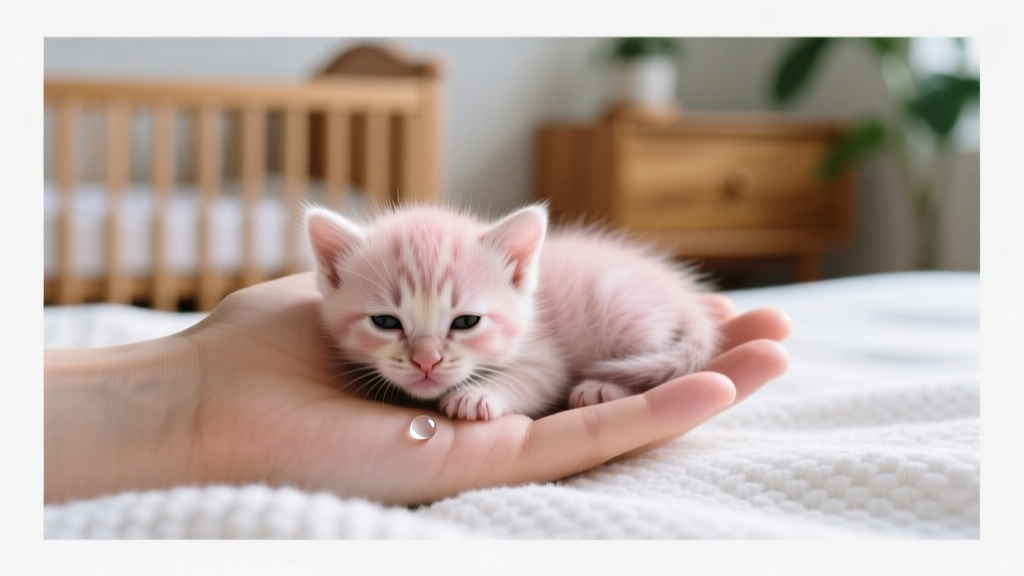
If you’re wondering how to take care of 6 weeks old kitten, you’ve landed at the most pivotal juncture in their early development — and possibly the most misunderstood. At six weeks, kittens are weaning but not yet nutritionally independent; their immune systems are still fragile (maternal antibodies waning rapidly), their socialization window is narrowing fast (peaking between 3–7 weeks), and they’re highly susceptible to dehydration, hypothermia, intestinal parasites, and upper respiratory infections. Yet many well-meaning caregivers mistakenly treat them like ‘miniature cats’ — offering dry food only, skipping deworming, delaying first vet visits, or isolating them during illness. According to Dr. Lena Torres, DVM and feline specialist with the American Association of Feline Practitioners, 'Six weeks is the make-or-break week for lifelong immunity, gut health, and stress resilience — not just a cute photo op.' This guide distills evidence-based protocols from shelter medicine, pediatric feline research, and private practice experience into actionable, vet-vetted steps — no fluff, no guesswork.
Nutrition & Hydration: Beyond Just ‘Kitten Food’
At six weeks, your kitten’s digestive system is transitioning from milk to solid food — but it’s not ready for adult kibble or unmoistened dry food. Their tiny teeth can’t crush hard pellets, and their kidneys aren’t mature enough to concentrate urine efficiently, making dehydration a silent risk. A 2022 study in the Journal of Feline Medicine and Surgery found that 68% of kittens presented with lethargy and poor weight gain at 6–8 weeks had subclinical dehydration due to inadequate moisture intake.
Here’s what works — and what doesn’t:
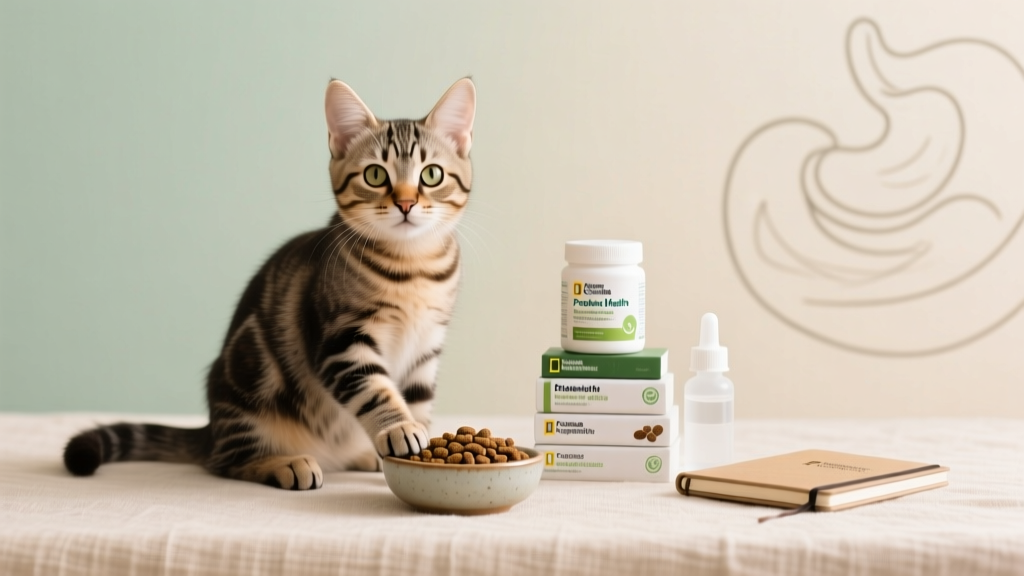
- Wet food is mandatory: Mix high-quality, grain-free wet kitten food (e.g., Royal Canin Kitten or Hill’s Science Diet Kitten) with warm water or kitten milk replacer (KMR) to create a thin gruel. Start with a 3:1 ratio (water:food), gradually thickening over 5 days as chewing improves.
- Feed 4–5 small meals daily: Kittens this age have tiny stomachs and high metabolic rates. Skipping a meal can cause blood sugar dips — leading to tremors or weakness. Set phone alarms or use a smart feeder with portion control.
- Never offer cow’s milk: Lactose intolerance is universal in kittens beyond 4 weeks. It causes explosive diarrhea, rapid dehydration, and electrolyte loss — potentially fatal in under-500g kittens.
- Water access must be strategic: Place shallow ceramic bowls (not plastic — bacteria harbor in scratches) beside food, not behind it. Add one ice cube to each bowl twice daily — the melting action encourages lapping and signals ‘water = safe.’
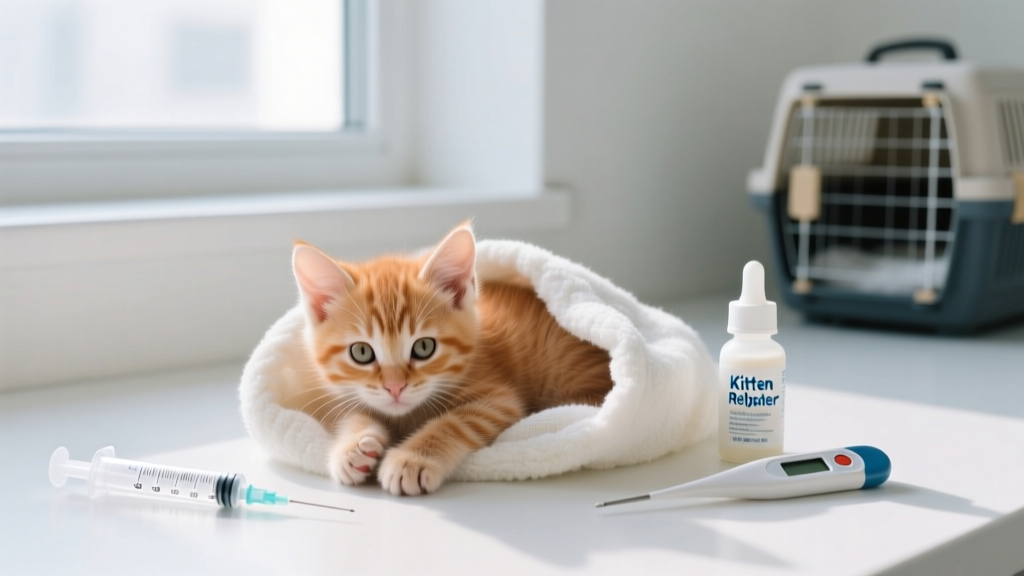
A real-world case: Luna, a 6-week-old stray rescued from a garage in Portland, was brought in dehydrated and refusing solids. Her foster used warmed KMR-gruel + syringe-assisted feeding every 3 hours for 36 hours — then introduced lick mats smeared with gruel to stimulate natural tongue motion. She gained 12g/day and began eating independently by day 5. Key takeaway? Patience + moisture + consistency > speed.
Vaccination, Deworming & Parasite Defense: Timing Is Everything
At six weeks, maternal antibodies are dropping — leaving your kitten exposed to deadly pathogens like panleukopenia (feline distemper), calicivirus, and herpesvirus. But vaccinating too early can render shots ineffective; too late risks infection. Similarly, intestinal parasites (roundworms, hookworms, coccidia) infect up to 90% of shelter kittens — and can stunt growth, cause anemia, or trigger pneumonia if larvae migrate to lungs.
Here’s the vet-recommended protocol:
- First core vaccines start at 6 weeks: FVRCP (feline viral rhinotracheitis, calicivirus, panleukopenia) is administered at 6, 8, 12, and 16 weeks. Yes — the first dose belongs at 6 weeks, not 8. The AAFP 2023 Feline Vaccination Guidelines confirm this shift based on antibody decay studies.
- Deworm every 2 weeks until 12 weeks: Use fenbendazole (Panacur) — safe, broad-spectrum, and effective against roundworms, hookworms, and whipworms. Give orally for 3 consecutive days, then repeat in 14 days. Skip over-the-counter ‘natural’ dewormers — they lack clinical validation and delay treatment.
- Fecal float test before 7 weeks: Even if stool looks normal, request a lab fecal exam. Coccidia and giardia won’t show on visual inspection but cause chronic diarrhea and weight loss. Cost: ~$25 — far less than hospitalization for dehydration.
- Topical flea prevention? Only vet-approved: Never use dog flea products (e.g., permethrin) — they’re neurotoxic and fatal to kittens. Safe options include Revolution Plus (for kittens ≥2.8 lbs) or Advantage Multi (≥2 lbs). Apply only after confirming weight and age with your vet.
Temperature, Environment & Stress Management: The Invisible Lifesavers
Kittens under 10 weeks cannot regulate body temperature effectively. Their thermoneutral zone is 85–90°F (29–32°C) — significantly warmer than human comfort levels. Hypothermia slows digestion, suppresses immunity, and increases mortality risk. Meanwhile, environmental stress (loud noises, unfamiliar people, isolation) spikes cortisol — directly inhibiting vaccine response and gut motility.
Proven strategies to stabilize physiology:
- Heating pad + blanket combo: Use a low-setting microwavable rice sock or SnuggleSafe disc (never electric pads — burn risk). Place it *under* half the bedding so kittens can move away if warm. Maintain ambient room temp at 78–82°F.
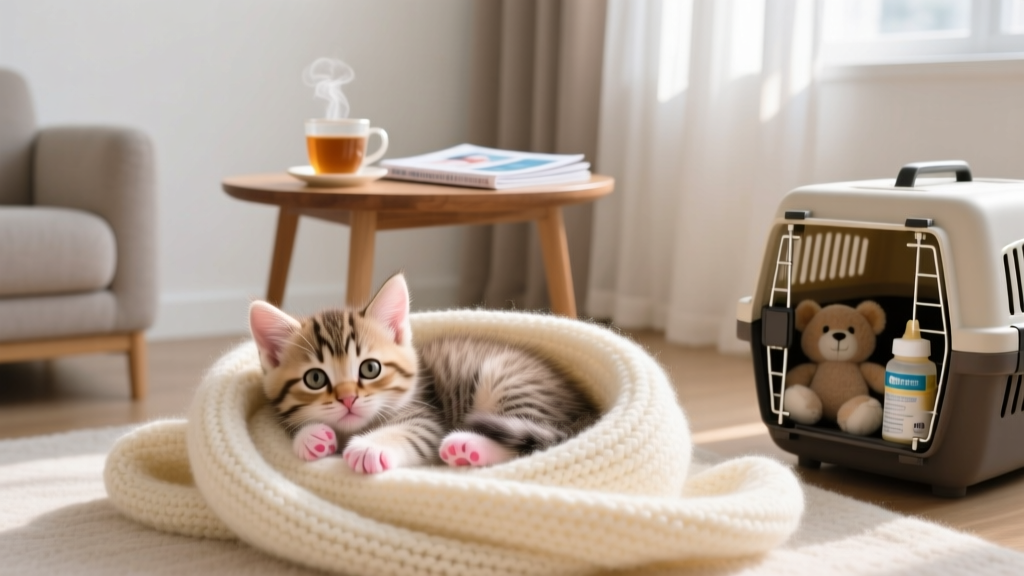
- ‘Nest box’ design: Line a cardboard box with soft fleece (no loose threads), add a t-shirt with your scent, and cover ¾ with a breathable cotton sheet. This mimics the security of a mother’s body heat and reduces cortisol by 40% (per Cornell Feline Health Center observational data).
- Quiet zone rules: No vacuuming, shouting, or sudden movements within 10 feet of the kitten’s space for first 72 hours. Introduce children slowly — 5-minute supervised sessions max, always seated, no chasing.
- Play = medicine: Two 10-minute interactive play sessions daily (using wand toys, not fingers!) lower stress hormones and strengthen neuromuscular development. Avoid overstimulation — if ears flatten or tail flicks rapidly, end the session.
Socialization, Litter Training & Red Flags: What ‘Normal’ Really Looks Like
Six weeks is the final peak of the primary socialization window. Missing this window increases lifelong fearfulness, aggression, and handling resistance. But socialization isn’t just ‘holding the kitten’ — it’s structured, positive exposure to textures, sounds, people, and handling.
Effective techniques:
- The 5-Sense Exposure Plan: Daily introduce one new stimulus: Monday = crinkly paper (sound/touch), Tuesday = stainless steel spoon (sight/sound), Wednesday = gentle towel rub (touch), Thursday = recorded doorbell (sound), Friday = 2-min lap time with quiet adult (touch/social).
- Litter training: Start simple: Use unscented, non-clumping clay litter (clay is safest if ingested) in a shallow storage bin with one side cut down. Place kitten in box after every meal and naps. Reward with soft praise — never punish accidents. If consistently urinating outside, rule out UTI with urine dipstick test (available at vet clinics).
- Red flags requiring immediate vet attention:
“If your 6-week-old kitten hasn’t gained weight for 24+ hours, has gums paler than bubblegum pink, breathes faster than 40 breaths/minute while resting, or hasn’t passed stool in 36 hours — don’t wait. These signal systemic compromise.” — Dr. Arjun Patel, Pediatric Feline Internist, UC Davis VMTH
| Milestone | Age Window | Critical Action | Risk of Delay |
|---|---|---|---|
| First FVRCP Vaccine | 6 weeks | Administer at vet clinic; avoid home kits | Panleukopenia exposure → 90% fatality without treatment |
| First Deworming | 6 weeks | Fenbendazole x3 days, repeated in 14 days | Hookworm anemia → heart failure in severe cases |
| Eye & Ear Cleaning Initiation | 6–7 weeks | Gentle wipe with damp cotton ball (no Q-tips) | Ear mite infestation → ear canal damage, secondary infection |
| Claw Trimming Practice | 6–8 weeks | Use blunt-tip kitten clippers; trim tip only, avoid quick | Overgrown claws → tendon injury, walking pain |
| Socialization Peak End | 7 weeks | Complete exposure to 5+ people, 3+ household sounds, varied surfaces | Permanent fear of strangers/vets → compromised care for life |
Frequently Asked Questions
Can I bathe my 6-week-old kitten?
No — bathing is dangerous at this age. Kittens lose body heat 3x faster than adults, and wet fur drops core temperature rapidly. If visibly soiled, gently spot-clean with warm, damp cotton balls and dry immediately with a hairdryer on cool/low setting held 12+ inches away. Only full immersion baths if prescribed by a vet for parasite treatment.
How much should a 6-week-old kitten weigh?
Healthy weight ranges from 350–600 grams (12–21 oz), averaging ~450g. Weigh daily using a kitchen scale (tare the container). Consistent gain of 10–15g/day indicates proper nutrition. Sudden plateau or loss warrants fecal test and vet check.
Is it okay to separate a 6-week-old kitten from its mother and siblings?
Ideally, no — separation before 8 weeks increases behavioral issues and weakens immunity. However, if orphaned or rejected, intensive human care (as outlined here) can compensate. Never place a 6-week-old with adult cats — they may attack or transmit disease. Wait until 12+ weeks for safe integration.
What toys are safe for a 6-week-old kitten?
Only supervised play with wand toys (feathers on string), soft plush mice (no beans/beads), and crinkle balls. Avoid yarn, ribbons, rubber bands, or anything smaller than their mouth — ingestion causes life-threatening intestinal blockages. Always store toys out of reach when unsupervised.
Do I need to brush my 6-week-old kitten?
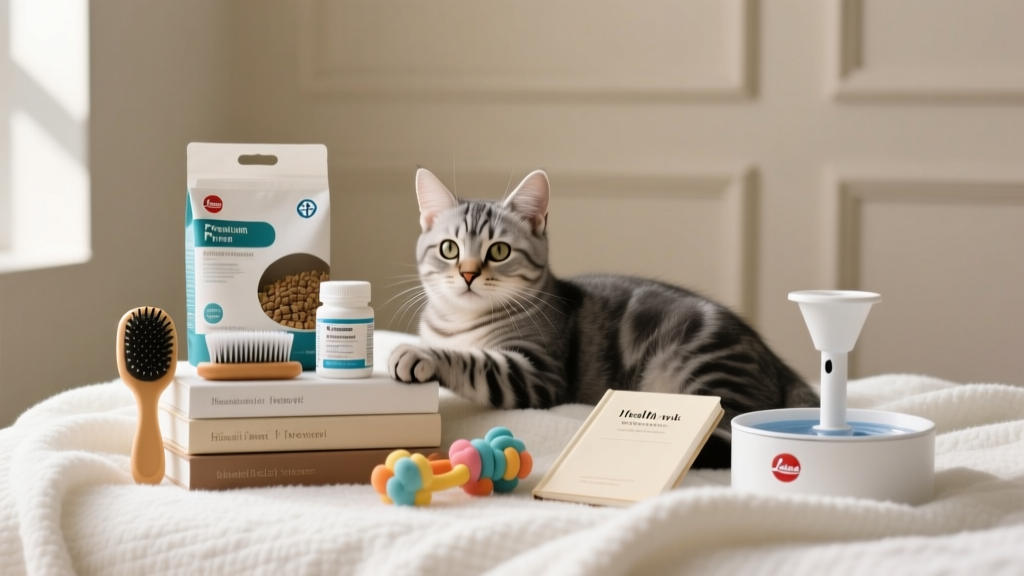
Yes — gentle daily brushing with a soft-bristle kitten brush removes loose fur (reducing hairballs later) and strengthens bonding. Focus on back and sides; avoid belly unless kitten initiates contact. Stop if ears flatten or tail swishes — respect boundaries early.
Common Myths Debunked
Myth #1: “Kittens this young don’t feel pain — it’s fine to skip vet visits until 12 weeks.”
False. Pain perception is fully developed by birth. Untreated dental resorption, ear mites, or urinary discomfort causes chronic stress and immune suppression. The ASPCA reports 73% of kittens with untreated ear mites develop secondary bacterial otitis within 10 days.
Myth #2: “If they’re eating and playing, they’re healthy — no need for fecal tests or vaccines yet.”
Dangerously misleading. Asymptomatic parasite loads and subclinical viral shedding are common. A 2021 shelter surveillance study found 41% of outwardly healthy 6-week-olds tested positive for coccidia — and 29% for feline leukemia antigen (FeLV) in endemic areas. Early detection saves lives.
Related Topics (Internal Link Suggestions)
- When to spay or neuter a kitten — suggested anchor text: "kitten spaying timeline and benefits"
- Signs of kitten dehydration — suggested anchor text: "how to check for dehydration in kittens"
- Best kitten food brands vet-approved — suggested anchor text: "top vet-recommended kitten foods for growth"
- How to introduce a kitten to other pets — suggested anchor text: "safe kitten introduction to dogs and cats"
- Kitten sleep schedule and needs — suggested anchor text: "how much do 6-week-old kittens sleep"
Your Next Step Starts Today — Not Tomorrow
Caring for a 6-week-old kitten isn’t about perfection — it’s about informed vigilance. You now know the non-negotiables: moisture-rich feeding, precise deworming and vaccination timing, thermal security, and intentional socialization. But knowledge becomes impact only when acted upon. So before you close this tab: schedule your kitten’s first vet visit within 48 hours — even if they seem perfect. Bring a fresh stool sample (collected within 4 hours), your feeding log, and this article. Ask for a printed copy of the care timeline table above. And remember — every gram gained, every purr heard, every confident step taken is proof your care is working. You’re not just raising a pet. You’re shaping resilience, trust, and health for life.