Feline Osteosarcoma: Bone Cancer in Cats vs Dogs
1. Why this topic matters for cat owners
Most cats are experts at hiding pain. A limp may come and go, your cat may sleep a little more, or they might stop jumping to a favorite perch. Those changes are easy to blame on age, arthritis, or a minor sprain. In rare cases, though, persistent bone pain can be caused by a serious condition called osteosarcoma, a type of bone cancer.
Osteosarcoma is much more common in dogs than cats, and that difference can lead to confusion when owners search online. Understanding how bone cancer behaves in cats—how it looks, how it’s diagnosed, and how it’s treated—helps you advocate for your cat and seek care early if something doesn’t seem right.
2. Overview: What is osteosarcoma (in plain language)?
Osteosarcoma (OSA) is a malignant (cancerous) tumor that develops from cells involved in forming bone. As it grows, it can weaken normal bone and cause pain, inflammation, and sometimes fractures. Osteosarcoma can arise in:
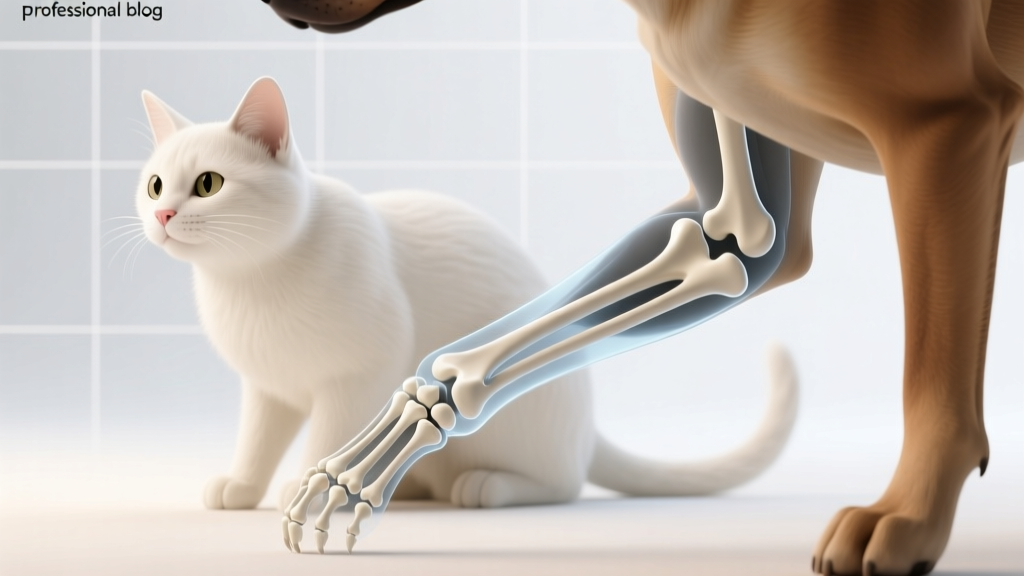
- Long bones (legs): femur (thigh), tibia (shin), humerus (upper front leg)
- Flat bones: skull, jaw, ribs, pelvis
- Spine (less common)
Cats vs dogs: what’s different?
- Frequency: Osteosarcoma is uncommon in cats, but it’s one of the more common primary bone tumors when bone cancer does occur.
- Spread (metastasis): Dogs often develop early spread to the lungs and other sites. In cats, osteosarcoma tends to be less likely to metastasize compared with dogs, though it can still spread.
- Outcome: Because cats often have slower metastatic behavior, local control (treating the primary tumor) can provide meaningful time and comfort for many patients.
- Treatment approach: Dogs often need a combination of surgery plus chemotherapy due to higher metastatic risk. Cats may do well with surgery alone in certain cases, but treatment should always be individualized.
Even with these differences, osteosarcoma is still cancer. Early veterinary evaluation is the safest path if your cat has persistent lameness, swelling, or unexplained pain.
3. Symptoms and warning signs to watch for
Signs can vary depending on which bone is affected and how advanced the tumor is. Many symptoms overlap with injuries, arthritis, dental disease, or other common conditions—so the pattern (persistent or worsening) matters.
Common signs of osteosarcoma in cats
- Lameness or limping that persists or worsens over days to weeks
- Pain when touched over a limb, back, jaw, or pelvis
- Swelling or a firm lump over a bone
- Reduced activity, hiding more, sleeping more than usual
- Reluctance to jump up or down (often mistaken for aging)
- Changes in appetite (especially with jaw involvement)
- Weight loss over time
- Behavior changes: irritability, sensitivity, avoiding being picked up
If the jaw or skull is involved
- Drooling, bad breath, oral bleeding
- Difficulty chewing, dropping food, pawing at the mouth
- Facial swelling or asymmetry
Practical tip you can do today
- Start a simple “mobility log.” Note which limb seems sore, when limping happens, appetite changes, and what activities your cat avoids. Video clips of the limp can be extremely helpful for your veterinarian.
4. Causes and risk factors
In many cats, a single clear cause isn’t found. Osteosarcoma usually develops due to a mix of genetics, cell damage over time, and factors that are not fully understood. That said, veterinarians do recognize patterns and possible risk factors.
Possible risk factors
- Age: More common in middle-aged to older cats, though it can occur at any age
- Previous injury or chronic bone change: Prior fractures or chronic inflammation may be associated in some cases
- Injection-site sarcomas: In cats, some cancers can develop at injection sites (more commonly soft tissue sarcomas than osteosarcoma). Rarely, bone involvement near an injection site has been reported.
- Size and breed: Dogs show a strong link with large/giant breeds. Cats don’t have as clear of a size/breed pattern.
If you suspect pain or swelling, focusing on prompt evaluation is more useful than trying to pinpoint a cause at home. Your vet’s job is to rule out the many more common (and often treatable) reasons for bone pain.
5. Diagnosis: Methods and what to expect at the vet
Diagnosing osteosarcoma takes a step-by-step approach. Your veterinarian will aim to confirm what’s happening in the bone, determine whether it has spread, and evaluate whether your cat is healthy enough for treatment.
Typical diagnostic steps
- Physical exam and pain assessment: The vet checks for swelling, heat, range of motion, and pinpoint pain.
- X-rays (radiographs): Often the first major clue. Osteosarcoma can create a mix of bone destruction and abnormal new bone growth.
- Advanced imaging (CT or MRI):
- CT is especially helpful for skull/jaw tumors and surgical planning.
- MRI may be used for certain locations (spine/soft tissue detail).
- Sampling the tumor:
- Fine needle aspirate (FNA) may be attempted but can be inconclusive for bone tumors.
- Biopsy (taking a small tissue piece) is often needed for a definite diagnosis.
- Staging tests (checking spread):
- Chest X-rays (lungs are a common metastatic site)
- Abdominal ultrasound if indicated
- Bloodwork and urinalysis to assess overall health and anesthesia safety
What to expect emotionally and financially
Hearing “bone cancer” is scary. It’s also normal to feel overwhelmed by diagnostics. If cost is a concern, tell your veterinarian early. Many clinics can prioritize the most impactful tests first (pain control, X-rays, and a plan to confirm diagnosis).
6. Treatment options (medical, surgical, and home care)
Treatment is tailored to your cat’s tumor location, overall health, and your goals—comfort, longevity, or a balance of both. Pain control is a priority at every stage.
Surgery (often the main treatment)
- Limb osteosarcoma: Amputation is commonly recommended to remove the primary tumor and eliminate severe pain from the affected bone. Many cats adapt well to three legs, especially if they are not significantly overweight and don’t have major arthritis in other limbs.
- Bone-sparing surgery: Used less commonly in cats than in dogs and depends on tumor location and surgeon experience.
- Jaw or skull tumors: Surgery may involve removing part of the jaw (mandibulectomy) or other complex procedures. Outcomes vary by tumor extent.
Medical therapy
- Pain management: This is essential and typically includes veterinarian-prescribed medications such as:
- Opioid-type pain medications
- NSAIDs (only if appropriate for your cat’s kidney/liver status and under veterinary supervision)
- Adjunct pain meds for nerve-related pain
- Chemotherapy: Because metastasis risk is generally lower in cats than dogs, chemo may be recommended case-by-case—especially if there is evidence of spread, aggressive tumor features, or high-risk location. Your veterinarian or a veterinary oncologist can walk you through expected benefits and side effects.
- Radiation therapy: Can be used for local tumor control or pain relief, particularly when surgery isn’t possible. Availability varies by region.
Home care you can start right away (while you arrange vet care)
- Limit jumping: Use pet steps or place a sturdy box/ottoman near favorite spots.
- Create a recovery-friendly area: Food, water, litter box, and bedding on one level to reduce strain.
- Use non-slip surfaces: Rugs or yoga mats help prevent falls, especially if a leg is painful.
- Do not give human pain relievers: Many are toxic to cats. Use only medications prescribed by your veterinarian.
7. Prevention strategies and early detection tips
There’s no guaranteed way to prevent osteosarcoma, but you can improve the odds of early detection and reduce secondary problems like fractures.
Early detection habits
- Monthly at-home check: Gently run your hands along limbs and jawline to feel for new lumps, swelling, or heat. Stop if your cat seems painful.
- Watch mobility, not just appetite: Subtle decreases in jumping and play can be early pain clues.
- Schedule vet visits for persistent limping: If lameness lasts more than 24–48 hours, or returns repeatedly, plan an exam.
- Keep cats lean: Healthy body weight reduces strain on joints and makes post-surgery recovery easier if treatment is needed.
Vaccination and injection-site awareness
- Vaccines are important for feline health. Ask your veterinarian about current best practices for injection location and monitoring. If you ever notice a lump at an injection site that persists or grows over several weeks, have it checked.
8. Prognosis and quality of life considerations
Prognosis depends on tumor location, whether it has spread, and how completely it can be treated. Compared with dogs, cats often have a more favorable outlook after effective local treatment, especially for limb tumors.
Quality of life questions to discuss with your vet
- Is pain well controlled? Your cat should be able to rest comfortably, eat, and move without constant distress.
- What treatment offers the best comfort quickly? Sometimes that’s surgery; sometimes it’s palliative care (comfort-focused treatment).
- How will we monitor progress? Planned rechecks, repeat imaging, and at-home observation all matter.
Signs your cat’s comfort is slipping
- Hiding constantly, growling/hissing when approached
- Not using the litter box due to pain getting in/out
- Not eating for a full day or barely eating for several days
- Rapid decline in mobility
A veterinary team can help you adjust medications, consider additional therapies, and make a compassionate plan that fits your cat and family.
9. When to seek emergency veterinary care
Some complications can become urgent quickly. Seek emergency care (or an urgent same-day appointment) if you see any of the following:
- Sudden inability to bear weight, screaming/crying in pain, or collapse
- Suspected fracture (a limb held up, abnormal angle, severe swelling)
- Labored breathing, open-mouth breathing, or extreme lethargy
- Uncontrolled bleeding from the mouth or a mass
- Not eating or drinking for 24 hours, especially combined with weakness
- Severe constipation or inability to urinate (pain and stress can worsen these)
If your cat may have a painful bone lesion, keep handling minimal, use a sturdy carrier, and transport carefully to prevent worsening pain or injury.
10. FAQ: Common questions cat owners ask
Is osteosarcoma common in cats?
No. Osteosarcoma is relatively rare in cats. When a cat has a primary bone tumor, osteosarcoma is one of the more common types diagnosed, but overall it’s still uncommon.
How is feline osteosarcoma different from canine osteosarcoma?
Dogs develop osteosarcoma more frequently and it tends to spread earlier and more aggressively. Cats often have a lower rate of metastasis, so controlling the primary tumor (often with surgery) can offer good pain relief and meaningful time for many cats.
Will my cat be okay with an amputation?
Many cats adjust very well to three legs, especially indoor cats with a stable home setup. Your veterinarian will evaluate your cat’s weight, arthritis status, heart health, and mobility before recommending surgery. Home modifications (steps, non-slip rugs, low-entry litter boxes) can make recovery smoother.
Can osteosarcoma be treated without surgery?
Sometimes. If surgery isn’t possible due to tumor location or other health concerns, options may include radiation therapy for pain control and medications for comfort. Your vet may also recommend referral to a veterinary oncologist to review all available approaches.
What are the first signs I might notice at home?
Persistent limping, reluctance to jump, localized swelling, or sensitivity when touched are common early clues. Because these can mimic minor injuries, the best rule is: if it lasts more than a day or two, or keeps coming back, schedule a veterinary exam.
Should I restrict activity if I suspect a bone tumor?
Yes—gentle activity is safer than high jumping or rough play until your vet has assessed the cause. Restricting activity can reduce the risk of a painful fracture in a weakened bone. Avoid giving any over-the-counter human medications.
If you’re worried your cat may be in pain or showing any of the warning signs above, schedule an appointment with your veterinarian as soon as possible. Early evaluation provides the widest range of treatment options and the best chance at keeping your cat comfortable.
For more cat-friendly health guides, symptom check tips, and supportive care resources, visit catloversbase.com.