Cat Persistent Right Umbilical Vein: Congenital Anomaly
1. Why This Topic Matters to Cat Owners
Most cat owners never hear the phrase “persistent right umbilical vein” until a vet mentions it after an ultrasound or bloodwork comes back abnormal. It can feel scary because it involves the liver and blood vessels—systems that do a lot of behind-the-scenes work to keep your cat healthy.
The reassuring part: many congenital (born-with) vascular anomalies can be managed well once they’re identified. Early recognition can prevent complications like poor growth, digestive upset, or toxin buildup in the bloodstream. Understanding what this condition means helps you ask the right questions, notice early warning signs, and support your cat’s quality of life.
2. Overview: What Is a Persistent Right Umbilical Vein (PRUV) in Cats?
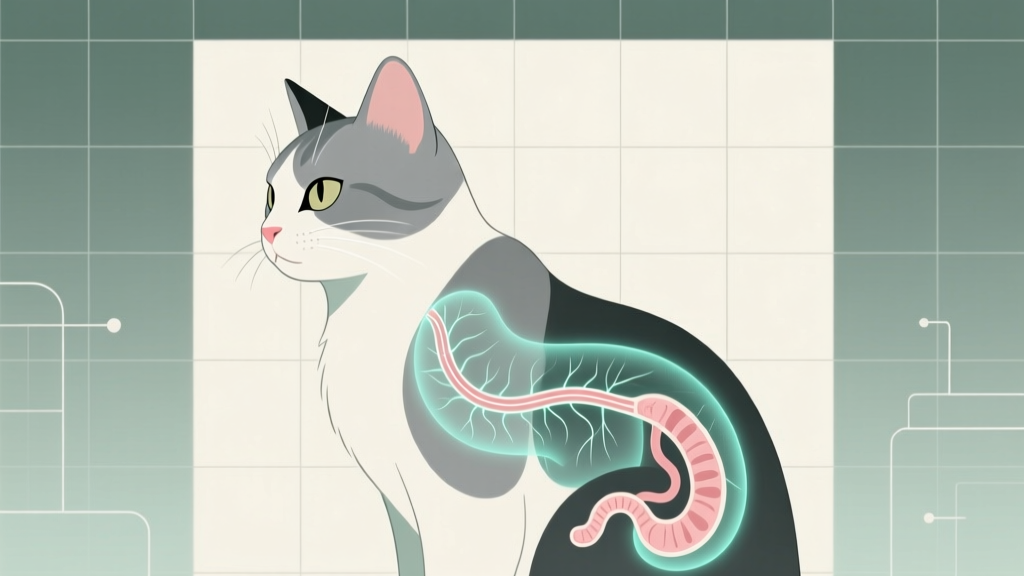
During fetal development, kittens rely on special blood vessels to carry oxygen and nutrients from the mother through the placenta. One of these vessels is the umbilical vein, which directs blood toward the liver and the heart. Normally, the left umbilical vein remains functional in the fetus, and after birth it closes and becomes a fibrous band inside the abdomen (part of what becomes the ligament system near the liver).
With a persistent right umbilical vein (PRUV), the fetal circulation develops differently: the right umbilical vein persists instead of, or in addition to, the usual pattern. This can change the way blood is routed through the liver region.
PRUV is discussed more often in human and veterinary imaging than in everyday cat care, and it may be found incidentally during an abdominal ultrasound. In some cases, PRUV is simply an anatomic variant that doesn’t cause major trouble by itself. In other cases, it may be associated with other vascular abnormalities that affect liver blood flow—most notably conditions that allow blood to “bypass” the liver’s normal filtering process.
The liver is a filter and processing plant. It:
- Detoxifies waste products from digestion
- Helps regulate blood sugar
- Produces proteins needed for clotting and fluid balance
- Supports digestion by making bile
If blood flow around the liver is altered, your cat may develop signs related to poor detoxification, poor nutrient processing, or secondary digestive and neurologic symptoms.
3. Symptoms and Warning Signs to Watch For
Some cats with PRUV have no outward signs, especially if the abnormal vessel pattern doesn’t significantly disrupt liver function. When symptoms do occur, they often overlap with signs seen in other liver and vascular conditions.
Common signs owners may notice
- Poor growth or small body size compared with littermates (more noticeable in kittens)
- Poor appetite or picky eating that worsens over time
- Intermittent vomiting or nausea
- Diarrhea or soft stools
- Low energy, reduced playfulness
- Weight loss or trouble maintaining weight
- Increased thirst and urination in some cases
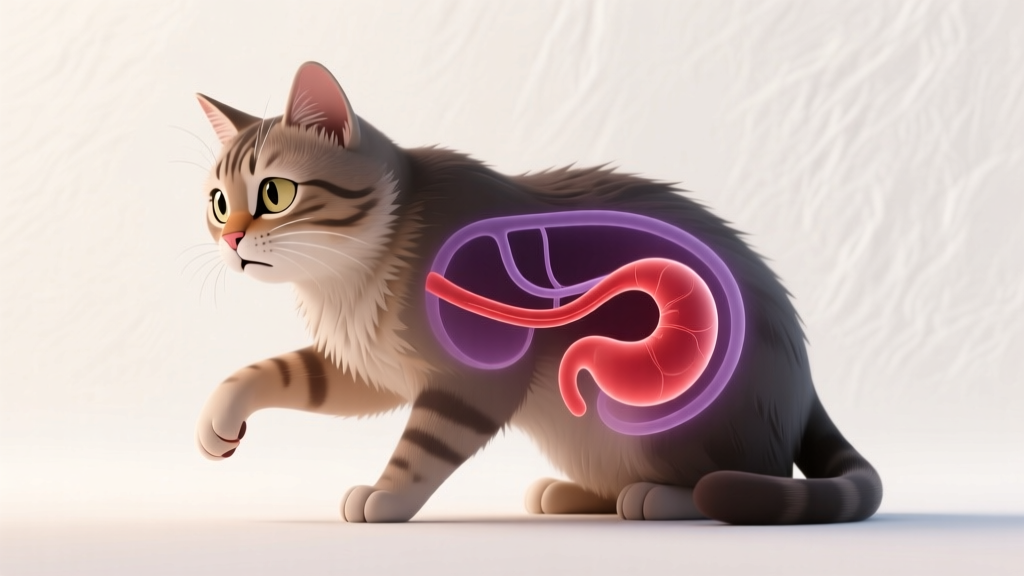
Signs that may suggest toxin buildup affecting the brain (hepatic encephalopathy)
- Staring into space, seeming “out of it”
- Wobbly walking, weakness, disorientation
- Pressing head against walls or furniture
- Behavior changes (restlessness, confusion)
- Seizures (less common, but serious)
Practical at-home tip
Keep a simple symptom log for 1–2 weeks if you’re concerned:
- Meals eaten (amount and enthusiasm)
- Vomiting/diarrhea episodes (time and frequency)
- Energy level (play, hiding, sleeping more than usual)
- Any odd behaviors (staring, wobbling, head pressing)
This information is extremely helpful to your veterinarian and can speed up diagnosis.
4. Causes and Risk Factors
PRUV is a congenital anomaly, meaning it develops before birth. It’s not caused by anything you did or didn’t do as an owner.
Likely contributors
- Developmental variation during fetal growth: Blood vessels form and regress in a precise pattern. PRUV occurs when that pattern changes.
- Possible genetic influence: Many congenital vascular conditions have a genetic component, although PRUV in cats is not as well-studied as some other anomalies.
- Association with other vascular anomalies: In some cats, PRUV may be seen alongside abnormal connections between blood vessels that affect liver perfusion.
Are certain cats more at risk?
PRUV can occur in any cat. Some congenital liver vessel conditions are reported more often in young cats (because signs show up early), but they can also be found later in life if symptoms are mild or nonspecific. Breed predispositions are better documented for some vascular liver conditions in dogs than in cats, so your veterinarian will focus more on your cat’s clinical signs and imaging results than breed alone.
5. Diagnosis: Methods and What to Expect at the Vet
Diagnosis typically involves two goals:
- Identify the abnormal vessel anatomy (confirm PRUV and look for additional vascular changes)
- Assess how well the liver is functioning and whether toxins are being properly processed
What your vet may do
- Physical exam: Your vet will check body condition, hydration, abdominal comfort, and neurologic status.
- Baseline bloodwork (CBC and chemistry panel): Looks for liver enzyme changes, low blood sugar, low protein, anemia, or other clues.
- Bile acids test: Measures how well the liver processes bile acids before and after a meal. Abnormal results can suggest altered blood flow to or through the liver.
- Urinalysis: Can reveal crystals or abnormal findings sometimes associated with liver vascular issues; also helps rule out other causes of increased drinking/urination.
- Abdominal ultrasound: A key test to visualize the liver and nearby vessels. A skilled sonographer may identify PRUV and evaluate portal and hepatic blood flow patterns.
Advanced imaging (if needed)
- CT angiography: A detailed scan that maps blood vessels. It can help confirm vessel anatomy and guide surgical planning if an intervention is considered.
- Specialist consultation: Your vet may refer you to an internal medicine specialist or surgeon for complex vascular anomalies.
What to ask your veterinarian
- Is PRUV the only abnormality seen, or are other vessel changes suspected?
- How is my cat’s liver function based on bile acids and bloodwork?
- Do you recommend a specialist ultrasound or CT angiography?
- What signs should I watch for at home that would change the plan?
6. Treatment Options (Medical, Surgical, Home Care)
Treatment depends on whether PRUV is causing clinical problems and whether it is associated with blood bypassing the liver. Your veterinarian will tailor a plan to your cat’s symptoms, lab values, and imaging findings.
Medical management
When liver blood flow is abnormal and toxins may build up, medical therapy often focuses on reducing toxin production and supporting the liver.
- Dietary therapy: Your vet may recommend a diet formulated for liver support. The goal is highly digestible nutrition with an appropriate protein level and quality. Never restrict protein without veterinary guidance—cats need protein, and improper restriction can cause muscle loss.
- Lactulose: A medication that helps trap ammonia in the gut and move it out through the stool, often used when neurologic signs are present or bile acids are elevated.
- Antibiotics (selected cases): Sometimes used to reduce ammonia-producing gut bacteria, based on your vet’s assessment.
- Liver support supplements: Products containing SAMe, silybin/silymarin, or vitamin E may be recommended. Use only veterinarian-approved supplements because dosing and product quality matter.
- Anti-nausea medication and appetite support: Helpful if vomiting or poor appetite is a problem.
Surgical or interventional options
PRUV itself may not always require surgery. If there is a significant abnormal vessel connection affecting liver perfusion (for example, a shunting vessel), a surgeon may consider procedures that redirect blood flow so the liver receives proper circulation.
Possible approaches vary based on anatomy and may include:
- Gradual vessel attenuation (partially closing an abnormal vessel over time using specialized devices)
- Correction of associated vascular anomalies when feasible
Your vet or specialist will discuss benefits, risks, and expected outcomes. Some cats do extremely well with the right intervention, while others are best managed medically long-term.
Home care you can start today (with veterinary guidance)
- Keep meals consistent (same diet, scheduled feeding times)
- Prevent fasting, especially in cats prone to poor appetite (ask your vet how long is “too long” without eating)
- Limit scavenging: Keep trash secured and avoid high-protein treats unless your vet approves
- Reduce stress: Stable routines and quiet resting spots can reduce GI flare-ups
- Medication routine: Use reminders so doses aren’t missed; report side effects promptly
7. Prevention Strategies and Early Detection Tips
You can’t prevent a congenital vessel anomaly from occurring, but you can reduce the risk of complications by catching concerns early.
Early detection tips
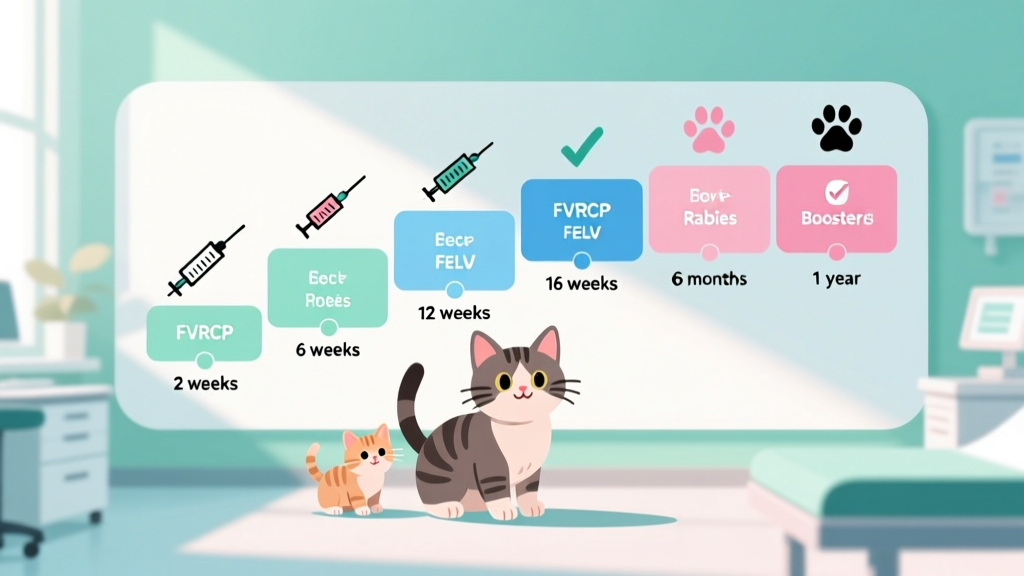
- Schedule kitten wellness exams and don’t skip recommended lab work if your vet suggests it
- Pay attention to growth: A kitten that stays noticeably smaller, struggles to gain weight, or has recurrent GI upset deserves a workup
- Track vomiting frequency: “Hairballs” should not be frequent. Recurrent vomiting is a reason to see your vet.
- Watch for post-meal odd behavior: Some cats with toxin-related neurologic signs seem worse after eating
- Do routine wellness bloodwork for adult cats as recommended, especially if your cat has chronic digestive issues or poor body condition
8. Prognosis and Quality of Life Considerations
Prognosis varies depending on:
- Whether PRUV is an isolated anatomic finding or part of a more complex vascular issue
- How strongly liver function is affected
- How early the condition is diagnosed and managed
- Your cat’s response to diet and medications (and whether a procedure is recommended)
Many cats can have a good quality of life with a thoughtful plan. Owners often report that once the right diet and medications are in place, their cat has better appetite, fewer stomach upsets, and improved energy. Regular monitoring matters because needs can change with age, growth, and other health conditions.
Quality of life checkpoints for owners
- Is your cat eating reliably and maintaining weight?
- Are vomiting/diarrhea episodes decreasing?
- Is your cat alert and interacting normally?
- Are litter box habits stable?
If any of these slide backward, contact your veterinarian promptly—small adjustments can make a big difference.
9. When to Seek Emergency Veterinary Care
Seek urgent veterinary care (same day/emergency) if you notice:
- Seizures, collapse, or severe disorientation
- Head pressing, inability to walk normally, or sudden severe wobbliness
- Repeated vomiting or inability to keep water down
- Refusing all food for more than 24 hours (or sooner for kittens)
- Extreme lethargy or unresponsiveness
- Signs of dehydration (sunken eyes, tacky gums) or pale gums
If your cat has a known or suspected liver/vascular condition and develops neurologic signs, don’t “wait and see.” Prompt treatment can prevent worsening toxin effects and stabilize your cat faster.
10. FAQ: Persistent Right Umbilical Vein in Cats
Can a cat live a normal life with PRUV?
Many cats can live comfortably, especially if PRUV is mild or discovered incidentally. If PRUV is associated with abnormal liver blood flow, your cat may need diet changes, medication, and periodic monitoring. Your veterinarian can help define what “normal” looks like for your individual cat.
Is PRUV the same thing as a liver shunt?
Not necessarily. PRUV describes an abnormal persistence of a fetal vessel pattern. A “shunt” usually refers to blood bypassing the liver through an abnormal vessel connection. PRUV may be seen alongside shunting-type problems, but they are not identical terms. Imaging and liver function tests help clarify what’s going on.
What tests are most helpful for diagnosing this condition?
Veterinarians often start with bloodwork and a bile acids test, then use abdominal ultrasound to evaluate liver structure and vessel anatomy. If surgical planning is on the table or ultrasound findings are unclear, CT angiography can provide a detailed vessel map.
Will my cat need surgery?
Some cats do well with medical management alone. Surgery or interventional treatment is considered when there’s a significant abnormal vessel connection affecting liver function and when imaging suggests correction is likely to help. Your vet or a specialist will weigh the benefits and risks for your cat.
What should I feed my cat if PRUV is suspected?
Don’t switch to a “low-protein” plan on your own. Cats require protein, and the wrong diet can cause muscle loss or other issues. Ask your veterinarian about a liver-support diet or a tailored nutrition plan based on your cat’s lab results and symptoms.
How often will my cat need rechecks?
That depends on severity and treatment. Many cats need rechecks after starting a new diet/medication plan (often within weeks), then periodic monitoring every few months to annually. Your veterinarian may recommend repeat bile acids testing, bloodwork, or imaging to track progress.
If you suspect your cat may have a congenital vascular or liver-related issue, schedule a veterinary visit for a thorough assessment. With the right diagnosis and support plan, many cats do very well.
For more caring, practical cat health guidance, visit catloversbase.com and explore our growing library of feline wellness resources.