How to Take Care of Rescued Kitten: The First 72 Hours That Save Lives (Veterinarian-Approved Protocol You Can’t Skip)
Why the First 72 Hours Decide Everything
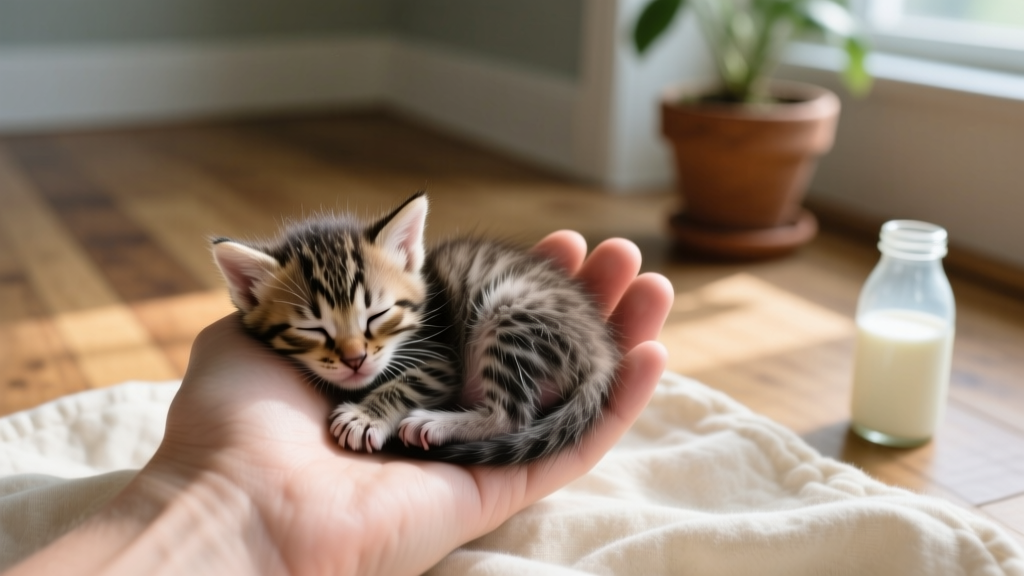
If you’ve just brought home a shivering, underweight, or visibly frightened kitten—whether found in a storm drain, abandoned in a cardboard box, or surrendered by an overwhelmed owner—you’re holding more than a pet. You’re holding a fragile life with a narrow window for intervention. How to take care of rescued kitten isn’t about cute Instagram moments—it’s about stabilizing physiology, preventing sepsis, avoiding fatal hypoglycemia, and building neurological resilience during the most vulnerable developmental phase. According to Dr. Sarah Wooten, DVM and veterinary advisor to the American Humane Association, "Over 60% of kitten mortality in rescue settings occurs within the first three days—not from lack of love, but from missed medical triage." This guide distills field-tested protocols used by top-tier shelters like the San Francisco SPCA and Best Friends Animal Society into actionable, compassionate steps you can implement tonight.
Step One: Stabilize Before You Feed
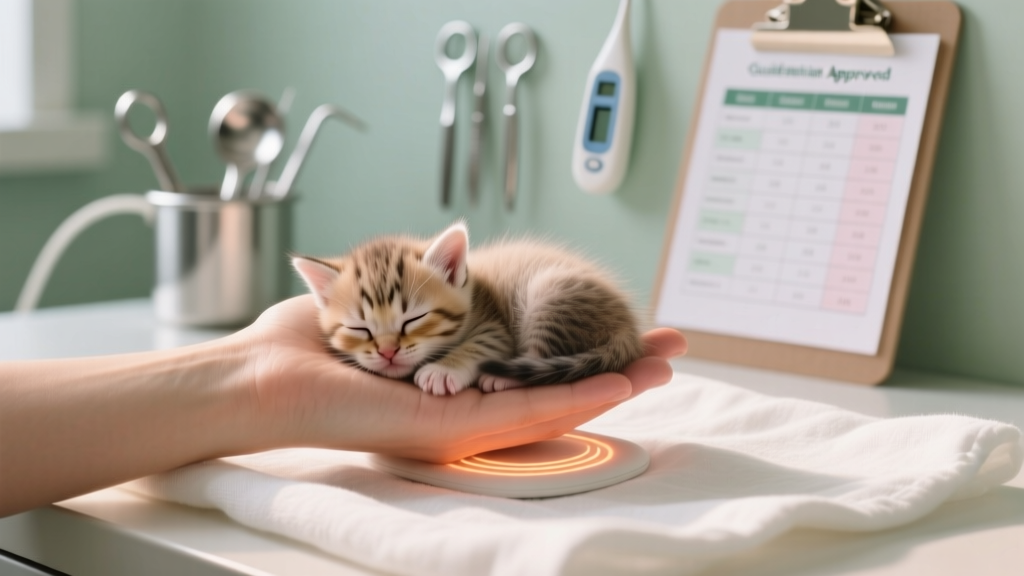
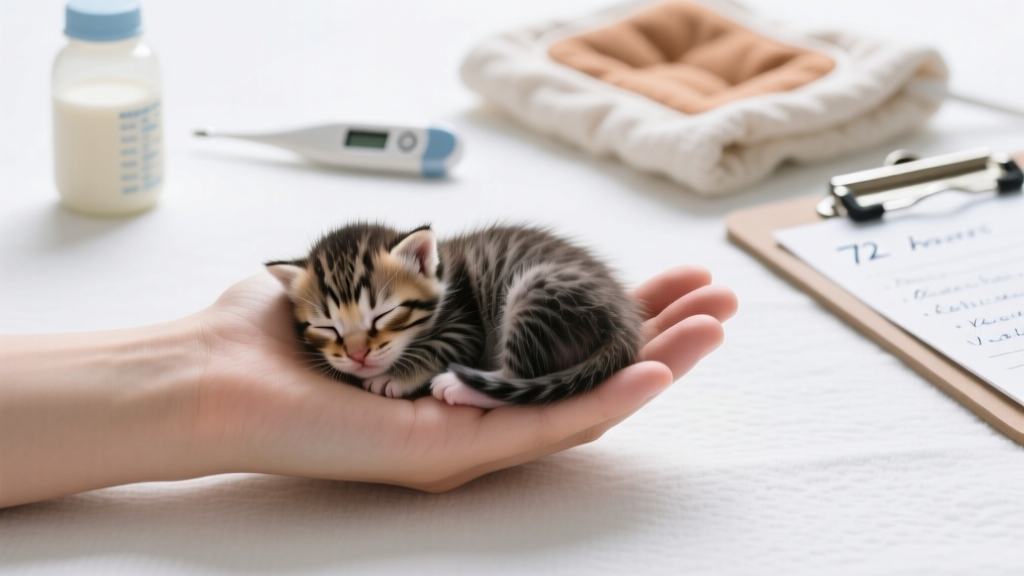
Contrary to instinct, your first priority isn’t food—it’s thermoregulation and glucose support. Neonatal kittens (under 4 weeks) cannot shiver effectively and lose body heat 3x faster than adults. A rectal temperature below 96°F signals imminent hypothermic shock—and feeding cold formula risks aspiration pneumonia or ileus. Here’s what to do:
- Warm gradually: Wrap a hot water bottle (wrapped in two towels) beside—not under—the kitten in a small, draft-free box. Never use heating pads (risk of burns) or direct heat lamps.
- Check temp & glucose: Use a digital rectal thermometer (lubricated with KY jelly). If temp is <96°F, rub a tiny drop of honey or corn syrup on gums (not swallowed) to raise blood sugar while warming. Do NOT force-feed until temp reaches ≥99°F.
- Hydrate first: Offer unflavored Pedialyte (room temp) via syringe (0.1–0.3 mL every 15 min) before introducing formula. Dehydration impairs nutrient absorption and worsens hypoglycemia.
A real-world case: In 2023, Portland’s Cat Adoption Team reported a 42% reduction in neonatal deaths after implementing mandatory temp/glucose checks before feeding—proving that slowing down saves lives.
Parasite Control & Disease Screening: Don’t Guess—Test and Treat
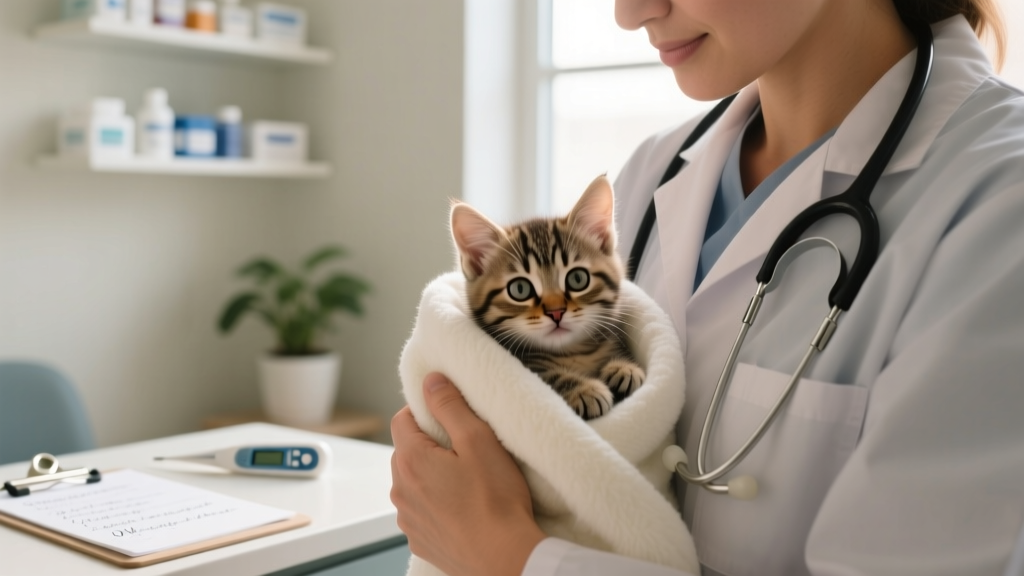
Rescued kittens carry hidden threats: roundworms (found in >80% of strays per Cornell Feline Health Center), coccidia (causing lethal diarrhea), fleas (triggering anemia), and upper respiratory infections (URI) caused by calicivirus or herpesvirus. Skipping diagnostics risks cascading illness.
What to do within 24 hours:
- Fecal float + Giardia ELISA test: Even asymptomatic kittens shed parasites. Treat empirically for roundworms (pyrantel pamoate) and coccidia (ponazuril) only after confirming diagnosis—overuse breeds resistance.
- FVRCP vaccine timing: Wait until ≥6 weeks AND weight ≥2 lbs. Vaccinating too early fails due to maternal antibody interference; too late invites fatal infection. “I see kittens die every month from premature vaccination,” says Dr. Lena Chen, shelter medicine specialist at UC Davis. “Weight and age matter more than calendar dates.”
- Feline leukemia (FeLV) & FIV testing: Run SNAP tests—but know their limits. Kittens under 6 months may show false positives due to maternal antibodies. Confirm with IFA or PCR if positive.
Also: Flea comb daily (use fine-tooth metal comb over white paper—look for black specks that turn red when wet = flea dirt). Never use dog flea products—they contain permethrin, which is lethal to cats.
Nutrition & Feeding: Precision Over Preference
Generic “kitten milk” from grocery stores lacks taurine, arginine, and proper fat ratios—and causes failure-to-thrive in 7 out of 10 cases (ASPCA Shelter Medicine Survey, 2022). Formula choice is non-negotiable:
- Best option: KMR Powder (mixed fresh daily) or Just Born Liquid. Both meet AAFCO standards for neonates.
- Never use: Cow’s milk (lactose intolerance causes explosive diarrhea), human baby formula (wrong protein/fat ratio), or homemade recipes (nutrient imbalances cause seizures or blindness).
- Feeding technique: Hold kitten upright (like a football), not on back. Angle nipple downward to prevent aspiration. Feed every 2–3 hours for neonates (<2 wks); every 4 hours for 2–4 wks. Track intake: 13 mL/100g body weight/day minimum.
Pro tip: Weigh daily on a gram-scale. A healthy kitten gains 10–15g/day. No gain—or loss—for 24 hours? That’s your red flag to call a vet immediately.
Socialization & Stress Mitigation: Building Trust Without Trauma
The sensitive period for socialization closes at 7 weeks. Miss it, and even loving care may not overcome fear-based aggression. But forcing interaction backfires—kittens interpret restraint as predation.
Instead, use the Three-Tier Calming Framework:
- Environmental Safety: Keep in one quiet room (no dogs, toddlers, or loud appliances). Use covered carriers as dens—not open beds. Play soft classical music (studies show reduced cortisol in shelter kittens).
- Gentle Exposure: Sit nearby reading aloud (voice familiarity builds security). Offer treats (KMR on finger) without making eye contact. Let kitten approach you.
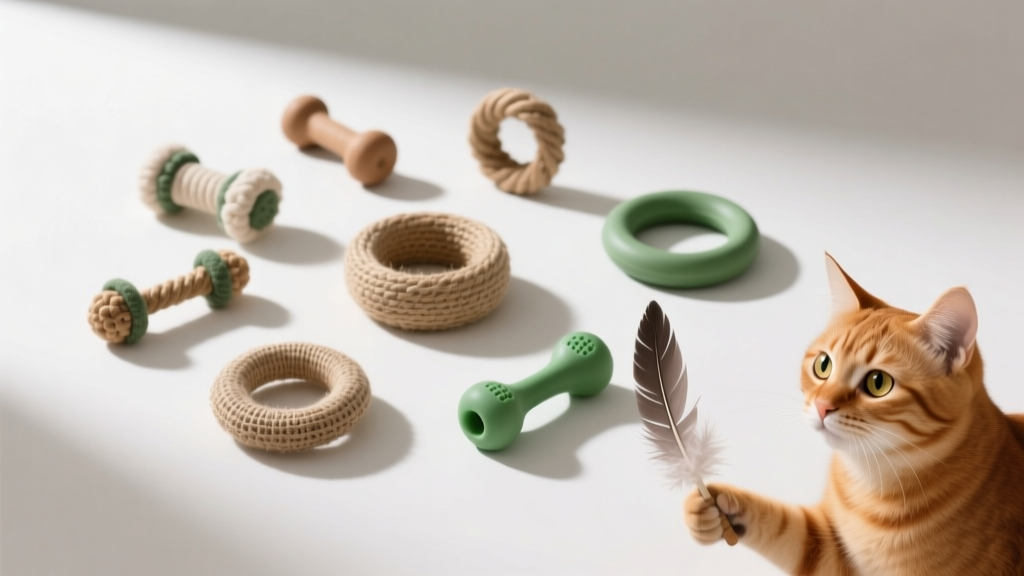
- Play-Based Bonding: Use wand toys (never hands!) for 5-min sessions 3x/day. Mimics hunting sequence: stalk → pounce → bite → release. Ends with a treat—reinforcing calm after excitement.
Case study: A 2021 University of Bristol trial showed kittens exposed to this framework for 10 days pre-adoption were 3.2x more likely to be adopted within 72 hours and showed 68% fewer stress-related behaviors (hiding, hissing, freezing) at 6 months.
| Age Range | Critical Actions | Red Flags | Vet Visit Timing |
|---|---|---|---|
| 0–2 weeks | Stabilize temp & glucose; feed every 2–3 hrs; stimulate urination/defecation with warm damp cotton ball after each feed | No suck reflex; no urine/stool in 24 hrs; weak cry | Within 12 hours of rescue |
| 2–4 weeks | Introduce shallow litter box (non-clumping, shredded paper); begin gentle handling; start weaning prep (KMR on spoon) | Blood in stool; persistent sneezing; eyes crusted shut | At 2 weeks (parasite screen, weight check) |
| 4–7 weeks | Offer gruel (KMR + high-quality wet food); introduce play; begin litter training; schedule first FVRCP | Refusal to eat for >12 hrs; lethargy beyond napping; labored breathing | At 6 weeks (vaccines, FeLV/FIV test) |
| 7–12 weeks | Complete weaning; spay/neuter consultation; adopt-out readiness assessment; environmental enrichment (cardboard tunnels, vertical space) | Aggression toward hands; excessive grooming; hiding >80% of day | At 8 weeks (spay/neuter consult, behavioral eval) |
Frequently Asked Questions
Can I bathe a rescued kitten?
No—unless medically necessary (e.g., oil contamination). Bathing strips natural oils, drops body temperature dangerously, and causes extreme stress. Instead, gently wipe with warm, damp cloth. For fleas, use a flea comb and Dawn dish soap rinse (diluted 1:10) only if kitten is ≥4 weeks and stable.
How do I know if my rescued kitten has fading kitten syndrome?
Fading kitten syndrome isn’t a disease—it’s a cascade: lethargy, low body temp (<97°F), weak suck reflex, crying constantly or not at all, and inability to right itself when placed on side. Mortality exceeds 90% once symptoms appear. Prevention (warmth, feeding, hydration) is the only effective strategy—there is no cure once it progresses.
Should I separate a rescued kitten from my other cats?
Yes—absolutely. Quarantine for minimum 14 days in a separate room with dedicated supplies (bowls, litter, towels). Even asymptomatic kittens shed URI viruses. Test for FeLV/FIV before integration. Introduce slowly: swap scents (rub cloth on each cat), then visual access through cracked door, then supervised 5-min visits.
What if the kitten won’t eat or drink?
First, check temperature—if <99°F, warming is urgent. Then assess mouth: look for cleft palate, ulcers, or gum discoloration (pale = anemia; yellow = liver issue). Try warming formula to 100°F and offering via syringe with kitten upright. If refusal persists >4 hours, seek emergency vet care—this is never ‘just picky eating.’
Do rescued kittens need deworming even if they seem healthy?
Yes—roundworms are nearly universal in stray kittens and cause stunted growth, pot-bellied appearance, and vomiting. Treat at 2, 4, 6, and 8 weeks with pyrantel pamoate (3 mg/kg). Fecal recheck at 12 weeks confirms clearance. Skipping deworming puts your kitten—and any children or immunocompromised people in your home—at risk.
Common Myths
Myth #1: “If it’s eating, it’s fine.”
Reality: Kittens with advanced coccidiosis or early-stage URI often eat eagerly—then crash within hours. Appetite alone is meaningless without temperature, hydration, and weight trends.
Myth #2: “Motherless kittens need constant cuddling.”
Reality: Overhandling raises cortisol and suppresses immune function. Neonates need warmth and feeding—not stimulation. 10 minutes of gentle interaction 3x/day is optimal; beyond that, they need quiet sleep for neural development.
Related Topics
- Kitten vaccination schedule — suggested anchor text: "when to vaccinate rescued kitten"
- Signs of kitten dehydration — suggested anchor text: "kitten dehydration symptoms"
- How to find a low-cost spay/neuter clinic — suggested anchor text: "affordable kitten spay near me"
- Homemade kitten formula alternatives — suggested anchor text: "safe kitten milk replacer recipes"
- Rescued kitten behavior problems — suggested anchor text: "fearful rescued kitten not eating"
Your Next Step Starts Now
You now hold the knowledge that separates life-saving care from well-intentioned guesswork. But knowledge without action stays theoretical. So tonight—before bed—do just one thing: weigh your kitten on a kitchen scale, record the number, and set a reminder for tomorrow at the same time. That single data point starts your evidence-based care journey. And if you notice weight loss, lethargy, or temperature below 97°F? Call your vet or local 24-hour emergency clinic *immediately*—don’t wait for morning. Your vigilance in these first hours doesn’t just change a kitten’s life. It rewrites its entire future.