Feline Chyle Leak Post-Surgery: Thoracic Duct Injury
1) Why this topic matters to cat owners
Any surgery near a cat’s chest or neck can feel nerve-wracking, and most recoveries go smoothly. Still, there’s a rare complication that cat owners should understand because early recognition can make a real difference: a chyle leak caused by injury to the thoracic duct. Chyle is a milky lymphatic fluid that carries fat and immune cells. If it leaks into the chest after surgery, it can interfere with breathing and nutrition, and it may require additional treatment.
This article explains what a post-surgical chyle leak is, what signs to watch for at home, how veterinarians diagnose and treat it, and how you can support your cat’s recovery while staying calm and prepared.
2) Overview: What is a chyle leak and what does the thoracic duct do?
Chyle is a creamy-looking fluid produced during digestion. After a meal—especially one containing fat—chyle travels through lymphatic vessels, carrying:
- Dietary fats (in tiny packages called chylomicrons)
- Proteins and electrolytes
- White blood cells that help with immune function
The thoracic duct is the main “highway” that transports this lymphatic fluid from the abdomen and lower body up through the chest and into a large vein near the heart. It runs deep in the chest, close to the spine and major blood vessels. Because of its location, the thoracic duct can be affected by trauma, tumors, and—occasionally—by surgery in the chest area.
When the thoracic duct is torn, bruised, or inadvertently damaged, chyle can leak into surrounding spaces. The most common post-surgical issue is chylothorax, where chyle accumulates in the space around the lungs (the pleural cavity). The lungs need that space to stay “dry” and low-pressure so they can expand properly. Fluid build-up makes breathing harder, which is why monitoring your cat’s respiratory comfort after surgery is so valuable.
3) Symptoms and warning signs to watch for
Symptoms depend on how quickly chyle accumulates and how much fluid is present. Some cats show subtle changes at first, especially if the leak is small.
Breathing-related signs (most important to monitor)
- Faster breathing rate at rest or while sleeping
- Increased effort to breathe (noticeable belly movement, flared nostrils)
- Open-mouth breathing (always urgent in cats)
- Reluctance to lie down, preferring to sit upright
- Less interest in play or getting tired quickly
General recovery red flags
- Lethargy beyond what you were told to expect post-op
- Decreased appetite or refusing food
- Weight loss over days to weeks
- Vomiting or diarrhea (not specific, but worth reporting)
- Persistent cough (less common in cats, but can occur)
What you can do today: a simple at-home breathing check
- When your cat is asleep or resting, count breaths for 30 seconds and multiply by 2.
- Many relaxed cats fall around 20–30 breaths per minute, but your veterinarian can give you a target specific to your cat’s health and surgery.
- Write it down once or twice daily during recovery so you can spot trends.
4) Causes and risk factors
A post-surgical chyle leak typically happens when the thoracic duct or nearby lymphatic branches are disturbed. This is uncommon, but certain circumstances raise the risk.
Potential causes after surgery
- Direct injury to the thoracic duct during chest surgery
- Stretching or tearing of fragile lymphatic vessels while tissues are manipulated
- Inflammation or swelling that temporarily disrupts lymphatic flow
- Pressure changes in the chest that affect lymph drainage
Surgeries and situations where risk may be higher
- Procedures involving the thorax (chest cavity), including mass removal
- Surgery near the esophagus or major blood vessels
- Operations for heart or lung conditions
- Complicated surgeries with significant scar tissue or abnormal anatomy
Other medical factors (not always surgical)
Sometimes chylothorax is present for other reasons and becomes more obvious during a post-op period. Conditions that can contribute include heart disease, tumors in the chest, fungal infections, or clotting issues. Your veterinarian will keep a broad perspective during diagnosis, even if surgery is the most likely trigger.
5) Diagnosis: What to expect at the vet
If your cat shows breathing changes or your vet suspects fluid in the chest, they will focus on stabilizing breathing first and then confirming the cause.
Common diagnostic steps
- Physical exam: listening for muffled heart/lung sounds and checking gum color, hydration, and respiratory effort
- Chest imaging:
- X-rays can show fluid around the lungs
- Ultrasound can confirm and guide safe fluid removal
- CT scan may be recommended in complex cases or when surgery is being considered
- Thoracocentesis (chest tap): removing a sample of fluid from the pleural space to help your cat breathe and to test the fluid
- Fluid analysis: chyle is often milky/white, but appearance alone isn’t enough. The lab typically checks:
- Triglycerides (often higher in chylous fluid than in blood)
- Cell types (chyle commonly has many small lymphocytes, especially early on)
- Protein levels and presence of infection
- Bloodwork: to assess hydration, protein levels, inflammation, and overall surgical recovery
- Cardiac evaluation (as needed): if heart disease could be contributing
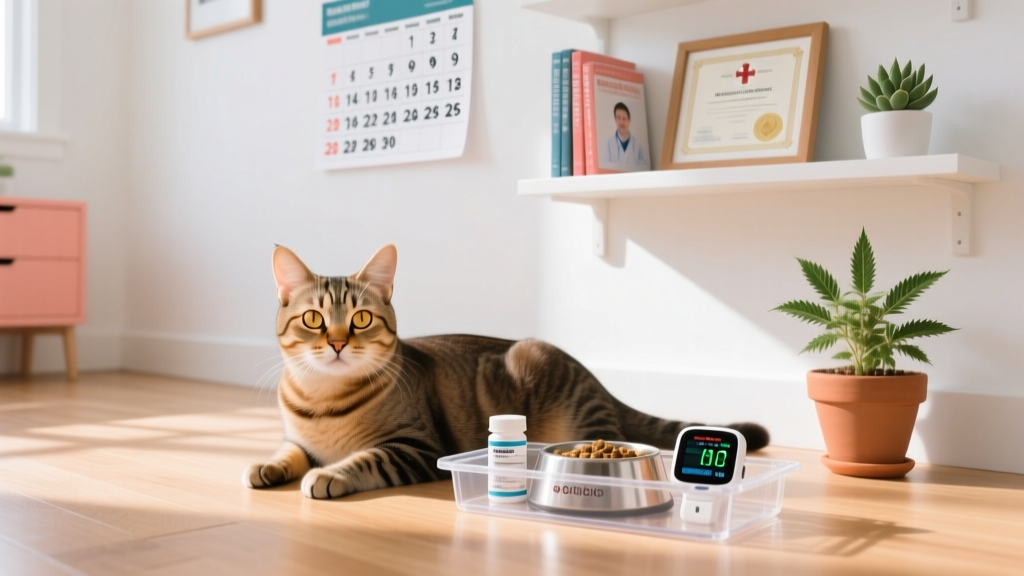
Owner tip: bring a recovery log
Bring notes on appetite, energy, medications given, and resting respiratory rate. These details help your veterinarian make faster, more confident decisions.
6) Treatment options (medical, surgical, and home care)
Treatment depends on severity, the underlying cause, and how your cat responds. Many cats need a combination approach.
Immediate supportive care
- Oxygen therapy if breathing is difficult
- Thoracocentesis to remove fluid and relieve pressure on the lungs
- Pain control and stress reduction (stress can worsen breathing effort)
Medical management
Medical therapy may be attempted first if the leak is small or expected to resolve, or while preparing for additional procedures.
- Dietary fat reduction:
- Your vet may recommend a low-fat diet to decrease chyle production.
- Use only veterinarian-approved diets—cats have specific nutritional needs, and homemade restriction can lead to deficiencies.
- Rutin (rutoside):
- Sometimes used to help the body clear pleural fluid more efficiently.
- Evidence is mixed, and dosing must be guided by a veterinarian.
- Anti-inflammatory or other medications:
- These are case-dependent, especially if inflammation or another disease process is involved.
Surgical and interventional options
If fluid repeatedly returns, your vet may refer you to a surgical specialist. Common options include:
- Thoracic duct ligation: tying off the thoracic duct to redirect lymph flow through other channels
- Cisterna chyli ablation: a procedure in the abdomen that can reduce pressure/flow through the thoracic duct and improve success rates when combined with ligation
- Pericardectomy (in select cases): removing part of the sac around the heart may help in some cats, depending on contributing factors
- Pleural access port: a device placed under the skin that allows safer, repeated fluid drainage at home or at the clinic in chronic cases
Home care: practical ways to support recovery
- Give medications exactly as prescribed; call your vet before adjusting doses.
- Keep activity restricted per your surgeon’s instructions to reduce strain during healing.
- Track daily:
- Resting respiratory rate
- Appetite and water intake
- Energy level and comfort
- Litter box habits
- Create a calm recovery area: quiet room, soft bedding, easy access to food/water/litter.
- Feed the recommended diet only and avoid fatty treats or table scraps.
- Watch the incision for swelling, discharge, or excessive licking (use an e-collar if advised).
7) Prevention strategies and early detection tips
You can’t fully prevent a thoracic duct injury if a surgery is medically necessary, but you can reduce risks and catch problems early.
- Choose an experienced surgical team, especially for complex chest procedures. Don’t hesitate to ask:
- How many similar surgeries they perform
- What complications they watch for post-op
- What aftercare monitoring they recommend at home
- Attend all recheck appointments, even if your cat seems “mostly fine.” Subtle fluid buildup can be missed without an exam.
- Measure resting respiratory rate during the first 2–3 weeks after surgery (or longer if instructed).
- Keep your cat indoors during recovery to prevent exertion or trauma.
- Report changes early: mild increases in breathing rate, appetite changes, or unusual fatigue are worth a quick call to the clinic.
8) Prognosis and quality of life considerations
The outlook varies. Some post-surgical chyle leaks resolve with time and medical management. Others become persistent and require advanced procedures.
Factors that influence prognosis
- How quickly the leak is detected and treated
- The volume of fluid and how fast it reaccumulates
- Whether there is an underlying disease (heart disease, cancer, infection)
- Nutritional status: ongoing chyle loss can lower proteins and impact immune function
- Response to surgery if surgical correction is needed
Quality of life
Many cats do very well once breathing is comfortable and the underlying cause is controlled. If recurrent drainage is needed, some cats still maintain a good quality of life with a pleural access port and consistent monitoring. Your veterinarian can help you weigh the stress of repeated clinic visits against the benefits of different treatment paths.
9) When to seek emergency veterinary care
Call an emergency clinic or go in right away if you notice any of the following:
- Open-mouth breathing or panting
- Labored breathing (obvious effort, belly heaving, neck extended)
- Blue, gray, or very pale gums
- Collapse, extreme weakness, or inability to stand
- Sudden marked increase in resting respiratory rate, especially if paired with lethargy
- Severe distress or agitation that seems linked to breathing
If your cat is struggling to breathe, keep handling minimal, keep them in a carrier with good airflow, and head in promptly. Avoid trying to force food, water, or oral medications during a breathing emergency.
10) FAQ: Common questions cat owners ask
Can a chyle leak heal on its own after surgery?
Sometimes, yes. Small leaks may seal as tissues heal, especially with rest and a veterinarian-directed low-fat diet. If fluid keeps returning or breathing is affected, your vet may recommend more aggressive treatment.
Is chylothorax contagious or caused by an infection?
Chylothorax itself is not contagious. It’s typically due to lymphatic leakage. Infections can cause chest fluid, but chyle has specific lab features that help your veterinarian distinguish it from pus, blood, or other effusions.
What does the fluid look like if it’s chyle?
Chyle is often milky white or cloudy, especially after eating. However, it can look less milky if your cat hasn’t eaten or if blood is mixed in. That’s why lab testing (like triglyceride comparison) is used for confirmation.
Will my cat need repeated chest taps?
Some cats need one or more thoracocentesis procedures while the leak resolves or while planning surgery. Your veterinarian will aim to minimize repeats, but relieving chest pressure is critical for comfort and oxygenation.
Should I change my cat’s food right away?
Only change diets under veterinary guidance. A low-fat approach can help reduce chyle production, but cats require balanced nutrition, and sudden diet changes can cause digestive upset or reduced appetite—both of which can slow recovery.
How can I tell if my cat’s breathing rate is too high?
Your veterinarian can give you the best threshold for your cat. As a general at-home monitoring tool, a consistent upward trend in resting breaths per minute, or any increase paired with visible effort, warrants a call. If you see open-mouth breathing or distress, treat it as an emergency.
If your cat has recently had surgery and something feels “off,” trust your instincts and contact your veterinary clinic. It’s always better to ask early and get reassurance (or prompt treatment) than to wait and wonder.
For more caring, practical cat health guidance and recovery tips, visit catloversbase.com and explore our growing library of feline wellness resources.