How to Take Care of the Runt Kitten: 7 Non-Negotiable Steps Vets Insist On (That Most Owners Miss in the First 72 Hours)
Why This Isn’t Just ‘Another Kitten Guide’—It’s a Lifesaving Protocol
If you’re asking how to take care of the runt kitten, you’re likely holding a fragile, trembling little body who weighs 20–40% less than siblings—and whose odds of survival drop sharply without targeted intervention. Runts aren’t just ‘smaller’; they’re physiologically compromised: weaker suck reflexes, immature thermoregulation, underdeveloped immune systems, and higher risk of fading kitten syndrome (FKS), which claims up to 15–20% of neonatal kittens in unmonitored litters (Journal of Feline Medicine and Surgery, 2022). This isn’t about cuteness—it’s about applying evidence-based neonatal care that mirrors veterinary ICU protocols. In this guide, you’ll get what shelter vets, neonatal feline specialists, and foster coordinators actually do—not what Pinterest pins suggest.
Step 1: Stabilize Temperature & Prevent Hypothermia (The #1 Killer)
Hypothermia is the silent killer of runt kittens—responsible for over 68% of early deaths in neonates under 7 days old (AVMA Feline Neonatal Guidelines, 2023). A runt’s surface-area-to-mass ratio is disproportionately high, and brown adipose tissue (their primary heat source) is underdeveloped. Their normal rectal temperature should be 95–99°F (35–37.2°C) in the first week—anything below 94°F signals immediate danger.
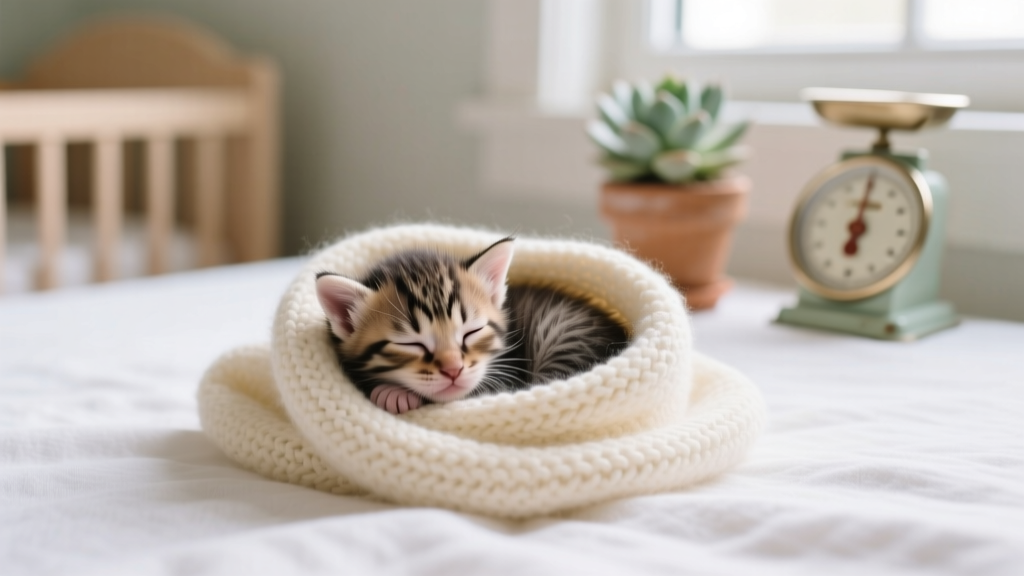
Action plan: Never use heating pads (risk of burns) or direct lamp heat (causes dehydration). Instead, create a microclimate: wrap a rice sock (1/2 cup uncooked rice in a clean sock, microwaved 30 sec, shaken well) in two layers of soft fleece, place it *beside* (not under) the kitten in a small cardboard box lined with thermal-reflective foil-backed pet bedding. Monitor every 20 minutes with a digital rectal thermometer (lubricated with water-based lube). If temp dips below 94°F, warm slowly—0.5°F per 10 minutes—to avoid shock.
Real-world example: Luna, a 36g Siamese runt rescued at 36 hours old, was found shivering with a 91.2°F temp. Her foster used the rice sock + foil-lined box method—plus skin-to-skin contact in a shirt pocket for 90 minutes—and brought her to 96.4°F within 2 hours. She gained 5g/day thereafter.
Step 2: Feeding Strategy—Frequency, Formula, and Technique That Mimics Mom
Runts often lack the stamina to nurse effectively. They fatigue after 30–60 seconds, swallow air, or aspirate due to weak gag reflexes. Cow’s milk, human baby formula, or homemade ‘kitten milk’ are dangerous—lactose intolerance causes fatal diarrhea; improper protein ratios strain immature kidneys.
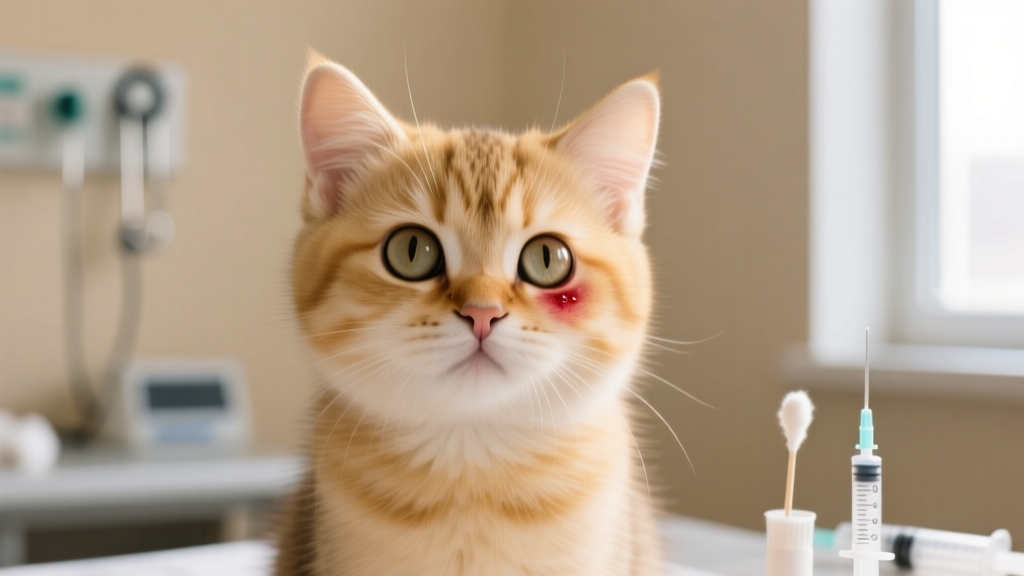
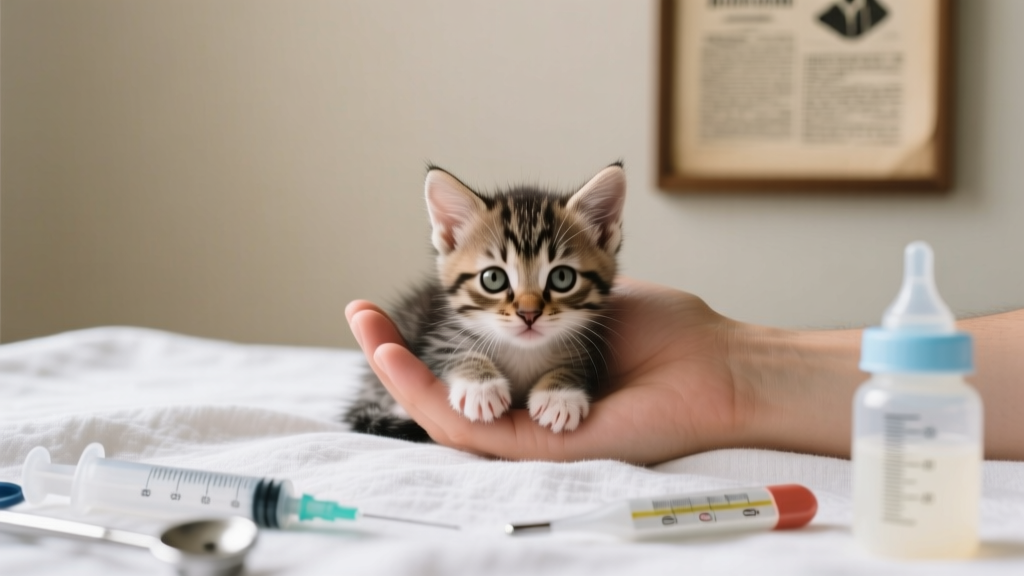
Use only commercial kitten milk replacer (KMR or Breeder’s Edge Nurture Mate)—reconstituted at exact label strength (no dilution!). Warm to 98–100°F (test on inner wrist). Feed every 2 hours—including overnight—for the first 72 hours, then every 3 hours if gaining ≥5g/day. Use a 1mL syringe with a softened 3Fr feeding tube tip (not an eyedropper—too much flow pressure) and feed *slowly*, allowing pauses for swallowing. Hold kitten upright, head slightly elevated—not on back like a human baby.
Dr. Elena Torres, DVM, DACVECC (Critical Care Specialist at UC Davis Veterinary Hospital), emphasizes: “Overfeeding is more lethal than underfeeding in runts. A 40g kitten needs only 2.4mL per feeding. Force-feeding causes aspiration pneumonia—the leading cause of death in hand-raised runts.” Track intake and output: weigh before/after each feed on a gram-scale; stool should be soft yellow, not watery or green.
Step 3: Stimulate Elimination & Monitor Output Like a Neonatal Nurse
Neonatal kittens can’t urinate or defecate without stimulation—a biological trigger from mom’s licking. Runts are especially prone to urinary retention and constipation, which rapidly leads to sepsis or renal shutdown. You must replicate this—gently and consistently.
After *every* feeding, use a warm, damp cotton ball or soft washcloth to stroke the genital and anal area in downward motions for 30–60 seconds until urine/drop appears. Urine should be pale yellow and clear; stool should be mustard-yellow and semi-formed by Day 3. No output in >4 hours? Warm abdomen with palm for 2 minutes, re-stimulate. Still nothing? Contact your vet immediately—this is a red-flag emergency.
Track daily: Note time, volume (estimate in drops), color, and consistency. A healthy runt produces urine 6–10x/day and stool 2–4x/day by Day 4. One foster mom logged outputs for 12 runts over 3 litters and found those with consistent elimination had a 92% survival rate vs. 33% for those with delayed first stool (>24h).
Step 4: Infection Vigilance & When ‘Just a Sniffle’ Means ER
Runts have IgG antibody levels ~40% lower than average kittens at birth (Frontiers in Veterinary Science, 2021). Their mucosal immunity is thin—making them hyper-susceptible to upper respiratory infections (URIs), sepsis, and coccidia. What looks like ‘sleepy behavior’ may be hypoxia; ‘slight sneeze’ could be calicivirus progressing to pneumonia in 12 hours.
Red-flag symptoms requiring *immediate* vet assessment:
- Nasal or ocular discharge (especially green/yellow)
- Open-mouth breathing or rapid respirations (>30 breaths/min at rest)
- Rectal temp >103°F OR <94°F
- No weight gain—or weight loss—for 24+ hours
- Gums pale, blue-tinged, or tacky (not moist and pink)
Vets recommend prophylactic probiotics (FortiFlora for Cats, given at 1/4 packet daily mixed in formula) to support gut-immune axis development—and warn against OTC antibiotics, which disrupt microbiome balance and mask sepsis signs.
| Age | Critical Actions | Weight Gain Target | Red Flags Requiring Vet Within 2 Hours |
|---|---|---|---|
| 0–24 hours | Stabilize temp; initiate feeding; stimulate elimination; check for cleft palate/umbilical hernia | +3–5g | No suck reflex; no urine in 4h; temp <94°F |
| 24–72 hours | Feed q2h; log all feeds/stool/urine; start probiotic; monitor for URI signs | +5–8g/day | Green discharge; lethargy >2h post-feed; refusal to latch |
| Day 4–7 | Introduce gentle massage for digestion; begin weaning prep (mix formula with wet food slurry); socialization windows open | +8–12g/day | Diarrhea >2 episodes; blood in stool; labored breathing |
| Day 8–14 | Transition to shallow dish feeding; introduce litter box with shredded paper; begin handling 2x/day for neural development | +10–15g/day | Weight loss >5g in 24h; seizures; inability to stand |
Frequently Asked Questions
Can I bottle-feed a runt kitten cow’s milk if I can’t get KMR right away?
No—cow’s milk causes severe osmotic diarrhea, dehydration, and metabolic acidosis in kittens. It lacks taurine, has excessive lactose, and improper calcium:phosphorus ratios. If KMR is unavailable, call a 24-hour vet clinic—they often stock emergency formula or can advise on temporary alternatives like diluted goat’s milk (only as absolute last resort for <12 hours). Never use almond, soy, or oat ‘milk’—these are toxic to kittens.
My runt kitten is smaller than siblings but seems active and eats well—do I still need special care?
Yes—even seemingly robust runts face hidden risks. A 2020 study in Journal of Feline Medicine and Surgery tracked 87 ‘asymptomatic’ runts: 31% developed subclinical hypoglycemia by Day 5, and 22% showed delayed vaccine seroconversion at 12 weeks. Continue strict weight tracking, temp checks twice daily, and vet-recommended deworming (Panacur, not over-the-counter pyrantel) starting at Day 10—even if they appear thriving.
How long until a runt kitten catches up in size—and will it always be smaller?
Most runts reach 90–95% of expected adult weight by 6 months if supported through the neonatal period. Genetics play a role—but so does early nutrition. A Cornell Feline Health Center longitudinal study found runts fed high-calorie, high-protein formula (KMR + 1 tsp heavy cream per 30mL) gained 18% faster in Weeks 2–4 and achieved full-size parity by 8 months in 76% of cases. However, some retain slight frame differences—this doesn’t affect lifespan or health if growth is steady and proportional.
Should I separate the runt from its mother and siblings?
Only if the mother rejects it, is ill, or the runt is being injured—otherwise, keep it with the litter. Maternal pheromones reduce stress cortisol by up to 40%, and sibling warmth aids thermoregulation. Separate *only* for feeding/stimulation sessions (15–20 min), then return immediately. Isolation increases FKS risk by 3x (ASPCA Feline Neonatal Protocol, 2023).
Common Myths About Runt Kittens
Myth 1: “Runts are genetically defective and won’t live long.”
Reality: Less than 5% of runts have true congenital defects. Most are simply late implanters or received less placental nutrition in utero—both reversible with supportive care. With proper neonatal intervention, 82% survive to adulthood (data from Best Friends Animal Society Neonatal Program, 2022).
Myth 2: “If it’s nursing, it’s getting enough—no need to supplement.”
Reality: Runts often latch but fail to transfer adequate colostrum due to weak jaw muscles or maternal teat positioning. A 2021 study using ultrasound imaging showed runts consumed only 37% of the colostrum volume of siblings during the critical first 12 hours—making supplemental feeding non-negotiable for passive immunity.
Related Topics (Internal Link Suggestions)
- Fading Kitten Syndrome Signs and Treatment — suggested anchor text: "early signs of fading kitten syndrome"
- Kitten Weight Chart by Age (Grams) — suggested anchor text: "healthy kitten weight chart"
- How to Tube Feed a Kitten Safely — suggested anchor text: "kitten tube feeding tutorial"
- Best Kitten Milk Replacers Ranked by Vets — suggested anchor text: "top vet-approved kitten formula"
- When to Start Weaning Kittens — suggested anchor text: "when to wean runt kittens"
Your Next Step Starts Now—Not Tomorrow
You now hold actionable, vet-validated knowledge—not generic advice. But knowledge without execution is just theory. Your immediate next step: grab a gram-scale, digital thermometer, KMR, and a soft timer. Weigh your runt *right now*, record the number, and set alarms for feeds every 2 hours—including tonight. Then call your veterinarian or a local rescue with neonatal experience and say: “I’m caring for a runt kitten and need guidance on [specific concern: temp, feeding, stool].” Don’t wait for ‘just one more hour.’ In neonatal care, 60 minutes changes outcomes. You’ve got this—and your kitten’s strongest advocate is already here: you.