Cat Coccidia Infection: Protozoan Parasite in Kittens
1. Introduction: Why coccidia matters to cat owners
Few things worry cat parents more than a kitten with diarrhea. Beyond the mess, loose stools in young cats can quickly lead to dehydration, weight loss, and a setback in growth. One common cause is coccidia, a microscopic protozoan parasite that lives in the intestines. Many kittens pick it up early in life—especially those from shelters, rescues, breeding environments, or multi-cat homes.
The reassuring part: coccidia is usually very treatable with the right medication and supportive care. Knowing what to watch for, when to call your veterinarian, and how to reduce exposure at home can make a big difference in your kitten’s comfort and recovery.
2. Overview: What is coccidia in cats?
Coccidia is the name for several protozoan parasites that can infect the intestinal tract. In cats, the most common are:
- Cystoisospora felis
- Cystoisospora rivolta
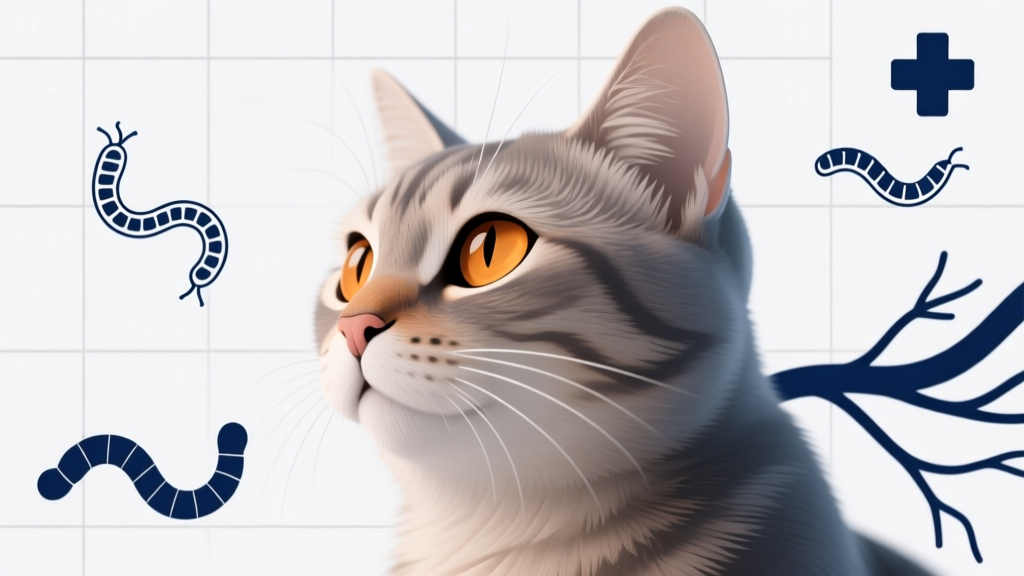
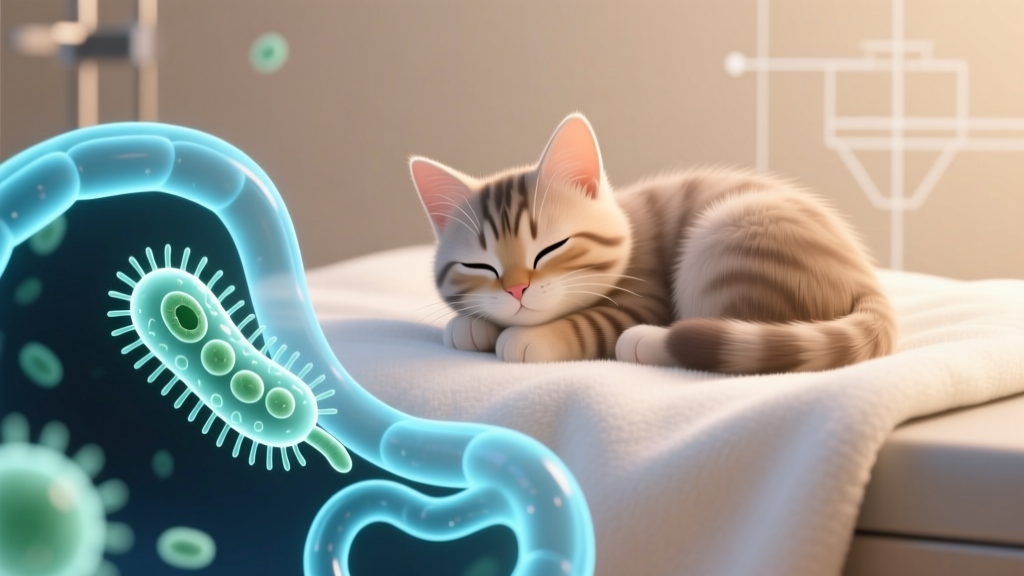
These organisms are not worms. They’re single-celled parasites that invade the lining of the intestines. Once inside, they reproduce and can damage the intestinal surface, which interferes with normal digestion and water absorption. That damage is what leads to diarrhea and, in some kittens, poor appetite and weight loss.
Coccidia spreads through a life stage called an oocyst, which is passed in the stool. After being shed, oocysts can become infectious in the environment (often within a day or so, depending on warmth and humidity). When another cat ingests infective oocysts—by grooming contaminated paws, sharing litter boxes, or contacting contaminated surfaces—an infection can start.
Why kittens are hit harder: Adult cats may carry low levels of coccidia without obvious illness. Kittens have less mature immune systems, smaller body reserves, and are more prone to dehydration, so symptoms can be more noticeable and more risky.
3. Symptoms and warning signs to watch for
Some cats have no symptoms, especially if the parasite load is low. When illness occurs, signs are usually related to the gastrointestinal tract.
Common symptoms in kittens:
- Diarrhea (soft to watery stool)
- Mucus in stool
- Strong-smelling stool
- Decreased appetite
- Weight loss or failure to gain weight
- Lethargy (less playful, more tired)
- Dehydration (dry gums, tacky mouth, sunken eyes in severe cases)
Possible but less common:
- Vomiting
- Blood in stool (can happen with intestinal irritation, but blood can also indicate other issues)
Practical at-home checks you can do today:
- Track stool consistency and frequency (take a photo for your vet if it helps).
- Weigh your kitten daily on a kitchen scale if diarrhea is ongoing (small changes matter in tiny bodies).
- Check hydration by looking at gum moisture and monitoring energy level.
If your kitten is having diarrhea for more than 24 hours, seems tired, or isn’t eating normally, it’s time to call your veterinarian. Kittens can decline faster than adult cats.
4. Causes and risk factors
Coccidia infection happens when a cat ingests infective oocysts from the environment. Many kittens are exposed before adoption, which is why symptoms sometimes appear soon after coming home.
Risk factors include:
- Young age (kittens are most susceptible)
- Crowded living conditions (shelters, catteries, multi-cat households)
- Shared litter boxes and less frequent cleaning
- Stress (rehoming, weaning, recent transport) which can weaken immune defenses
- Exposure to contaminated surfaces (floors, cages, carriers, bedding)
- Hunting or ingesting prey (some coccidia can be associated with intermediate hosts, though fecal-oral spread is most common)
- Concurrent illness or parasites (roundworms, hookworms, viruses) that amplify gut irritation
Can humans catch it? The common feline coccidia species (Cystoisospora felis/rivolta) are generally considered species-specific, meaning they infect cats rather than people. However, diarrhea in pets always calls for good hygiene: wash hands after litter box cleaning, and keep kids away from litter areas.
5. Diagnosis: What to expect at the vet
Because many conditions cause diarrhea, diagnosis is important. Your veterinarian will likely start with a history and a physical exam, then recommend stool testing.
Common diagnostic methods:
- Fecal flotation: A lab technique that looks for coccidia oocysts under a microscope.
- Fecal smear: Sometimes used to detect organisms or inflammation, though coccidia can be missed on a smear.
- Fecal antigen/PCR panels: In some clinics, advanced tests look for genetic material of multiple parasites/pathogens. These can be helpful if diarrhea is persistent or recurring.
- Repeat fecal testing: Oocysts may be shed intermittently, so one negative test doesn’t always rule it out.
What to bring to your appointment:
- A fresh stool sample (ideally within a few hours). Place it in a clean, sealed container or bag.
- Notes on appetite, vomiting, stool frequency, and any recent changes (new food, new pet, stressors).
- Any records from a shelter/rescue: deworming dates, vaccines, prior meds.
Your vet may also evaluate hydration and body condition. In a dehydrated kitten, supportive care can be as important as parasite treatment.
6. Treatment options (medical, surgical, home care)
Coccidia is treated medically. Surgery is not part of typical coccidia care. The goal is to reduce or eliminate the parasite load and support the kitten through diarrhea and fluid loss.
Medical treatment
Prescription anticoccidial medications are the mainstay of therapy. Your veterinarian will choose the best option based on your kitten’s age, weight, symptoms, and local protocols. Commonly used medications include:
- Sulfadimethoxine (often known by brand names such as Albon): Traditionally used; may require a longer course.
- Ponazuril: Often used off-label in cats; tends to be effective with a shorter course in many cases.
Only use medications prescribed by your veterinarian. Do not give leftover antibiotics, dog medications, or over-the-counter anti-diarrhea products unless your vet approves—some are unsafe for cats or can worsen certain infections.
Supportive care (at the vet)
- Fluids: Subcutaneous fluids for mild dehydration; IV fluids for more severe cases.
- Anti-nausea medication: If vomiting is present.
- Nutrition support: Appetite stimulants or assisted feeding in select cases.
- Treatment for other parasites: Many kittens have more than one intestinal parasite.
Home care you can do immediately
- Give medications exactly as directed and finish the full course, even if stools improve.
- Hydration support: Offer fresh water frequently. Ask your vet whether an unflavored electrolyte solution is appropriate and what dose is safe for your kitten’s size.
- Feed a consistent, digestible diet: Avoid abrupt food changes. If your vet recommends a GI diet, transition as instructed.
- Keep your kitten warm and resting: Sick kittens burn energy quickly.
- Separate litter boxes if possible: This helps reduce reinfection and protects other cats.
Environmental control (part of treatment)
Because oocysts can become infective in the environment, cleaning is a key piece of recovery—especially in multi-cat homes.
- Scoop litter boxes at least 1–2 times daily and remove feces promptly.
- Wash litter boxes with hot water and detergent regularly. (Many disinfectants don’t reliably kill coccidia oocysts; physical removal and thorough cleaning are very helpful.)
- Wash bedding and clean hard surfaces where accidents occurred.
- Bathed/cleaned rear end and paws: If diarrhea is messy, gently clean your kitten to reduce re-ingestion during grooming. Use warm water and a cat-safe shampoo or wipes as directed by your vet.
7. Prevention strategies and early detection tips
Prevention is about reducing exposure, minimizing environmental contamination, and catching problems early—especially for kittens and multi-cat households.
Actionable prevention steps:
- Schedule a new-kitten vet visit within the first week after adoption. Bring a stool sample.
- Run fecal testing even if stools look normal, especially for kittens from group environments.
- Maintain excellent litter hygiene: daily scooping and routine box washing.
- Avoid overcrowding and keep litter boxes plentiful (general rule: one per cat, plus one extra).
- Quarantine new arrivals for 10–14 days if possible, with a separate litter box, and test stool before introducing them to other cats.
- Reduce stress: consistent feeding schedule, quiet resting spaces, gradual introductions.
- Promptly address diarrhea: early treatment reduces shedding and household spread.
If you have multiple cats, ask your veterinarian whether other cats should be tested or treated, even if they seem fine.
8. Prognosis and quality of life considerations
For most healthy kittens, the prognosis with treatment is good to excellent. Many improve within a few days of starting medication, though stool quality can take longer to fully normalize as the intestinal lining heals.
Factors that can affect recovery:
- Degree of dehydration and weight loss at the time treatment begins
- Other parasites or infections occurring at the same time
- Ongoing reinfection due to environmental contamination
- Very young age, poor nutrition, or immune compromise
Quality of life during recovery: With proper hydration, nutrition, warmth, and medication, most kittens bounce back well. Your focus should be comfort (clean fur and skin, reduced stool accidents, steady appetite) and maintaining growth.
9. When to seek emergency veterinary care
Diarrhea is common, but certain signs mean a kitten needs urgent help. Contact an emergency clinic or your veterinarian right away if you notice:
- Diarrhea plus lethargy (not getting up to play, very weak)
- Refusal to eat for more than one meal in a young kitten, or any prolonged reduced intake
- Repeated vomiting or inability to keep water down
- Signs of dehydration (dry/tacky gums, sunken eyes, extreme sleepiness)
- Blood in the stool (especially large amounts or worsening)
- Very frequent watery diarrhea (risk of rapid fluid loss)
- Weight loss or a bloated abdomen with poor energy
- Any concern in very young kittens (under 12 weeks) because they can deteriorate quickly
10. FAQ: Common questions about coccidia in kittens
Can my kitten get coccidia even if they’re indoors only?
Yes. Indoor-only kittens can be exposed before adoption (shelter, breeder, foster home) or from contaminated shoes, carriers, or surfaces. Shared litter boxes and stress can also allow a low-level infection to cause symptoms.
Does coccidia go away on its own?
Some cats may clear mild infections with a strong immune response, but kittens with diarrhea should not be “waited out.” Treatment helps stop parasite replication, shortens illness, and reduces dehydration risk and environmental contamination. Call your veterinarian for proper testing and medication.
Is coccidia the same as Giardia?
No. Both are microscopic parasites that cause diarrhea, but they are different organisms and may require different treatments and control strategies. A stool test helps your vet tell them apart. It’s also possible for kittens to have more than one parasite at the same time.
How long is my kitten contagious?
Kittens can shed oocysts in stool during infection and sometimes even as symptoms improve. Because oocysts can become infective in the environment, hygiene matters throughout treatment and for a period afterward. Your veterinarian may recommend follow-up fecal testing depending on the situation.
Should I treat all my cats if one kitten has coccidia?
Not always, but it’s a good question to ask your veterinarian. In some multi-cat homes, your vet may recommend testing other cats, treating those with symptoms, or taking extra sanitation steps to prevent reinfection.
What should I feed a kitten with coccidia diarrhea?
Feed a consistent, easily digestible diet and avoid sudden food changes. If your kitten is on a growth formula, your vet may advise staying on it or temporarily switching to a veterinary GI diet. Always confirm diet changes with your veterinarian, especially for very young kittens that need adequate calories to grow.
If your kitten has diarrhea, the safest path is a veterinary visit with a stool test—quick answers lead to quicker relief. For more practical cat health guides, symptom check tips, and caring support for every life stage, visit catloversbase.com.