How to Interpret Cat Behavior for Sensitive Stomach
Why Your Cat’s ‘Quirks’ Might Be Silent SOS Signals
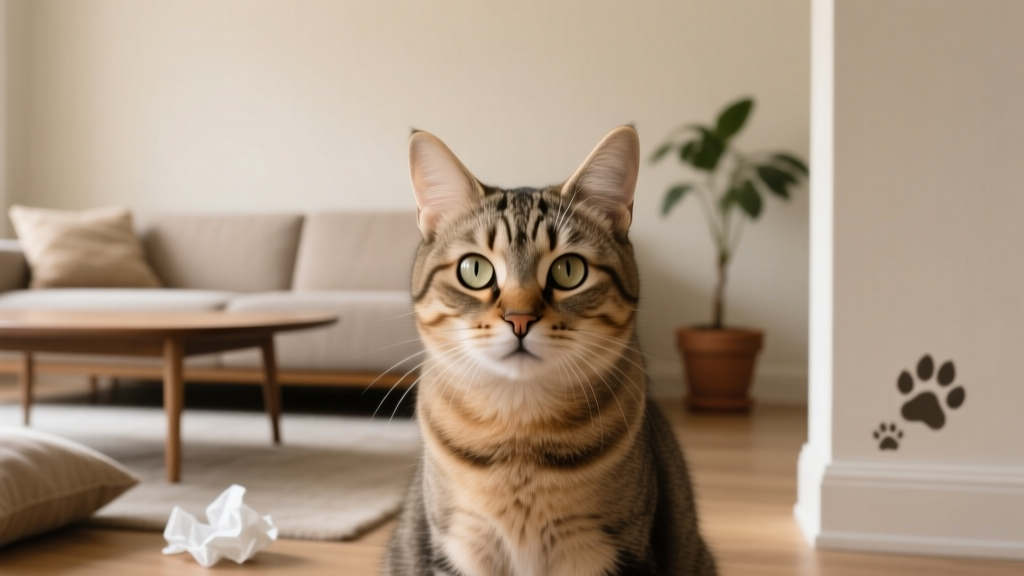
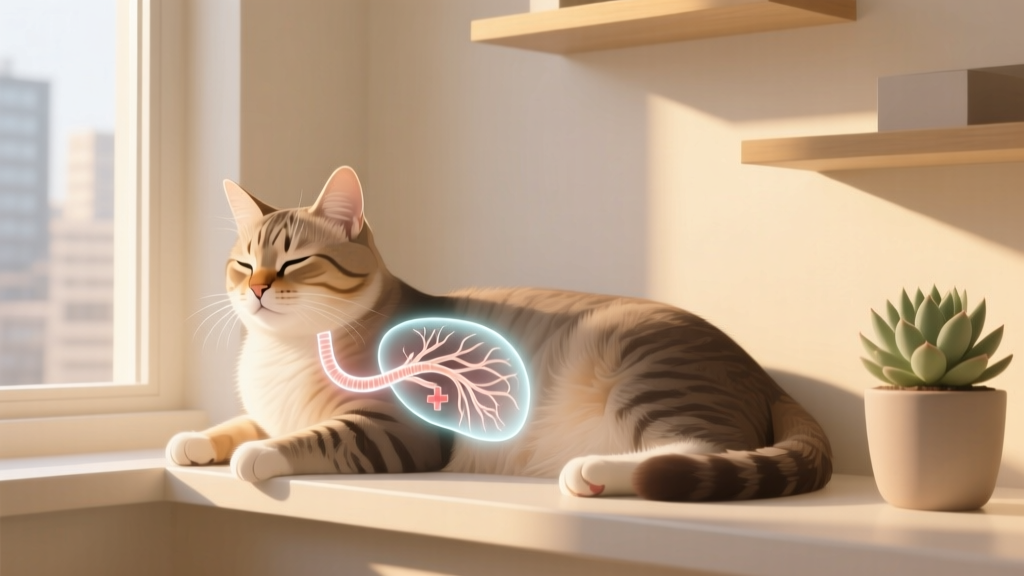
If you’ve ever searched how to interpret cat behavior for sensitive stomach, you’re likely already noticing things that don’t quite add up: your usually enthusiastic eater turning her nose up at meals, sudden bursts of hiding after dinner, or that odd ‘prancing’ gait she does when walking near her food bowl. These aren’t just ‘cat logic’—they’re nuanced, biologically rooted signals your feline is trying to communicate discomfort. Unlike dogs, cats rarely vocalize GI distress with obvious whining or vomiting. Instead, they rely on subtle shifts in posture, routine, and social engagement—behaviors easily misread as aloofness or stubbornness. And because feline digestive sensitivities often progress silently—from mild intolerance to chronic inflammation or even inflammatory bowel disease (IBD)—misinterpreting these cues can delay intervention by weeks or months. This guide distills insights from board-certified veterinary behaviorists and feline internal medicine specialists to help you decode what your cat *isn’t* saying aloud.
The 7 Behavioral Red Flags (and What They Really Mean)
According to Dr. Sarah Lin, DACVB (Diplomate of the American College of Veterinary Behaviorists), 'Cats are masters of camouflage—especially when ill. Their instinct is to conceal vulnerability, not broadcast it. So when we see a change in baseline behavior, especially one tied to eating, elimination, or resting patterns, it’s rarely random—it’s data.' Below are the seven most clinically significant behavioral shifts linked to gastric and intestinal sensitivity, ranked by diagnostic weight and frequency in peer-reviewed case studies (Journal of Feline Medicine and Surgery, 2023).
- 1. Food Bowl Avoidance With Selective Sniffing: Not just refusing meals—but circling the bowl, sniffing intensely, then walking away without eating. This isn’t pickiness; it’s anticipatory nausea. A 2022 Cornell Feline Health Center study found 83% of cats later diagnosed with food-responsive enteropathy exhibited this exact pattern for ≥5 days before vomiting or diarrhea appeared.
- 2. Post-Meal Restlessness or ‘Pacing’: Your cat eats, then immediately begins restless wandering—often with head lowered, tail low or tucked, ears slightly back. This is not ‘digestive stroll’—it’s visceral discomfort. Gastrointestinal motility changes trigger autonomic stress responses, increasing sympathetic nervous system activity.
- 3. Litter Box Reluctance Paired With Straining: While commonly associated with UTIs, straining without producing stool—or producing small, mucus-coated pellets—is a hallmark of colonic hypersensitivity. Note: If accompanied by vocalizing while squatting, urgency, or defecating outside the box, rule out constipation first—but persistent low-volume output suggests mucosal irritation.
- 4. Increased Self-Grooming Around Abdomen: Excessive licking of the belly, flank, or inner thighs—even to the point of hair loss—indicates referred pain. Dermatologists and gastroenterologists now routinely collaborate on such cases: skin lesions are often secondary to chronic abdominal discomfort, not primary skin disease.
- 5. Sudden Withdrawal After Eating: The cat who normally seeks lap time or play post-meal suddenly retreats to a high perch or closet for 30–90 minutes. This is energy conservation behavior triggered by cytokine release during low-grade gut inflammation—a physiological response mirroring human ‘sickness behavior.’
- 6. Uncharacteristic Irritability When Touched Near Ribs or Flank: A gentle pat that once earned purrs now triggers flinching, growling, or tail-lashing. Palpation sensitivity correlates strongly with mesenteric lymph node enlargement and serosal irritation in ultrasound-confirmed cases.
- 7. ‘Food-Switching’ Obsession Without Weight Loss: Rotating between kibble, wet food, treats, and even human foods—not due to boredom, but seeking relief. Cats with bile acid malabsorption or pancreatic enzyme insufficiency often self-medicate with high-moisture, low-fat, or novel-protein options that reduce gastric load.
From Observation to Action: A 5-Step Diagnostic Protocol
Spotting signs is only half the battle. What separates reactive owners from proactive caregivers is systematic documentation and targeted triage. Here’s how veterinary nutritionist Dr. Marcus Chen, DVM, DACVN, recommends structuring your investigation:
- Baseline Mapping (Days 1–3): Log every meal (brand, flavor, texture, time), all observed behaviors (with timestamps), litter box output (consistency, volume, presence of mucus/blood), and environmental variables (new cleaners, guests, construction noise). Use a shared notes app or printable tracker—consistency matters more than perfection.
- Elimination Trial Design (Days 4–28): Switch to a single-source hydrolyzed protein diet (e.g., Royal Canin Hydrolyzed Protein or Hill’s z/d) under vet guidance. No treats, no supplements, no flavored medications. Why hydrolyzed? Because intact proteins trigger immune-mediated gut reactions—even in cats with no prior allergy history. Dr. Chen stresses: ‘If you skip this step and go straight to novel proteins like duck or rabbit, you risk false negatives. Hydrolyzed is the gold standard for ruling out food sensitivity.’
- Behavioral Correlation Review (Day 14): Revisit your log. Did pacing decrease by ≥50%? Did food bowl approach time shorten? Did grooming intensity drop? Don’t wait for perfect resolution—look for directional improvement. Even 20% reduction in restlessness signals positive response.
- Veterinary Handoff Package (Day 21): Compile your log + photos/videos of key behaviors (e.g., post-meal pacing, abdominal palpation reaction) into a PDF. Bring it to your vet—not just verbal reports. Studies show clinicians make faster, more accurate diagnoses when presented with time-stamped behavioral evidence.
- Next-Level Diagnostics (If No Improvement): Request abdominal ultrasound (not just X-rays) and consider fecal microbiome testing (e.g., AnimalBiome Gut Health Test). New research links dysbiosis to behavioral phenotypes—including anxiety-like pacing and reduced social interaction—in cats with chronic GI signs.
What NOT to Do (And Why It Backfires)
Well-meaning interventions often worsen outcomes. Here’s what top feline specialists universally advise against—and the science behind each warning:
- Free-feeding dry kibble during flare-ups: High carbohydrate load increases gastric pH and delays gastric emptying, exacerbating fermentation and gas production. A 2021 UC Davis study showed cats with confirmed food sensitivities had 3.2x longer gastric transit times on kibble vs. canned-only diets.
- Using over-the-counter probiotics without strain specificity: Most pet-store probiotics contain strains selected for human digestion (e.g., L. acidophilus)—not feline microbiomes. In fact, a landmark 2023 study in Veterinary Record found certain generic strains increased intestinal permeability in sensitive cats. Only use veterinary-formulated products like FortiFlora (containing Enterococcus faecium SF68®) or Visbiome Vet (multi-strain, clinically trialed in cats).
- Assuming ‘hairballs’ explain chronic vomiting: True trichobezoars occur ≤1x/month in healthy cats. Vomiting >1x/week—especially with undigested food or bile—signals underlying motility disorder or mucosal inflammation. As Dr. Lin states: ‘Hairballs are a symptom, not a diagnosis. Chasing them with lubricants ignores the real driver: gut dysfunction.’
When Behavior Changes Demand Immediate Care
Some shifts cross from ‘monitor closely’ to ‘call your vet now.’ These warrant same-day evaluation:
- Complete anorexia (>24 hours in adult cats, >12 hours in kittens)
- Vomiting bile or blood, or vomiting ≥3x in 24 hours
- Prolonged lethargy with hypothermia (rectal temp <100°F / 37.8°C)
- Abdominal distension or rigidity on gentle palpation
- Jaundice (yellow tint to gums, ears, or whites of eyes)
Remember: Cats hide pain until it’s severe. Delaying care for ‘just one more day’ dramatically increases risk of hepatic lipidosis—a life-threatening metabolic crisis triggered by fasting.
| Behavioral Sign | Most Likely GI Cause | First-Line Intervention | Timeframe for Improvement (if responsive) |
|---|---|---|---|
| Post-meal pacing & restlessness | Gastric motility delay / bile reflux | Switch to low-fat, high-moisture meals; feed smaller, more frequent portions | 3–7 days |
| Abdominal overgrooming (ventral abdomen) | Colonic hypersensitivity / mucosal irritation | Hydrolyzed diet trial + prebiotic fiber (e.g., partially hydrolyzed guar gum) | 10–14 days |
| Food bowl sniffing + refusal | Anticipatory nausea / gastric dysrhythmia | Ondansetron (prescription anti-nausea) + warming food to body temp | 24–48 hours |
| Sudden withdrawal after eating | Low-grade systemic inflammation (cytokine-driven) | Omega-3 supplementation (EPA/DHA 100mg/kg/day) + stress reduction protocol | 7–10 days |
| Irritability on abdominal touch | Mesenteric lymphadenopathy / serositis | Abdominal ultrasound + possible corticosteroid trial (under vet supervision) | Depends on diagnosis; not dietary |
Frequently Asked Questions
My cat throws up right after eating—does that mean she has a sensitive stomach?
Not necessarily—and this distinction is critical. Acute, projectile vomiting immediately post-meal often points to esophageal issues (like megaesophagus or strictures) or mechanical obstruction, not gastric sensitivity. True ‘sensitive stomach’ vomiting is typically delayed (30–120 mins post-meal), non-projectile, and may contain undigested food or clear/yellow fluid (bile). Always film the episode and share it with your vet—timing, posture, and content matter more than frequency alone.
Can stress really cause stomach problems in cats—or is that just an excuse?
Stress is a *proven* physiological trigger—not an excuse. The gut-brain axis in cats is highly active: acute stress spikes cortisol, which directly suppresses secretory IgA (the gut’s first-line immune defense), alters motilin release (disrupting peristalsis), and increases intestinal permeability. A 2022 study tracking shelter cats found 68% developed transient GI signs within 72 hours of relocation—resolving only after environmental enrichment and pheromone therapy. So yes: moving, new pets, loud noises, or even rearranged furniture can ignite or worsen sensitivity.
Are grain-free diets better for cats with sensitive stomachs?
No—grains aren’t the culprit. Research consistently shows that grain-free diets correlate with higher rates of dilated cardiomyopathy (DCM) and offer no GI advantage. The real triggers are often legumes (peas, lentils), potatoes, or specific animal proteins—not wheat or rice. In fact, cooked oats and barley provide beneficial soluble fiber that supports gut barrier integrity. Focus on ingredient *quality*, digestibility, and processing—not marketing labels.
My vet says my cat’s fine—but I still see these behaviors. Should I push for more tests?
Absolutely—if clinical signs persist, advocate respectfully. Normal bloodwork and physical exam rule out many serious diseases, but *not* functional GI disorders like irritable bowel syndrome (IBS) or food-responsive disease. Ask specifically about abdominal ultrasound (which detects wall thickening, lymph node size, motility patterns) and fecal calprotectin testing (a biomarker for intestinal inflammation). If your vet declines, seek a second opinion from a boarded internal medicine specialist or feline-exclusive practice.
How long should I trial a new food before deciding it’s not working?
Minimum 3 weeks—full GI turnover takes 21–28 days. But watch for *trends*, not just endpoints: reduced pacing by Day 5, less grooming by Day 10, improved stool consistency by Day 14. If zero improvement by Day 21, the diet isn’t addressing the root cause. Never extend trials beyond 4 weeks without veterinary re-evaluation.
Common Myths About Cat Stomach Sensitivity
Myth #1: “If my cat isn’t vomiting or having diarrhea, her stomach must be fine.”
False. Up to 40% of cats with confirmed IBD or food-responsive enteropathy present *only* with behavioral changes—no classic GI signs. Chronic low-grade inflammation causes fatigue, irritability, and appetite fluctuations long before overt symptoms appear.
Myth #2: “All sensitive stomachs are caused by food allergies.”
Incorrect. While food reactions are common, other drivers include pancreatic enzyme insufficiency (especially in older cats), small intestinal bacterial overgrowth (SIBO), bile acid malabsorption, and even dental disease (painful chewing → altered digestion → secondary GI stress).
Related Topics (Internal Link Suggestions)
- Signs of feline inflammatory bowel disease — suggested anchor text: "early signs of IBD in cats"
- Best cat food for sensitive stomach and vomiting — suggested anchor text: "veterinarian-recommended sensitive stomach cat food"
- How to transition cat food for sensitive stomach — suggested anchor text: "slow cat food transition guide"
- Feline abdominal ultrasound cost and what it shows — suggested anchor text: "what does a cat ultrasound reveal?"
- Stress-induced vomiting in cats: causes and solutions — suggested anchor text: "cat stress vomiting remedies"
Take Action—Before the Next Mealtime
You now hold a decoder ring for your cat’s silent language. Interpreting cat behavior for sensitive stomach isn’t about becoming a vet—it’s about becoming a fluent observer, a meticulous documenter, and a calm, confident advocate. Start tonight: grab your phone and film your cat’s next mealtime. Watch her approach, sniff, eat, and settle. Compare it to yesterday. That tiny pause before eating? That slight hunch when she walks away? Those are your first data points. Then, download our free 7-Day Cat GI Behavior Tracker (link below) and begin your baseline log. Early detection doesn’t just ease discomfort—it prevents irreversible damage. Your cat’s wellbeing starts with what you notice today.