Cat Brachycephalic Ocular Syndrome: Eye Exposure Issues
1. Introduction: Why this topic matters to cat owners
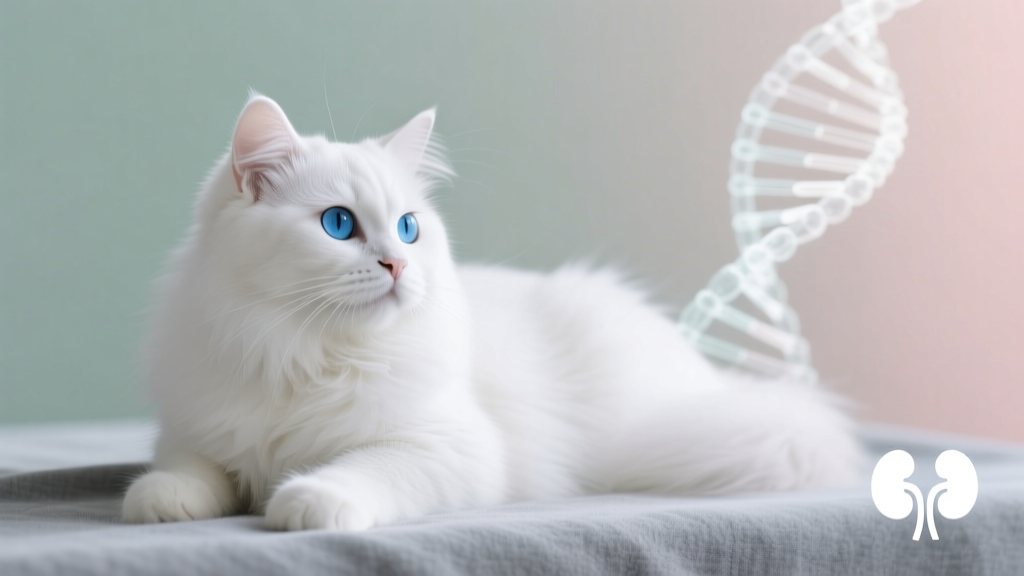
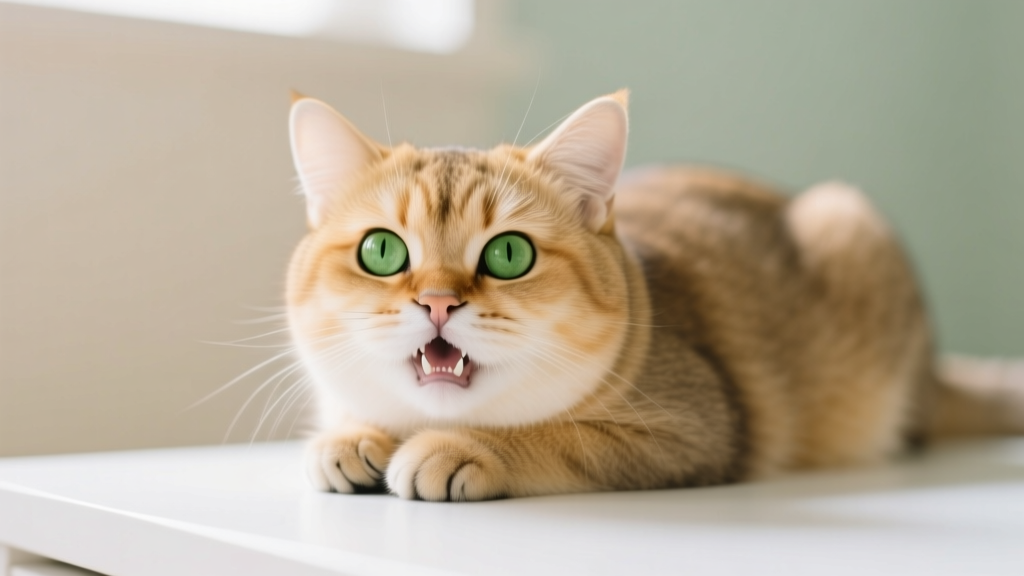
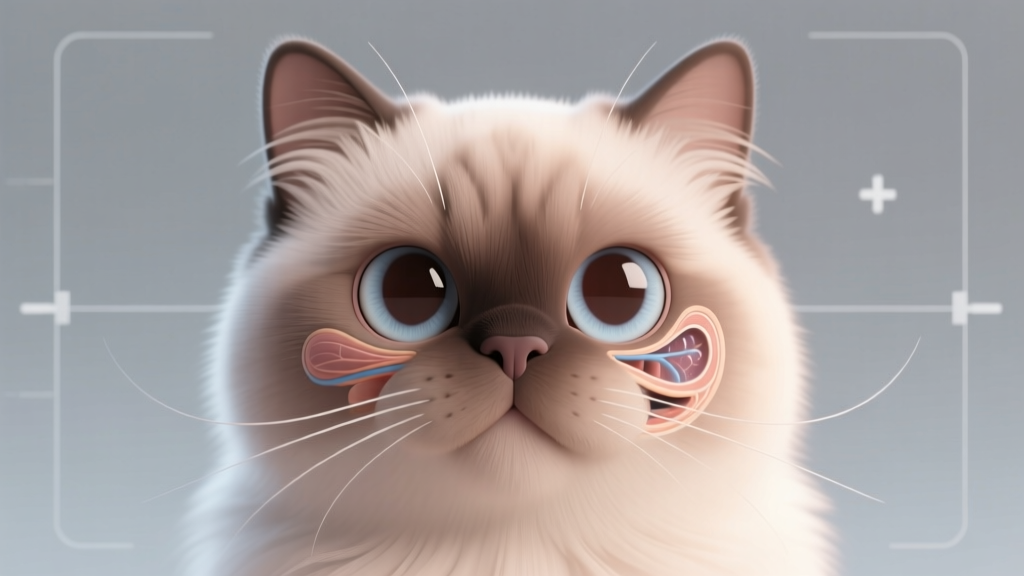
If you share your home with a flat-faced cat—like a Persian, Himalayan, or Exotic Shorthair—you’ve probably noticed their large, round eyes and sweet “baby-faced” look. Those same features can also make their eyes more vulnerable. Brachycephalic ocular syndrome is a group of eye problems linked to a shortened skull shape, and one of the biggest concerns is eye exposure: the surface of the eye dries out or gets irritated because the eyelids can’t protect it as effectively.
Eye issues can move from mild irritation to painful ulcers faster than many owners expect. The good news is that many exposure-related problems can be managed well with early recognition, prompt veterinary care, and consistent home routines. This guide will help you understand what’s going on, what to watch for, and how to protect your cat’s comfort and vision.
2. Overview: What is brachycephalic ocular syndrome?
Brachycephalic means “short-headed.” In cats, brachycephalic breeds have a shortened nose and a flatter face. That skull shape affects the eye sockets, eyelids, and tear film in ways that can leave the eyes less protected.
Brachycephalic ocular syndrome isn’t one single disease. It’s a collection of anatomical traits that can lead to predictable problems, especially:
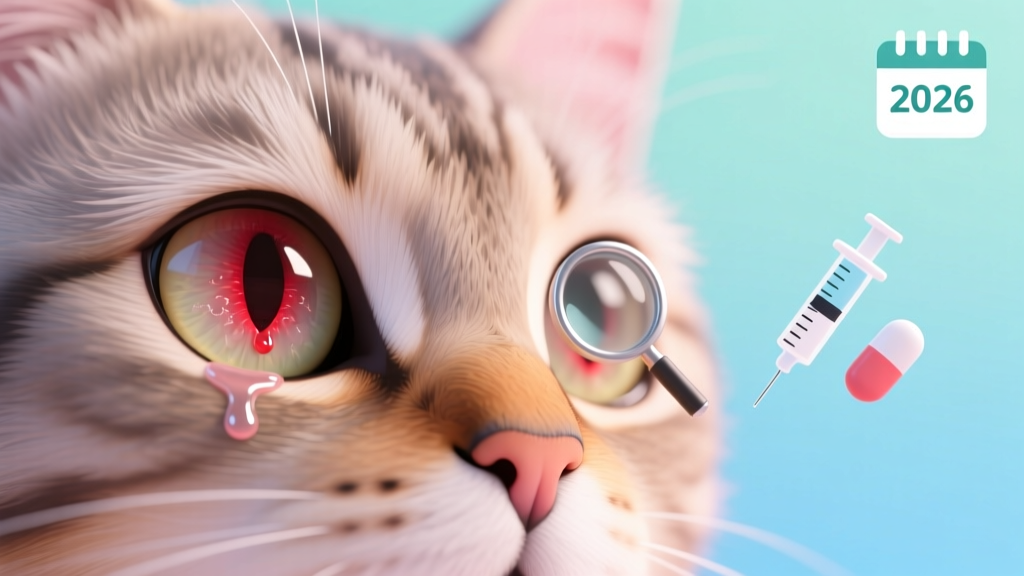
- Eye exposure (exposure keratitis): the cornea (the clear front surface of the eye) dries out or becomes inflamed because it isn’t fully covered by blinking eyelids.
- Lagophthalmos: incomplete eyelid closure, often during sleep or even while awake.
- Large palpebral fissure: a wider eyelid opening that leaves more of the eye surface exposed.
- Shallow eye sockets (proptosis risk): the eyes sit more forward, increasing vulnerability to trauma and drying.
- Abnormal tear drainage and tear distribution: tears may overflow onto the face (epiphora), yet the eye surface can still be dry where it matters.
When the cornea dries out, it becomes more prone to:
- Chronic inflammation (redness, discomfort)
- Corneal abrasions (scratches)
- Corneal ulcers (painful erosions that can deepen)
- Secondary infections
Think of the tear film and blinking as your cat’s “windshield wipers and protective coating.” In brachycephalic cats, the wipers may not sweep fully and the protective coating may not spread evenly—so irritation builds.
3. Symptoms and warning signs to watch for
Many flat-faced cats have some degree of watery eyes or mild staining. The key is knowing what’s normal for your individual cat and spotting changes early. Contact your veterinarian if you see any new or worsening eye signs, especially if your cat seems uncomfortable.
Common signs of eye exposure issues
- Redness of the whites of the eyes or inner eyelids
- Frequent blinking or squinting (holding one or both eyes partially closed)
- Watery discharge (clear tears) or mucus that needs frequent cleaning
- Rubbing the face with paws or against furniture
- Visible dryness or a dull-looking corneal surface
- Brown tear staining on the face (often from chronic overflow)
- Cloudiness, a bluish haze, or a spot on the cornea
- Light sensitivity (hiding, avoiding bright rooms)
Red flags that need prompt veterinary attention
- Sudden squinting or keeping the eye shut
- Green/yellow discharge or foul odor
- A white or gray spot on the cornea
- Bleeding or visible injury
- Eye looks enlarged, bulging, or markedly different from the other eye
- Sudden behavior changes (hiding, not eating) along with eye pain signs
4. Causes and risk factors
The underlying “cause” is primarily anatomy. The structure of the face changes how the eyelids sit and how tears are spread and drained. Some cats are mildly affected; others have significant exposure and recurring problems.
Cats at higher risk
- Brachycephalic breeds: Persian, Himalayan, Exotic Shorthair (and mixes with similar facial structure)
- Cats with prominent eyes or a very short nose
- Cats with chronic upper respiratory disease (congestion can increase tearing and inflammation)
- Cats with eyelid conformational issues such as entropion (lid rolling inward) or poor lid tone
- Cats with reduced tear production (less common in cats than dogs, but possible)
Triggers that can worsen exposure problems
- Dry indoor air (heating or air conditioning)
- Dusty litter, smoke, aerosols, strong cleaning products
- Grooming or facial wipes used too aggressively
- Minor trauma from play, plants, or another pet
- Long fur around the eyes that rubs the cornea
5. Diagnosis: What to expect at the vet
Eye conditions can look similar on the surface, so a proper exam matters. If your cat is squinting or has a cloudy spot, don’t try to treat it at home without guidance—some over-the-counter products can delay correct treatment or even make certain conditions worse.
Typical veterinary evaluation
- History: When signs started, whether one or both eyes are affected, any trauma, and any current medications.
- Full eye exam: Checking eyelid shape, blink quality, corneal clarity, and signs of inflammation.
- Fluorescein stain: A special dye that highlights corneal ulcers or scratches. It’s quick and very informative.
- Tear production testing: Sometimes performed to assess tear quantity (in cats, interpretation may differ from dogs, but it can still help).
- Eye pressure (tonometry): If glaucoma or uveitis is suspected.
- Eyelid and facial conformation assessment: Looking for lagophthalmos, entropion, or hair contact with the cornea.
If your cat is painful or anxious, your veterinarian may use topical numbing drops for certain steps, or mild sedation in select cases to keep the exam safe and accurate.
6. Treatment options (medical, surgical, home care)
Treatment depends on what’s happening on the cornea and why. The main goals are to protect the cornea, restore a healthy tear film, reduce inflammation and pain, and prevent infection.
Medical treatments your veterinarian may prescribe
- Lubricating eye gels or ointments: Often the cornerstone of exposure management. These provide longer-lasting moisture than drops.
- Antibiotic eye medications: Used if there is a corneal ulcer, infection risk, or significant discharge.
- Pain relief: Oral pain medications may be recommended; some eye conditions are very uncomfortable.
- Anti-inflammatory therapy: This depends on the diagnosis. Steroid-containing eye drops are not used if a corneal ulcer is present, so always follow your veterinarian’s direction.
- Medications to improve tear film quality: In certain cases, your vet may suggest therapies that support tear production or tear stability.
Surgical and procedural options
If anatomy is a major contributor and medical management isn’t enough, your veterinarian may discuss referral to a veterinary ophthalmologist. Possible procedures include:
- Temporary tarsorrhaphy: Partially sewing the eyelids together for a short period to protect the cornea while it heals (common for ulcers or severe exposure).
- Permanent or semi-permanent eyelid surgery: To reduce the eyelid opening and improve corneal coverage in chronic cases.
- Entropion correction: If the eyelid rolls inward and hairs rub the cornea.
- Corneal ulcer interventions: Deep or non-healing ulcers may require specialized treatments (such as a graft) to save the eye and preserve vision.
Practical home care you can start right away (and do safely)
Home care supports treatment but doesn’t replace a veterinary exam if your cat is squinting, painful, or has a cloudy/white spot on the eye.
- Clean discharge gently: Use a soft cotton pad or gauze moistened with sterile saline or warm water. Wipe from the inner corner outward, using a fresh pad each pass.
- Avoid human eye drops: Many are not appropriate for cats, and some “redness relief” drops can be harmful.
- Reduce irritants: Skip aerosols and strong fragrances, and use low-dust litter if your cat is prone to tearing.
- Trim face fur if needed: Ask your groomer or vet staff to help keep hair from touching the eye. Never point scissors toward the eye at home if you’re not trained.
- Give medications exactly as prescribed: Eye meds often need consistent timing. If you’re struggling, ask your veterinary team for technique tips.
7. Prevention strategies and early detection tips
You can’t change a cat’s facial structure, but you can reduce flare-ups and catch problems early.
Everyday prevention
- Daily eye check: Look for increased redness, squinting, cloudiness, or changes in discharge.
- Gentle face hygiene routine: Keep tear tracks clean and dry to prevent skin irritation and secondary infections.
- Keep the air comfortable: Consider a humidifier during dry seasons, especially if your home air feels dry.
- Choose low-dust litter and keep litter boxes clean to reduce airborne irritants.
- Schedule regular vet exams: Brachycephalic cats benefit from routine eye checks even when things look stable.
Early detection tips
- Track patterns: Note if flare-ups happen after grooming, seasonal changes, or switching litter/cleaners.
- Take a quick photo: A clear phone photo of the eye can help your vet compare changes over time.
- Don’t wait on squinting: Squinting often equals pain, and corneal ulcers can progress quickly.
8. Prognosis and quality of life considerations
Most cats with brachycephalic ocular syndrome can have an excellent quality of life. Many do well with consistent lubrication, environmental tweaks, and prompt treatment when flare-ups occur. Some cats need long-term maintenance—similar to how some people manage dry eyes.
Prognosis depends on:
- Severity of exposure and eyelid conformation
- Whether corneal ulcers develop and how quickly they’re treated
- Owner comfort with daily care (eye meds and gentle cleaning)
- Access to ophthalmology care if surgery becomes helpful
When ulcers are caught early and treated appropriately, healing is often straightforward. Chronic or deep ulcers require more intensive care and closer monitoring, but many cats still do very well long-term.
9. When to seek emergency veterinary care
Eye problems can become urgent quickly. Seek emergency veterinary care (same day, and often immediately) if you notice:
- Sudden squinting or your cat won’t open the eye
- A cloudy, blue, white, or gray area on the cornea
- Obvious injury, bleeding, or suspected scratch/trauma
- The eye appears bulging, displaced, or very swollen
- Rapidly worsening redness or severe discharge
- Signs of significant pain (hiding, growling when touched, reduced appetite) along with eye symptoms
If you’re unsure, call your veterinarian or an emergency clinic. Eye conditions are one of those areas where it’s better to be cautious and get a professional opinion.
10. FAQ: Common questions from cat owners
Is watery eye discharge always normal in flat-faced cats?
Mild, consistent tearing can be common in brachycephalic cats due to facial structure and tear drainage patterns. It should not come with squinting, significant redness, thick yellow/green discharge, or a cloudy cornea. Any change from your cat’s baseline is a reason to consult your veterinarian.
Can I use over-the-counter saline to rinse my cat’s eyes?
Plain sterile saline can be used to gently wipe away discharge on the fur and eyelids. It’s not a treatment for ulcers, infection, or painful eye conditions. If your cat is squinting or has redness that persists beyond a short period, schedule a veterinary exam.
Why does my cat’s face get stained even though the eyes seem “wet”?
Tear staining usually means tears are overflowing onto the face rather than draining normally. At the same time, the cornea can still be irritated if tears aren’t spreading evenly across the eye or if blinking doesn’t fully cover the surface. Your veterinarian can check for exposure issues and rule out infection or ulcers.
Will my cat need surgery?
Not always. Many cats do well with medical management like lubrication and environmental adjustments. Surgery is considered when exposure is significant, ulcers recur, or eyelid anatomy prevents adequate protection. A veterinary ophthalmologist can help determine whether a procedure would improve comfort and reduce long-term risk.
How often will my cat need eye drops or ointment?
It depends on severity and whether there is an active problem like an ulcer. Some cats need lubricant once or twice daily long-term; others only during flare-ups. Follow your veterinarian’s instructions closely, and don’t stop early without checking in—especially if an ulcer was diagnosed.
Can grooming help prevent eye exposure problems?
Yes, careful grooming can help by keeping hair from rubbing the eye and by keeping the face clean and dry. The key is gentle technique. If your cat’s eyes are already irritated, avoid aggressive wiping and consult your vet about the safest routine and products.
If your cat has a flat face and prominent eyes, a little proactive care goes a long way. Daily check-ins, gentle cleaning, and quick veterinary attention for squinting or cloudiness can help protect vision and keep your cat comfortable. For more practical cat health guides and supportive resources, visit catloversbase.com.