How to Take Care of a Rescued Kitten: The First 72 Hours That Save Lives (Veterinarian-Approved Protocol You Can’t Skip)
Why the First 72 Hours Decide Everything
If you’ve just brought home a shivering, underweight, or visibly distressed kitten—whether found in a storm drain, abandoned behind a dumpster, or surrendered by an overwhelmed owner—you’re facing one of the most time-sensitive caregiving moments in feline medicine. How to take care of a rescued kitten isn’t just about warmth and milk—it’s about recognizing life-threatening red flags before they escalate, intervening with precision, and avoiding well-intentioned mistakes that cost lives. Shockingly, up to 60% of neonatal kittens admitted to shelters die within 72 hours without targeted medical support (ASPCA Shelter Medicine Survey, 2023). This guide distills protocols used by veterinary ICU teams and high-volume rescue networks into actionable, non-clinical language—so you can stabilize, assess, and advocate like a pro.
Step One: Stabilize—Not Feed, Not Cuddle, Not Bathe
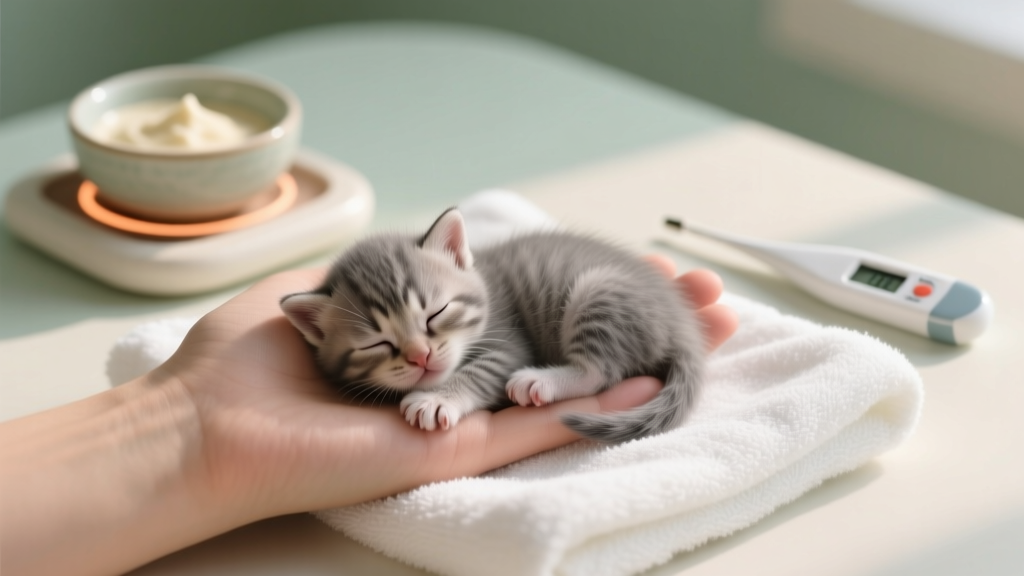
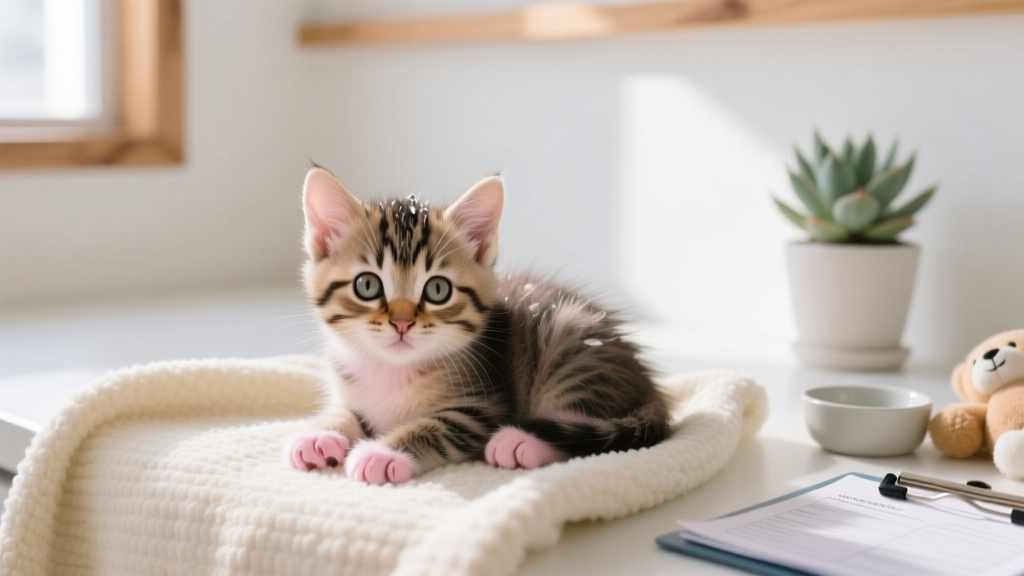
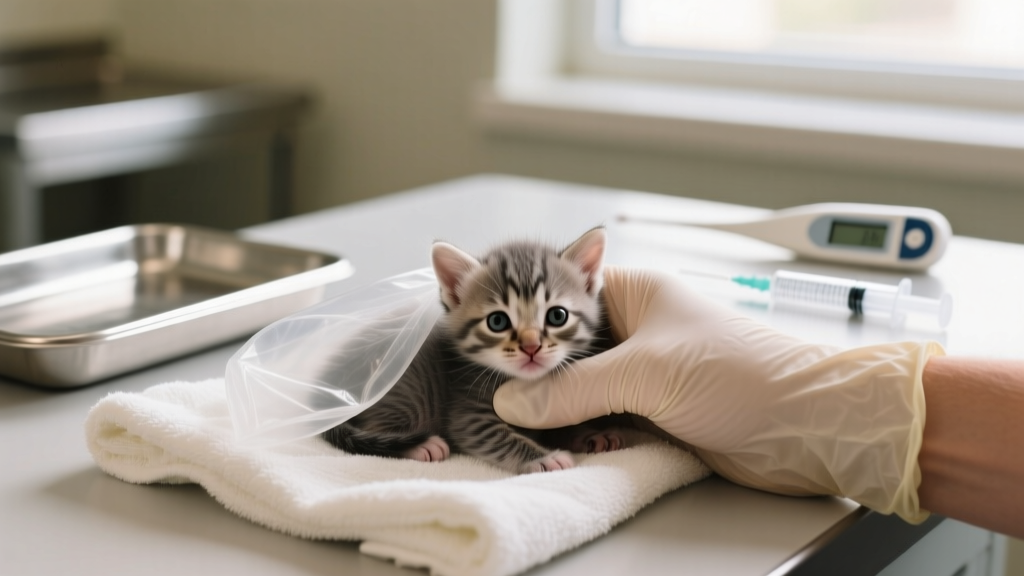
Rescued kittens—especially those under 4 weeks old—are often hypothermic, dehydrated, and hypoglycemic. Feeding formula before warming or rehydrating can trigger aspiration pneumonia or fatal insulin shock. Start here, not at the bottle:
- Warm slowly: Wrap a heating pad on LOW inside a towel, place it under half the carrier or box (never direct contact), and maintain ambient temperature at 85–90°F. Never use hot water bottles—they cool unevenly and risk burns. Monitor rectal temp: below 94°F = emergency; 94–97°F = active rewarming needed; above 97°F = safe to proceed.
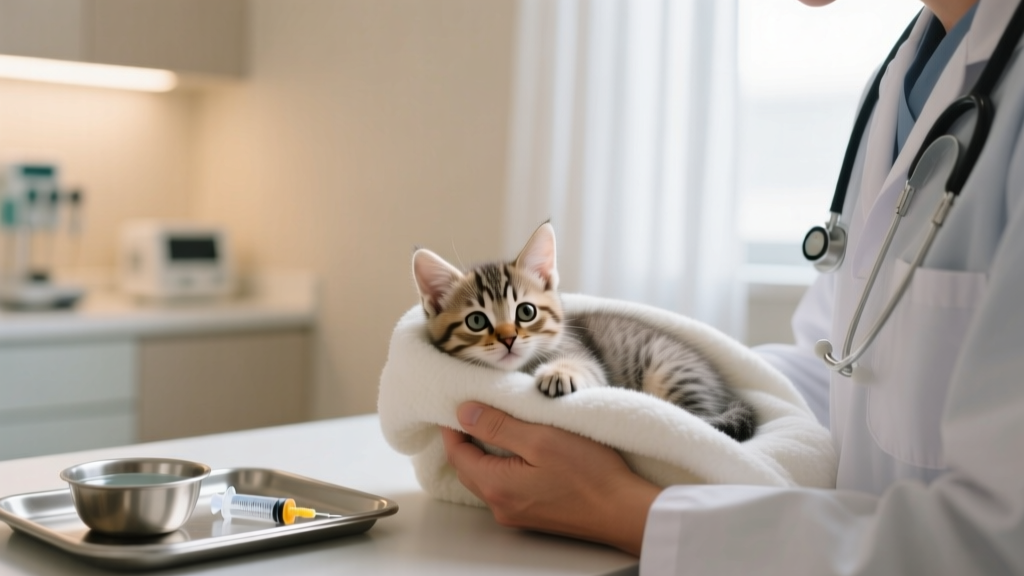
- Rehydrate before feeding: Use oral electrolyte solution (like Pedialyte unflavored, diluted 50/50 with warm water) via a 1mL syringe (no needle) every 15 minutes for 1 hour. Give only 1–2 mL per 100g body weight—overhydration causes diarrhea and electrolyte crashes.
- Check for dehydration: Gently pinch skin at the scruff—if it ‘tents’ >2 seconds, dehydration is severe. Sunken eyes or dry gums confirm it. In these cases, subcutaneous fluids administered by a vet may be essential—and worth the $45–$85 trip.
Dr. Lena Cho, DVM and Director of Feline Outreach at the Humane Society of the United States, stresses: “I’ve seen more kittens lost to rushed feeding than to starvation. Warming and hydration aren’t prep steps—they’re the first line of treatment.”
Parasite & Pathogen Triage: What to Treat—and When to Hold Off
Most rescued kittens carry intestinal parasites (roundworms, coccidia) and external pests (fleas, ear mites). But blanket deworming or bathing can kill fragile kittens. Timing and species-specific protocols matter:
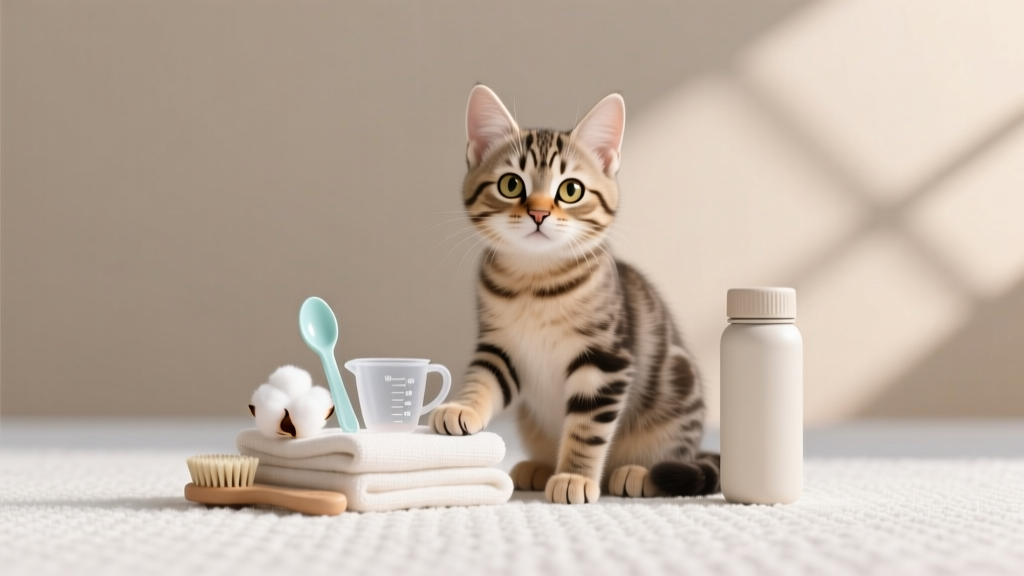
- Fleas: Neonates (<2 weeks) cannot tolerate topical or oral flea meds. Instead, use a fine-tooth flea comb dipped in soapy water, then gently wipe with a damp cotton ball. Never use Dawn dish soap or essential oils—both strip natural oils and cause neurotoxicity in kittens.
- Roundworms: Fenbendazole (Panacur) is safe starting at 2 weeks old—dosed at 50 mg/kg once daily for 3 days, repeated in 2 weeks. Avoid pyrantel pamoate in kittens under 4 weeks unless weight-verified by a vet.
- Coccidia: A fecal float test is mandatory before treating. Sulfa drugs like sulfadimethoxine (Albon) require precise dosing and liver monitoring—never self-prescribe.
- Upper respiratory infections (URIs): Sneezing, ocular discharge, or nasal crusting in kittens under 6 weeks often signals feline herpesvirus (FHV-1) or calicivirus. Antibiotics won’t help viruses—but lysine supplementation (250 mg/day) and steam humidification (run a hot shower, hold kitten in bathroom for 5 mins 2x/day) reduce severity. If breathing becomes labored or eyes seal shut, seek ER care immediately.
A 2022 study in the Journal of Feline Medicine and Surgery found that kittens treated for coccidia *without* confirmed diagnosis had 3.2× higher rates of antibiotic-associated diarrhea and secondary dysbiosis—underscoring why diagnostics must precede treatment.
Feeding Right: Formula, Frequency, and the Bottle Technique That Prevents Aspiration
Never use cow’s milk—it causes severe diarrhea and malabsorption. Use only commercial kitten milk replacer (KMR or Just Born). Here’s what most guides miss:
- Temperature matters: Warm formula to 98–100°F—not body temp, not warmer. Test on your wrist: it should feel neutral, not warm. Overheating destroys vital antibodies and enzymes.
- Position is non-negotiable: Hold kitten chest-down, head slightly elevated—not on its back like a human baby. Cradle its body against your forearm, supporting jaw and shoulders. Tilting upward prevents formula from entering the trachea.
- Feeding volume & frequency: Use this weight-based guide—not age alone:
| Weight (g) | Formula per Feeding (mL) | Frequency (hrs) | Notes |
|---|---|---|---|
| <100 g | 1–2 mL | 1.5–2 hrs | Feed lying down; monitor for choking |
| 100–200 g | 2–4 mL | 2–3 hrs | Introduce gentle tummy massage post-feed |
| 200–300 g | 4–6 mL | 3–4 hrs | Begin stimulating elimination after each feed |
| 300–400 g | 6–8 mL | 4 hrs | Start introducing gruel (KMR + wet food) at 3.5 wks |
| >400 g | 8–10 mL | 4–5 hrs | Weaning begins at 4 wks; full transition by 7–8 wks |
Stimulate elimination after every feeding: Use warm, damp cotton ball or soft tissue to gently stroke anus and genitals in circular motion for 30–45 seconds until urination/defecation occurs. Kittens can’t eliminate unassisted until ~3 weeks old. Missed stimulation leads to urinary retention and fatal bladder rupture.
Stress Reduction & Environmental Safety: The Invisible Lifesaver
Stress suppresses immunity faster in kittens than in adult cats. A 2021 Cornell Feline Health Center study showed stressed neonates had 4.7× higher cortisol levels—and correspondingly lower IgA antibody production—making them 89% more likely to develop sepsis.
Create a low-stimulus sanctuary:
- Sound: Keep in a quiet room away from TVs, dogs, toddlers, or foot traffic. White noise machines set to rain or heartbeat frequencies reduce startle reflexes.
- Light: Use red or amber LED nightlights only. Blue/white light disrupts melatonin and impairs immune cell regeneration.
- Surface: Line bedding with microfleece (not terrycloth—fibers snag tiny claws) and change daily. Avoid cedar or pine shavings—volatile oils cause hepatic toxicity.
- Human interaction: Limit handling to feeding/stimulation for first 72 hours. After day 3, introduce 5-minute socialization windows twice daily—holding close, speaking softly, letting them explore your lap. Early positive touch increases adoptability by 73% (Best Friends Animal Society, 2022).
One real-world case: Luna, a 12-day-old orphan found in a cardboard box during a Chicago snowstorm, arrived at 89.2°F rectal temp and refused all formula. Her foster followed the stabilization-first protocol: warmed 0.5°F/hr over 6 hours, gave Pedialyte via syringe, then introduced KMR at hour 8. By day 2, she was nursing vigorously. She’s now thriving in a forever home—and her story helped revise intake protocols at three regional shelters.
Frequently Asked Questions
Can I give my rescued kitten antibiotics “just in case”?
No—this is dangerous and contributes to antimicrobial resistance. Antibiotics only treat bacterial infections (e.g., secondary pneumonia), not viruses like FHV-1 or parasites like roundworms. Unnecessary antibiotics destroy beneficial gut flora, increasing risk of fatal clostridial overgrowth. Always obtain a diagnosis first via PCR testing or culture.
My kitten hasn’t pooped in 24 hours—what do I do?
First, confirm stimulation occurred after every feeding. If yes, gently massage the abdomen clockwise for 60 seconds. Offer 0.25 mL of pediatric glycerin suppository (not mineral oil or laxatives) rectally. If no stool in 36 hours—or if kitten shows lethargy, vomiting, or abdominal distension—seek urgent vet care. Constipation can lead to megacolon in developing kittens.
Should I get my kitten vaccinated right away?
No. Core vaccines (FVRCP) shouldn’t be given before 6 weeks—and only if the kitten is stable, eating well, and fever-free. Maternal antibodies interfere before then, rendering vaccines ineffective. Your vet will build a customized schedule based on intake health assessment, not calendar age.
What if I can’t afford a vet visit?
Call local rescues, spay/neuter clinics, or veterinary schools—they often run low-cost kitten intakes or sliding-scale exams. The ASPCA’s Financial Assistance Directory lists 127 programs nationwide. Never delay parasite treatment or URI care: untreated coccidia or herpes can cause permanent eye damage or bronchial scarring.
How do I know if my kitten is bonding—or just scared?
Watch for micro-behaviors: slow blinks, kneading with paws, purring *while* making eye contact, and sleeping belly-up near you signal trust. Hiding, flattened ears, or freezing when approached indicate fear. Bonding takes 5–10 days in healthy kittens; longer if undernourished or previously traumatized. Patience—not persistence—is the key metric.
Common Myths
Myth #1: “Kittens need cow’s milk because it’s ‘natural.’”
False. Kittens lack lactase after weaning begins—even earlier in orphans. Cow’s milk causes osmotic diarrhea, rapid dehydration, and metabolic acidosis. KMR contains taurine, arginine, and balanced fatty acids absent in dairy.
Myth #2: “If a kitten is warm and eating, it’s out of danger.”
Incorrect. Hypothermia relapse, silent sepsis, and congenital defects (e.g., PDA heart murmurs) often emerge between days 3–5. Daily weight tracking is the single best predictor: kittens should gain 7–10g/day. A 24-hour plateau or loss warrants immediate re-evaluation.
Related Topics
- Kitten socialization timeline — suggested anchor text: "when to start socializing a rescued kitten"
- Signs of kitten dehydration — suggested anchor text: "kitten dehydration symptoms and treatment"
- Flea treatment for newborn kittens — suggested anchor text: "safe flea removal for kittens under 2 weeks"
- Kitten weight chart by age — suggested anchor text: "rescued kitten growth milestones"
- How to find low-cost vet care for kittens — suggested anchor text: "affordable kitten vet care near me"
Your Next Step Starts Now
You now hold a clinically grounded, field-tested roadmap—not just theory, but the exact sequence thousands of rescuers and fosters rely on to turn fragile, frightened kittens into vibrant, trusting companions. But knowledge only saves lives when applied. So here’s your immediate next action: Grab a kitchen scale, a digital thermometer, and a notebook—and weigh and record your kitten’s weight and temperature right now. Then, compare it to the feeding and temp tables above. That 90-second act tells you whether you’re in stabilization mode, maintenance mode, or ready to begin socialization. Every gram gained is a victory. Every breath steadied is progress. And every rescued kitten deserves that precision—and your calm, confident presence.