What Do I Need to Care for a Kitten? The 7 Non-Negotiable Health & Safety Essentials Every New Owner Overlooks (And Why Skipping Just One Puts Your Kitten at Serious Risk)
Why Getting This Right in the First 8 Weeks Changes Everything
If you're asking what do i need to care for a kitten, you're not just shopping for supplies—you're stepping into a critical developmental window where every decision impacts lifelong immunity, neurology, and emotional resilience. Kittens aged 2–12 weeks experience exponential brain growth, immune system maturation, and social imprinting—and yet, over 63% of kitten ER visits in the first month stem from preventable oversights: untreated intestinal parasites, accidental toxin exposure, or delayed first vaccinations (AVMA 2023 Kitten Care Survey). This isn’t about perfection—it’s about prioritizing evidence-backed, non-negotiable health safeguards before charm and curiosity distract you from what truly matters.
Your Kitten’s First 72 Hours: The Critical Triage Window
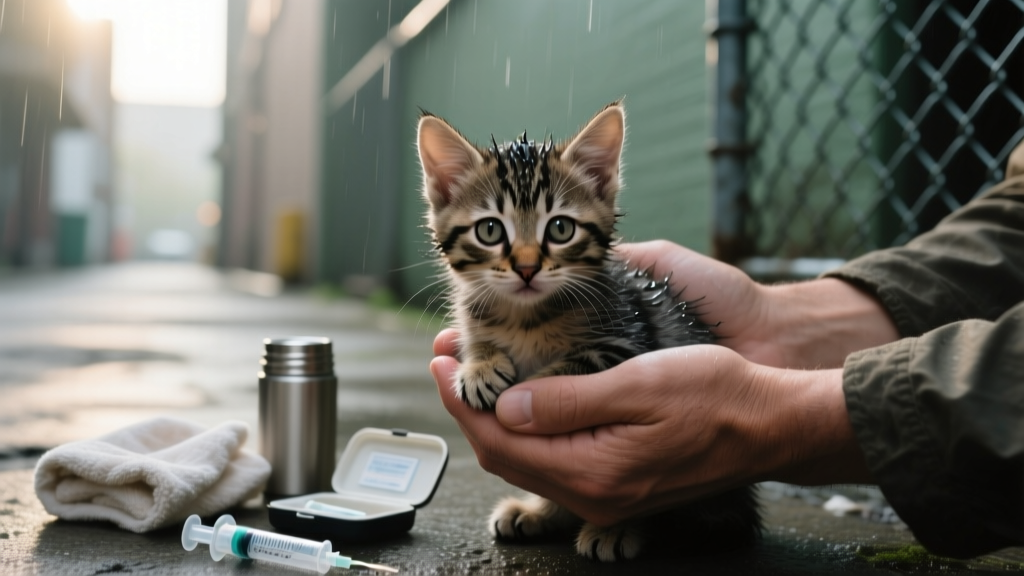
Before you even unpack that $45 cat tree, pause. Veterinary behaviorist Dr. Sophia Lin, DVM, DACVB, stresses that the first 72 hours set the tone for trust, stress resilience, and physical stability: 'A stressed kitten stops eating, stops grooming, and suppresses immune function—making them 4x more likely to develop upper respiratory infections within days.' So your immediate priority isn’t playtime—it’s stabilization.
Here’s your triage protocol:
- Temperature check: Use a digital rectal thermometer (lubricated with water-based lube) — normal range is 100.4–102.5°F. Below 99°F or above 103°F? Call your vet immediately.
- Hydration test: Gently pinch the skin between the shoulders. It should snap back instantly. If it stays tented >2 seconds, dehydration is likely—and requires prompt subcutaneous fluids, not just water bowls.
- Fecal exam prep: Collect fresh stool (within 2 hours of passing) in a clean, sealed container. Bring it to your vet’s first visit—even if your kitten looks perfect. Up to 85% of asymptomatic kittens carry roundworms or coccidia (Journal of Feline Medicine and Surgery, 2022).
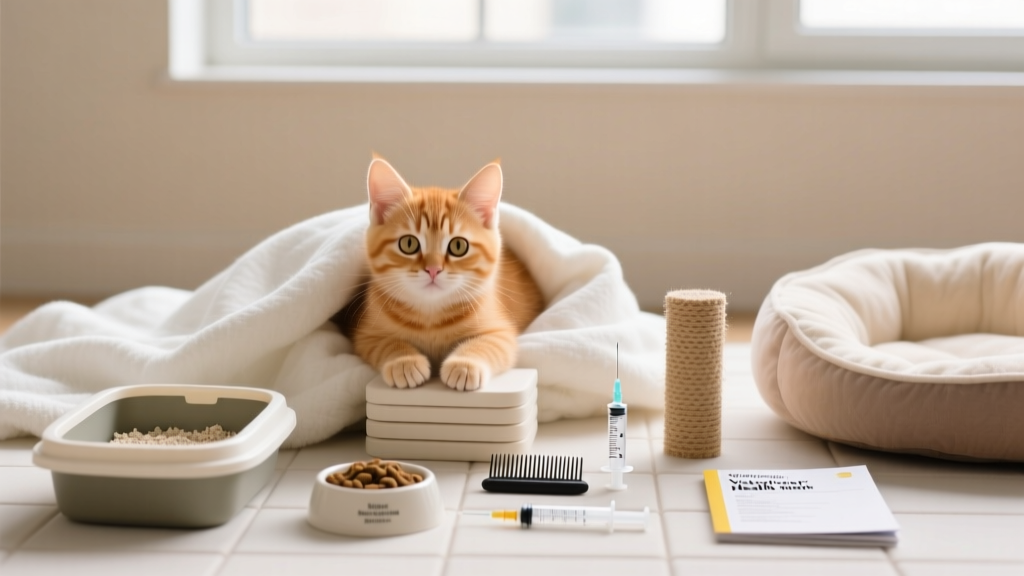
- Safe zone setup: A single quiet room (no stairs, no laundry piles, no dangling cords), with a litter box, food/water bowls placed far apart, and a warm, draft-free sleeping area (a heating pad on low, wrapped in two towels, mimics maternal warmth without burn risk).
Do not bathe, trim nails excessively, or introduce other pets during this phase. Stress is immunosuppressive—and your kitten’s adaptive immunity is still learning to recognize pathogens.
Vaccination & Parasite Prevention: What’s Non-Negotiable (and What’s Optional)
Vaccines aren’t one-size-fits-all—and neither is parasite control. According to the American Association of Feline Practitioners (AAFP) 2023 Guidelines, core vaccines protect against panleukopenia (feline distemper), herpesvirus, and calicivirus—and must begin at 6–8 weeks, repeated every 3–4 weeks until 16 weeks old. Why so many shots? Maternal antibodies wane unpredictably; overlapping doses ensure coverage when immunity dips.
But here’s what most online lists omit: Parasite prevention starts Day 1—not Day 30. Kittens can be born with roundworms (transplacentally) or ingest them via milk. A single fecal floatation misses up to 30% of infections—so vets recommend broad-spectrum dewormers (e.g., fenbendazole) every 2 weeks from 2 weeks old until 12 weeks, regardless of stool test results.
For fleas? Never use dog products (especially those containing permethrin)—they’re fatal to kittens. Safe options include topical selamectin (Revolution) or oral nitenpyram (Capstar) for acute infestations—but only under veterinary guidance. Topical Advantage Multi (imidacloprid + moxidectin) is FDA-approved for kittens as young as 9 weeks and covers fleas, heartworm, and intestinal parasites.
| Milestone Age | Vaccination Required | Parasite Protocol | Key Health Check |
|---|---|---|---|
| 2–4 weeks | None (maternal antibodies active) | Fenbendazole 50 mg/kg daily × 3 days; repeat in 2 weeks | Weight gain: ≥10g/day minimum. Track daily on baby scale. |
| 6–8 weeks | FVRCP (first dose) | Fenbendazole × 3 days; start monthly topical (e.g., Advantage Multi) | First vet exam: auscultation, eye/nose discharge check, ear mite swab |
| 10–12 weeks | FVRCP (second dose); optional FeLV test if outdoor exposure risk | Fecal float + Giardia ELISA test; deworm again if positive | Dental check: deciduous teeth present, no gum swelling or tartar |
| 14–16 weeks | FVRCP (third dose); Rabies (if legally required); FeLV vaccine (if at-risk) | Heartworm test (if regional risk); continue monthly parasite control | Body condition score assessment: ribs palpable but not visible; waist visible from above |
| 5–6 months | Spay/neuter (optimal window per AAFP: before first heat or 5 months) | Switch to adult parasite prevention based on lifestyle (indoor vs. outdoor) | Baseline bloodwork (CBC + chemistry) if high-risk breed or prior illness history |
The Hidden Home Hazards You Can’t Afford to Miss
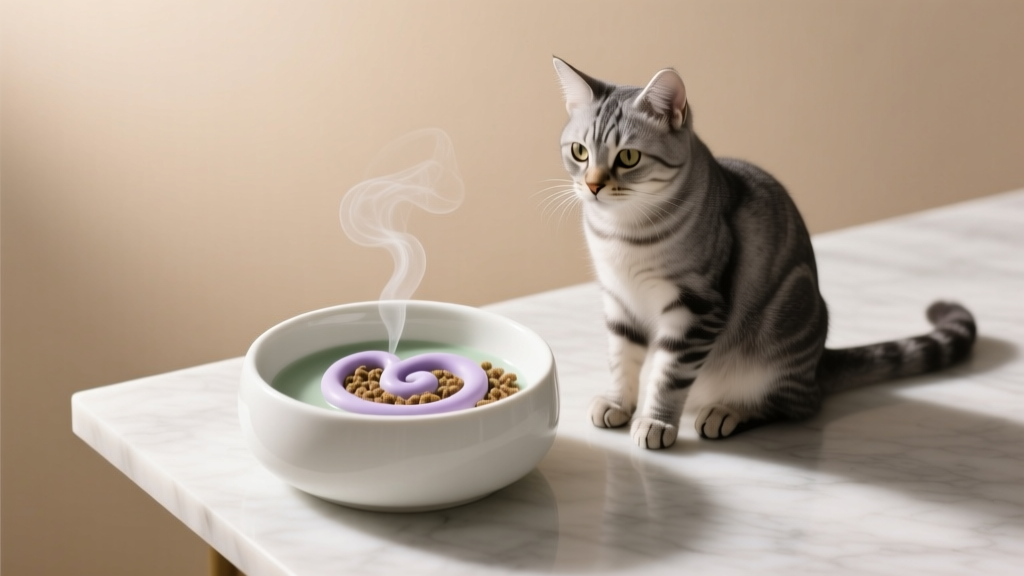
Kittens explore with mouths and paws—and their metabolism processes toxins 3–5x faster than adult cats. That ‘harmless’ lily on your windowsill? All parts are nephrotoxic; ingestion of even one petal causes acute kidney failure within 36 hours. That ‘natural’ essential oil diffuser? Linalool and d-limonene metabolize into liver-damaging compounds in kittens. And yes—yarn, string, and ribbon remain top causes of linear foreign body obstructions requiring emergency surgery.
Here’s your home safety audit, vet-validated:
- Plants: Remove all lilies (Lilium and Hemerocallis spp), sago palms, azaleas, oleander, and philodendron. Keep cut flowers in closed vases—kittens chew stems.
- Cords & wires: Use cord concealers (not tape) and bitter apple spray. Unplug and stow chargers when not in use—chewing exposes live current.
- Chemicals: Store cleaning supplies (especially antifreeze, bleach, and phenol-based disinfectants) in locked cabinets. Even diluted vinegar can erode kitten enamel.
- Small objects: Check floors daily for rubber bands, hair ties, earring backs, and broken toy parts. A 2021 study in Journal of Veterinary Emergency and Critical Care found 68% of GI obstructions in kittens under 12 weeks involved ingestible non-food items.
- Windows & balconies: Install metal mesh screens rated for cat pressure (standard screens tear). Kittens lack depth perception and will leap at birds.
Pro tip: Get down on your hands and knees—and look at your home through kitten-eye level. What’s within paw-reach? That’s your hazard zone.
Nutrition, Hydration & Litter Box Mastery: Beyond 'Just Feed Kitten Food'
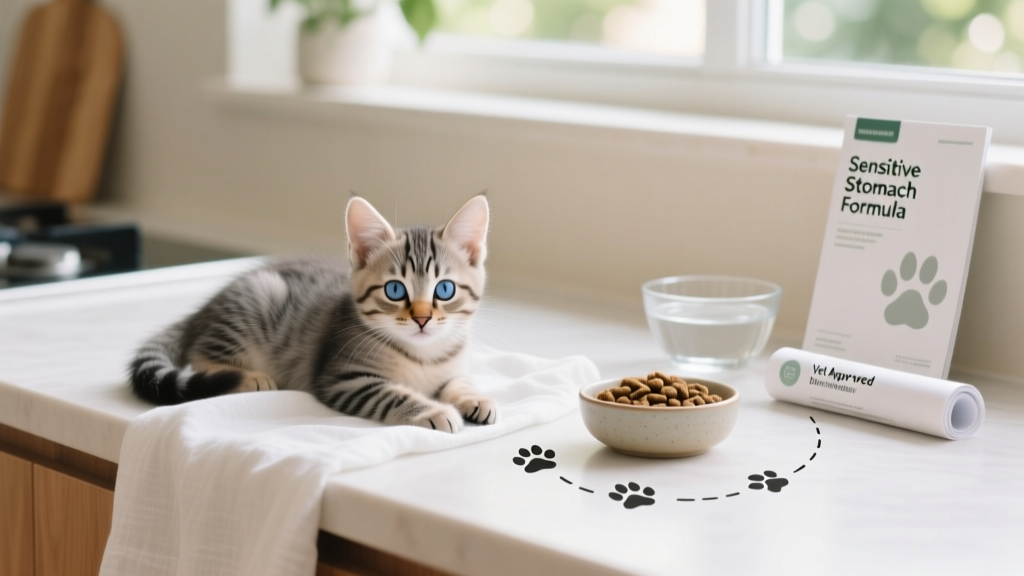
Yes, you need high-quality kitten food—but quality means more than protein percentage. Look for AAFCO statement: 'Formulated for growth' (not 'all life stages'). Why? Kittens require higher taurine (≥0.2%), arginine, calcium:phosphorus ratio (1.2:1), and digestible energy (≥380 kcal/cup). Feeding adult food—even 'premium' brands—can cause dilated cardiomyopathy or skeletal deformities long-term.
Hydration is equally urgent. Kittens dehydrate rapidly due to high surface-area-to-volume ratio and immature kidneys. Wet food should make up ≥70% of intake until 6 months. If your kitten refuses wet food, add warm water (not broth) to kibble to create a gruel—never force-feed.
Litter box success hinges on three non-negotibles: number, placement, and substrate. The rule is n+1: if you have one kitten, provide two boxes. Place one in the safe room, one near where they nap (kittens won’t walk far when small). Avoid scented or clumping clay litters before 12 weeks—inhaled dust irritates airways, and ingestion can cause GI obstruction. Opt for paper-based or pine pellet litter initially.
"I brought Luna home at 7 weeks—she was playful and bright. By Day 4, she stopped eating, had runny eyes, and hid constantly. Turned out her breeder skipped deworming, and she had severe hookworm anemia. Her hemoglobin dropped to 5.8 g/dL (normal: 8–12). We transfused, treated, and she recovered—but it cost $2,400 and three weeks of intensive care. Don’t assume 'healthy-looking' means 'parasite-free.'"
— Maya R., foster parent of 12+ litters
Frequently Asked Questions
When should I take my kitten to the vet for the first time?
Your kitten’s first veterinary visit should occur between 6–8 weeks of age—even if they appear perfectly healthy. This initial exam establishes baseline vitals, confirms vaccination timing, screens for congenital issues (e.g., heart murmurs, hernias), and provides fecal testing and parasite treatment. Delaying beyond 10 weeks increases risk of undetected infection and missed socialization windows.
Can I give my kitten cow’s milk or human baby formula?
No—absolutely not. Kittens lack sufficient lactase after weaning (around 4–6 weeks), making cow’s milk highly likely to cause severe diarrhea, dehydration, and electrolyte imbalance. Human baby formula contains iron levels toxic to kittens and lacks taurine. Use only commercial kitten milk replacer (KMR) warmed to 98–100°F—and never feed with a bottle unless trained (aspiration pneumonia is common). Syringe feeding with proper head tilt is safer for beginners.
How do I know if my kitten is stressed—not sick?
Stress and illness share overlapping signs: hiding, decreased appetite, reduced grooming, and lethargy. Key differentiators: stressed kittens may still drink water and respond to gentle touch; sick kittens often avoid contact entirely, have abnormal temperature (<99°F or >103°F), show labored breathing, or pass abnormal stool (blood, mucus, or black tarry appearance). When in doubt, record a 30-second video of behavior and consult your vet—don’t wait 24 hours.
Is it safe to let my kitten outside at 12 weeks?
No. Outdoor access before 6 months—and ideally not until fully vaccinated, spayed/neutered, and microchipped—is strongly discouraged by the AAFP and ASPCA. Kittens lack predator awareness, cannot defend themselves, and are vulnerable to cars, toxins, infectious diseases (FIV/FeLV), and theft. If you desire outdoor time, invest in a secure catio or leash-training with a harness (never collar) starting at 12 weeks—but only in fully enclosed, supervised spaces.
Do kittens need toys—or is that just for fun?
Toys are neurological necessities—not luxuries. Play builds motor coordination, bite inhibition, and environmental confidence. Without appropriate outlets, kittens redirect predatory drive onto hands, ankles, or furniture. Rotate 3–4 toys weekly (feathers on strings, crinkle balls, tunnels) to maintain novelty. Avoid laser pointers alone—they create frustration without reward; always end with a tangible 'kill' (e.g., treat or stuffed mouse).
Common Myths About Kitten Care
Myth #1: “Kittens don’t need vaccines if they stay indoors.”
False. Indoor kittens are still exposed to viruses via clothing, shoes, and airflow. Feline herpesvirus is airborne and survives on surfaces for up to 18 hours. A single visitor carrying virus particles can infect an unvaccinated kitten—and once infected, herpesvirus becomes latent, causing lifelong flare-ups during stress.
Myth #2: “If my kitten eats well and plays, they’re definitely healthy.”
Incorrect. Kittens mask illness aggressively—a survival instinct. Weight loss may not be visible until 10% of body mass is gone. Subtle signs like slightly dull coat, infrequent blinking, or quieter purring often precede vomiting or lethargy by days. Daily weight tracking is the earliest, most reliable health indicator.
Related Topics (Internal Link Suggestions)
- How to Introduce a Kitten to Other Pets — suggested anchor text: "introducing a kitten to dogs or cats"
- Best Kitten Vaccines and Schedule Explained — suggested anchor text: "kitten vaccination schedule"
- Signs of Illness in Kittens: When to Worry — suggested anchor text: "kitten sickness symptoms"
- Homemade Kitten Formula: Safe Recipes and Risks — suggested anchor text: "kitten milk replacer alternatives"
- Spaying a Kitten: Age, Benefits, and Recovery Timeline — suggested anchor text: "when to spay a kitten"
Next Steps: Your 24-Hour Action Plan
You now know exactly what you need to care for a kitten—not just the 'nice-to-haves,' but the life-sustaining fundamentals backed by veterinary science. Don’t wait for the vet appointment to act: tonight, set up that safe room with proper litter, weigh your kitten on a kitchen scale, and download a free kitten weight tracker app (like Kitten Tracker). Then, call your vet to book the 6–8 week exam—and ask specifically for a fecal test, parasite treatment plan, and printed vaccination timeline. Knowledge is power—but action is protection. Your kitten’s first year depends on the choices you make this week.