Feline Dysautonomia: Key-Gaskell Syndrome Overview
1. Introduction: Why This Topic Matters to Cat Owners
Most cat owners learn to recognize common issues like hairballs, mild tummy upsets, or the occasional sneeze. Feline dysautonomia—also called Key-Gaskell syndrome—is far less common, but it can be serious and fast-changing. It affects the part of your cat’s nervous system that runs “in the background,” controlling vital automatic functions like tear production, pupil size, heart rate, digestion, and bladder emptying.
This condition matters because the early signs can look like everyday problems (constipation, poor appetite, drooling, eye discharge). Knowing what’s normal for your cat and what’s not can help you seek care sooner, improve comfort, and give your cat the best chance at recovery. If your cat shows multiple symptoms at once—especially trouble eating, swallowing, or passing urine—contact a veterinarian promptly.
2. Overview: What Is Feline Dysautonomia (Key-Gaskell Syndrome)?
Feline dysautonomia is a disorder of the autonomic nervous system (ANS). The ANS is responsible for involuntary body functions, including:
- Eye function: pupil size, tear production, blinking
- Digestive movement: swallowing, stomach emptying, intestinal motility
- Saliva production and normal mouth moisture
- Heart and breathing regulation
- Bladder function: urination and bladder emptying
In Key-Gaskell syndrome, the nerves that control these automatic functions don’t signal properly. The result is a cluster of symptoms that can involve the eyes, gastrointestinal tract, and urinary system—often all at once.
This condition is considered rare overall. When it occurs, it may be seen more in certain regions and sometimes appears in small “clusters.” Even so, most cats with constipation or eye discharge do not have dysautonomia. A veterinarian will look for a specific pattern of signs and will rule out more common causes first.
3. Symptoms and Warning Signs to Watch For
Because dysautonomia can affect multiple body systems, the signs may seem unrelated at first. Contact your veterinarian if your cat has a combination of the following, especially if signs develop over days to a couple of weeks.
Common signs (often seen together)
- Loss of appetite or reluctance to eat
- Weight loss
- Constipation or little/no stool production
- Regurgitation (food coming back up without retching) or vomiting
- Difficulty swallowing, gagging, or repeated swallowing attempts
- Drooling or abnormal mouth dryness
- Dehydration
Eye and facial signs
- Large, dilated pupils that don’t respond normally to light
- Third eyelid elevation (a pale membrane partially covering the eye)
- Dry eyes (reduced tear production), thick discharge, squinting
- Reduced blinking
Urinary signs
- Straining to urinate or producing only small amounts
- Increased bladder size (may feel firm or enlarged)
- Urine dribbling or accidents outside the litter box
Other possible signs
- Weakness, lethargy, reluctance to move
- Slow heart rate or abnormal heart rhythms (found on exam)
- Nasal discharge or recurrent respiratory congestion (sometimes related to regurgitation/aspiration risk)
Practical “at-home” checks you can do today
- Track litter box output: daily stool and urine amount matters more than you might think.
- Watch how your cat eats: dropping food, chewing but not swallowing, or repeated gulping are red flags.
- Look at the eyes in normal room light: persistently wide pupils or a raised third eyelid warrants a veterinary call.
- Check hydration: sticky gums, sunken eyes, or poor skin elasticity can indicate dehydration (a vet should confirm).
4. Causes and Risk Factors
The exact cause of feline dysautonomia is still not fully understood. It is believed to involve damage or dysfunction of autonomic nerve cells, but why that damage occurs can be unclear in an individual cat.
Proposed causes (not always proven)
- Toxin exposure: certain environmental toxins have been suspected in some outbreaks.
- Infectious triggers: a virus or bacterial toxin has been proposed, but a single consistent cause hasn’t been confirmed.
- Immune-mediated mechanisms: the body’s immune response may play a role in nerve injury in some cases.
Possible risk factors
- Outdoor access or exposure to barns/stables (reported in some geographic clusters)
- Multi-cat environments (not because it’s clearly contagious, but because shared exposures are more likely)
- Young adult cats are sometimes overrepresented, though cats of many ages can be affected
Since the cause is uncertain, the most helpful approach for owners is focusing on early recognition and prompt veterinary care rather than trying to pinpoint a single exposure at home.
5. Diagnosis: Methods and What to Expect at the Vet
There is no single quick home test for dysautonomia. Diagnosis is based on a combination of clinical signs, examination findings, and tests that rule out other diseases. Your vet may recommend referral to an internal medicine specialist if the case is complex.
History and physical exam
Your veterinarian will ask about appetite, vomiting/regurgitation, stool quality, urination, and any environmental changes. During the exam, they may look for:
- Dilated pupils with abnormal light response
- Dry eyes and reduced tear production
- Dehydration and weight loss
- Constipation, gas distension, or a full bladder
- Slow heart rate or abnormal rhythms
Common diagnostic tests
- Schirmer tear test: measures tear production to identify dry eye.
- Bloodwork (CBC/chemistry/electrolytes): checks hydration status, organ function, infection/inflammation markers.
- Urinalysis: evaluates hydration, infection, and kidney-related concerns.
- X-rays (radiographs): can show constipation, gas distension, enlarged esophagus (megaesophagus), or bladder enlargement.
- Ultrasound: may be used to assess the GI tract and urinary system.
Specialized testing
In some cases, vets may use certain pharmacologic eye tests to evaluate autonomic function (how the pupils respond to specific medications). These are performed in-clinic and interpreted alongside the full clinical picture.
Because many conditions can mimic parts of dysautonomia (intestinal obstruction, toxin ingestion, kidney disease, urinary blockage, severe dental disease, neurologic disorders), your vet’s first priority is to identify and treat anything immediately life-threatening.
6. Treatment Options (Medical, Procedural, and Home Care)
Treatment focuses on supporting affected body systems while the nervous system attempts to recover. Some cats improve over time; others need long-term supportive care.
Hospital care (often needed initially)
- Fluid therapy (IV or under the skin) to correct dehydration and electrolyte imbalances
- Nutritional support: appetite stimulants, assisted feeding, or feeding tube placement if your cat can’t safely eat enough
- Medications for nausea and GI discomfort
- Constipation management: stool softeners, enemas performed by veterinary staff, motility support as appropriate
- Bladder support: monitoring urine output, helping your cat urinate if they can’t empty the bladder fully
Eye care
- Lubricating eye drops/ointments to protect the cornea
- Medicated eye treatments if secondary infection or ulcers are present
Feeding tube (procedural support)
If swallowing is unsafe or your cat cannot meet calorie needs, your vet may recommend a feeding tube (commonly an esophagostomy tube). This can be a relief for many owners because it allows:
- Reliable nutrition and hydration support
- Medication delivery with less stress
- Safer feeding if regurgitation risk is high
Home care you can act on immediately (with veterinary guidance)
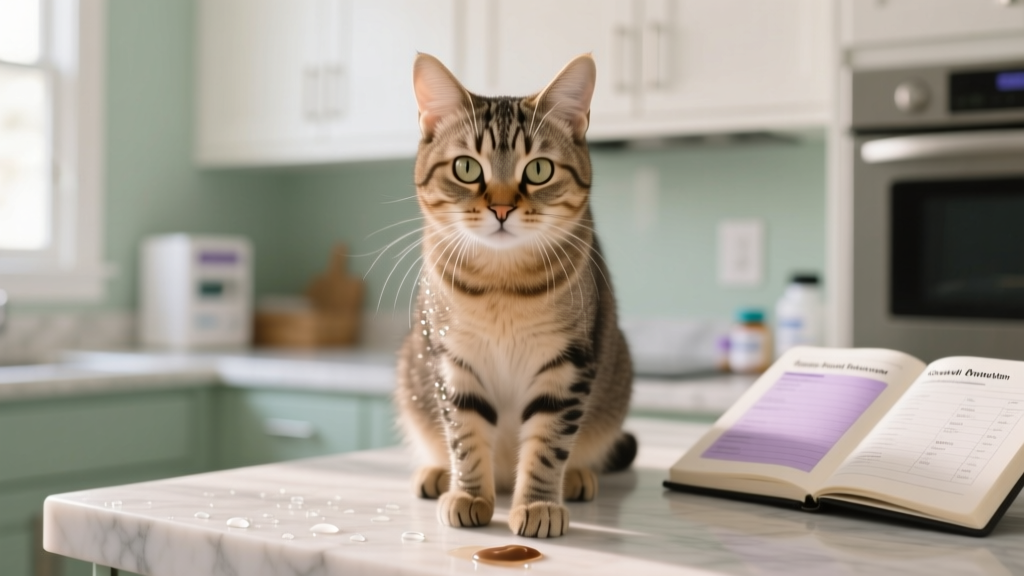
- Measure food and water intake and keep a daily log.
- Track litter box output (stool frequency/size; urine clumps).
- Give medications exactly as prescribed; do not stop abruptly unless your vet instructs you.
- Offer small, frequent meals if your vet says oral feeding is safe.
- Keep your cat warm, quiet, and low-stress; limit jumping if weak.
- Use lubricating eye products only as directed—some human drops are unsafe for cats.
Never attempt enemas, manual bladder expression, or force-feeding at home unless your veterinarian has trained you and confirmed it’s safe for your cat. These can cause serious complications if done incorrectly.
7. Prevention Strategies and Early Detection Tips
Because the underlying cause is uncertain, prevention focuses on reducing avoidable risks and catching problems early.
Risk-reduction steps
- Limit exposure to unknown toxins: store chemicals securely, avoid rodenticides, and be cautious with pesticides.
- Choose safe plants and remove toxic ones from your home and yard.
- Support food safety: keep food fresh, prevent access to spoiled trash/compost.
- Consider supervised outdoor time rather than free roaming if your area has higher toxin or infectious exposure risks.
Early detection habits
- Weekly weight checks (a baby scale works well for many cats).
- Monthly “nose-to-tail” checks: eyes, gums, coat, and hydration.
- Prompt vet visits for constipation lasting >48 hours, repeated regurgitation, or noticeable changes in pupil size/eye moisture.
If you ever feel your cat is “just not themselves” and multiple systems seem affected (eyes + gut + bladder), trust that instinct and call your veterinarian.
8. Prognosis and Quality of Life Considerations
The prognosis for feline dysautonomia can vary widely. Some cats improve with aggressive supportive care and time, while others may have persistent complications. Factors that can influence outcome include:
- Severity at diagnosis (dehydration, malnutrition, aspiration pneumonia risk)
- Ability to maintain nutrition and hydration
- Complications such as corneal ulcers, recurrent constipation, or urinary infections
- Response to supportive therapy over the first days to weeks
Quality of life is a valid and compassionate focus. Many cats can be comfortable at home with:
- Reliable nutrition support (sometimes via feeding tube temporarily)
- Good eye comfort management
- Regular vet rechecks and adjustments to medications
Your veterinary team can help you monitor objective markers—weight trends, hydration, litter box output, and comfort—so decisions are guided by your cat’s well-being rather than guesswork.
9. When to Seek Emergency Veterinary Care
Seek emergency care (ER or urgent appointment) if you notice any of the following:
- Inability to urinate, repeated straining, crying in the litter box, or a very large/firm abdomen
- Severe lethargy, collapse, or unresponsiveness
- Repeated regurgitation or suspected choking, especially with breathing changes
- Open-mouth breathing, rapid breathing, or blue/pale gums
- Signs of severe dehydration (very tacky gums, profound weakness)
- Eye emergency signs: squinting hard, keeping an eye closed, sudden cloudiness, or suspected corneal ulcer
If you’re unsure whether it’s an emergency, call your veterinarian or an emergency clinic and describe your cat’s symptoms and timeline.
10. FAQ: Common Questions Cat Owners Ask
Is feline dysautonomia contagious to other cats?
It is not considered reliably contagious in the way many respiratory viruses are. However, because some cases have occurred in clusters, veterinarians may consider shared environmental exposures. If you have multiple cats, speak with your vet about practical precautions and monitoring.
How is dysautonomia different from simple constipation?
Simple constipation usually occurs without the full-body pattern seen in dysautonomia. With Key-Gaskell syndrome, you may see constipation plus eye changes (dry eyes, dilated pupils), swallowing issues, regurgitation, and bladder emptying problems. Any constipation lasting more than 48 hours, especially with appetite loss, deserves a veterinary visit.
Can my cat recover from Key-Gaskell syndrome?
Some cats improve with time and supportive care, particularly when dehydration and nutritional deficits are addressed early. Recovery can be slow, and ongoing management may be needed. Your veterinarian can give the most accurate outlook based on your cat’s severity and response to treatment.
Will my cat need a feeding tube?
Not every cat needs one, but feeding tubes are commonly recommended when cats can’t eat enough or swallowing is unsafe. Many owners find tubes less stressful than repeated syringe-feeding, and they can be temporary while your cat regains function.
What should I monitor at home during treatment?
Focus on objective, trackable items:
- Daily appetite and amount eaten
- Water intake (if measurable)
- Vomiting/regurgitation episodes (time and description)
- Stool frequency and consistency
- Urination frequency and volume
- Weight (as directed by your vet)
- Eye comfort (squinting, discharge, redness)
Could these signs be something else?
Yes. Many conditions can mimic parts of dysautonomia, including intestinal blockage, poisoning, kidney disease, diabetes, urinary tract disease, and neurologic disorders. That’s why a veterinary exam and diagnostics are essential. If your cat has multiple symptoms across different body systems, schedule a visit as soon as possible.
If you’re worried your cat may be showing signs consistent with feline dysautonomia, your veterinarian is your best partner for timely diagnosis and supportive care. For more cat health guides, symptom check tips, and wellness resources, visit catloversbase.com.