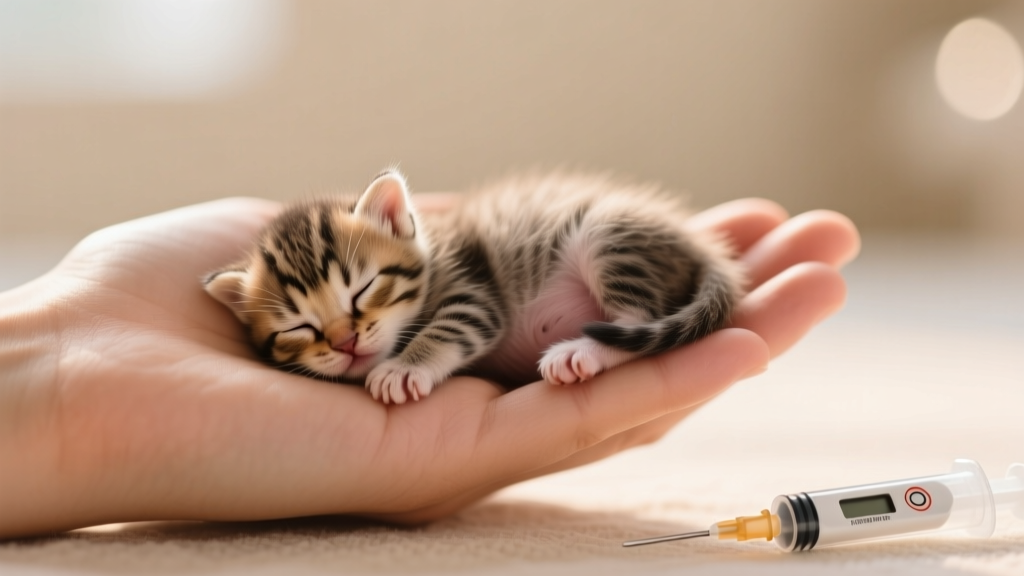
How to Take Care of a 2 Day Old Kitten: The First 72 Hours Are Critical — A Step-by-Step Lifesaving Protocol (No Vet? Do This Immediately)
Why This First 48–72 Hours Decide Survival
If you're asking how to take care of a 2 day old kitten, you’re likely holding a fragile, unresponsive, or visibly struggling newborn — and time is measured in hours, not days. At just 48 hours old, kittens cannot regulate their own body temperature, cannot urinate or defecate without stimulation, cannot nurse effectively without proper positioning and strength, and have zero immune defense against infection. According to the American Veterinary Medical Association (AVMA), over 30% of neonatal kitten mortality occurs within the first week — and the majority of those deaths are preventable with precise, evidence-based intervention. This isn’t about ‘cute pet care’ — it’s intensive neonatal medicine at home. What you do in the next few hours directly determines whether this tiny life thrives or fades.
1. Stabilize Temperature & Environment: Warmth Is Non-Negotiable
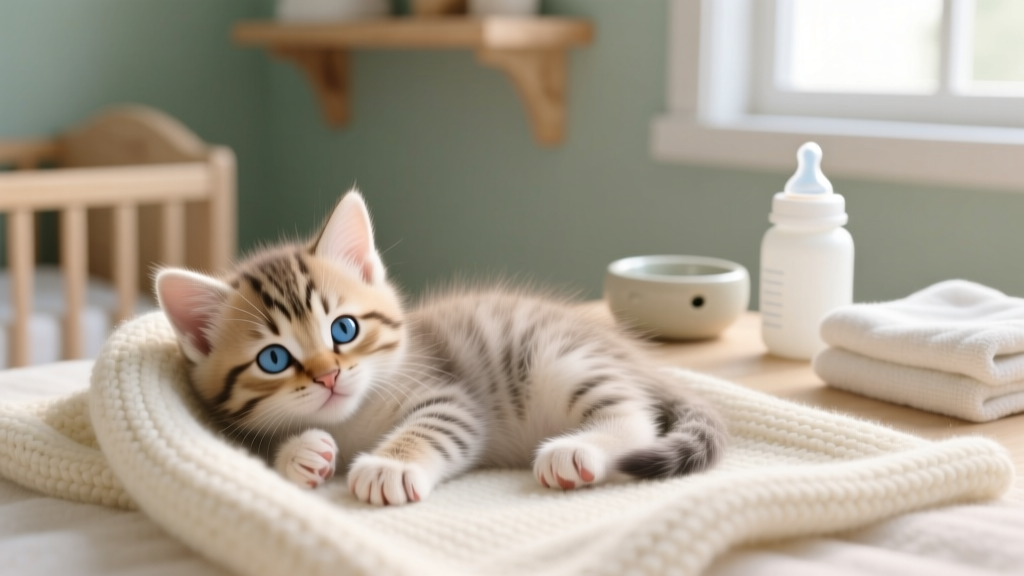
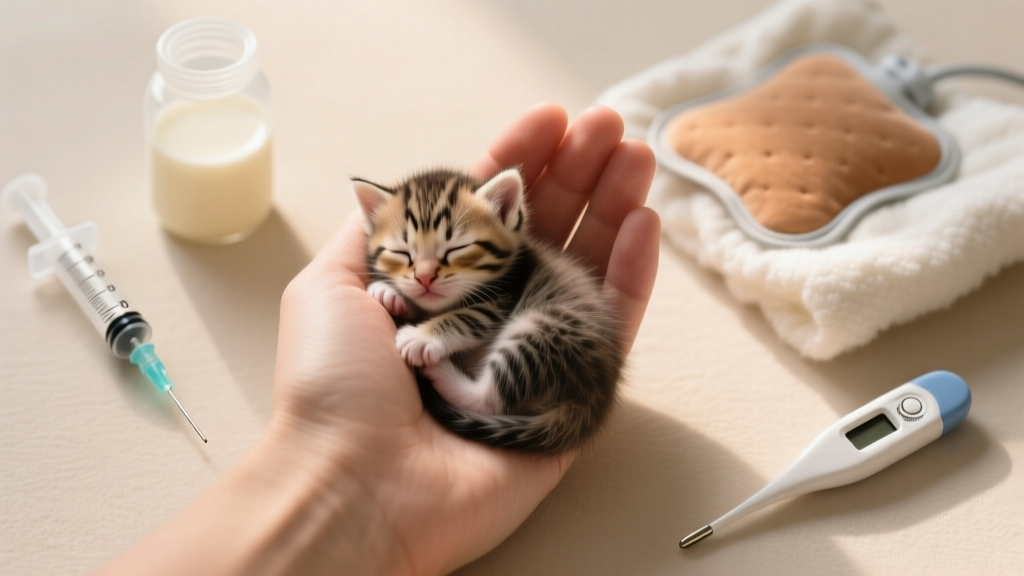
A 2-day-old kitten’s normal rectal temperature should be 95–99°F (35–37.2°C). Below 94°F, they enter hypothermic shock — heart rate slows, digestion halts, and suckling reflex disappears. Unlike older cats, newborns lose heat 3x faster due to high surface-area-to-body-mass ratio and lack of fur insulation. Never use heating pads alone — they cause burns or overheating. Instead, create a multi-layered thermal nest:
- Base layer: A microwavable rice sock (heat for 30 sec, wrap in two layers of thin towel) placed *under* half the nesting box — so the kitten can move away if too warm.
- Middle layer: A soft, non-fraying fleece blanket folded into a shallow ‘nest’ — no loose threads that could entangle tiny paws.
- Top layer: A breathable cotton coverlet draped loosely over the kitten (not tucked in) to retain ambient warmth without suffocation risk.
Monitor temperature every 30 minutes using a digital rectal thermometer (lubricated with water-based lube). Dr. Linda H. Pickett, DVM, neonatal feline specialist at Cornell Feline Health Center, stresses: “A kitten below 94°F needs immediate warming *before* feeding — cold kittens cannot digest milk, and feeding them risks aspiration pneumonia.” Keep ambient room temperature at 85–90°F, and avoid drafts, air conditioning vents, or windows.
2. Feeding Protocol: Precision Nutrition Every 2–3 Hours
At 2 days old, kittens require 13–15 mL of formula per 100g body weight per day — divided into feedings every 2–3 hours, including overnight. That means a 100g kitten needs ~1.3–1.5 mL per feeding — roughly 1/4 teaspoon. Overfeeding causes bloat, diarrhea, and fatal aspiration; underfeeding leads to rapid hypoglycemia and weakness.
Formula choice matters critically: Never use cow’s milk, goat’s milk, human baby formula, or homemade recipes. These lack taurine, proper fat ratios, and digestible proteins — and cause severe osmotic diarrhea that dehydrates kittens within hours. Use only commercial kitten milk replacer (KMR) or similar vet-approved formulas like PetAg KMR or Breeder’s Edge Foster Care. Reconstitute precisely per label instructions — even slight dilution errors disrupt electrolyte balance.
Feeding technique is equally vital:
- Warm formula to 98–100°F (test on inner wrist — should feel neutral, not warm).
- Use a 1–3 mL oral syringe (no needle) or kitten nursing bottle with ultra-fine nipple hole — test flow: one drop should fall per second when inverted.
- Hold kitten belly-down, slightly angled forward (never on back — aspiration risk), head level with spine. Gently touch nipple to upper lip to trigger rooting reflex.
- Feed slowly — allow natural suck-swallow rhythm. Stop if kitten pauses, pushes away, or coughs.
- Weigh daily at same time on a gram-scale — expect 5–10g gain per day. No gain or weight loss = immediate red flag.
A real-world case: When foster caregiver Maya rescued three 36-hour-old orphaned kittens, she initially used warmed goat’s milk. Within 12 hours, two developed explosive yellow diarrhea and lethargy. After switching to KMR and strict 2.5-hour feeding intervals, all stabilized by day 4 — but the delay cost one kitten 18 hours of critical caloric deficit. Precision saves lives.
3. Stimulation & Hygiene: The Elimination Lifeline
Kittens under 3 weeks old cannot urinate or defecate without external stimulation — a biological necessity wired to maternal licking. Failure to stimulate leads to toxic buildup, urinary retention, bladder rupture, or constipation-induced sepsis. You must replicate this manually — every single time after feeding.
How to stimulate correctly:
- Use a warm, damp cotton ball or soft tissue (never Q-tip — risk of injury).
- Gently stroke the genital and anal area in downward motions — mimicking tongue motion — for 30–60 seconds until urine or stool appears.
- Observe output: Urine should be pale yellow and clear; stool should be mustard-yellow, soft, and semi-formed. Dark, green, or bloody stool signals infection or formula intolerance.
- Wipe gently with fresh tissue after each session — never reuse.
Hygiene extends beyond elimination: Clean the nesting area daily with diluted chlorhexidine (0.05%) — never bleach or alcohol, which damage delicate skin and respiratory tracts. Wash hands thoroughly before and after handling. If the kitten has dried formula crusted on its face or paws, soften with warm water and gently wipe — never scrub.
Dr. Susan Little, DVM and feline specialist, notes: “I’ve seen more neonatal deaths from improper stimulation than from malnutrition. It’s not optional — it’s as essential as breathing.”
4. Monitoring & Red Flags: Recognizing Crisis Before It Escalates
At 2 days old, kittens don’t ‘act sick’ — they deteriorate silently. Watch for these subtle but urgent signs:
- Cool extremities (ears, paws, tail tip colder than body core)
- No suck reflex (won’t latch or weak, intermittent sucking)
- High-pitched, continuous mewing (sign of pain or distress — not hunger)
- Weak or absent cry (lethargy progressing to coma)
- No stool or urine after 3+ stimulations
- Blue-tinged gums or tongue (cyanosis = oxygen deprivation)
If any appear, initiate emergency warming and contact a veterinarian *immediately*. Even if your local clinic doesn’t treat exotics, call ahead — many will triage over phone or direct you to an emergency feline hospital. Keep a list of nearby 24/7 vets and feline specialists saved in your phone now.
| Age | Key Developmental Milestones | Critical Care Actions | Warning Signs Requiring Vet Visit |
|---|---|---|---|
| 0–48 hours | Eye slits closed; ears folded; no righting reflex; dependent on mother for all functions | Warmth maintenance; feeding every 2–3 hrs; stimulation after every feed; daily weighing | No weight gain; no urine/stool after 3 stimulations; cool to touch; weak cry or silence |
| 3–7 days | Eyes begin opening (usually day 5–7); ear canals start unfolding; begins crawling | Continue feeding schedule; increase stimulation duration; introduce gentle handling (2–5 min/day) | One eye opens but other remains sealed >24 hrs; pus-like discharge; refusal to feed >2 sessions |
| 8–14 days | Eyes fully open; hearing develops; begins social smiling; attempts standing | Introduce small litter box with shredded paper; monitor for early play behavior; begin weaning prep | Cloudy eyes; head tilt; inability to stand by day 12; persistent diarrhea >24 hrs |
| 15–21 days | Teeth erupt; walks confidently; begins grooming; vocalizes more | Start gruel (KMR + wet food); introduce shallow water dish; socialize with humans & littermates | Blood in stool; labored breathing; seizures; failure to gain >10g/day |
Frequently Asked Questions
Can I feed a 2-day-old kitten with a dropper instead of a bottle?
Yes — and often, it’s safer. Droppers (or 1–3 mL oral syringes) give you superior control over flow rate and volume, reducing aspiration risk. Bottle nipples can deliver too much too fast if the hole is oversized or the kitten is weak. Always hold the kitten upright and let them suck at their own pace — never force formula into the mouth. If the kitten gags or bubbles at the nose, stop immediately and reposition.
How do I know if my kitten is getting enough to eat?
Track weight daily on a gram-scale — consistent 5–10g gain is the gold standard. Also observe belly fullness: after feeding, the abdomen should be gently rounded (like a soft marble), not tight or distended. A well-fed kitten sleeps quietly between feeds; excessive crying, restlessness, or constant rooting indicate hunger or discomfort. Remember: 2-day-olds nurse 10–12 times per 24 hours — missing even one feeding risks hypoglycemia.
Is it normal for a 2-day-old kitten to sleep almost constantly?
Yes — and essential. Kittens sleep 22+ hours per day to conserve energy for growth and immune development. However, they should rouse predictably for feeds and respond to stimulation. If a kitten lies limp, doesn’t lift its head when held upright, or fails to root when offered a nipple, that’s not deep sleep — it’s lethargy signaling neurological depression, infection, or metabolic crisis. Immediate warming and vet assessment are required.
What if the kitten’s eyes haven’t opened yet — is that okay at 2 days old?
Absolutely normal. Kittens’ eyes remain tightly sealed for the first 5–14 days to protect developing retinas. Do not attempt to pry them open — doing so can cause permanent damage or infection. Gently clean any crust with warm water and sterile gauze if needed, but never apply pressure. If swelling, redness, or pus appears around the eyelids by day 4, contact a vet — this may indicate neonatal conjunctivitis, requiring topical antibiotics.
Can I bathe a 2-day-old kitten to clean it?
No — absolutely not. Bathing causes catastrophic heat loss and stress. Neonatal kittens cannot thermoregulate or dry themselves, and immersion increases pneumonia and hypothermia risk tenfold. Spot-clean only with warm, damp cotton balls — never submerge or use soap. If the kitten is soiled with feces or formula, gently wipe with water-warmed gauze and pat dry with a soft towel. Full bathing should wait until after 8 weeks and only if medically necessary.
Common Myths Debunked
Myth #1: “If the mother abandoned them, they’re defective or unhealthy.”
False. Queens abandon kittens for many benign reasons — stress, overcrowding, perceived threat, or even strong human scent on the kittens. Abandonment does not equal illness. Always assess vital signs (temp, weight, reflexes) before assuming poor health.
Myth #2: “Honey or sugar water helps a weak kitten regain energy.”
Dangerous. Neonatal kittens cannot metabolize sucrose or fructose — honey carries botulism spores, and sugar water causes dangerous osmotic shifts and diarrhea. Only use properly balanced kitten formula or, in true emergencies, a 5% dextrose solution under veterinary guidance.
Related Topics (Internal Link Suggestions)
- Kitten feeding schedule by age — suggested anchor text: "kitten feeding chart by age and weight"
- Signs of kitten dehydration — suggested anchor text: "how to tell if a kitten is dehydrated"
- Neonatal kitten survival kit — suggested anchor text: "what to buy for orphaned newborn kittens"
- When do kittens open their eyes? — suggested anchor text: "kitten eye opening timeline"
- How to stimulate a kitten to poop — suggested anchor text: "how to help newborn kitten poop"
Your Next Step: Act With Confidence, Not Panic
You now hold the most critical toolkit for saving a 2-day-old kitten’s life — grounded in veterinary science, real-world foster experience, and neonatal physiology. But knowledge alone isn’t enough: weigh your kitten now, check its temperature, prepare sterile formula at the correct temperature, and set a timer for the next feeding — all within the next 15 minutes. Delaying warmth or nutrition by even one hour compounds risk exponentially. If you’re unsure about any step — especially if you see cyanosis, no suck reflex, or no elimination — call a vet *while you warm the kitten*. Don’t wait for ‘more symptoms.’ In neonatal care, urgency is compassion. You’ve got this — and that tiny life is counting on you.