Feline Hyperthyroidism Radioactive Iodine Treatment Guide
1. Why this topic matters for cat owners
Feline hyperthyroidism is one of the most common hormonal diseases in older cats. It can sneak up on even very attentive pet parents because many early signs look like “normal aging” or a cat simply having a bigger appetite. Left untreated, hyperthyroidism can strain the heart, raise blood pressure, and contribute to weight loss and weakness.
The good news: it’s very treatable. Radioactive iodine (often written as I-131) is considered a leading treatment because it targets the overactive thyroid tissue directly and can cure the condition in a single treatment. This guide explains what hyperthyroidism is, what to watch for, how vets diagnose it, and what to expect if your cat is a candidate for radioactive iodine therapy.
2. Overview of feline hyperthyroidism (plain-language medical explanation)
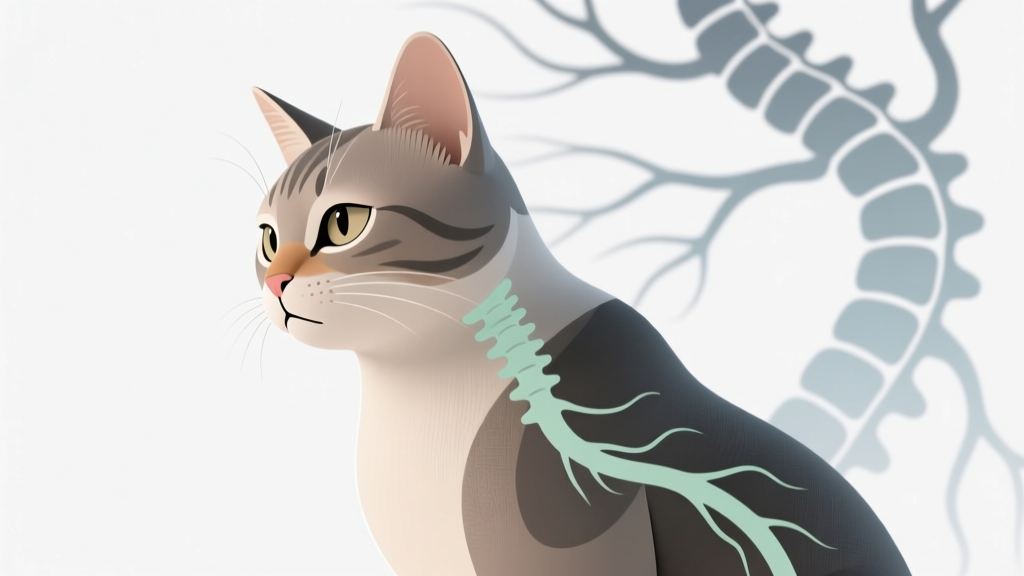
Your cat’s thyroid glands sit in the neck and produce hormones (primarily T4) that control metabolism—how fast the body uses energy. In hyperthyroidism, the thyroid produces too much hormone, causing the body to run “too fast.”
In most cats, hyperthyroidism is caused by a benign (non-cancerous) enlargement of the thyroid tissue, often affecting one or both glands. Excess thyroid hormone can impact many systems:
- Heart: faster heart rate, murmurs, thickened heart muscle over time
- Blood pressure: may become high, risking eye and kidney damage
- Muscles and weight: weight loss despite eating well
- Digestive system: vomiting, diarrhea, increased stool volume
- Behavior: restlessness, yowling, irritability
Some cats also have chronic kidney disease (CKD) at the same time. Hyperthyroidism can mask CKD by increasing blood flow to the kidneys, which is one reason vets are careful about treatment planning and follow-up testing.
3. Symptoms and warning signs to watch for
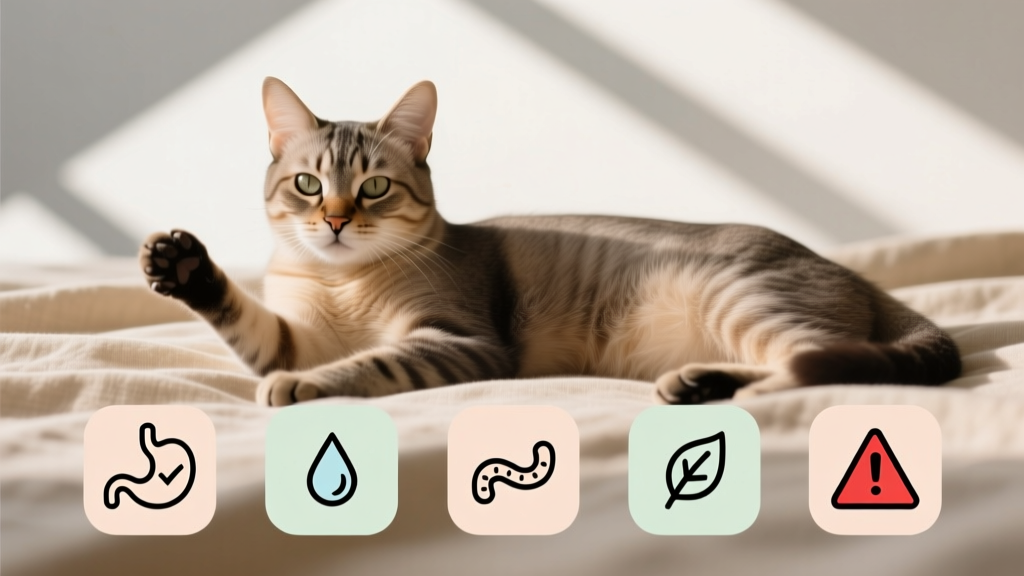
Not every cat shows every sign. Many owners first notice subtle changes at home. Contact your veterinarian if you see any of the following, especially in cats over 8–10 years old:
- Weight loss even though your cat is eating normally or more than usual
- Increased appetite (begging, stealing food, waking you for meals)
- Hyperactivity or restlessness, pacing, trouble settling
- More vocal (yowling, especially at night)
- Vomiting or frequent hairballs that are new for your cat
- Diarrhea or larger, more frequent stools
- Drinking and urinating more (bigger clumps in the litter box)
- Rapid breathing at rest, panting, or seeming easily tired
- Unkempt coat or less grooming
- Fast heart rate (a vet may detect this during an exam)
Action you can take today: Weigh your cat weekly (a baby scale works well), track appetite and water intake, and bring notes or videos to your appointment. Patterns help your vet make faster, better decisions.
4. Causes and risk factors
The exact cause of hyperthyroidism isn’t fully understood, but research suggests multiple factors may contribute. What we do know is:
- Age is the biggest risk factor. Most cats are diagnosed in their senior years.
- Benign thyroid changes (adenomatous hyperplasia or adenoma) are responsible for the vast majority of cases.
- Rarely, thyroid cancer can cause hyperthyroidism.
Potential risk factors that have been studied include diet type, certain environmental exposures, and household chemicals. These links are not consistent enough to blame one specific product in an individual cat’s case.
What matters most for owners: early recognition, routine senior screening, and working closely with a veterinarian to choose the safest treatment plan for your cat’s whole-body health.
5. Diagnosis methods and what to expect at the vet
Diagnosis typically involves a combination of history, physical exam findings, and bloodwork. Here’s what a standard workup often includes:
- Physical exam: Your vet checks weight, heart rate/rhythm, and may feel an enlarged thyroid “nodule” in the neck.
- Total T4 blood test: A key screening test; many hyperthyroid cats have elevated T4.
- Additional thyroid testing: If T4 is normal but suspicion remains, your vet may recommend free T4, T3, or repeat testing.
- General labwork: CBC, chemistry panel, and urinalysis help assess kidney and liver health, hydration status, and other conditions that can look similar.
- Blood pressure measurement: High blood pressure is common and treatable.
- Heart evaluation: Your vet may recommend chest X-rays, an ECG, or an echocardiogram if there are concerns.
If radioactive iodine is being considered, some clinics perform thyroid imaging (such as a thyroid scan) to confirm overactive tissue location and help guide dosing. Your vet will also talk through your cat’s lifestyle and your household situation, since post-treatment radiation safety rules matter.
6. Treatment options (medical, surgical, home care)
There are several effective ways to manage feline hyperthyroidism. The “best” option depends on your cat’s health, your budget, your ability to give medication, and local availability.
Radioactive iodine (I-131): the focus of this guide
How it works: I-131 is given as an injection (sometimes an oral dose, depending on the facility). Overactive thyroid cells absorb iodine more eagerly than normal tissue. The radioactive iodine concentrates in the abnormal thyroid tissue and gradually destroys it while sparing most normal thyroid cells and other organs.
Why many vets recommend it:
- Curative in most cases with a single treatment
- No daily medication once successful
- Targets abnormal thyroid tissue specifically
- Avoids anesthesia (helpful for older cats)
What your cat’s stay may look like: Laws and facility protocols vary by region, but cats generally stay in a special ward for several days to a couple of weeks while radiation levels decrease to safe limits. Staff handle cats carefully and limit direct contact time, but they still provide food, cleaning, and monitoring.
Preparing for treatment:
- Expect pre-treatment bloodwork and blood pressure checks.
- Your vet may start a short trial of anti-thyroid medication first (see below) to see how kidney values behave when thyroid hormone normalizes.
- Ask about diet, medications, and timing before admission.
After-care at home (typical guidance): Your clinic will provide written instructions. Common precautions for a short period include:
- Litter box handling: Use gloves, scoop waste daily, and follow instructions for storing/disposing of waste (often double-bagging). Pregnant people and young children should avoid litter duties during the restricted period.
- Limit close contact: Avoid long cuddle sessions and keep your cat from sleeping on your pillow or lap for extended periods until cleared.
- Indoor-only period: Many facilities require keeping cats indoors for a set time to prevent environmental contamination and to reduce the chance of your cat wandering off.
Possible side effects/risks:
- Hypothyroidism (thyroid becomes underactive) can occur and may require supplementation.
- Unmasking kidney disease: As metabolism normalizes, CKD may become more apparent. This is why follow-up labwork is essential.
- Treatment failure or relapse is uncommon but possible; a second treatment may be recommended in some cases.
Follow-up: Most cats need rechecks of T4 and kidney values at scheduled intervals (often around 1 month, then 3 months, then as advised). Always follow your veterinarian’s timeline; don’t guess based on symptom improvement.
Medical management (anti-thyroid medication)
The most common medication is methimazole (or carbimazole in some regions). It reduces thyroid hormone production.
- Pros: No hospitalization; lower upfront cost; can be a good “trial” to assess kidney function.
- Cons: Requires daily dosing long-term; side effects can include vomiting, poor appetite, facial itching, liver enzyme changes, and low white blood cell or platelet counts. Regular blood monitoring is necessary.
For cats that are difficult to pill, some formulations can be compounded (for example, transdermal gel). Discuss pros/cons with your veterinarian, since absorption and consistency can vary.
Surgery (thyroidectomy)
Surgical removal of the affected thyroid tissue can be curative, but it involves anesthesia and technical considerations.
- Pros: Potential cure; no radiation precautions.
- Cons: Anesthesia risk in older cats; possible damage to nearby parathyroid glands (affecting calcium levels); may not address ectopic thyroid tissue (abnormal thyroid tissue in another location) if present.
Prescription diet therapy (iodine-restricted diets)
A prescription iodine-restricted diet can lower thyroid hormone production in some cats if fed exclusively.
- Pros: Non-invasive; no pills.
- Cons: Must be the only food (no treats, flavored meds, table scraps); not a cure; may be challenging in multi-cat households.
Home care support (for any treatment plan)
- Track weight weekly and appetite daily.
- Keep litter boxes clean and monitor urine/stool changes.
- Use a calm feeding routine to reduce stress-driven begging.
- Give medications exactly as prescribed and don’t stop abruptly without veterinary guidance.
7. Prevention strategies and early detection tips
There is no guaranteed way to prevent hyperthyroidism, but you can catch it early and protect your cat’s organs:
- Schedule senior wellness exams (typically every 6 months for cats over 10).
- Ask for routine screening labwork including T4, kidney values, and urinalysis.
- Request blood pressure checks at least yearly in senior cats.
- Monitor weight at home and don’t ignore gradual loss.
- Watch behavior changes (night yowling, restlessness) as possible medical signs, not “just aging.”
If your cat has been diagnosed, early follow-up is part of prevention too—preventing complications like hypertension-related eye damage or heart strain.
8. Prognosis and quality of life considerations
With appropriate treatment and monitoring, most hyperthyroid cats do very well and regain weight, muscle tone, and a more comfortable energy level. Many owners notice their cat becomes more settled, sleeps better, and seems “like themselves” again once hormone levels normalize.
Quality of life depends on:
- How early the disease is caught
- Whether high blood pressure is controlled
- Heart health at diagnosis
- Kidney function before and after treatment
- Follow-up consistency (lab monitoring and vet rechecks)
Radioactive iodine offers an excellent long-term outlook for many cats because it removes the need for lifelong daily medication. That said, some cats will need ongoing support for kidneys, blood pressure, or other age-related issues—and that’s normal senior-cat care, not a treatment “failure.”
9. When to seek emergency veterinary care
Hyperthyroidism usually isn’t an immediate emergency, but complications can become urgent. Seek prompt veterinary care (urgent clinic or ER) if you notice:
- Open-mouth breathing, severe panting, or labored breathing
- Collapse, extreme weakness, or inability to stand
- Sudden blindness or bumping into objects (can be linked to high blood pressure)
- Persistent vomiting or not keeping water down
- Refusal to eat for 24 hours (or less in a cat that’s already ill)
- Very fast heart rate with distress, or your cat seems frantic and unwell
If your cat has recently had radioactive iodine treatment and seems ill, call the treating facility first if possible; they can guide you on both medical needs and any safety protocols.
10. FAQ: Common questions about radioactive iodine for hyperthyroidism
Is radioactive iodine safe for my cat?
For most appropriate candidates, yes. It has been used for decades and is widely considered a safe, targeted therapy. The main “safety” considerations are the temporary radiation precautions and the need for follow-up testing to ensure thyroid and kidney values settle into a healthy range. Your veterinarian will help determine if your cat’s overall health makes them a good candidate.
Will my cat be cured after one treatment?
Many cats are effectively cured with a single dose. A small percentage may need a second treatment or ongoing management if thyroid levels remain high or later rise again. Your cat’s follow-up bloodwork is what confirms success.
Why does my cat need to stay at the hospital after treatment?
After I-131, your cat emits low levels of radiation for a period of time. Facilities must follow strict rules to protect people and other animals. Hospitalization allows trained staff to monitor radiation levels and release your cat when it’s safe and legally compliant.
Can my cat be around my kids after coming home?
Usually yes, with limits for a short time. Most protocols recommend minimizing close, prolonged contact and having adults handle feeding and litter box duties during the restricted period. Your treatment center will give specific timelines and instructions based on your local regulations and your cat’s measured levels.
What if my cat also has kidney disease?
This is common. Treating hyperthyroidism can reveal underlying kidney disease because metabolism and kidney blood flow change when thyroid levels normalize. Many vets recommend a methimazole trial and careful lab monitoring before I-131 so they can better predict how your cat’s kidneys will do after treatment. If CKD is present, your cat can still often be treated successfully—just with a tailored plan.
How soon will I see improvement?
Some cats start to settle down and eat more normally within a few weeks, but weight gain and muscle recovery can take longer. Your vet will likely recheck thyroid and kidney values within the first 2–6 weeks (timing varies), because lab results matter more than outward signs alone.
If you suspect hyperthyroidism—or if your cat has been diagnosed and you’re deciding between medication, surgery, diet therapy, or radioactive iodine—schedule a veterinary visit. A tailored plan based on bloodwork, blood pressure, heart status, and your home situation is the safest way forward.
For more trustworthy cat health resources, symptom guides, and senior cat care tips, visit catloversbase.com.